

When to Spay a Dog: Expert Age Recommendations
One of the most important decisions you’ll make as a dog owner is determining the right time to spay your furry companion. Whether you’re a first-time dog parent or an experienced handler, understanding how old to spay a dog can significantly impact her long-term health and wellbeing. The answer isn’t as straightforward as you might think, and veterinary recommendations have actually evolved quite a bit over the past decade.
Spaying—the surgical removal of a female dog’s ovaries and uterus—is one of the most common procedures performed by veterinarians today. Beyond preventing unwanted pregnancies, spaying offers numerous health benefits and can contribute to a longer, healthier life for your beloved pup. However, timing matters tremendously, and the optimal age varies depending on breed size, individual health factors, and your dog’s specific circumstances.
In this comprehensive guide, we’ll walk you through everything you need to know about spaying your dog, including expert recommendations, the science behind age-specific timing, potential risks and benefits, and what to expect during the procedure and recovery process.
The Ideal Age to Spay Your Dog
Veterinary organizations have made significant strides in establishing evidence-based guidelines for spaying. The American Kennel Club and the ASPCA both recommend spaying before the first heat cycle, which typically occurs between 6 to 12 months of age, depending on the individual dog and breed.
Traditionally, veterinarians recommended spaying at six months of age, and this remains a common practice. However, recent research suggests that waiting until after the first heat cycle may offer additional health benefits for certain breeds, particularly larger dogs. Many veterinarians now recommend a more individualized approach based on your dog’s size, breed predisposition to certain health conditions, and overall health status.
For small breed dogs (under 45 pounds), spaying between 6 to 12 months of age is generally considered optimal. For large and giant breed dogs, some veterinarians now suggest waiting until 12 to 24 months of age, or even after the first heat cycle, to allow for proper skeletal development and hormonal maturation.

Breed Size and Spaying Age
The size of your dog plays a crucial role in determining the ideal spaying age. This is because larger breeds mature more slowly than their smaller counterparts, and their growth plates—the areas of bone that allow for growth—remain open longer.
Small Breed Dogs (Under 25 pounds): These petite pups can safely be spayed as early as 8 weeks of age, though 6 months remains the most common recommendation. Small breeds reach skeletal maturity relatively quickly, so delaying spaying beyond 12 months offers minimal additional benefit and increases the risk of heat cycles and potential pregnancy.
Medium Breed Dogs (25-45 pounds): Medium-sized dogs benefit from spaying between 6 to 12 months of age. Their growth plates typically close by 12 months, making this an appropriate window for the procedure.
Large and Giant Breed Dogs (Over 45 pounds): This category includes breeds like Golden Retrievers, German Shepherds, Great Danes, and Saint Bernards. Recent veterinary literature suggests that waiting until 12 to 24 months of age, or even until after the first heat cycle, may reduce the risk of orthopedic issues like hip dysplasia and certain cancers. Discuss breed-specific recommendations with your veterinarian, as some large breed lines have particular health predispositions.
Understanding your dog’s breed growth patterns is essential for making an informed decision. Consult with your veterinarian about breed-specific health concerns and recommendations tailored to your individual pup.
Health Benefits of Spaying
Spaying your dog provides numerous health advantages that extend far beyond preventing pregnancy. These benefits make it one of the most important preventive health measures you can take.
Prevention of Pyometra: Pyometra is a life-threatening uterine infection that can develop in unspayed dogs, particularly as they age. This condition requires emergency surgery and can be fatal if left untreated. Spaying completely eliminates this risk.
Elimination of Heat Cycles: If you’ve ever wondered do female dogs have periods, the answer is yes—they experience estrous cycles similar to human menstruation. Spaying eliminates the messy bleeding and behavioral changes associated with heat cycles, making life more convenient for both you and your pup.
Reduced Cancer Risk: Spaying significantly reduces the risk of mammary gland tumors (breast cancer), particularly when performed before the first heat cycle. The risk reduction is estimated at 99.5% if spayed before the first heat, 96% after the first heat, and 74% after the second heat. Spaying also eliminates ovarian and uterine cancers entirely.
Behavioral Improvements: While not all behavioral issues are resolved through spaying, many dogs experience reduced roaming behavior, decreased aggression, and fewer inappropriate urination incidents. These changes are related to hormonal fluctuations during heat cycles.
Population Control: Every year, millions of dogs enter shelters, and many are euthanized due to overpopulation. By spaying your dog, you’re doing your part to prevent unwanted litters and contribute to solving the pet overpopulation crisis.
Risks and Timing Considerations
While spaying is generally a safe procedure with tremendous benefits, it’s important to understand that timing can influence certain health risks. Recent research has identified some breed-specific concerns that warrant careful consideration.
Orthopedic Complications: Some large breed dogs spayed before skeletal maturity may have increased risk of orthopedic issues, including hip dysplasia, cranial cruciate ligament tears, and other joint problems. This is why many veterinarians now recommend waiting longer for giant breeds to allow for complete bone development.
Hemangiosarcoma and Osteosarcoma: Recent studies suggest that certain large breed dogs spayed early may have slightly elevated risks of specific cancers. However, these risks must be weighed against the significant protective benefits against mammary and reproductive cancers.
Surgical Risks: Any surgical procedure carries inherent risks, including anesthesia complications, bleeding, and infection. However, spaying in young, healthy dogs is considered a routine procedure with excellent safety records in most veterinary practices.
Weight Gain: Spayed dogs have a slightly slower metabolism and may be more prone to weight gain. This can be managed through appropriate diet and exercise.
Discussing these potential risks with your veterinarian will help you make an informed decision based on your individual dog’s health profile and breed predispositions.
Spaying During Heat Cycles
One common question dog owners ask is whether it’s safe to spay a dog while she’s in heat. The answer is nuanced and depends on several factors.
Technically, spaying can be performed during heat, but it’s generally not recommended unless absolutely necessary. Here’s why: during heat, the blood vessels surrounding the reproductive organs become engorged and more prone to bleeding. This increases surgical bleeding and slightly elevates the risk of complications. Additionally, the procedure is more technically challenging for the surgeon when tissues are swollen and friable.
However, if your dog is in heat and there’s a compelling reason to proceed with spaying—such as an accidental mating or health concerns—your veterinarian can safely perform the procedure with extra precautions. If you’re wondering can a dog be spayed while in heat, the answer is yes, but it’s typically better to wait until the heat cycle concludes.
If your dog is currently in heat and you’re concerned about bleeding, learn about effective strategies for managing this natural process. Understanding how to stop a dog in heat from bleeding can help you manage symptoms while you wait for the ideal spaying window.
The Procedure and Recovery Process
Understanding what to expect during spaying can help you prepare your dog and yourself for a smooth surgical experience.
Pre-Surgical Preparation: Your veterinarian will typically recommend bloodwork to ensure your dog is healthy enough for anesthesia. You’ll be instructed to withhold food and water for 8-12 hours before surgery. Arrive early on surgery day to complete any final paperwork and discuss post-operative care instructions.
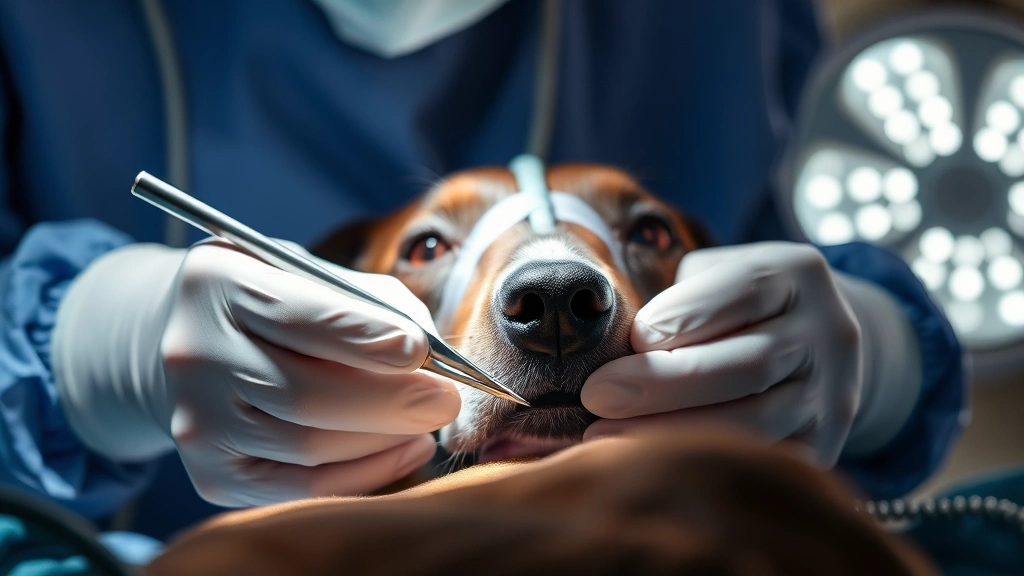
The Surgical Procedure: Spaying typically takes 30-90 minutes, depending on your dog’s age, size, and the surgical technique used. Your veterinarian will administer anesthesia, perform a surgical incision (usually on the abdomen or side), locate and remove the ovaries and uterus, and close the incision with sutures or surgical glue.
Recovery Timeline: Most dogs recover from anesthesia within a few hours and can go home the same day. However, complete healing takes 10-14 days. During this period, restrict your dog’s activity, prevent licking of the incision site (use an Elizabethan collar if necessary), and follow your veterinarian’s medication and care instructions precisely.
Post-Operative Care: Keep the incision clean and dry, watch for signs of infection (excessive redness, swelling, discharge, or foul odor), and administer any prescribed pain medication or antibiotics. Most dogs return to normal activity within two weeks.
Cost Factors and Financial Considerations
The financial aspect of spaying is an important consideration for many dog owners. Understanding the costs involved can help you plan accordingly and explore available options.
Spaying costs vary significantly based on geographic location, veterinary clinic, and your dog’s size and age. On average, you can expect to pay anywhere from $200 to $500 for a routine spaying procedure at a private veterinary clinic. Larger dogs and those with complications may cost more.
If cost is a concern, several resources can help. Many animal shelters and rescue organizations offer discounted spaying services. Additionally, some nonprofit organizations provide financial assistance for low-income pet owners. If you’re curious about specific pricing, how much is it to spay a dog can vary widely, so it’s worth calling multiple clinics for quotes.
Consider spaying an investment in your dog’s long-term health. The cost of the procedure is minimal compared to treating serious health conditions like pyometra or cancer that may develop in unspayed dogs.
Frequently Asked Questions
What is the absolute earliest age a dog can be spayed?
Dogs can be safely spayed as early as 8 weeks of age, though 6 months remains the most common recommendation for small breeds. Your veterinarian can advise on the best timing for your individual dog.
Is it too late to spay my senior dog?
It’s never too late to spay a dog, though surgery in older dogs carries slightly higher anesthesia risks. If you’re uncertain about your dog’s age status, learn more about when is a dog considered a senior. Your veterinarian can assess whether spaying is appropriate based on your senior dog’s overall health.
Will spaying change my dog’s personality?
Spaying may reduce heat-related behaviors like roaming and aggression, but it won’t fundamentally change your dog’s core personality. She’ll still be the same loving companion you know and adore.
How long does spaying surgery take?
The procedure typically takes 30-90 minutes, depending on your dog’s size, age, and individual factors. Your veterinarian can provide a more specific estimate based on your pup.
Can I get my dog spayed during her heat cycle?
While technically possible, it’s generally not recommended. The blood vessels are more engorged during heat, increasing bleeding risk and surgical complexity. It’s usually better to wait until the heat cycle concludes, unless there’s a medical emergency.
What are the signs of infection after spaying?
Watch for excessive redness, swelling, discharge, foul odor, or if your dog seems to be in pain at the incision site. Also monitor for fever, lethargy, or loss of appetite. Contact your veterinarian immediately if you notice any of these signs.
Will my dog gain weight after being spayed?
Spayed dogs have a slightly slower metabolism and may be more prone to weight gain. However, this can be managed through appropriate portion control and regular exercise. Your veterinarian can recommend a suitable diet and activity level for your spayed dog.
Should I let my dog have one heat cycle before spaying?
This depends on your dog’s breed and size. For small breeds, spaying before the first heat is typically recommended. For large and giant breeds, some veterinarians now suggest waiting until after the first heat cycle. Discuss breed-specific recommendations with your veterinarian.





