
How to Tell If Your Dog Has a Fever: Signs & Tips
There’s nothing quite like the panic that sets in when you suspect your beloved pup might be sick. One of the most common health concerns dog parents face is figuring out whether their furry friend has a fever. Unlike humans who can tell us they feel hot and achy, dogs can’t communicate their symptoms directly, which means we need to become fever-detection experts. The good news? With the right knowledge, you can learn to recognize the telltale signs that your dog’s body temperature might be running higher than normal.
A dog’s normal body temperature ranges from 101 to 102.5 degrees Fahrenheit—yes, it’s higher than ours! This means your pup naturally runs warmer than you do, which can sometimes make it tricky to determine if they actually have a fever. But don’t worry; there are plenty of observable signs and practical steps you can take to figure out what’s going on with your four-legged companion. Whether it’s a minor infection or something that needs veterinary attention, knowing how to tell if a dog has a fever is an essential skill for any responsible pet owner.
In this comprehensive guide, we’ll walk you through everything you need to know about canine fevers, from recognizing the early warning signs to understanding when it’s time to call your vet. We’ll also share practical tips for keeping your pup comfortable while they recover. Let’s dive in!
Signs Your Dog Has a Fever
Recognizing that your dog might have a fever starts with knowing what to look for. Dogs can’t tell us they feel feverish, but their behavior and physical symptoms paint a pretty clear picture when something’s off. Let’s explore the most common indicators that your pup’s internal thermostat might be turned up a few notches.
Lethargy and Lack of Energy is often the first sign that something isn’t quite right. If your normally energetic golden retriever suddenly becomes a couch potato, or your playful terrier loses interest in their favorite toys, a fever might be the culprit. Dogs with elevated body temperatures often feel exhausted and prefer to rest rather than engage in their usual activities.
Warm Ears and Nose are physical indicators worth checking. A dog’s ears and nose should feel relatively cool to the touch. If you notice these areas feel unusually warm or hot, it could suggest a fever. However, keep in mind that dogs’ ears and noses can naturally be warm after exercise or in hot weather, so context matters.
Loss of Appetite frequently accompanies a fever in dogs. Your pup might turn their nose up at their favorite kibble or treats, which is unusual behavior for most dogs. This decreased interest in food is their body’s way of conserving energy to fight off whatever infection or illness is causing the fever.
You might also notice your dog is panting more than usual, which is their body’s attempt to cool down. This excessive panting can be accompanied by drooling or a dry mouth. Additionally, shaking and shivering might occur as your dog’s body tries to regulate its temperature—kind of like when humans get the chills during a fever.
Other behavioral changes to watch for include whining, restlessness, or unusual clinginess. Some dogs become more withdrawn and hide in their favorite spots, while others might seek comfort from their owners more than usual. Dry or warm gums and a higher than normal heart rate can also indicate a fever, though these require closer observation.
How to Check Your Dog’s Temperature
The most accurate way to determine if your dog has a fever is to take their temperature. While you can’t rely solely on the back-of-the-hand method (that works better for human babies), you do have several options for getting an accurate reading.
Using a Digital Thermometer is the gold standard for checking your dog’s temperature at home. You have two main options: a rectal thermometer or an ear thermometer designed for pets. Rectal thermometers are generally more accurate, though we understand they’re not the most pleasant experience for your pup. Here’s how to do it safely:
- Use a digital thermometer specifically for pets or a regular digital thermometer reserved just for your dog
- Apply a small amount of lubricant like petroleum jelly to the thermometer tip
- Gently insert the thermometer about one inch into your dog’s rectum
- Hold it steady for the time recommended by the thermometer manufacturer (usually 30-60 seconds)
- Remove it carefully and read the temperature
Remember, a normal dog temperature is between 101 and 102.5 degrees Fahrenheit. Anything above 102.5 degrees Fahrenheit is considered a fever, while anything above 103.5 degrees Fahrenheit is considered a high fever that requires immediate veterinary attention.
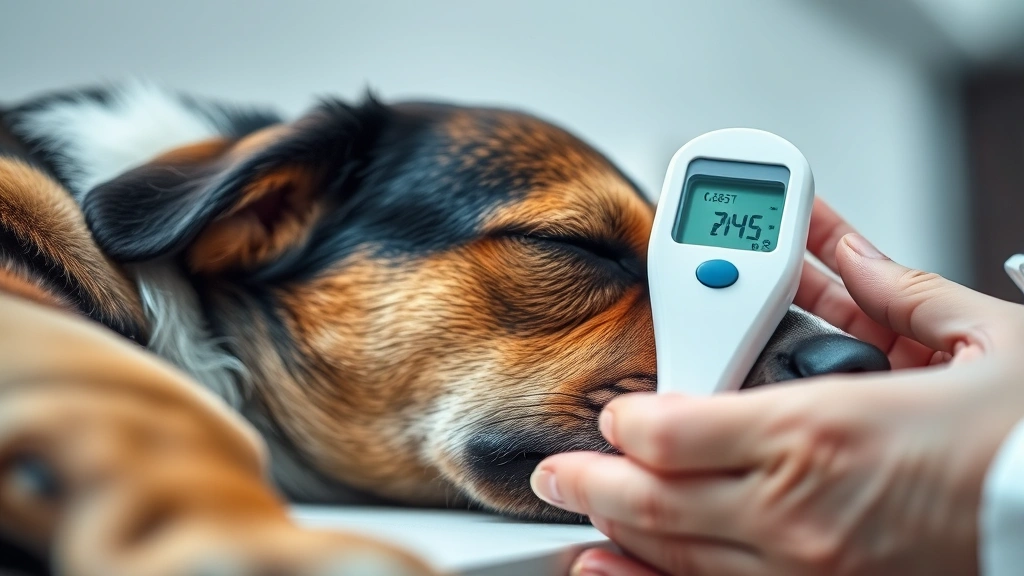
Ear Thermometers for Pets are another option, though they can be less reliable than rectal thermometers if not used correctly. These infrared devices are quick and non-invasive, making them a great option for dogs who are resistant to rectal temperature checks. However, ear wax buildup or incorrect positioning can affect accuracy.
When You Can’t Check at Home, don’t panic. Your veterinarian has professional-grade thermometers and expertise to accurately assess your dog’s temperature. This is always the best option if you’re uncertain or if your dog is extremely uncooperative. Many vet clinics can get a temperature reading in seconds, and it’s worth the peace of mind.

Common Causes of Fever in Dogs
Understanding what might be causing your dog’s fever can help you provide better care and know when professional intervention is necessary. Fevers aren’t actually the illness itself—they’re your dog’s immune system’s way of fighting off infection or responding to illness.
Infections are the most common cause of fever in dogs. Bacterial infections, viral infections, and fungal infections can all trigger elevated body temperature. Urinary tract infections, ear infections, skin infections, and respiratory infections are particularly common culprits. Dogs can get the flu, which is a viral infection that frequently causes fevers along with other respiratory symptoms.
Vaccines and Immunizations can sometimes cause a mild, temporary fever as your dog’s immune system responds to the vaccine. This is actually a normal and healthy response, though it’s worth monitoring. If the fever persists beyond 48 hours after vaccination or reaches dangerous levels, contact your vet.
Inflammatory Conditions such as pancreatitis, arthritis, or inflammatory bowel disease can also trigger fevers. These conditions cause inflammation throughout the body, which can elevate body temperature as the immune system responds.
Dental Disease is often overlooked but can be a significant source of infection and fever in dogs. Untreated tooth decay and gum disease can lead to serious infections that manifest as fevers. Regular dental care is crucial for preventing these complications.
Heat Stroke is different from a fever caused by infection but results in dangerously elevated body temperature. This is a medical emergency and requires immediate cooling and veterinary care. Signs include excessive panting, drooling, weakness, and confusion.
Medications and Allergic Reactions can occasionally cause fever as an adverse reaction. If your dog recently started a new medication and develops a fever, contact your veterinarian immediately.
Autoimmune Disorders and certain cancers can also cause fevers in dogs, though these are less common causes. These conditions typically present with additional symptoms and require professional diagnosis.
When to Contact Your Veterinarian
Not every fever requires an emergency vet visit, but knowing when to call is crucial for your dog’s health and safety. Here’s a practical guide to help you decide.
Contact Your Vet During Regular Hours If:
- Your dog has a fever of 102.5-103 degrees Fahrenheit combined with other mild symptoms
- The fever has lasted more than 24 hours
- Your dog shows loss of appetite but is otherwise relatively normal
- You’re unsure whether your dog’s symptoms warrant immediate attention
- Your dog is a puppy or senior (they’re more vulnerable to complications)
Seek Emergency Care Immediately If:
- Your dog’s temperature reaches 104 degrees Fahrenheit or higher
- Your dog is unresponsive or unconscious
- Your dog is having difficulty breathing
- Your dog is vomiting or has diarrhea along with the fever
- You notice signs of severe dehydration
- Your dog is in obvious pain or distress
- Your dog is a very young puppy or elderly dog with a fever
- The fever is accompanied by seizures
Your veterinarian is the best resource for determining the cause of your dog’s fever and the appropriate treatment. The ASPCA provides excellent resources for understanding when professional veterinary care is necessary. Don’t hesitate to call your vet’s office—they’d much rather have you err on the side of caution than miss a serious condition.
Care Tips for a Feverish Dog
While you’re working with your veterinarian to address the underlying cause of your dog’s fever, there are several things you can do at home to help your pup feel more comfortable.
Ensure Proper Hydration is absolutely critical. Fever causes fluid loss through panting and sweating, so your dog needs access to fresh water at all times. If your dog isn’t drinking normally, try offering water in a shallow dish, using a water fountain (some dogs prefer moving water), or offering ice chips. Some dogs will drink broth or coconut water if plain water isn’t appealing. If you’re concerned about your dog not drinking water, this is another reason to contact your vet.
Create a Cool, Comfortable Space where your dog can rest without overheating. Keep the room temperature moderate, provide plenty of shade, and consider using a cooling mat or damp towels. Avoid overheating your dog with excessive blankets, even though they might naturally want to burrow and nest.
Offer Appealing Food Options in small, frequent meals. While your dog might not be interested in their regular kibble, they might eat soft foods like boiled chicken, pumpkin puree, or low-sodium broth. Don’t force eating, but make nutritious options available when your dog shows interest.
Gentle Bathing with lukewarm water can help cool your dog down. When learning how to give a dog a bath, remember that during fever management, you’ll want to use lukewarm (not cold) water and keep the process brief and stress-free. Never use ice-cold water, as this can cause shock.
Provide Comfort and Support through comforting techniques for a dog with a fever. Your presence and gentle touch can be incredibly soothing. Spend quiet time with your pup, speak in calm tones, and provide the emotional support they need while their body fights off infection.
Monitor Symptoms Closely and keep detailed notes about your dog’s temperature, behavior, appetite, and bathroom habits. This information is invaluable for your veterinarian in determining the cause and appropriate treatment.
Follow Veterinary Instructions Precisely if your vet prescribes medication. Even if your dog seems to be improving, complete the full course of antibiotics or other medications as directed. Stopping medication early can allow the infection to return or worsen.
Prevention and Wellness
While you can’t prevent every illness that might cause a fever, there are proactive steps you can take to keep your dog healthy and reduce the risk of serious infections.
Keep Vaccinations Current according to your veterinarian’s recommendations. Vaccines protect against serious diseases like distemper, parvovirus, and rabies. The American Kennel Club provides vaccination guidelines for different life stages and risk factors.
Maintain Regular Veterinary Checkups at least once a year, more frequently for puppies and senior dogs. These wellness visits allow your vet to catch potential health issues early, before they develop into serious infections that cause fevers.
Practice Good Dental Hygiene by brushing your dog’s teeth regularly and having professional cleanings as recommended by your vet. Dental disease is preventable and can significantly impact your dog’s overall health.
Keep Your Dog’s Living Environment Clean and free from parasites. Regular flea and tick prevention, clean bedding, and a sanitary living space all reduce the risk of infections.
Provide a Balanced Diet rich in nutrients to support a strong immune system. The American College of Veterinary Nutrition offers resources on optimal canine nutrition for different life stages and health conditions.
Ensure Adequate Exercise and Mental Stimulation to maintain your dog’s overall health and reduce stress, which can compromise immune function. A healthy, happy dog is better equipped to fight off infections.
Avoid Exposure to Sick Animals when possible. If other dogs in your neighborhood are sick, limit contact until they’ve recovered. Be cautious at dog parks and group settings during times when illness is spreading.
Frequently Asked Questions
What is a normal dog temperature?
A normal dog temperature ranges from 101 to 102.5 degrees Fahrenheit. This is higher than the human normal temperature of 98.6 degrees Fahrenheit. Puppies and small breeds might run slightly warmer, while larger breeds might run slightly cooler. If your dog’s temperature exceeds 102.5 degrees, they likely have a fever.
Can I use a human thermometer on my dog?
Yes, you can use a digital thermometer designed for humans on your dog, as long as it’s a digital thermometer (not mercury-based, which is dangerous). However, it’s ideal to reserve a specific thermometer just for your dog and not share it with your family. Ear thermometers designed for humans don’t work as well on dogs due to ear shape differences.
How long does a dog fever typically last?
The duration of a dog’s fever depends entirely on the underlying cause. A mild fever from a minor infection might resolve in 24-48 hours, while more serious infections could cause fevers lasting several days or longer. Your veterinarian can provide a more specific timeline once they’ve diagnosed the cause.
Is it safe to give my dog fever-reducing medication?
Never give your dog over-the-counter fever reducers like acetaminophen or ibuprofen without explicit veterinary approval. Many common human medications are toxic to dogs. Your vet might prescribe appropriate medications if necessary, but the focus is usually on treating the underlying cause of the fever.
Can stress cause a fever in dogs?
While stress can’t directly cause a fever, it can weaken the immune system and make dogs more susceptible to infections that cause fevers. Additionally, some dogs experience slightly elevated body temperature when extremely anxious or frightened, though this typically isn’t a true fever requiring medical intervention.
Should I keep my feverish dog away from other pets?
If your dog’s fever is caused by a contagious illness like the flu or certain bacterial infections, it’s best to isolate them from other pets to prevent spreading the illness. Your veterinarian can advise you on whether the condition is contagious and for how long isolation is necessary.
What should I do if my dog’s fever keeps returning?
A recurring fever suggests an ongoing or underlying condition that hasn’t been fully resolved. This warrants additional veterinary investigation, including possibly more advanced diagnostics like blood work, imaging, or referral to a veterinary specialist. Don’t ignore recurring fevers, as they indicate your dog’s body is continuing to fight something.
Can puppies and senior dogs handle fevers differently?
Yes, puppies and senior dogs are more vulnerable to complications from fever. Their immune systems are either still developing or declining, making them less able to handle elevated body temperatures. Even mild fevers in very young puppies or elderly dogs warrant prompt veterinary attention.