How to Care for a Dog: Essential Tips for Pet Owners
Bringing a furry friend into your home is one of life’s greatest joys, but it also comes with significant responsibility. Whether you’re a first-time dog owner or looking to brush up on your pet care skills, understanding the fundamentals of dog care is absolutely crucial. From nutrition to grooming, exercise to mental stimulation, there’s quite a bit to learn—but don’t worry, we’ve got you covered!
Dogs depend entirely on us to meet their physical, emotional, and social needs. When you commit to pet ownership, you’re essentially signing up for years of dedication, love, and sometimes a little chaos (hello, muddy paws on the carpet!). The good news? Caring for your canine companion doesn’t have to be complicated. With the right knowledge and a bit of consistency, you can provide your dog with a happy, healthy, and fulfilling life.
In this comprehensive guide, we’ll walk you through everything you need to know about how to care for a dog. We’ll cover the essentials that every pet owner should master, from daily routines to emergency preparedness. Let’s dive in!
Proper Nutrition and Feeding
One of the most fundamental aspects of dog care is providing proper nutrition. Your dog’s diet directly impacts their energy levels, coat health, immune system, and overall longevity. Understanding how much food should I feed my dog is essential for maintaining a healthy weight and preventing obesity-related health issues.
When selecting food for your pup, look for high-quality options that list meat as the primary ingredient. Dogs are primarily carnivores, though they can digest some plant-based ingredients. The Association of American Feed Control Officials (AAFCO) sets nutritional standards for pet food, so look for their certification on packaging.
Most adult dogs thrive on two meals per day, though this can vary based on age, size, and activity level. Puppies typically need three to four meals daily, while senior dogs might benefit from smaller, more frequent portions. Always provide fresh, clean water throughout the day. Different life stages require different nutritional profiles—puppies need more calories and specific nutrients for growth, while senior dogs may need adjusted portions and joint-supporting ingredients.
It’s also important to understand your individual dog’s needs. Some breeds are prone to obesity, while others seem to have endless appetites. If you’re unsure about portions or dietary requirements, consult with your veterinarian, who can provide personalized feeding recommendations based on your dog’s specific needs.

Exercise and Physical Activity
Dogs need regular exercise to maintain physical health, manage weight, and reduce behavioral problems. The amount of exercise required varies significantly based on breed, age, and individual temperament. High-energy breeds like Border Collies and Australian Shepherds might need 60-90 minutes of activity daily, while smaller or less active breeds might be satisfied with 30 minutes.
Exercise isn’t just about physical activity—it’s also about mental engagement. A tired dog is generally a well-behaved dog. Regular walks, playtime in the yard, fetch sessions, and trips to the dog park all contribute to your pet’s overall well-being. Beyond preventing obesity and keeping muscles strong, exercise helps reduce anxiety, decreases destructive behaviors, and can even improve your dog’s focus during training sessions.
Consider your dog’s age when planning activities. Young puppies shouldn’t engage in strenuous exercise until their bones have fully developed, as this can cause joint problems later in life. Senior dogs may have arthritis or other conditions that require gentler, shorter exercise sessions. Weather also plays a role—adjust your routine during extreme heat or cold to keep your pup safe and comfortable.
Don’t forget that why do dogs sleep so much is actually quite normal. After exercise, your dog needs adequate rest to recover and process what they’ve learned. A balanced routine of activity and rest is key to canine well-being.
Grooming and Hygiene
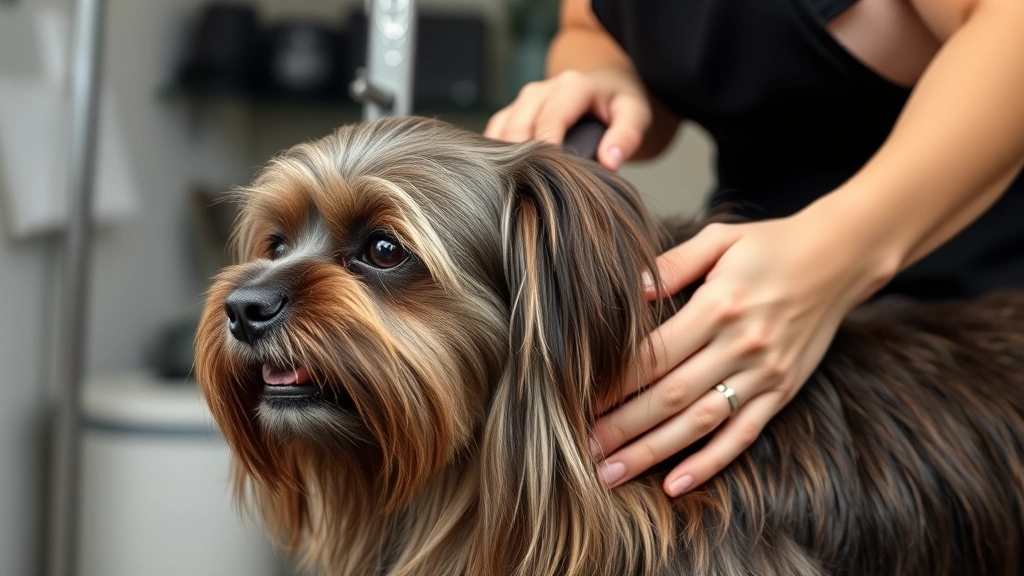
Regular grooming isn’t just about keeping your dog looking adorable (though that’s a nice bonus!). Proper grooming practices prevent skin infections, matting, and other health issues. Brushing your dog’s coat regularly removes loose fur, distributes natural oils, and allows you to check for any abnormalities like lumps or parasites.
Bathing frequency depends on your dog’s coat type and lifestyle. Most dogs benefit from a bath every 4-12 weeks, though dogs with oily coats might need more frequent washing. Always use dog-specific shampoo, as human products can disrupt their skin’s pH balance. Make bath time positive and rewarding with treats and praise to help your dog associate it with good experiences.
Dental care is often overlooked but incredibly important. Brush your dog’s teeth daily if possible, or at least several times per week. Poor dental hygiene can lead to serious health issues affecting the heart and kidneys. Many dogs develop tartar buildup and gum disease by middle age if their teeth aren’t properly maintained. Your vet can recommend appropriate toothbrushes, toothpastes, and professional cleaning schedules.
Don’t forget about ear care! How to clean dogs ears is an important skill every owner should master. Floppy-eared breeds are particularly prone to ear infections, so regular cleaning and inspection can prevent painful problems. Nail trimming is another essential task—overgrown nails can cause pain and mobility issues. If you’re uncomfortable doing this yourself, your groomer or vet can help.
Health Care and Veterinary Visits
Regular veterinary care is absolutely non-negotiable for proper dog care. Puppies and senior dogs need more frequent visits, while adult dogs typically benefit from annual check-ups. During these visits, your vet can catch health issues early, update vaccinations, and provide preventative care advice specific to your dog’s needs.
Vaccinations protect your dog from serious, potentially life-threatening diseases. Core vaccines include rabies, distemper, and parvovirus. Your vet will recommend a vaccination schedule based on your location and lifestyle. Parasite prevention is equally important—monthly treatments protect against fleas, ticks, heartworms, and intestinal parasites. These tiny invaders can cause serious health complications if left unchecked.
Know the signs of common health issues so you can seek treatment promptly. If you notice how to tell if a dog has a fever, that’s a sign to contact your vet immediately. Other warning signs include changes in appetite or water consumption, lethargy, vomiting, diarrhea, coughing, or difficulty breathing. Trust your instincts—you know your dog best.
Parasite prevention is critical for health and safety. How to remove tick from dog is a skill you might need, but prevention is always better than treatment. The ASPCA provides comprehensive guidance on parasite prevention and general dog care, making it an excellent resource for pet owners.
Consider pet insurance to help manage unexpected veterinary expenses. Many owners are caught off guard by the cost of emergency care or treatment for serious conditions. Insurance can provide peace of mind and ensure you can always afford the best care for your beloved companion.
Training and Socialization
A well-trained dog is a happy dog, and training should begin as early as possible. Puppies are like sponges, absorbing information and establishing behavior patterns that will last their entire lives. Basic commands like sit, stay, come, and down form the foundation for a well-behaved companion.
Positive reinforcement is the most effective training method. Reward desired behaviors with treats, praise, or playtime, and ignore or redirect unwanted behaviors. Punishment-based methods can create fear and anxiety, damaging your relationship with your dog and potentially creating behavioral problems.
Socialization is equally important, especially during the critical period between 3-14 weeks of age. Expose your puppy to different people, animals, environments, and experiences in a positive way. Well-socialized dogs are typically more confident, less fearful, and better able to handle new situations throughout their lives. The American Kennel Club offers resources on breed-specific training and socialization needs.
Professional trainers can be invaluable, especially for first-time owners or dogs with behavioral challenges. Group classes provide socialization opportunities while teaching you how to effectively communicate with your dog. Consistency is crucial—everyone in your household should use the same commands and enforce the same rules.
Mental Stimulation and Enrichment
Dogs are intelligent creatures that need mental challenges to stay happy and prevent destructive behaviors. Boredom is a common cause of problem behaviors like excessive barking, chewing, and digging. Providing adequate mental stimulation is just as important as physical exercise.
Puzzle toys, interactive feeders, and sniff games engage your dog’s natural instincts and problem-solving abilities. You can create DIY enrichment activities by hiding treats around the house for your dog to find, freezing treats in ice, or rotating toys to keep things fresh and interesting. Training sessions themselves provide excellent mental stimulation—your dog’s brain gets a workout learning new commands or tricks.
Many dogs enjoy activities like nosework, agility training, or dock diving. These sports provide both physical exercise and mental engagement, plus they strengthen the bond between you and your pup. Even without formal training, you can play hide-and-seek games or teach fun tricks like play dead or spin in circles.
Remember that why do dogs lick their paws can sometimes indicate boredom or anxiety, not just physical issues. Ensuring adequate mental and physical stimulation can help prevent these stress-related behaviors.
Safety and Home Environment
Creating a safe environment is fundamental to responsible dog care. Puppy-proof your home just like you would for a human child. Remove toxic substances, secure electrical cords, and put away small objects that could be choking hazards. Common household items like chocolate, grapes, onions, and xylitol are toxic to dogs and should be kept completely out of reach.
Ensure your yard is securely fenced and that gates are always closed. Even the best-trained dog might bolt after a squirrel or in response to unfamiliar sounds. If you don’t have a fence, use a leash or long line during outdoor time. Provide shade and fresh water if your dog spends time outside, and never leave them unattended in a car—temperatures can become dangerous within minutes.
Microchipping and ID tags are essential safety measures. If your dog ever escapes or gets lost, microchipping dramatically increases the chances of a safe reunion. Make sure your contact information is current in the microchip registry and that your dog always wears an ID tag with your phone number.
During travel, use appropriate restraints like crash-tested harnesses or carriers. Unrestrained dogs can become projectiles in sudden stops, causing serious injury to themselves and distracting the driver. For air travel, research airline requirements and prepare your dog for the experience with positive associations.
Keep emergency contact information readily available, including your regular vet’s number, an emergency veterinary clinic, and the ASPCA Animal Poison Control Center. Having this information accessible can save precious minutes in an emergency situation.
Frequently Asked Questions
How often should I take my dog to the veterinarian?
Adult dogs should visit the vet at least once annually for a wellness check. Puppies need visits every 3-4 weeks until 16 weeks old, then again at one year. Senior dogs (7+ years) benefit from twice-yearly visits to catch age-related issues early. Dogs with chronic conditions may need more frequent visits.
What’s the best type of dog food to feed my pet?
The best food for your dog depends on their age, size, activity level, and any health conditions. Look for foods with meat as the primary ingredient and the AAFCO certification mark. Consult your vet for personalized recommendations, as they can assess your individual dog’s nutritional needs and recommend appropriate brands.
How much exercise does my dog need daily?
Exercise needs vary by breed and age. Most adult dogs need 30-60 minutes of daily activity, though high-energy breeds may need up to 2 hours. Puppies and senior dogs have different requirements—puppies need short, frequent sessions while seniors need gentler, shorter activities. Your vet can recommend an appropriate exercise plan for your dog.
When should I start training my puppy?
Start training immediately—even 8-week-old puppies can learn basic commands. The earlier you begin, the better habits they’ll develop. Socialization is particularly critical between 3-14 weeks of age, so expose your puppy to various people, animals, and environments during this window.
How can I tell if my dog is healthy?
Healthy dogs have bright eyes, clean ears, shiny coats, and good energy levels. Their weight should be appropriate for their breed, with visible ribs but not protruding. Regular vet check-ups catch health issues early. Watch for changes in appetite, water consumption, bathroom habits, or behavior—these can indicate health problems requiring veterinary attention.
What should I do if my dog eats something toxic?
Contact your vet or the ASPCA Animal Poison Control Center immediately. Have the product packaging or information about what your dog ate readily available. Time is critical with some toxins, so don’t wait to see if symptoms develop.
How do I prevent my dog from developing behavioral problems?
Provide adequate physical exercise, mental stimulation, proper training, and socialization. Establish consistent rules and routines. Address small issues immediately before they become big problems. Use positive reinforcement rather than punishment. If problems develop, consult a professional trainer or veterinary behaviorist early on.