
How to Cure Constipation in Dogs: Vet-Approved Tips
Is your furry friend straining during bathroom breaks? Does your pup seem uncomfortable and less playful than usual? Constipation in dogs is more common than you might think, and it can cause genuine distress to your beloved companion. Whether it’s a temporary hiccup or a recurring issue, understanding how to cure constipation in dogs is essential for every responsible pet parent.
The good news? Most cases of canine constipation are manageable with the right approach. From dietary adjustments to lifestyle changes, we’ve got you covered with evidence-based strategies that veterinarians recommend. In this comprehensive guide, we’ll explore everything you need to know about keeping your dog’s digestive system running smoothly and preventing future constipation troubles.
Let’s dig into the solutions that’ll have your pup feeling better in no time!
Signs Your Dog Has Constipation
Recognizing constipation early is crucial for getting your dog relief quickly. The most obvious sign is difficulty or infrequent bowel movements—your pup might be spending extra time in the yard without producing results. You may notice your dog squatting multiple times without success, which can be both frustrating and uncomfortable for them.
Other telltale signs include hard, dry stools when your dog does go, abdominal discomfort or bloating, and a general lack of interest in their usual activities. Some dogs become restless or anxious, while others might seem lethargic and withdrawn. You might also notice your dog scooting their rear end on the ground—this is their way of communicating that something feels off.
Pay attention to behavioral changes too. A constipated dog may refuse meals, seem irritable, or display unusual anxiety. If your dog hasn’t had a bowel movement in more than two or three days, that’s definitely cause for concern and warrants action.
Common Causes of Canine Constipation
Understanding why your dog is constipated helps you address the root problem. The most common culprit is insufficient fiber intake. Dogs need adequate dietary fiber to maintain healthy bowel movements, and many commercial diets don’t provide enough.
Dehydration is another major cause. Dogs who don’t drink enough water often experience constipation because their stool becomes dry and hard, making it difficult to pass. This is particularly common in dogs who eat primarily dry kibble without adequate water intake.
Other common causes include:
- Lack of physical activity – Sedentary dogs are more prone to constipation
- Dietary indiscretions – Eating non-food items, bones, or inappropriate foods
- Medications – Certain drugs can slow intestinal movement
- Age – Senior dogs often experience constipation more frequently
- Underlying medical conditions – Hypothyroidism, megacolon, or anal gland issues
- Stress and anxiety – Can disrupt normal digestive function
Obesity is also a significant factor. Dogs carrying extra weight often have reduced mobility and slower digestion. Additionally, anal gland problems can make bowel movements painful, causing dogs to avoid going.
Hydration: The First Line of Defense
Before reaching for supplements or medications, ensure your dog is getting enough water. This is truly the foundation of digestive health. Most dogs need about one ounce of water per pound of body weight daily, though this varies based on activity level and diet.
If your dog eats primarily dry kibble, they’re getting minimal moisture from their food. Consider adding wet food to their diet or soaking their dry food in water or low-sodium broth. Many dogs find this more palatable and it significantly increases their water intake.
Make fresh water constantly available throughout the day. Some dogs are picky about water temperature or source—experiment to see what your pup prefers. Some dogs drink more from fountains than bowls, while others prefer cool water. Pay attention to your individual dog’s preferences.
For dogs that are chronically dehydrated, you might discuss adding an electrolyte solution with your vet. This can help optimize hydration while supporting overall health. The importance of hydration cannot be overstated when addressing constipation issues.
Dietary Solutions That Work
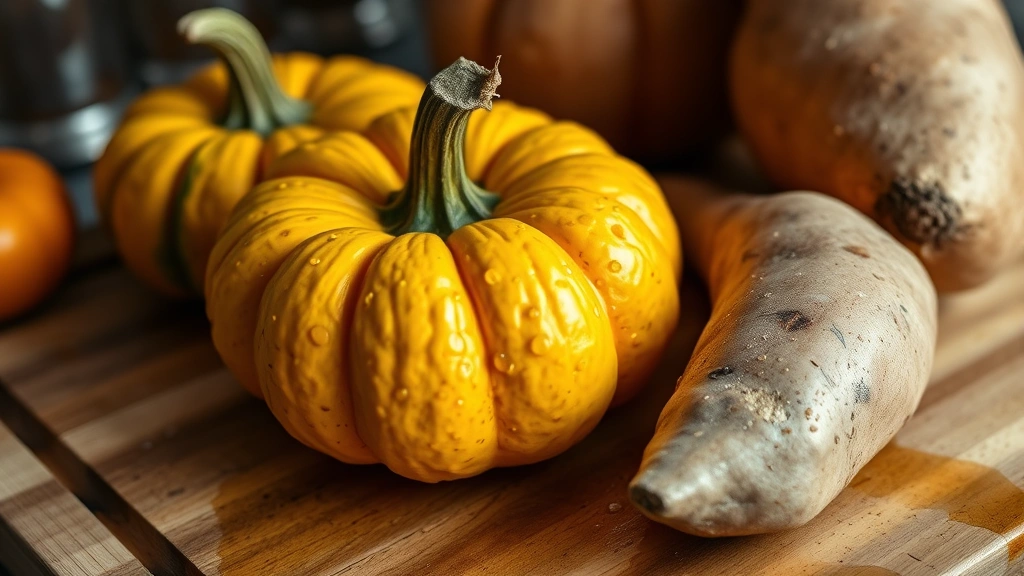
Once you’ve ensured adequate hydration, focus on dietary changes. One of the most effective approaches is increasing your dog’s fiber intake. Pumpkin is a fantastic natural remedy that many veterinarians recommend. Plain canned pumpkin (not pie filling) adds fiber and moisture to your dog’s diet, often producing results within 24-48 hours.
A typical serving is one to four tablespoons depending on your dog’s size, mixed into their regular food. The fiber in pumpkin helps regulate bowel movements while the moisture content aids in stool softening. This is one of the most accessible and cost-effective solutions for mild to moderate constipation.
Sweet potato is another excellent dietary addition that provides both fiber and nutrients. Cooked and unseasoned sweet potato can be mixed into meals or offered as a treat. Like pumpkin, it helps promote healthy digestion.
Consider what you’re currently feeding your dog. Evaluating your dog’s food portions and quality is important because inadequate nutrition can contribute to digestive issues. Look for dog foods with adequate fiber content—typically 3-5% crude fiber is appropriate for most dogs.
Switching to a higher-quality diet with better digestibility might help. Some dogs do better on grain-inclusive diets with vegetables, while others thrive on grain-free options. Every dog is unique, so you may need to experiment to find what works best.
You can also add other fiber-rich foods to your dog’s diet, such as:
- Cooked green beans (plain, no seasoning)
- Cooked carrots (provide hydration and fiber)
- Oatmeal (cooked and unseasoned)
- Bran cereal (small amounts only)
- Psyllium husk (a veterinarian-recommended amount)
When making dietary changes, do so gradually over 7-10 days to avoid upsetting your dog’s digestive system further. Mix increasing amounts of new food with their current diet to allow their system to adjust.
Exercise and Movement Matter
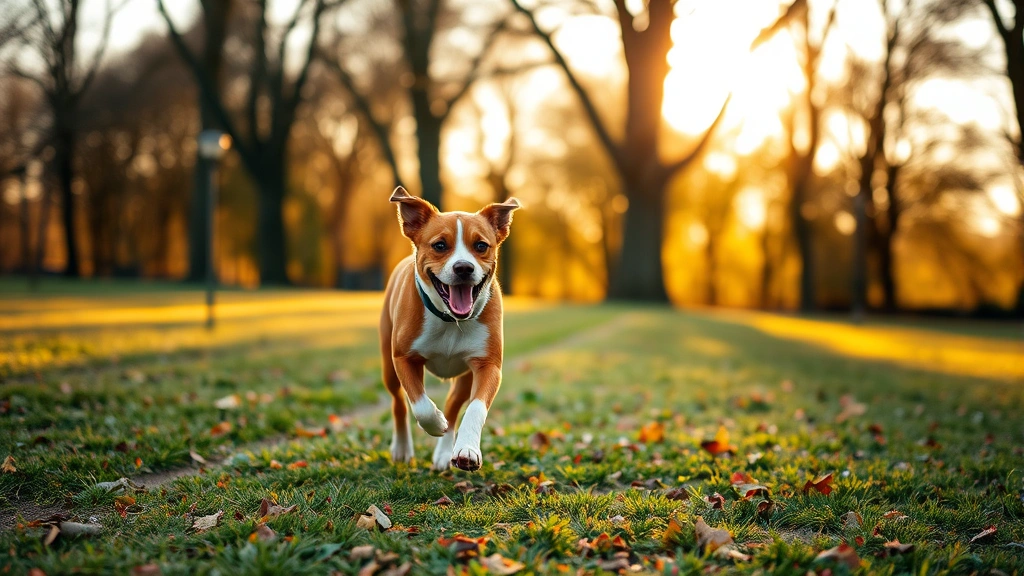
Physical activity stimulates the digestive system and encourages regular bowel movements. Dogs that get regular exercise are significantly less likely to experience constipation. Helping a constipated dog includes ensuring they get adequate activity, which is a foundational element of treatment.
Aim for at least 20-30 minutes of moderate exercise daily, though this varies by breed, age, and health status. This could include walks, playtime, swimming, or fetch. Senior dogs and puppies need modified exercise routines, but movement is still beneficial for all.
Even just increasing the frequency of bathroom breaks can help. Take your dog out more often—ideally after meals, after naps, and throughout the day. This gives them more opportunities to go and establishes a routine that supports regular bowel movements.
Gentle massage of your dog’s abdomen can also help stimulate bowel movements. Use slow, circular motions on the left side of their belly, moving downward. This mimics the natural movement of the colon and can encourage your dog to go.
Natural Supplements and Remedies
Beyond pumpkin and sweet potato, several supplements can support healthy digestion. There are specific remedies and supplements designed for constipated dogs that veterinarians often recommend.
Probiotics are beneficial bacteria that support digestive health. Quality dog probiotics can improve gut flora balance and promote regular bowel movements. Look for products specifically formulated for dogs with multiple bacterial strains.
Digestive enzymes can help break down food more efficiently, reducing the strain on your dog’s digestive system. These are particularly helpful for older dogs or those with sensitive stomachs.
Fish oil supplements provide omega-3 fatty acids that lubricate the digestive tract. This can help soften stool and make bowel movements easier. Always consult your vet about appropriate dosing, as too much can have the opposite effect.
Bone broth (unsalted and unseasoned) adds moisture and nutrients to your dog’s diet while being gentle on their digestive system. Some dogs find this particularly palatable, and the hydration benefit is significant.
According to the ASPCA’s pet care guidelines, always introduce any new supplement gradually and monitor your dog for any adverse reactions. What works wonderfully for one dog might not be ideal for another.
When to Call Your Veterinarian
While many cases of constipation can be managed at home, certain situations require professional veterinary attention. If your dog hasn’t had a bowel movement for more than three days, or if home remedies haven’t helped after 48 hours, it’s time to call your vet.
Seek immediate veterinary care if your dog shows signs of severe abdominal pain, vomiting, loss of appetite, or lethargy. These symptoms might indicate a more serious underlying condition like an intestinal blockage, which requires professional diagnosis and treatment.
Senior dogs experiencing chronic constipation need veterinary evaluation to rule out underlying health conditions like hypothyroidism or megacolon. Your vet might recommend bloodwork or imaging to get a complete picture.
The American Kennel Club provides detailed guidance on constipation and when professional intervention is necessary. Your veterinarian can prescribe medications like lactulose or docusate if needed, and can rule out serious complications.
If constipation becomes a recurring issue despite dietary and lifestyle changes, this warrants thorough investigation. Your vet might recommend a specialized diet or ongoing management strategies tailored to your dog’s specific needs.
Prevention Tips for Long-Term Health
Once you’ve resolved your dog’s constipation, preventing future episodes is much easier than treating them. Consistency is key—maintain a regular feeding schedule, consistent exercise routine, and adequate hydration.
Monitor what your dog eats and avoid giving them items that could cause blockages or digestive upset. Be cautious with bones, especially cooked bones that can splinter and cause serious problems.
Keep your dog at a healthy weight through proper nutrition and regular exercise. Obesity significantly increases constipation risk and contributes to numerous other health problems.
Regular veterinary check-ups help catch potential digestive issues early. Your vet can assess your dog’s overall health and recommend preventive strategies specific to your pet’s needs.
Maintain a balanced diet with adequate fiber and moisture. If you’ve found a diet that works well for your dog, stick with it. Sudden dietary changes are a common constipation trigger.
Ensure your dog has constant access to fresh water and gets regular bathroom breaks. These simple habits prevent most constipation cases.
Consider keeping a log of your dog’s bathroom habits. This helps you notice patterns and identify potential issues early. If you notice your dog’s frequency or consistency changing, you can address it before constipation becomes severe.
Frequently Asked Questions
How long does it take for pumpkin to work on dog constipation?
Most dogs show improvement within 12-48 hours of adding pumpkin to their diet. The exact timeline depends on the severity of constipation and your individual dog’s digestive system. Start with one to two tablespoons mixed into their regular food and monitor results.
Is it safe to give my dog laxatives?
Some laxatives are safe for dogs, but you should only use them under veterinary guidance. Over-the-counter human laxatives can be harmful to dogs. Your vet can recommend appropriate options like lactulose or docusate if needed. Never self-treat with medications intended for humans.
Can stress cause constipation in dogs?
Yes, stress and anxiety can definitely disrupt your dog’s digestive system and lead to constipation. Changes in routine, new environments, or household stress can trigger episodes. Providing a calm environment and maintaining consistent routines helps prevent stress-related constipation.
What’s the difference between constipation and obstruction?
Constipation is difficulty passing stool, while an obstruction means something is completely blocking the intestines. Obstructions are medical emergencies requiring immediate surgery. If your dog shows severe pain, repeated vomiting, or complete inability to pass anything, seek emergency veterinary care immediately.
Should I change my dog’s food if they’re chronically constipated?
Yes, chronic constipation often indicates a need for dietary changes. Work with your veterinarian to identify a diet with better fiber content and digestibility. Some dogs benefit from adding moisture through wet food or broth, while others need a completely different formula.
Can anal gland issues cause constipation?
Yes, painful anal glands can make bowel movements uncomfortable, causing dogs to avoid going. This creates a vicious cycle of constipation. If you suspect anal gland problems, your vet can express them and recommend treatment to resolve the underlying issue.
How much exercise does my dog need to prevent constipation?
Most adult dogs benefit from at least 20-30 minutes of moderate exercise daily. Senior dogs and puppies need adjusted routines, but even gentle walks help stimulate bowel movements. The specific amount depends on your dog’s age, breed, and health status.
Is diarrhea related to constipation?
While they seem opposite, diarrhea and constipation can both indicate digestive problems. Some dogs experience alternating episodes. Both conditions warrant attention to diet, hydration, and overall digestive health. If either persists, consult your veterinarian.





