
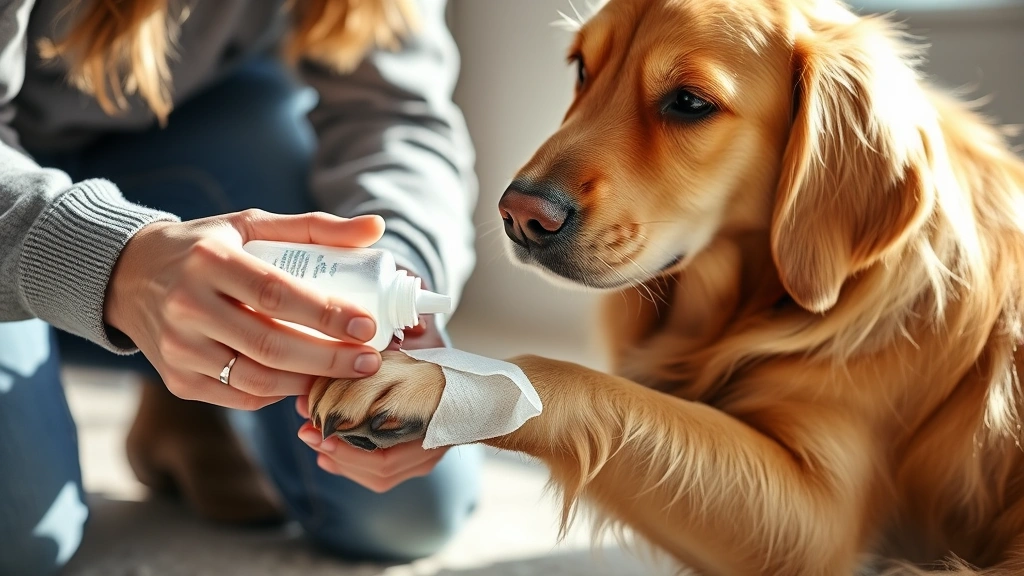
How to Disinfect a Dog Wound: Expert Guide
There’s nothing quite like the panic that sets in when you notice your furry best friend has a cut, scrape, or wound. Whether it’s from a playful romp in the backyard, an unfortunate encounter with a sharp object, or a minor scuffle with another pup, knowing how to properly disinfect a dog wound can make all the difference in preventing infection and promoting healing. The good news? With the right knowledge and supplies, you can handle minor wounds like a pro right at home.
As pet parents, we’re responsible for our dogs’ health and safety, and that includes knowing how to respond when injuries happen. While serious wounds always warrant a trip to the vet, understanding the proper disinfection process can help you manage minor injuries confidently and keep your pup comfortable during recovery. Let’s dive into everything you need to know about keeping your dog’s wounds clean and infection-free.
In this comprehensive guide, we’ll walk you through the science behind wound disinfection, the best products to use, step-by-step instructions, and when it’s time to call in the professionals. Your dog’s health is too important to leave to guesswork, so let’s get you armed with expert information.
Why Disinfecting Dog Wounds Matters
Dogs are naturally curious creatures who love exploring their environment, which unfortunately means they’re prone to picking up cuts, scrapes, and puncture wounds. Unlike humans who can verbally communicate their discomfort and follow wound care instructions, dogs rely entirely on us to keep their injuries clean and protected from infection.
Disinfection is absolutely critical because a dog’s wound environment is perfect for bacterial growth. Dogs lick their wounds, roll in dirt, and spend time outdoors where countless microorganisms exist. Without proper disinfection, even a small scratch can develop into a serious infection that spreads quickly through their system. The ASPCA emphasizes that preventing infection is far easier and less expensive than treating one.
Proper disinfection kills harmful bacteria, reduces inflammation, and creates an optimal environment for your dog’s natural healing processes to work effectively. When you understand the importance of this step, you’re more likely to take it seriously and perform it correctly, which directly translates to faster healing and fewer complications for your beloved companion.
Before You Start: Preparation and Safety
Before you even touch your dog’s wound, take a moment to prepare yourself and your environment. This isn’t just about cleanliness—it’s about ensuring you can handle the situation calmly and safely, which will keep your dog calm too. Dogs pick up on our energy, and if you’re stressed or unsure, they’ll sense it and become more anxious or resistant to treatment.
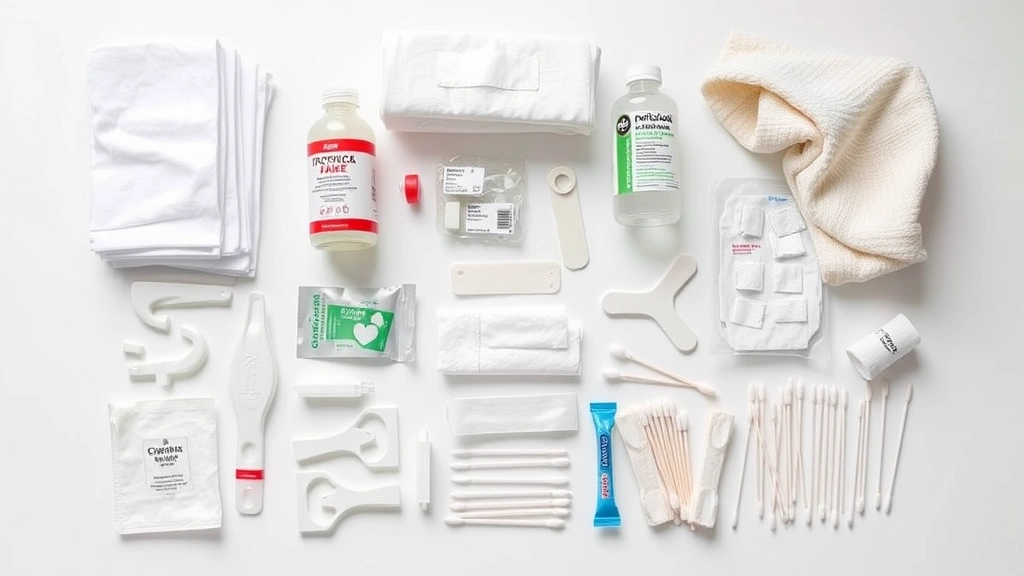
Gather Your Supplies First: Never start treating a wound without having everything you need within arm’s reach. Running around looking for supplies while your dog is bleeding or in pain will only increase stress for both of you. Assemble clean towels, gloves, your chosen disinfectant, gauze pads, and any other materials you’ll need before you begin.
Assess Your Dog’s Temperament: Some dogs are naturally cooperative when injured, while others become defensive or anxious. If your dog is typically aggressive when scared or in pain, or if the wound is in a sensitive area like the face or paws, you might want to have a second person present. Their job is simply to comfort and steady your pup while you work. Consider whether your dog might need a muzzle—not to punish them, but to protect both of you during treatment. A stressed dog might accidentally bite even their favorite human.
Ensure Proper Lighting: You can’t effectively disinfect what you can’t see. Make sure you’re working in a well-lit area where you can clearly see the wound, any debris, and the surrounding skin. Natural daylight is ideal, but a bright lamp works well too.
Step-by-Step Disinfection Process
Now that you’re prepared, let’s walk through the actual disinfection process. This is where your preparation pays off—because you have everything ready, you can focus on being gentle and thorough.
Step 1: Calm Your Dog Start by speaking in a soothing voice and offering treats or praise. Let your dog know everything is okay. Spend a minute or two just petting and reassuring them before you touch the wound. A calm dog is cooperative, and a cooperative dog makes your job infinitely easier.
Step 2: Assess the Wound Take a good look at what you’re dealing with. Is it a surface scrape, a puncture wound, or a deep cut? Is there visible debris, dirt, or hair in the wound? Are the edges of the wound clean or jagged? This assessment helps you determine if you can handle it at home or if it needs professional attention. If the wound is deep, won’t stop bleeding after 10 minutes of pressure, or has jagged edges, skip ahead to the “When to Seek Veterinary Help” section.
Step 3: Control Bleeding If your dog’s wound is actively bleeding, your first priority is controlling that bleeding. Apply gentle pressure with a clean towel or gauze pad for 5-10 minutes. Don’t peek constantly—just hold steady pressure. Most minor wounds will stop bleeding on their own. If bleeding continues after 10 minutes, that’s a sign you need professional help.
Step 4: Flush the Wound Before applying any disinfectant, you need to remove debris and loose hair. This is where understanding how to clean a dog wound becomes essential groundwork. Use lukewarm water or saline solution to gently flush the wound. You can use a clean cloth, a spray bottle, or even a syringe without a needle to direct water into the wound. The goal is to remove dirt, debris, and dead skin without damaging healthy tissue. Be gentle—this isn’t about scrubbing; it’s about rinsing.
Step 5: Dry the Area Use a clean, soft cloth or sterile gauze to gently pat the wound dry. Don’t rub aggressively; just pat until most moisture is gone. A slightly damp wound is fine—you don’t need it bone dry.
Step 6: Apply Disinfectant Now comes the actual disinfection. We’ll discuss specific products in the next section, but the general principle is to apply your chosen disinfectant according to product directions. Most come with applicator tips or you can use a clean applicator stick. Apply directly to the wound and slightly beyond its edges onto healthy skin. Don’t oversaturate—you want coverage, not saturation.
Step 7: Allow Drying Time Different disinfectants require different drying times. Follow the product instructions, but generally allow 30 seconds to a few minutes for the disinfectant to work. During this time, keep your dog from licking the wound if possible. This is where that “why do dogs lick their paws” curiosity kicks in—dogs have an instinct to lick wounds, but we need to prevent that while disinfectant is active.

Best Products for Disinfecting Dog Wounds
Not all disinfectants are created equal, and some that are safe for humans can actually harm dogs. Let’s break down the best options and why they work.
Chlorhexidine Solution (0.05%) This is one of the most recommended disinfectants by veterinarians for dog wounds. It’s effective against a broad spectrum of bacteria, viruses, and fungi, yet it’s gentler on damaged tissue than some alternatives. The key is using the proper dilution—0.05% is the sweet spot. It’s safe for open wounds and won’t irritate healthy tissue. You’ll find this in products specifically formulated for pet wounds.
Saline Solution While not technically a disinfectant, sterile saline solution is crucial for wound care. It’s perfect for flushing debris and won’t irritate your dog’s wound. You can purchase sterile saline at any pharmacy, and it’s inexpensive and always good to have on hand. Some people make their own by dissolving one teaspoon of salt in one cup of boiled, cooled water, though commercial versions are more reliably sterile.
Povidone-Iodine (1%) This is another veterinarian-approved option, though it’s slightly more irritating than chlorhexidine. It’s excellent for disinfection but should only be used for a few days. If you’re using povidone-iodine, dilute it to 1% concentration—undiluted iodine can damage tissue. Many vets recommend switching to a gentler disinfectant after the first few days.
About Neosporin: Is It Safe? This is a question we get often. The answer is nuanced. Learn more about whether Neosporin is safe for dogs, but the quick answer is: it can be used in small amounts on minor wounds, but it’s not the ideal choice. The main concern is that dogs will lick it off, ingesting the antibiotics. Additionally, some dogs develop sensitivity to the ingredients. If you use it, apply a small amount and try to prevent licking. There are better options specifically formulated for dogs.
Hydrogen Peroxide: Proceed with Caution While many people reach for hydrogen peroxide, there’s important information you should know about using peroxide on dogs. While it does kill bacteria, it can also damage healthy tissue and isn’t recommended for open wounds on dogs. Reserve hydrogen peroxide for cleaning the area around a wound, not for the wound itself.
Avoid These Products: Never use alcohol, bleach, or human antiseptics on your dog’s wounds. These are too harsh and can damage tissue and cause pain. Similarly, avoid tea tree oil and other essential oils—these can be toxic to dogs, especially if ingested through licking.
Aftercare and Monitoring
Disinfection is just the beginning of wound care. What happens after disinfection is equally important for successful healing.
Apply Protective Barriers After disinfection, consider applying a pet-safe antibiotic ointment or wound protectant. Products specifically formulated for dogs are your best bet. These create a protective barrier that keeps bacteria out while allowing the wound to breathe. Reapply according to product directions, typically once or twice daily.
Bandaging Decisions For most minor wounds, bandaging isn’t necessary and might actually trap moisture that promotes bacterial growth. However, if the wound is in a dirty area, on a paw that will touch the ground, or in a location your dog keeps licking, a bandage can help. Use pet-safe bandaging materials and change bandages daily or if they become wet or dirty.
The Licking Problem This is one of the biggest challenges in dog wound care. While your dog’s saliva does have some antibacterial properties, excessive licking can introduce bacteria and prevent healing. If your dog won’t stop licking, consider an Elizabethan collar (the dreaded “cone”). Yes, your dog will hate it, but it beats a wound infection. You might also ask your vet about using a bandage or protective boot on the affected area.
Understanding why dogs lick their paws helps you address the underlying behavior. Sometimes it’s discomfort, sometimes it’s anxiety, and sometimes it’s just habit. Addressing the root cause while preventing access to the wound is ideal.
Daily Monitoring Once you’ve disinfected the wound, check it daily for signs of infection or complications. You’re looking for increased redness, swelling, discharge, warmth, or odor. Some minor swelling and redness immediately after injury is normal, but these should improve daily. If they worsen or don’t improve within 2-3 days, contact your vet.
Activity Restriction Keep your dog calm and limit activity while the wound heals. Excessive activity increases blood flow and can reopen wounds or cause bleeding. Short, controlled potty breaks on a leash are fine, but save the park trips and vigorous play for after healing is complete.
When to Seek Veterinary Help
Not all wounds can be handled at home, and knowing when to call the professionals is crucial. Contact your veterinarian if:
- The wound is deep, longer than ½ inch, or has jagged edges that won’t stay together
- Bleeding won’t stop after 10 minutes of pressure
- The wound is on the face, eye, or genitals
- The wound is a puncture wound (these are particularly prone to infection)
- Your dog was bitten by another animal or exposed to something rusty or dirty
- There are signs of infection: increasing redness, swelling, discharge, warmth, or odor
- Your dog is limping severely or unable to use a limb
- Your dog shows signs of systemic infection: fever, lethargy, loss of appetite, or vomiting
- The wound isn’t improving after 3-5 days of home care
- Your dog is very young, very old, or has underlying health conditions
Your vet can determine if stitches are needed, prescribe antibiotics if necessary, and provide professional wound care. They can also check for deeper damage you might not see. Don’t hesitate to call—it’s better to be cautious with your dog’s health.
Prevention Tips
The best wound care is preventing wounds in the first place. While you can’t eliminate all risks, you can certainly reduce them.
Environmental Safety: Regularly inspect your yard for hazards like broken glass, sharp sticks, rusty metal, or thorns. Remove these dangers before your dog gets hurt. Keep your home free of sharp objects and secure any loose wiring or exposed nails.
Proper Grooming: Regular grooming keeps your dog’s coat healthy and makes it easier to spot wounds early. Matted fur can hide injuries, allowing infections to develop. Additionally, maintaining good grooming standards reduces the risk of skin infections.
Training and Supervision: Teach your dog to avoid dangerous situations and avoid rough play that results in injuries. Supervise interactions with other dogs, as dog-to-dog conflicts are a common cause of wounds. Proper dog training and socialization can prevent many injury-causing situations.
Vaccinations and Preventatives: Keep your dog current on vaccinations, including tetanus protection. Ask your vet about preventative treatments for parasites and infections that could complicate wound healing.
Quick Response: The sooner you address an injury, the better the outcome. Don’t wait to see if a wound will “heal on its own.” Early intervention is your best defense against complications.
Frequently Asked Questions
How often should I disinfect my dog’s wound?
For fresh wounds, disinfect once daily after flushing with saline. If you’re using a protective ointment, you can reapply it without re-disinfecting. After 3-5 days, if the wound is healing well, you can reduce to every other day. Always follow your vet’s specific instructions for your dog’s particular wound.
Can I use human first aid supplies on my dog?
Some human first aid supplies are safe for dogs, but many are not. Saline solution and sterile gauze are fine, but avoid human antiseptics, hydrogen peroxide, alcohol, and certain ointments. When in doubt, use products specifically formulated for pets or ask your vet for recommendations.
My dog won’t stop licking the wound. What should I do?
Use an Elizabethan collar to prevent licking. You can also try covering the wound with a bandage or protective boot. If your dog is anxious, your vet might recommend calming supplements or, in severe cases, anxiety medication. Address the underlying cause of the licking while preventing access to the wound.
How do I know if my dog’s wound is infected?
Signs of infection include increasing redness, swelling, discharge (especially pus), warmth, odor, and your dog’s increased interest in the wound. Your dog might also show systemic signs like fever, lethargy, or loss of appetite. Contact your vet if you notice any of these signs. Early treatment of infections prevents serious complications.
Is it normal for a wound to have a little swelling and redness?
Yes, some swelling and redness immediately after injury is normal as your dog’s body responds to the trauma. However, this should improve daily. If swelling or redness worsens after the first 24-48 hours, or if it persists beyond a week, contact your vet.
How long does it take for a dog wound to heal?
Minor surface wounds typically heal within 1-2 weeks. Deeper wounds take longer—potentially 3-4 weeks or more. Factors like your dog’s age, overall health, wound location, and your aftercare all affect healing time. Your vet can give you a more specific timeline for your dog’s particular wound.
Should I apply heat or ice to my dog’s wound?
For acute injuries (within the first 24-48 hours), ice can help reduce swelling and pain. After the initial inflammatory phase, warm compresses can promote blood flow and healing. Always wrap ice or heat sources in cloth—never apply directly to skin. Ask your vet about what’s appropriate for your dog’s specific wound.
Can I use honey on my dog’s wound?
While honey has antibacterial properties and is used medically in some human wound care, it’s not recommended for dogs because they’ll lick it off, ingesting it. Additionally, some honey can contain botulism spores, which is dangerous for dogs. Stick with veterinary-approved disinfectants instead.
My dog has a wound that won’t heal. What should I do?
Non-healing wounds require professional evaluation. Your vet will assess whether there’s an infection, if the wound needs different treatment, or if there’s an underlying health condition preventing healing. Conditions like diabetes, immune disorders, or nutritional deficiencies can all affect wound healing. Don’t wait—contact your vet if a wound isn’t improving.
Is it okay to let my dog’s wound “air out” without bandaging?
For most minor wounds, air exposure is actually beneficial and prevents moisture buildup that promotes infection. However, if the wound is in a dirty location, on a paw that will touch the ground, or if your dog won’t stop licking it, a clean bandage is better. The key is keeping the wound clean and preventing contamination.
What’s the difference between disinfecting and cleaning a wound?
Cleaning removes visible debris and dirt using water or saline. Disinfecting uses antimicrobial products to kill bacteria and microorganisms. Both are important steps—you should clean first to remove debris, then apply disinfectant. Learn more about how to heal a dog wound fast at home for a complete understanding of both processes.





