
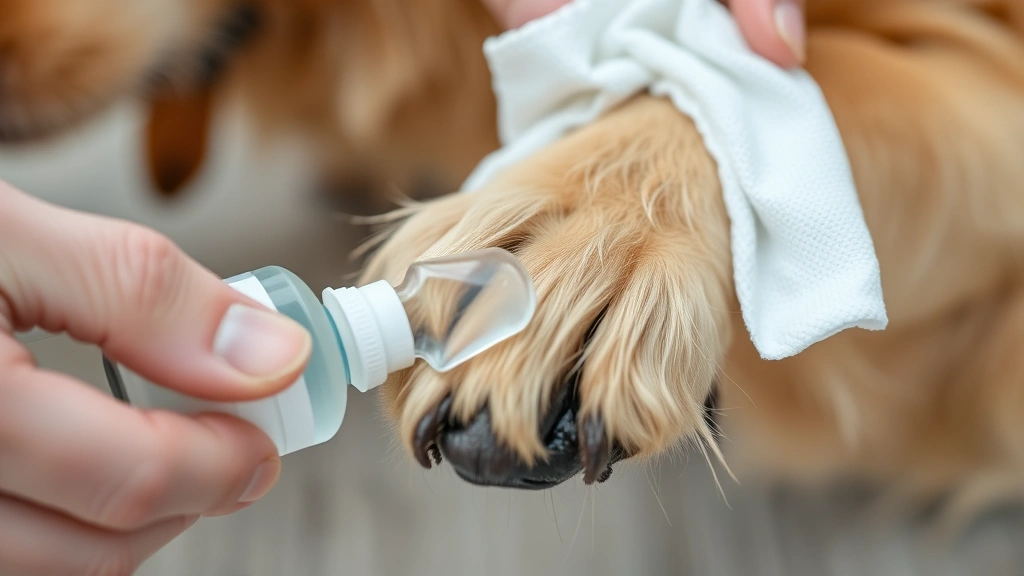
How to Disinfect a Dog Wound: Expert Tips for Pet Parents
Nobody wants to see their furry best friend hobbling around with an open wound. Whether your pup got into a scuffle with another dog, scraped themselves on a fence, or suffered an injury during playtime, knowing how to properly disinfect a dog wound can mean the difference between a quick recovery and a complicated infection. As a responsible pet parent, having the right knowledge and supplies on hand isn’t just helpful—it’s essential.
The good news? Disinfecting a dog wound at home is absolutely doable, and in many cases, it’s the first line of defense against infection. However, there’s more to it than just grabbing whatever antiseptic you have in your bathroom cabinet. Different wounds require different approaches, and using the wrong products could actually make things worse. Let’s dive into the comprehensive guide that’ll have you feeling confident handling minor to moderate wounds like a pro.
In this article, we’ll walk you through everything from initial assessment to proper disinfection techniques, the products that actually work, and when it’s time to call in the veterinary professionals. Your pup’s health and comfort depend on it!
Assessing Your Dog’s Wound
Before you even think about disinfection, you need to properly assess what you’re dealing with. Take a deep breath, stay calm, and examine the wound carefully. Your dog will pick up on your anxiety, so projecting confidence helps keep them calm too.
First, determine the wound’s severity. Is it a minor scrape, a puncture wound, or something more serious? Minor wounds are typically shallow, have minimal bleeding, and are free from debris. Puncture wounds, on the other hand, are particularly concerning because they can trap bacteria deep under the skin, leading to serious infections.
Look for these warning signs that indicate professional veterinary attention is needed: profuse bleeding that won’t stop after ten minutes of pressure, gaping edges that might need stitches, signs of infection like pus or excessive swelling, or any wound on the face, paw pads, or joints. If your dog was bitten by another animal or if the wound was caused by something rusty or dirty, veterinary care becomes even more critical.
Check the surrounding area for debris like dirt, grass, or gravel. Gently part the fur around the wound to get a better view. If your pup is in extreme pain even with gentle touching, that’s another sign to consult your vet before proceeding with home treatment.
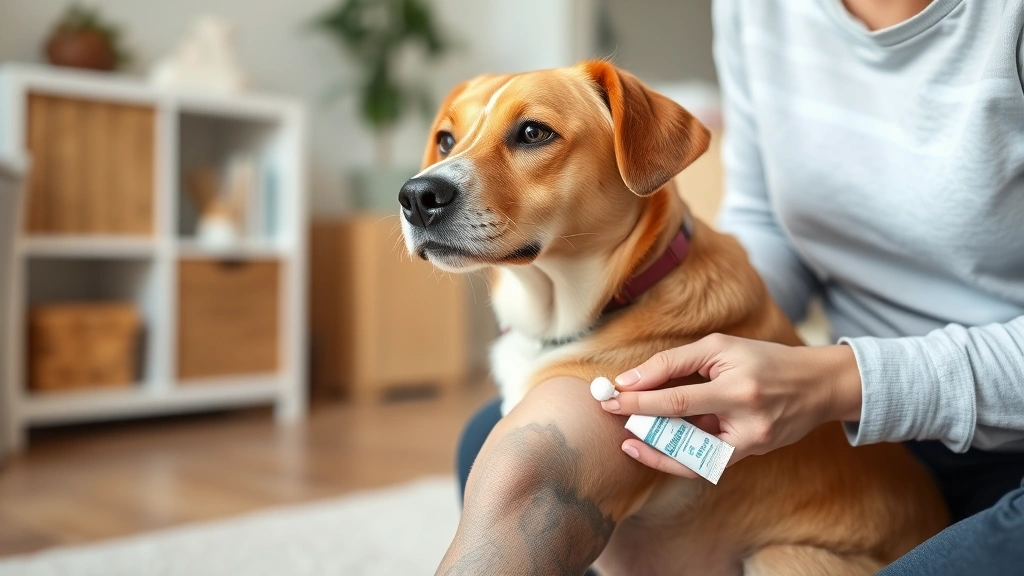
Essential Supplies for Wound Disinfection
Having the right supplies before an emergency happens means you won’t be scrambling or making poor choices under pressure. Here’s what every dog owner should keep in their pet first-aid kit:
- Sterile gauze pads and non-stick pads – Essential for cleaning and protecting the wound
- Saline solution – The gold standard for initial wound cleaning
- Mild soap – Unscented, antibacterial varieties work best
- Soft cloth or clean towel – For gentle drying
- Tweezers – For carefully removing debris if needed
- Antibiotic ointment – Pet-safe options like bacitracin
- Elizabethan collar (cone) – To prevent licking during healing
- Antiseptic wipes – Convenient for quick cleaning
- Hydrogen peroxide or chlorhexidine solution – For more serious cleaning (used carefully)
- Thermometer – To monitor for infection-related fever
Keep all these items in a clearly labeled container so you can find them quickly when needed. Check your supplies periodically to ensure nothing has expired and that you’re well-stocked.
Step-by-Step Disinfection Process
Now let’s get into the actual process of how to disinfect a dog wound. This is where precision and patience pay off.
Step 1: Prepare Your Space and Your Dog
Find a well-lit, calm area where you can work. If possible, have another person help you—one person to comfort and gently restrain your dog while you handle the wound. If your pup is extremely anxious or aggressive about the wound, consider having your vet handle it or using a mild sedative prescribed by your veterinarian.
Step 2: Initial Cleaning
Start by gently flushing the wound with cool saline solution or clean water. This removes loose debris and dirt without introducing harsh chemicals. Use a gentle stream rather than pouring directly, as too much pressure can damage healthy tissue. Let the solution flow freely and catch it with a clean cloth below.
Step 3: Remove Debris Carefully
Using clean tweezers, carefully remove any visible debris like grass, dirt, or hair. Be gentle—this isn’t the time to be aggressive. If debris is stuck and won’t come free easily, more flushing might help. Never force it, as you could damage the wound further.
Step 4: Wash with Mild Soap
Create a gentle cleaning solution by mixing a small amount of unscented, antibacterial soap with warm water. Using a soft cloth or gauze pad, gently wash around the wound in circular motions, working outward from the center. This removes bacteria without being overly harsh. Avoid getting soap directly in the wound itself.
Step 5: Rinse Thoroughly
After washing, rinse the entire area again with saline solution or clean water. You want to remove all soap residue. Pat dry gently with a clean, soft cloth or sterile gauze—never rub, as this can irritate the wound.
Step 6: Apply Disinfectant
This is where many pet owners make mistakes. Before you reach for that bottle of hydrogen peroxide, read our guide on whether you can use peroxide on dogs, as the answer might surprise you. For most minor wounds, a pet-safe antibiotic ointment is your best bet. Apply a thin layer directly to the wound.
Step 7: Apply Bandaging if Necessary
For wounds that are actively bleeding or in areas your dog will lick, apply a sterile non-stick pad secured gently with gauze or pet-safe tape. Change bandages daily or whenever they become wet or dirty.

Safe Products to Use on Dog Wounds
Not all disinfectants are created equal when it comes to your dog’s health. Here are the products that veterinarians actually recommend:
Saline Solution (0.9% sodium chloride)
This is the MVP of wound care. Saline solution is gentle, effective, and won’t harm your dog’s skin or tissues. It’s perfect for initial flushing and cleaning. You can purchase pre-made bottles or make your own by mixing one teaspoon of salt with one cup of boiled, cooled water.
Bacitracin Ointment
Unlike some antibiotic ointments, bacitracin is generally safe for dogs when used topically on minor wounds. It helps prevent bacterial growth without the risks associated with other products. A thin layer is all you need—more isn’t better.
Chlorhexidine Solution (0.05%)
This is a veterinary-approved antiseptic that’s particularly effective against a broad spectrum of bacteria. It’s stronger than saline but gentler than hydrogen peroxide. Many vets recommend it for wound disinfection. Always use the diluted veterinary-grade version, never the concentrated form.
Betadine (Povidone-Iodine) – With Caution
Betadine can be used on dog wounds, but only in diluted form and not on large areas. It’s particularly useful for puncture wounds. Dilute it to a light amber color—it should look like weak tea. Never use the full-strength solution, as it can damage healthy tissue and cause irritation.
Want to know more about a specific product? Check out our article on whether Neosporin is safe for dogs to learn why some common over-the-counter products might not be your best choice.
Products to Avoid
Just as important as knowing what to use is knowing what absolutely should not go on your dog’s wound:
- Full-strength hydrogen peroxide – While diluted versions might be acceptable under vet guidance, the standard 3% solution can damage healthy tissue and isn’t recommended for routine wound care
- Alcohol or rubbing alcohol – Far too harsh and can cause tissue damage and pain
- Iodine (full strength) – Can cause irritation and allergic reactions in some dogs
- Neomycin-containing products – Many dogs develop allergic reactions to this antibiotic
- Products with topical anesthetics like benzocaine – These can cause systemic toxicity in dogs
- Essential oils – Toxic to dogs even in small amounts
- Vinegar – Not sterile and can sting open wounds
- Turmeric paste – While trendy, it’s not proven effective and can stain and irritate
When in doubt, stick with saline solution and contact your veterinarian before applying anything else.
Aftercare and Monitoring
Disinfecting the wound is just the beginning. Proper aftercare determines whether your dog heals quickly or develops complications.
Prevent Licking and Chewing
This is huge. Your dog’s instinct is to lick their wound, but this introduces bacteria and prevents healing. An Elizabethan collar (cone) is your best friend here. Yes, your pup will hate it, but it’s essential. If your dog is determined to reach the wound, consider dog-safe bandaging or even a recovery suit.
If you’re wondering why your dog is so obsessed with licking, our guide on why dogs lick their paws offers some interesting insights into this behavior.
Keep the Area Clean and Dry
Change bandages daily if your dog has them. Watch for signs of moisture, which can promote bacterial growth. If your dog goes outside, try to keep the wound dry. Some owners use plastic wrap or waterproof bandaging for outdoor time, but make sure air can still circulate.
Monitor for Signs of Infection
Check the wound daily for increased redness, swelling, warmth, discharge (especially pus), or a foul smell. These are all red flags. Also monitor your dog’s behavior—lethargy, fever, or loss of appetite can indicate infection spreading.
Proper Nutrition Supports Healing
A high-quality diet rich in protein helps your dog’s body repair damaged tissue. Consider adding omega-3 supplements or foods like salmon, which have natural anti-inflammatory properties. Always consult your vet before making dietary changes.
Gradual Activity Restriction
Depending on the wound’s location and severity, limit your dog’s activity during healing. Excessive running and jumping can reopen wounds or prevent proper healing. Short, controlled walks are usually fine, but rough play should be off-limits.
When to Seek Veterinary Care
Some wounds require professional attention, and recognizing when to call your vet can prevent serious complications:
- Deep wounds or those with gaping edges – These likely need stitches and professional wound assessment
- Puncture wounds – These are infection risks and should always be evaluated by a vet
- Wounds from animal bites – Especially from unknown animals, as rabies concerns and serious bacterial infections are possible
- Wounds showing signs of infection – Increasing redness, pus, swelling, or warmth warrant immediate attention
- Wounds on the face, eye area, or paw pads – These require specialized care to prevent complications
- Wounds that won’t stop bleeding after 10-15 minutes of pressure – This indicates a vessel issue that needs professional care
- Your dog’s tetanus vaccination isn’t current – Ask your vet about a booster, especially for dirty wounds
- You’re unsure about the wound’s severity – When in doubt, it’s always better to have a professional assess it
Your veterinarian has access to professional-grade disinfectants, wound-flushing systems, and diagnostic tools that can identify infections before they become serious. They can also prescribe antibiotics if needed. For comprehensive information on healing, check out our detailed guide on how to heal a dog wound fast at home.
If your dog has developed secondary skin issues from the wound or surrounding area, learn about what causes hot spots on dogs, as these can develop if wounds aren’t properly managed.
Frequently Asked Questions
Can I use regular tap water to clean my dog’s wound?
While tap water isn’t ideal, it’s better than nothing in an emergency. However, saline solution is preferred because it’s sterile and won’t introduce bacteria or chemicals like chlorine. If using tap water, let it run for several seconds first, and use cooled boiled water if possible. For routine wound care, invest in saline solution—it’s inexpensive and essential for any pet first-aid kit.
How often should I change my dog’s wound bandage?
Change bandages at least once daily, more frequently if they become wet, dirty, or soiled. Some veterinarians recommend changing them twice daily for the first few days. Each time you change the bandage, gently clean the wound using the same process outlined above. If the bandage sticks to the wound, use saline solution to gently loosen it rather than ripping it off.
Is it normal for a wound to have some discharge?
A small amount of clear or slightly yellow discharge is normal as part of the healing process—this is actually the body’s way of flushing out bacteria. However, thick, green, or foul-smelling discharge indicates infection and requires veterinary attention. Also, excessive discharge that soaks through bandages quickly is concerning.
How long does it typically take for a dog wound to heal?
Minor wounds often show significant improvement within 5-7 days and can heal completely in 2-3 weeks. Deeper wounds may take 4-6 weeks or longer. The timeline depends on the wound’s depth, location, your dog’s age and health, and whether infection develops. Always follow your vet’s specific guidance for your dog’s situation.
Can I use human antibiotic ointments on my dog?
Some human antibiotic ointments are safe for dogs, but others aren’t. Neomycin, for example, commonly causes allergic reactions in dogs. Bacitracin is generally safe, but it’s better to use products specifically formulated for pets. When in doubt, consult your veterinarian or use a vet-recommended product.
What should I do if my dog won’t stop licking their wound?
An Elizabethan collar is the most effective solution. While your dog may seem miserable wearing it, it’s essential for preventing infection and allowing proper healing. Alternatively, some owners use recovery suits or bandaging, but these must still allow air circulation. Never apply bitter-tasting products as punishment—this increases stress and doesn’t address the underlying behavior.
Should I use heat or cold therapy on my dog’s wound?
Cold therapy (ice packs) can help reduce swelling and inflammation immediately after injury, applied for 10-15 minutes at a time. However, don’t apply ice directly to skin—wrap it in a cloth first. After the initial 24-48 hours, warm compresses can improve circulation and promote healing, but only if infection isn’t present. Always consult your vet before applying heat or cold therapy.
Can I give my dog over-the-counter pain relievers for wound pain?
Never give your dog human pain relievers like ibuprofen or acetaminophen—these can be toxic. Some dogs benefit from NSAIDs like carprofen, but these must be prescribed by a veterinarian. Your vet can assess your dog’s pain level and recommend appropriate pain management, which might include prescription medications or other strategies.





