
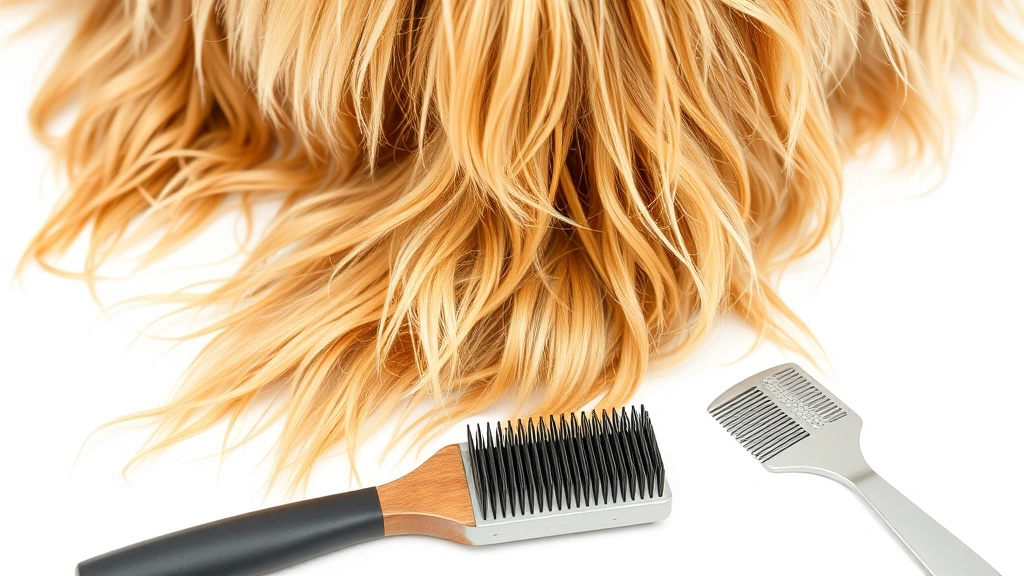
How to Get Mats Out of Dog Hair: Expert Tips for a Healthy, Tangle-Free Coat
If you’re a dog owner, you’ve probably discovered those pesky tangles lurking in your pup’s fur at some point. Mats aren’t just an aesthetic issue—they can cause serious discomfort, skin irritation, and even lead to infections if left untreated. Whether you have a long-haired Golden Retriever or a curly-coated Doodle, knowing how to get mats out of dog hair is an essential skill that’ll save you time, money, and your furry friend from unnecessary suffering.
The good news? With the right techniques, tools, and a little patience, you can tackle most mats at home. This comprehensive guide will walk you through everything you need to know about mat removal, prevention strategies, and when it’s time to call in the professionals. Let’s dive into the nitty-gritty of keeping your dog’s coat in pristine condition.
Matting is one of the most common grooming challenges dog owners face, especially during shedding season or when regular maintenance gets overlooked. Understanding the root causes and having a solid action plan will help you maintain your dog’s coat health and comfort year-round.
Understanding Dog Mats: What You Need to Know
Before you can effectively tackle matting, it’s important to understand what mats actually are and why they form. A mat is a tightly tangled clump of hair that has become compressed and knotted together. Unlike simple tangles that can be brushed out, mats are densely packed and often reach down to the skin.
Mats form when loose hair wraps around existing strands and tightens over time. This process is accelerated by moisture, friction, and lack of regular brushing. When your dog goes for a swim or gets caught in the rain, the wet hair is more prone to tangling. Similarly, areas where your dog frequently rubs—like behind the ears or under the collar—are mat hotspots.
The American Kennel Club notes that certain coat types are more susceptible to matting than others. Double-coated breeds and dogs with curly or wavy hair are particularly vulnerable. Understanding how to stop dog shedding can also help reduce the loose hair that contributes to mat formation in the first place.
Beyond comfort, mats can harbor bacteria and parasites, creating an ideal environment for skin infections. They can also restrict blood circulation and cause painful pulling on the skin. This is why regular mat removal isn’t just about appearance—it’s about your dog’s health and wellbeing.
Essential Tools for Mat Removal
Having the right tools makes all the difference when learning how to get mats out of dog hair. Here’s what you’ll want in your grooming arsenal:
- Slicker Brush: This flat brush with short, fine wires is excellent for working through mats and tangles. The closely spaced wires can penetrate deep into the coat.
- Metal Comb: A wide-tooth metal comb helps you identify mats and work through them systematically. It’s also great for checking if you’ve fully removed a mat.
- Mat Splitter or Dematting Tool: This specialized tool has sharp blades that cut through mats without damaging the surrounding coat. It’s invaluable for stubborn tangles.
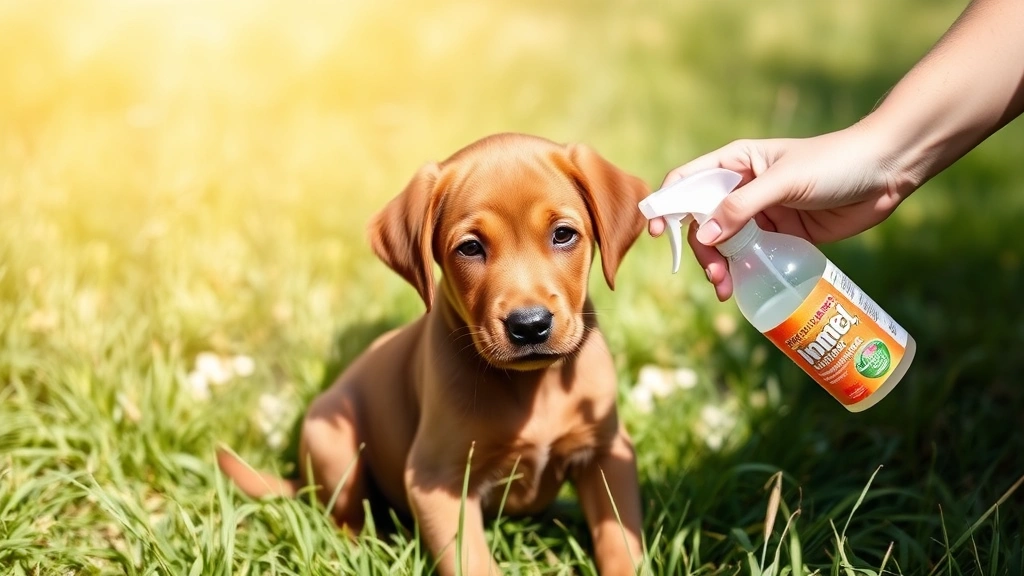
- Detangling Spray: A good detangling product helps loosen mats and makes them easier to work through. Look for products specifically formulated for dogs.
- Dog Scissors: Blunt-tipped grooming scissors are safer than regular scissors and help you trim away severely matted sections if necessary.
- Pin Brush: This brush has longer wires spaced further apart and works well for maintenance between mat removal sessions.
Investing in quality tools pays dividends. Cheap brushes often break or bend, making the job frustrating and ineffective. Professional-grade tools might cost more upfront, but they’ll last years and make grooming sessions more pleasant for both you and your pup.

Step-by-Step Mat Removal Techniques
Now that you understand mats and have your tools ready, let’s walk through the actual removal process. Patience is key here—rushing can hurt your dog and damage their coat.
The Gentle Approach for Small Mats
For minor tangles and small mats, start with the gentlest method:
- Apply detangling spray generously to the matted area and let it soak for a few minutes.
- Using your fingers, gently try to separate the mat into smaller sections. Work slowly and carefully.
- Switch to a metal comb and gently comb through, starting at the edges of the mat and working inward.
- Once the mat is loose enough, use your slicker brush to smooth out the remaining tangles.
- Work your way through the coat systematically, checking for additional mats as you go.
The Mat Splitter Method for Stubborn Tangles
For larger, more resistant mats, a mat splitter becomes necessary:
- Spray the mat thoroughly with detangling solution.
- Hold the mat splitter at an angle and carefully slice through the middle of the mat, cutting from the outer edge toward the skin (but never touching the skin itself).
- Work in multiple directions to break the mat into smaller pieces.
- Use your slicker brush and comb to work out the loosened pieces.
- Continue this process until the mat is completely removed.
Bathing as Part of the Process
Many dog owners don’t realize that proper bathing can help with mat removal. If you’re giving your dog a bath, apply conditioner to matted areas before washing. The conditioning treatment can help loosen mats, making them easier to remove afterward. However, never bathe a dog with severe mats, as water can tighten them further.
The ASPCA provides detailed guidance on proper dog grooming techniques that can prevent and address matting issues.
Prevention Strategies to Keep Mats Away
As the saying goes, an ounce of prevention is worth a pound of cure. Preventing mats is far easier than removing them, so establish these habits early:
Regular Brushing Schedule
The most important prevention strategy is consistent brushing. Here’s what works best:
- Brush your dog at least 3-4 times per week, or daily if they have a long or curly coat.
- Brush all the way down to the skin, not just the surface coat. Mats often hide underneath the topcoat.
- Pay special attention to high-friction areas: behind ears, under the collar, armpits, and the rear end.
- After outdoor activities, especially in wet conditions, always brush your dog thoroughly.
Post-Activity Care
Your dog’s lifestyle affects matting risk. After swimming, rolling in grass, or playing outside, take time to brush them out. This prevents loose hair from tangling and mats from forming.
Professional Grooming
Even with excellent home care, professional grooming sessions every 6-8 weeks provide deep cleaning and maintenance that’s hard to replicate at home. When you visit a groomer, ask about their grooming rates and services to ensure they include thorough mat prevention care. Knowing proper dog grooming techniques can also help you maintain your pup’s coat between professional visits.
Conditioning and Coat Care
A healthy coat is less prone to matting. Use a quality dog conditioner after bathing, and consider omega-3 supplements to improve coat quality. Proper nutrition directly impacts your dog’s fur health.
Breed-Specific Matting Considerations
Different breeds have different coat types, and each requires specific matting prevention strategies.
Double-Coated Breeds
Breeds like Golden Retrievers, German Shepherds, and Huskies have two coat layers. During shedding season, the undercoat sheds heavily and can mat easily. Use an undercoat rake or de-shedding tool specifically designed for these breeds. These tools remove loose undercoat before it has a chance to tangle.
Curly and Wavy-Coated Dogs
Doodles, Poodles, and similar breeds are mat magnets. Their curly coats require daily brushing and more frequent professional grooming. Consider a shorter clip style if matting becomes unmanageable.
Long-Haired Breeds
Shih Tzus, Malteses, and Afghan Hounds need daily attention. Their long hair is more prone to tangling, so consistent, thorough brushing is non-negotiable.
Short-Haired Breeds
While short-haired dogs rarely develop severe mats, they’re not immune. Areas where skin folds or where the collar sits can still mat, especially in senior dogs.
When to Call a Professional Groomer
Sometimes mats get beyond what you can safely handle at home. Here’s when it’s time to call a professional:
- Severe matting: If mats cover large areas of your dog’s body or are extremely tight and close to the skin, a groomer has specialized tools and experience to handle them safely.
- Matted paws and face: These sensitive areas require professional precision to avoid injury.
- Senior dogs: Older dogs have more sensitive skin and less patience for grooming. Professionals can work more efficiently.
- Behavioral issues: If your dog won’t sit still or becomes anxious during grooming, a groomer trained in handling nervous dogs can help.
- Skin irritation: If you notice redness, sores, or signs of infection beneath mats, see a vet or groomer immediately.
Professional groomers have access to high-velocity dryers and specialized dematting solutions that aren’t available to the average pet owner. Don’t hesitate to seek professional help—it’s an investment in your dog’s health and comfort.
Frequently Asked Questions
Is it okay to cut out mats with regular scissors?
Regular scissors are dangerous around dogs because they can easily slip and cut skin. Always use blunt-tipped grooming scissors specifically designed for dogs, and even then, be extremely careful. When in doubt, use a mat splitter instead, or consult a professional groomer.
Can I prevent mats by bathing my dog frequently?
While regular bathing is good for your dog’s skin health, frequent bathing alone won’t prevent mats. In fact, bathing without proper brushing beforehand can tighten existing mats. The key is consistent brushing combined with occasional professional grooming. Learn more about how to give your dog a bath properly to minimize matting risk.
What’s the difference between a mat and a tangle?
Tangles are loose knots that can usually be brushed out with a regular brush or comb. Mats are tightly compressed clumps of hair that won’t brush out and require specialized removal techniques. Addressing tangles immediately prevents them from developing into mats.
Are certain seasons worse for matting?
Yes, spring and fall when dogs shed their coats are particularly prone to matting. During these times, increase your brushing frequency and be especially vigilant about maintenance. Shedding season coincides with seasonal mat problems, so understanding how to stop dog shedding can help minimize matting during these periods.
Can I use human detangler on my dog?
No, always use products specifically formulated for dogs. Human detanglers often contain ingredients that can irritate a dog’s skin or be toxic if ingested. Dog-specific detangling sprays are pH-balanced for canine skin and completely safe.
How long does mat removal take?
This depends on the severity and number of mats. Small, fresh mats might take 15-30 minutes. Severe matting covering large areas can take several hours. Professional groomers may need to do this in stages to avoid stressing the dog or damaging the coat.
Will removing mats hurt my dog?
If done gently and carefully, mat removal shouldn’t hurt. However, mats that are very close to the skin can be uncomfortable when being worked out. Never pull or yank—work slowly and use detangling products to make the process as comfortable as possible. If your dog seems in pain, stop and consult a professional.
Is there a best time of day to remove mats?
Choose a time when your dog is calm and relaxed, not excited or energetic. Some dogs do better after a walk when they’ve burned off energy. Pick a quiet time with minimal distractions so your pup can remain still.
The American Kennel Club offers comprehensive grooming advice for different breeds and coat types. Additionally, veterinary resources from Washington State University provide evidence-based information on dog skin and coat health, and PetMD’s grooming guide offers practical tips from veterinary professionals.
Can I prevent mats by shaving my dog’s coat short?
A shorter clip style dramatically reduces matting risk, especially for breeds prone to tangles. Many owners of curly-coated breeds opt for regular short clips to minimize grooming needs. However, some dogs need their full coats for temperature regulation, so discuss this option with your vet or groomer based on your dog’s breed and lifestyle.





