
How to Help My Dog Poop: A Simple Guide
Let’s face it—as dog parents, we spend an embarrassing amount of time thinking about our furry friend’s bathroom habits. Whether your pup is struggling with constipation, seems uncomfortable, or just isn’t going as regularly as they should, it’s enough to make any dog lover worry. The good news? There are plenty of practical, evidence-based strategies to help your dog maintain healthy bowel movements and feel their best.
Digestive health is a cornerstone of your dog’s overall wellbeing. When your canine companion can’t poop comfortably or regularly, it affects their mood, energy levels, and quality of life. Understanding what’s normal, what might be problematic, and how to naturally support your dog’s digestive system can transform their comfort and your peace of mind.
In this comprehensive guide, we’ll explore everything from dietary adjustments to exercise routines, hydration strategies, and when it’s time to call your vet. Think of this as your go-to resource for keeping your pup’s digestive system running smoothly.
Understanding Your Dog’s Bathroom Basics
Before we dive into solutions, let’s establish what’s normal. Most healthy dogs poop once or twice daily, though some may go three times depending on their age, size, and diet. Puppies typically need more frequent bathroom breaks, while senior dogs might have slightly different patterns. The consistency should be firm but not hard—think of the texture of a chocolate bar that’s been left in a cool room.
Your dog’s poop can tell you a lot about their health. Healthy stools indicate a well-functioning digestive system, while changes in frequency, consistency, or appearance can signal underlying issues. This is why paying attention to your dog’s bathroom habits isn’t just about convenience—it’s about proactive health monitoring.
According to the American Kennel Club, constipation in dogs can develop for various reasons, from dietary changes to lack of exercise. Understanding these factors helps you address problems before they become serious.
Dietary Solutions for Healthy Pooping
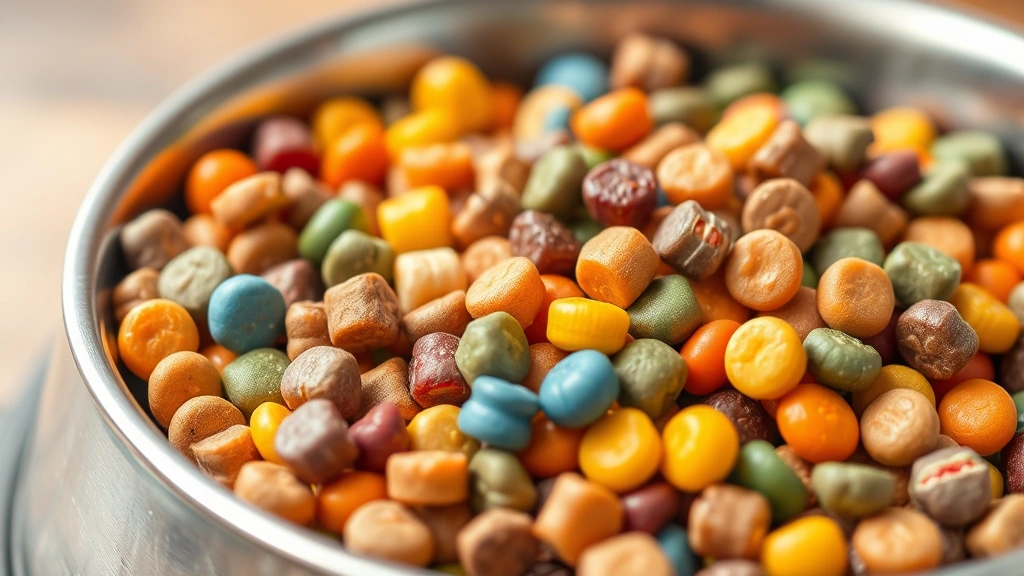
The foundation of digestive health starts in the bowl. What you feed your dog directly impacts their ability to poop regularly and comfortably. Let’s explore the dietary tweaks that can make a real difference.
Fiber Content Matters
Fiber is your secret weapon for promoting regular bowel movements. It adds bulk to stool and helps move things along smoothly. However, balance is crucial—too much fiber can actually cause problems. Pumpkin is particularly effective for digestive support, offering soluble fiber that gently regulates bowel movements. A tablespoon or two mixed into your dog’s regular food can work wonders.
Other fiber-rich options include sweet potatoes, which provide not only fiber but also essential nutrients. Many vets recommend incorporating these foods gradually to avoid digestive upset.
Quality Protein and Digestibility
High-quality, easily digestible proteins support overall gut health. When choosing dog food, look for products with named meat sources (like chicken or beef) rather than vague meat by-products. The better your dog’s food is digested, the more efficient their bathroom routine becomes.
Proper portion sizing is equally important. Overfeeding can lead to digestive sluggishness, while underfeeding may cause nutritional deficiencies. Your vet can help determine the right amount for your individual pup.
Probiotics and Gut Health
A healthy gut microbiome is essential for regular bowel movements. Probiotics—beneficial bacteria that support digestive function—can be game-changers. Many commercial dog foods now include probiotics, or you can add them separately as supplements. The ASPCA acknowledges the importance of gut health in overall canine wellness.
Hydration and Exercise: The Dynamic Duo
You can’t talk about digestive health without addressing hydration and movement. These two factors work together to keep everything flowing smoothly—literally.
Water Intake Optimization
Dehydration is a common culprit behind constipation in dogs. Most dogs should drink about one ounce of water per pound of body weight daily, though this varies based on activity level, diet, and climate. If your pup eats primarily dry kibble, they may need to drink more water than a dog eating wet food.
Make water easily accessible throughout your home. Consider adding a water fountain—many dogs are attracted to moving water and drink more readily from it. You can also add low-sodium broth to water to make it more appealing, or include water-rich foods in their diet.
Exercise and Movement
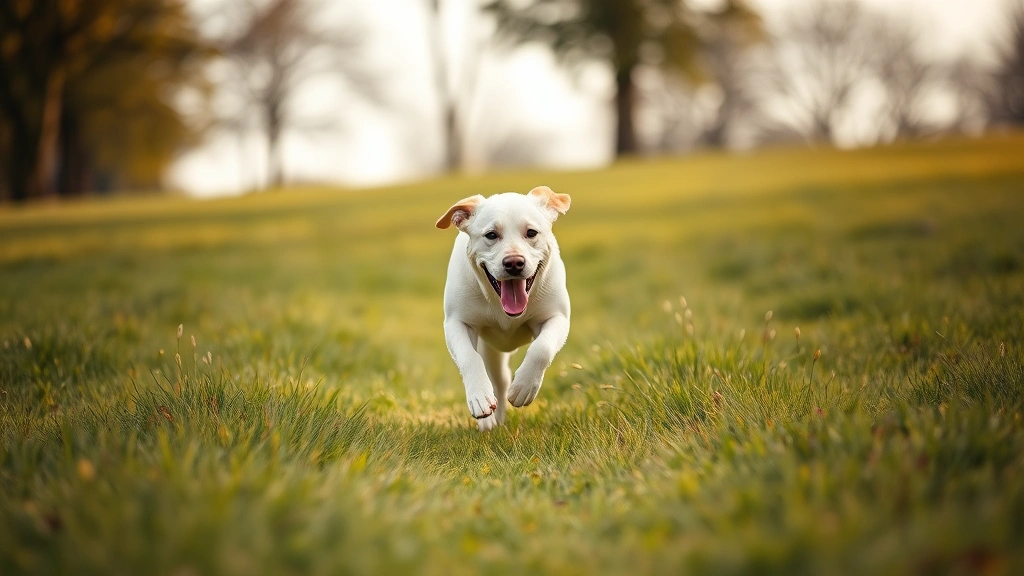
Physical activity is a natural digestive stimulant. Regular walks don’t just provide mental stimulation and muscle tone; they literally massage the digestive tract and encourage bowel movements. Most dogs benefit from at least 30 minutes of moderate exercise daily, though this varies by breed and age.
You might notice your dog naturally needs to poop shortly after exercise—this is completely normal and actually beneficial. The movement gets everything working as it should.
Environmental and Behavioral Factors
Sometimes the issue isn’t dietary or physical—it’s environmental. Dogs can be surprisingly sensitive to changes in their surroundings, which can affect their bathroom habits.
Consistency and Routine
Dogs thrive on routine. Taking your pup out at the same times each day helps regulate their digestive system. Morning walks, midday breaks, and evening bathroom trips create a predictable pattern that their body can anticipate and prepare for.
Stress and Anxiety
Emotional stress can wreak havoc on your dog’s digestive system. Changes like moving to a new home, introducing new pets, or even changes in your own routine can stress your dog out. If you suspect stress is affecting your pup’s bathroom habits, focus on maintaining calm, consistent interactions and familiar routines.
Bathroom Environment
Some dogs are particular about where they poop. Ensure the area is clean, quiet, and familiar. Some pups feel vulnerable during elimination, so providing a calm, private space can help them feel comfortable enough to go.
When to Contact Your Veterinarian
While many constipation issues resolve with simple lifestyle adjustments, certain signs warrant professional veterinary attention. Understanding when to call your vet is crucial for your dog’s health.
Red Flags Requiring Immediate Attention
- No bowel movement for more than 48 hours
- Straining, pain, or distress during elimination
- Hard, dry stools that look like pebbles
- Blood or mucus in stool
- Vomiting or loss of appetite
- Abdominal swelling or tenderness
- Lethargy or unusual behavior changes
These symptoms could indicate serious conditions like intestinal blockages, parasites, or underlying health issues that require professional diagnosis and treatment.
Chronic Issues
If your dog consistently struggles with bowel movements despite dietary and lifestyle changes, it’s time for a vet visit. Chronic constipation can indicate conditions ranging from food sensitivities to more serious digestive disorders. Your veterinarian can perform appropriate testing and recommend specialized treatment.
Natural Remedies and Supplements
Beyond dietary changes, several natural approaches can support healthy bowel function. Always discuss these with your vet before starting, especially if your dog is on medications.
Olive Oil and Coconut Oil
A small amount of olive oil or coconut oil mixed into food can act as a natural lubricant for the digestive tract. Start with just a teaspoon for small dogs and a tablespoon for larger breeds, as too much can cause loose stools.
Bone Broth
Bone broth is nutrient-dense and promotes gut health. It’s also incredibly palatable, making it an easy addition to meals. Make sure it’s prepared without onions or garlic, which are toxic to dogs.
Psyllium Husk
This soluble fiber supplement can be mixed into food to promote regular bowel movements. It’s gentle and effective, though it requires adequate water intake to work properly. According to Veterinary Partner, fiber supplements should be introduced gradually.
Addressing Related Issues
Sometimes constipation is connected to other behavioral or dietary issues. If you’ve noticed your dog eating dirt, this could indicate nutritional deficiencies or digestive upset. Similarly, excessive paw licking can sometimes signal digestive discomfort or anxiety.
Prevention of Diarrhea
While we’re focused on constipation, it’s worth noting that the opposite problem—diarrhea—is equally important to address. Learn more about how to stop dog diarrhea to maintain optimal digestive balance.
Frequently Asked Questions
How long can a dog go without pooping?
Most healthy dogs should poop at least once daily. If your dog hasn’t gone for 48 hours, it’s time to contact your vet. While occasional delays happen, consistent patterns of infrequent pooping suggest an underlying issue that needs attention.
Can I give my dog laxatives?
While over-the-counter laxatives exist for dogs, they should only be used under veterinary guidance. The wrong type or dosage can cause serious problems. Your vet can recommend the safest option for your specific dog and situation.
Is constipation common in senior dogs?
Yes, senior dogs often experience constipation due to decreased activity, changes in metabolism, and sometimes medication side effects. If your older pup is struggling, discuss it with your vet, as they may recommend specific dietary adjustments or supplements.
What foods should I avoid if my dog has constipation?
Avoid high-fat foods, excessive dairy, and foods with low fiber content. Also steer clear of foods toxic to dogs. Some dogs are sensitive to certain proteins or grains, which can contribute to digestive issues.
Can anxiety cause constipation in dogs?
Absolutely. Stress and anxiety can significantly impact digestive function in dogs. If you suspect anxiety is the culprit, focus on creating a calm environment and consider consulting with a professional dog trainer or veterinary behaviorist.
How do I know if my dog’s constipation is serious?
Serious constipation typically involves visible straining, pain, vomiting, or a complete lack of bowel movements for extended periods. If your dog seems uncomfortable or shows any concerning symptoms, seek veterinary care promptly.
Are there breed-specific constipation issues?
Some breeds are more prone to digestive sensitivities, but constipation can affect any dog. Your breed’s specific dietary needs should be discussed with your vet during regular check-ups.





