
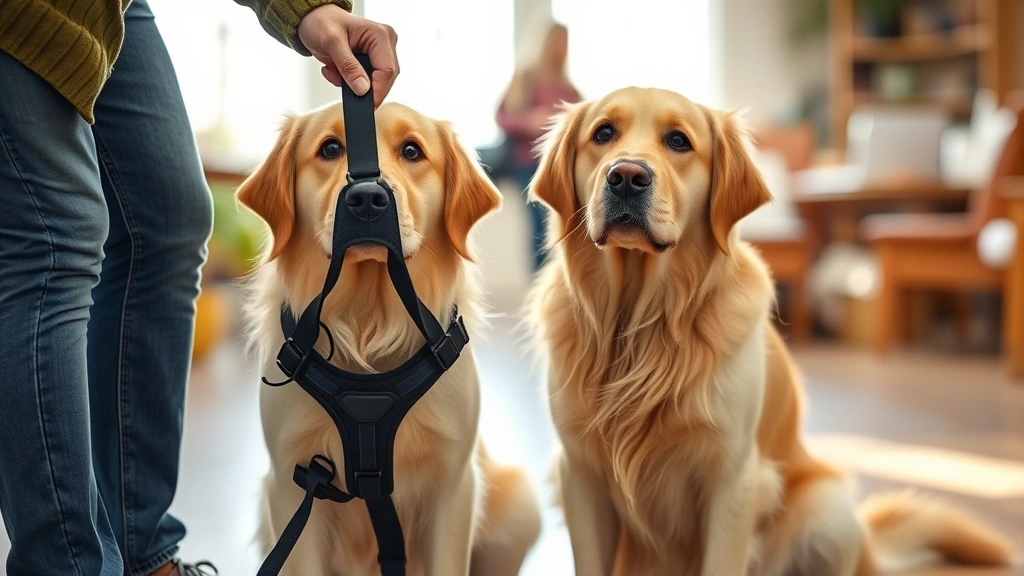
How to Put a Harness on Your Dog: Easy Steps
Let’s face it—getting your furry friend ready for a walk shouldn’t feel like wrestling a octopus. If you’ve ever struggled with tangled straps, confused pups, and the eternal question of “which way does this go?”, you’re not alone. Harnessing your dog properly is one of those skills that seems intimidating at first but becomes second nature once you know the tricks. A well-fitted harness keeps your pup safe, gives you better control during walks, and honestly, makes the whole experience more enjoyable for both of you.
Whether you have a tiny Chihuahua who slips out of everything or a large Golden Retriever with the strength of a small truck, the right harness and proper technique can transform your daily walks. The best part? It’s easier than you think. In this comprehensive guide, we’ll walk you through every step of putting a harness on your dog, from choosing the right type to mastering the perfect fit.
Choosing the Right Harness for Your Dog
Before you can master putting on a harness, you need to pick the right one. There are several types available, each with its own advantages and disadvantages. The three main categories are back-clip harnesses, front-clip harnesses, and dual-clip harnesses.
Back-clip harnesses are the most popular option for casual walks. They’re comfortable, easy to put on, and ideal for well-behaved dogs who don’t pull excessively. The leash attachment is on the dog’s back, which provides a natural walking position. Front-clip harnesses are excellent for dogs that tend to pull, as they redirect your dog’s forward momentum back toward you when they tug. Dual-clip harnesses offer flexibility with attachment points on both the front and back, giving you options depending on your walking situation.
There are also specialized harnesses like no-pull harnesses, vest-style harnesses, and adjustable harnesses designed for specific needs. Consider your dog’s size, strength, temperament, and any behavioral issues when selecting a harness. For dogs with anxiety or those learning proper leash manners, a properly fitted harness with secure attachment points provides both safety and control.
The American Kennel Club recommends considering your dog’s breed characteristics when choosing equipment, as larger breeds and strong pullers may benefit from front-clip designs.
Measuring Your Dog for the Perfect Fit
Getting the right size is absolutely crucial. A harness that’s too loose will slip off, while one that’s too tight can restrict movement and cause discomfort. Here’s how to measure your dog properly:
- Chest measurement: Wrap a soft measuring tape around the widest part of your dog’s chest, just behind the front legs. This is typically your primary measurement.
- Neck measurement: Gently measure around your dog’s neck where the harness neck strap will sit.
- Length: Measure from your dog’s neck down to the base of the tail to determine overall harness length.
- The two-finger rule: Once the harness is on, you should be able to fit two fingers comfortably between the harness and your dog’s body. This ensures it’s snug but not restrictive.
Always refer to the manufacturer’s size chart, as measurements vary between brands. If you’re between sizes, err on the side of the larger size and use the adjustable straps to get a snug fit. Keep in mind that puppies grow quickly, so you may need to adjust or replace their harness as they develop.
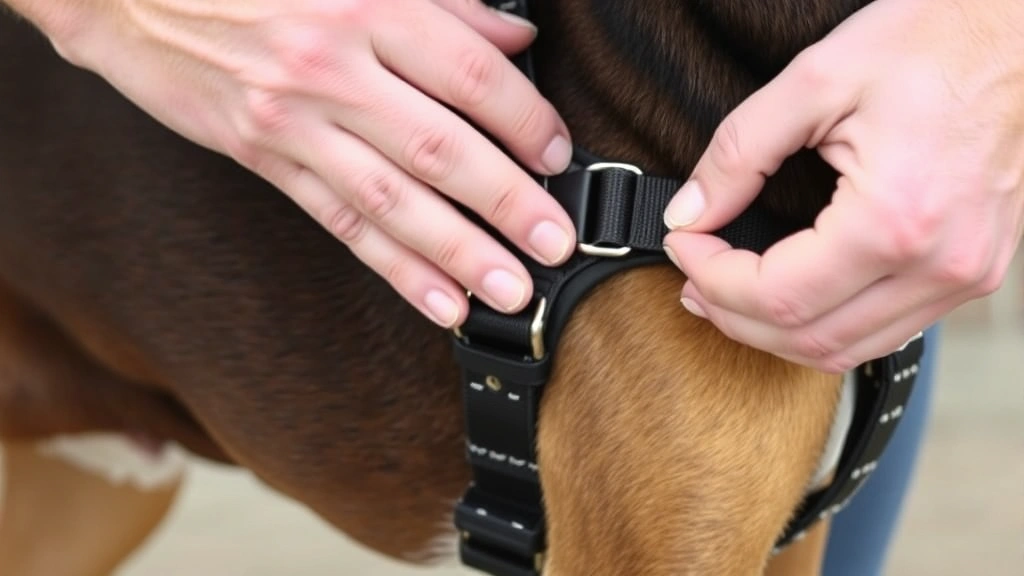
Step-by-Step Guide to Putting on a Harness
Now for the main event! Follow these simple steps to put a harness on your dog like a pro. The process varies slightly depending on your harness type, so check the manufacturer’s instructions first, but this general method works for most back-clip and dual-clip harnesses:
Step 1: Prepare Your Dog
Choose a calm moment and a quiet space where your dog won’t be distracted. Have treats ready as positive reinforcement. Teaching your dog to lay down or sit before harness time can make the process smoother. Use a calm, positive voice and keep the atmosphere relaxed and fun.
Step 2: Position the Harness
Hold the harness in front of you and identify all the straps. Most harnesses have a neck opening and two leg holes. If your harness has left and right sides clearly marked, note which is which. Position the harness so you’re ready to slip it over your dog’s head.
Step 3: Slip It Over the Head
Gently guide your dog’s head through the neck opening. Take your time here—rushing can startle your pup. If your dog is hesitant, break this into multiple small steps and reward them for cooperation. Some dogs respond well to treats held near the harness to encourage them forward.
Step 4: Guide the Front Legs
With the harness around your dog’s neck, gently lift one front leg and guide it through the appropriate leg hole. Repeat with the other front leg. This is where patience really pays off. If your dog is wiggling, take a break and try again in a moment.
Step 5: Secure the Straps
Once both front legs are through the holes, fasten any buckles or clips according to your harness design. Most modern harnesses use quick-release buckles or velcro straps for easy fastening. Make sure all connections are secure before moving forward.
Step 6: Adjust for Comfort
Now comes the crucial fitting step. Tighten the straps so the harness is snug but not constrictive. Remember the two-finger rule—you should be able to slip two fingers under any strap. Check all adjustment points: neck, chest, and belly straps if applicable.
Step 7: Final Check
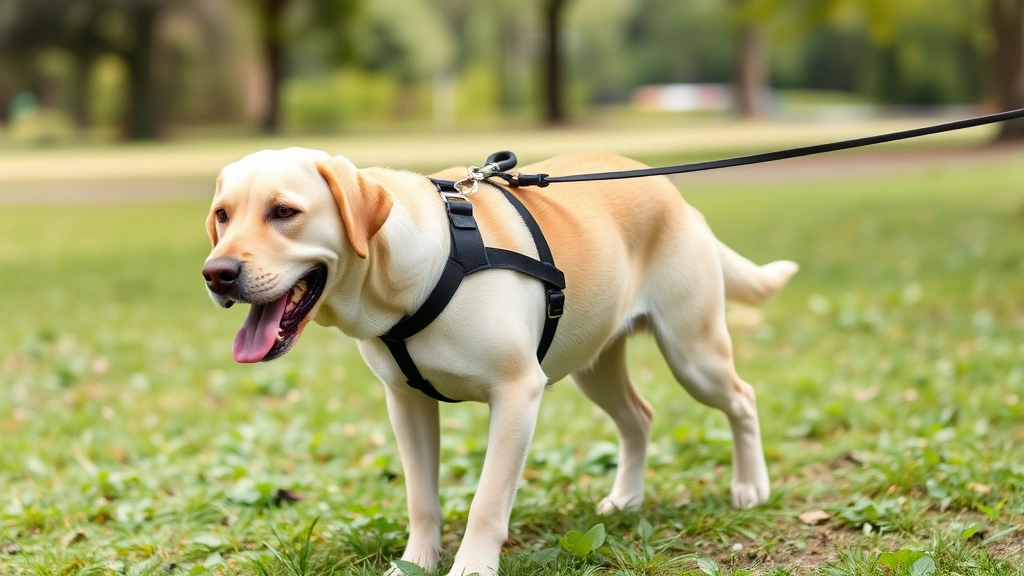
Walk your dog around a bit and observe their movement. They should be able to walk, run, and move naturally without any pinching or restriction. The harness shouldn’t slip when you gently pull on it. If it slides, tighten the straps further.
Common Mistakes to Avoid
Even with good intentions, people often make mistakes when harnessing their dogs. Being aware of these common pitfalls can save you and your pup frustration:
- Using the wrong size: This is the number one mistake. Always measure your dog before purchasing and check the size chart carefully. An ill-fitting harness defeats its entire purpose.
- Over-tightening: Yes, you want it snug, but cutting off circulation isn’t the goal. Your dog should be able to breathe comfortably and move freely. If they’re panting excessively or seem distressed, loosen it up.
- Under-tightening: On the flip side, a loose harness is a harness your dog will escape from. This is especially problematic for escape artists and dogs prone to bolting.
- Incorrect leg placement: Each leg should go through its designated hole. Putting both legs through one hole or skipping a leg entirely compromises the harness’s effectiveness.
- Ignoring signs of discomfort: If your dog is limping, scratching at the harness, or showing signs of irritation, something’s wrong. Check for rubbing, adjust the fit, or consider a different harness style.
- Neglecting regular checks: As your dog grows or their weight changes, their harness may need readjustment. Check the fit monthly to ensure it’s still appropriate.
The ASPCA emphasizes that proper equipment fitting is essential for your dog’s safety during walks and other activities.
Training Your Dog to Love Their Harness
Some dogs take to harnesses immediately, while others need a little encouragement. If your dog is resistant, don’t worry—this is completely normal and very fixable. Here’s how to make harness time something your pup actually looks forward to:
Start with positive associations: Before even attempting to put the harness on, let your dog sniff it and investigate. Offer treats while they’re exploring it. This builds curiosity rather than fear.
Introduce it gradually: On day one, just let them wear it for a few minutes indoors without the leash. Reward them heavily with treats and praise. Gradually increase the duration over several days.
Pair it with something they love: Put the harness on right before walks, playtime, or meals. Your dog will start associating the harness with good things happening.
Use high-value treats: Reserve special, extra-delicious treats for harness time. We’re talking about the good stuff here—freeze-dried chicken, cheese, or whatever makes your dog’s tail wag uncontrollably.
Practice patience and consistency: If you rush the process or show frustration, your dog will pick up on that energy. Keep training sessions short, fun, and positive. Just like introducing a dog to a cat, introducing a harness requires patience and positive reinforcement.
According to VCA Animal Hospitals, positive reinforcement training is the most effective method for helping dogs adjust to new equipment.
Harness Care and Maintenance
Your harness is an investment in your dog’s safety, so taking care of it extends its lifespan and ensures it functions properly:
Regular cleaning: Depending on how often your dog wears the harness and what activities they do, clean it regularly. Most fabric harnesses can be hand-washed with mild soap and water. Check the manufacturer’s instructions for specific guidance.
Inspect for damage: Monthly, check for fraying, broken buckles, worn straps, or any signs of deterioration. A damaged harness is a liability. Replace it if you notice significant wear.
Proper storage: Store your harness in a dry place away from direct sunlight, which can degrade materials over time. A closet shelf or drawer works perfectly.
Check fit regularly: As mentioned earlier, your dog’s size and body composition may change. What fit perfectly three months ago might be too loose or too tight now. Monthly fit checks are a good habit.
Replace as needed: Even with excellent care, harnesses eventually wear out. If your harness is several years old, showing significant wear, or no longer fits properly, it’s time for a replacement. Think of it as preventative maintenance for your dog’s safety.
When it’s time for a new harness, you might want to explore management strategies for active dogs to ensure you’re choosing the right harness type for your pup’s specific needs and energy level.
Frequently Asked Questions
What’s the difference between a harness and a collar?
Collars wrap around the neck and are primarily designed for identification and to attach a leash. Harnesses distribute pressure across the chest and body, making them safer for pulling dogs and providing better control. Harnesses are generally better for daily walks, while collars are great for identification purposes and can be used in conjunction with a harness.
Can I leave a harness on my dog all day?
While it’s not harmful to leave a harness on for extended periods, it’s not ideal. Harnesses can cause matting, chafing, and discomfort if worn constantly. It’s best to put on the harness only when you’re about to go outside and remove it when you’re back home. This also helps your dog distinguish between “indoor time” and “outdoor time.”
My dog keeps trying to slip out of their harness. What should I do?
First, check the fit. Many escape attempts are due to loose harnesses. Tighten the straps, paying special attention to the neck and chest areas. If the fit is correct but your dog still escapes, you may need a different harness style. Some dogs do better with vest-style harnesses or dual-clip designs. Consider consulting with a professional dog trainer for personalized advice.
Is a front-clip or back-clip harness better?
It depends on your dog’s behavior and your needs. Back-clip harnesses are comfortable and great for well-behaved dogs. Front-clip harnesses are superior for dogs that pull excessively because they redirect the dog’s momentum. Many trainers recommend front-clip for strong pullers. You could also invest in a dual-clip harness for maximum flexibility.
How often should I replace my dog’s harness?
With proper care, a quality harness can last several years. Replace it if it shows significant wear, breaks, or no longer fits properly. Puppies may outgrow harnesses quickly, so you might replace theirs more frequently. Check your harness monthly to assess its condition.
Can I wash my dog’s harness in the washing machine?
Check the manufacturer’s instructions first. Some harnesses can go in the washing machine on a gentle cycle, while others should be hand-washed only. Avoid the dryer, as high heat can damage straps and buckles. Air drying is always the safest option.
What if my dog has anxiety about wearing a harness?
Go slow with the introduction process. Let them investigate it first, then practice wearing it indoors for short periods with lots of treats and praise. Some dogs benefit from desensitization training. If anxiety persists, consider consulting a certified dog trainer or veterinary behaviorist who can provide customized strategies.
Should my dog wear both a collar and a harness?
Yes, many pet owners use both. The collar holds identification tags, while the harness provides control and safety during walks. This combination is ideal because your dog’s ID is always accessible, and you have the best control and safety during outdoor activities.





