
How to Size a Dog Harness: A Step-by-Step Guide
If you’ve ever struggled to find a harness that actually fits your furry friend, you’re not alone! A properly sized dog harness is one of the most important investments you can make for your pup’s comfort and safety during walks, hikes, and adventures. Whether you have a tiny Chihuahua or a massive Great Dane, getting the right fit is crucial—too loose and your dog might slip right out, too tight and they’ll be uncomfortable and potentially injured.
The good news? Sizing a dog harness is easier than you might think. With just a few simple measurements and some basic knowledge, you’ll be able to find the perfect harness that keeps your pooch secure and happy. In this comprehensive guide, we’ll walk you through everything you need to know about measuring your dog, understanding harness types, and ensuring a snug, comfortable fit.
Let’s dive into the world of dog harnesses and discover how to keep your four-legged companion safe and secure on every outing!
Why Proper Harness Fit Matters
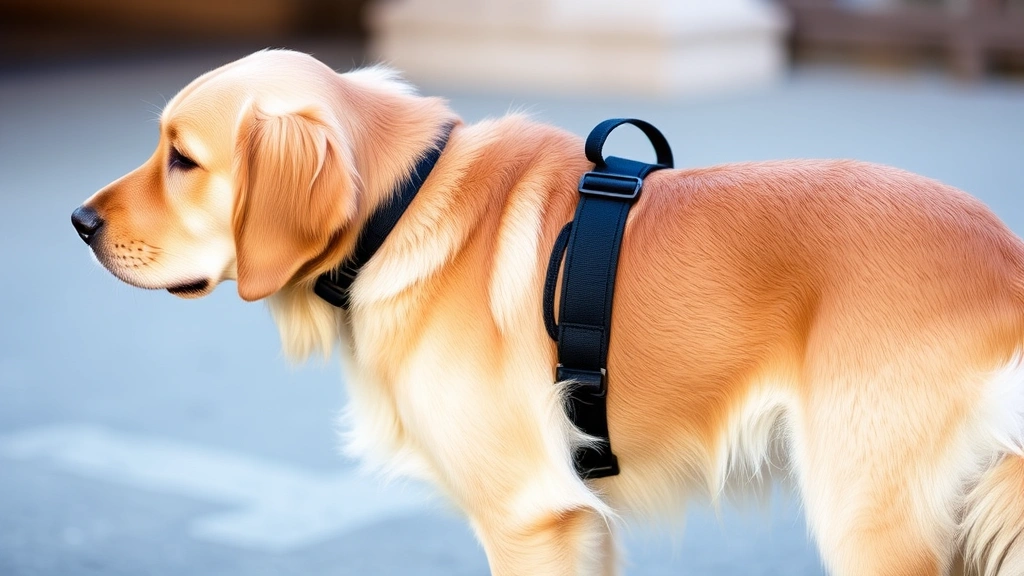
Before we get into the nitty-gritty of measurements, let’s talk about why sizing your dog’s harness correctly is so important. A well-fitted harness distributes pressure evenly across your dog’s chest and shoulders, preventing neck strain and discomfort. Unlike collars, which concentrate force on the neck, harnesses spread the load across a larger area, making them significantly safer for your pup.
An improperly sized harness can lead to serious consequences. A harness that’s too loose allows your dog to wriggle free—a nightmare scenario if you’re on a busy street or near a highway. Conversely, a harness that’s too tight restricts movement, causes chafing, and can actually impede breathing. Both situations put your beloved companion at risk.
According to the American Kennel Club, proper restraint equipment is essential for your dog’s safety during all outdoor activities. A correctly sized harness also makes it easier for you to control your dog during walks, especially if they tend to pull or get excited by other dogs, squirrels, or interesting smells.
[IMAGE_1]
The Complete Measuring Guide
Now that you understand why proper sizing matters, let’s get down to business. Measuring your dog accurately is the foundation of finding the perfect harness. You’ll need a soft measuring tape—the kind used for sewing works perfectly. If you don’t have one, you can use a piece of string and then measure it against a ruler.
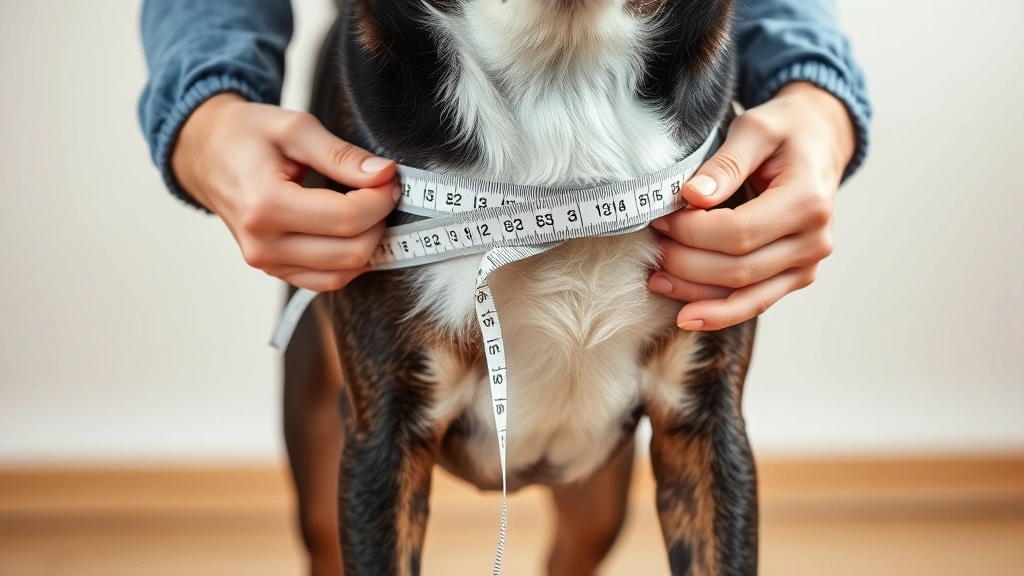
Step 1: Measure the Girth
The girth measurement is the circumference around your dog’s chest, just behind their front legs. This is typically the most important measurement for harness sizing. Have your dog stand naturally, and wrap the measuring tape snugly around their chest—not so tight that you’re compressing their fur, but tight enough that you can’t slide more than one finger underneath the tape. Write this number down; it’s your chest girth measurement.
Step 2: Measure the Neck
Next, measure around your dog’s neck at the base where a collar would sit. Again, keep the tape snug but not restrictive. You should be able to fit one finger comfortably between the tape and your dog’s neck. This measurement helps ensure the harness won’t slip over your dog’s head.
Step 3: Measure the Length
For harnesses that have a back strap, you’ll want to measure the length along your dog’s back from the base of the neck to the base of the tail. This ensures the harness sits properly without causing discomfort or rubbing in sensitive areas.
Step 4: Consider Your Dog’s Build
Every dog is unique! A stocky bulldog might have a larger girth than a lean greyhound of the same weight. Take note of your dog’s body shape—whether they’re barrel-chested, narrow, athletic, or round. This information will help you choose a harness style that accommodates their specific build.
Step 5: Account for Fur Length
If your dog has a thick, fluffy coat, add about half an inch to your measurements. This ensures the harness fits comfortably over their fur without being too loose. Long-haired breeds like Golden Retrievers or Huskies will need slightly roomier harnesses than their short-haired counterparts.
Understanding Different Harness Types
Different harness styles have different sizing considerations. Understanding the various types will help you choose the best option for your dog’s needs and body type.
No-Pull Harnesses
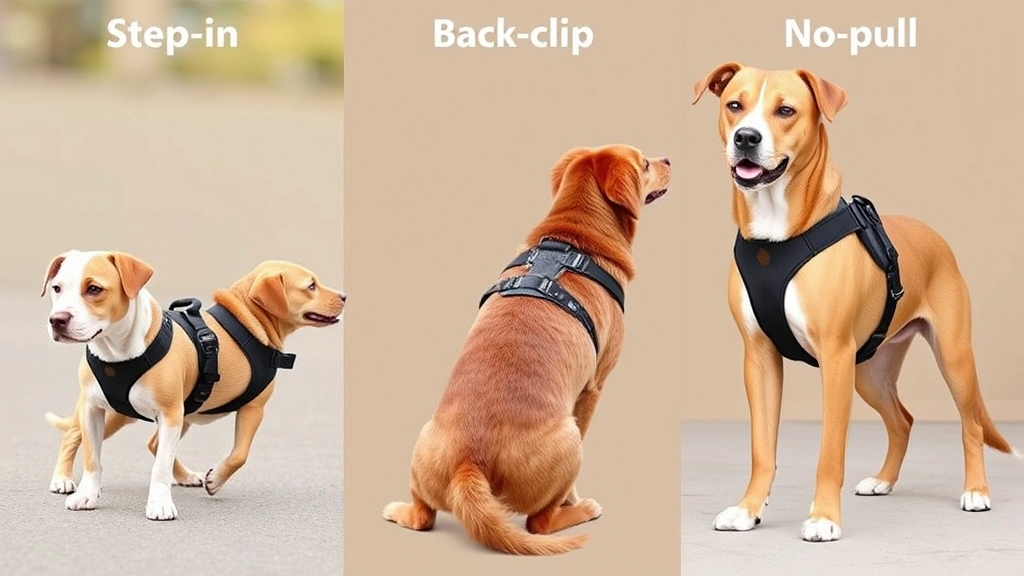
No-pull harnesses feature a front attachment point that discourages pulling by redirecting your dog’s forward momentum. These are excellent for strong pullers and require careful sizing to work effectively. The chest girth measurement is most critical for these models, as they rely on proper positioning to function correctly.
Back-Clip Harnesses
Back-clip harnesses have the leash attachment on the dog’s back. They’re comfortable and great for well-behaved walkers, though they don’t discourage pulling as effectively as front-clip options. These typically require both chest and neck measurements to ensure proper fit.
Vest-Style Harnesses
These harnesses wrap around your dog’s entire torso like a vest. They’re ideal for senior dogs or those with respiratory issues, as they provide excellent weight distribution. Vest harnesses usually require chest girth and sometimes length measurements to ensure complete coverage.
Step-In Harnesses
Step-in harnesses require your dog to step into them like putting on pants. They’re convenient and often preferred by dogs who dislike things pulled over their heads. For step-in styles, you’ll primarily need the chest girth measurement, though some models also consider leg circumference.
The Perfect Fit Checklist
Once you’ve measured your dog and selected a harness, it’s time to ensure it fits perfectly. Before you commit to a purchase, or immediately after receiving your new harness, run through this checklist:
- The Two-Finger Rule: You should be able to slip two fingers (but not three) between the harness and your dog’s body at all points. This ensures it’s snug enough to prevent escape but loose enough for comfort.
- No Rubbing or Chafing: Inspect your dog’s skin after wearing the harness for 15-20 minutes. Look for any red marks, irritation, or hair loss. These signs indicate the harness is too tight or positioned incorrectly.
- Proper Positioning: The harness should sit high on the chest and not slip down toward the belly. It should also not ride up into the armpits, which can restrict movement.
- No Head Slipping: Try gently tugging the harness upward. It shouldn’t slip over your dog’s head when properly fastened. If it does, it’s too loose.
- Comfortable Movement: Your dog should be able to walk, trot, and run naturally without the harness restricting their stride or causing them to limp.
- Secure Fastening: All buckles and straps should be secure and not come undone during activity. Test them by gently pulling on different parts of the harness.
Common Sizing Mistakes to Avoid
Even with the best intentions, it’s easy to make mistakes when sizing a harness. Here are the most common pitfalls and how to avoid them:
Measuring Over Clothes
Always measure your dog directly on their body or over their regular coat of fur. Measuring over a sweater or jacket will result in an oversized harness that won’t fit properly when your dog isn’t wearing extra layers.
Not Accounting for Growth
Puppies grow quickly! If you’re buying a harness for a young dog, don’t just size it perfectly for now. Look for adjustable harnesses that can grow with your pup, or be prepared to purchase a new one within a few months. Our guide on how to care for a dog includes tips on preparing for these changes.
Ignoring Breed-Specific Considerations
Some breeds have unique body shapes that require specific harness styles. Barrel-chested breeds like Bulldogs need wider harnesses, while narrow-chested breeds like Greyhounds need snugger fits. Don’t assume one size fits all.
Forgetting to Test Before Committing
If you’re ordering online, check the return policy. Many retailers allow you to try harnesses and return them if they don’t fit perfectly. Take advantage of this to ensure you get the right fit before making a final decision.
Choosing Based on Color Alone
We all want our pups to look adorable, but fit should always come before fashion. A harness that’s the perfect shade of pink but doesn’t fit properly is worse than a less stylish option that fits like a glove.
Age and Growth Considerations
Your dog’s age plays a significant role in harness sizing and selection. Let’s explore how to handle different life stages.
Puppies
Puppies are growing machines, and their size can change dramatically over weeks or even days. For young pups, consider adjustable harnesses that can expand as they grow. Alternatively, start with a small harness and plan to upgrade as needed. When learning how to put a harness on a dog, puppies often need extra patience and positive reinforcement to get comfortable with the equipment.
Adult Dogs
Once your dog reaches full size (usually between 12-18 months, depending on breed), their measurements should stabilize. This is the ideal time to invest in a high-quality harness that fits perfectly. Adult dogs typically maintain consistent sizing for several years.
Senior Dogs
As dogs age, their muscle mass may decrease and their bodies can shift slightly. Older dogs often benefit from well-padded, comfortable harnesses that minimize strain on aging joints. You may need to re-measure senior dogs occasionally to ensure their harness still fits properly.
Dogs with Medical Conditions
If your dog has arthritis, hip dysplasia, or other medical conditions, consult with your veterinarian about the best harness type and fit. Some dogs benefit from specialized restraint options that provide additional support.
According to the ASPCA, proper equipment is especially important for dogs with mobility issues or health concerns, as it prevents unnecessary strain during walks and outdoor activities.
Frequently Asked Questions
What if my dog is between sizes?
If your measurements fall between two sizes, generally choose the larger option and adjust the straps tighter rather than choosing the smaller size. A harness that’s slightly too large can be adjusted; one that’s too small cannot be expanded safely. Always verify that the two-finger rule still applies with straps tightened to their maximum.
Can I use the same harness as my dog grows?
Adjustable harnesses are designed to grow with your dog to a certain extent, typically accommodating growth within a size range. However, they won’t work for dramatic size changes like a puppy becoming an adult dog. Plan to upgrade harnesses at least once as your pup matures.
How often should I re-measure my dog?
For puppies, measure monthly or whenever you notice the harness fitting differently. For adult dogs, measure every 6-12 months or if you notice any changes in fit. Senior dogs should be measured annually, as their bodies can shift with age.
What’s the difference between a harness and a collar for sizing purposes?
Harnesses require more measurements than collars because they encompass more of your dog’s body. While collars primarily need a neck measurement, harnesses typically require chest girth, neck, and sometimes length measurements. This is why proper harness sizing is more complex but ultimately safer.
My dog hates wearing a harness. Could it be a sizing issue?
Absolutely! An uncomfortable or poorly fitting harness is often the culprit behind harness resistance. Ensure the fit is correct, then gradually acclimate your dog to wearing it with positive reinforcement and treats. If sizing seems correct but your dog still resists, consult your veterinarian or a professional dog trainer.
Are there breed-specific harnesses I should consider?
Yes! Many manufacturers create breed-specific harnesses designed for unique body shapes. Bulldogs, Dachshunds, and Greyhounds all have distinctive builds that benefit from specially designed harnesses. Research your breed’s characteristics when shopping for the perfect fit.
Can a harness be too tight?
Absolutely, and this is a common problem. A harness that’s too tight restricts breathing, causes discomfort, and can lead to skin irritation. If you can’t fit two fingers under the harness straps, it’s too tight. Additionally, watch for signs of discomfort like reluctance to move, panting, or behavioral changes after putting on the harness.
Is it normal for harnesses to need adjustment over time?
Yes, especially for adjustable harnesses. As your dog’s weight fluctuates seasonally or with age, you may need to tighten or loosen straps. Check the fit regularly and make adjustments as needed. This is also true when learning how do you put a harness on a dog correctly—proper technique matters just as much as sizing.
What should I do if my dog loses or gains weight?
Significant weight changes require re-measurement and potentially a new harness. If your dog gains weight, they may need a larger size. If they lose weight, a smaller harness might be necessary for safety. Don’t assume your current harness will still fit properly after major weight changes.
Can I use a harness immediately after purchasing it?
After purchasing a new harness, give your dog time to adjust to it. Start with short periods indoors, offering treats and praise to create positive associations. Once your dog is comfortable wearing it indoors, try short walks before graduating to longer outings. This gradual introduction helps prevent anxiety or resistance.
Are there any health concerns related to improper harness sizing?
According to Veterinary Partners, improperly fitted harnesses can cause shoulder strain, restrict breathing, cause skin irritation, and contribute to behavioral issues. Ensuring proper fit is essential for your dog’s physical and mental well-being. If you notice any signs of discomfort or health concerns, consult your veterinarian immediately.
Should I consider my dog’s activity level when sizing?
Activity level doesn’t directly affect sizing, but it does influence which harness style you should choose. Highly active dogs benefit from secure, well-fitting harnesses with front-clip options to manage pulling. Less active dogs might do well with simpler back-clip designs. Regardless of activity level, proper sizing is always critical.
Taking the time to properly size your dog’s harness is one of the best investments you can make in their safety and comfort. With accurate measurements, understanding different harness types, and knowing what to look for in a proper fit, you’ll find the perfect harness for your furry friend. Remember, when it comes to harness sizing, there’s no such thing as being too careful. Your dog’s safety depends on it!
For additional guidance on equipment and care, don’t forget to explore our comprehensive resources on how to put harness on dog and general dog care tips. And if you’re curious about other aspects of dog health and safety, check out our article on are bully sticks safe for dogs.
Happy harness shopping, and here’s to many safe, comfortable walks with your beloved companion!





