
How to Size a Dog Harness: Expert Guide
Finding the perfect harness for your furry friend isn’t just about aesthetics—it’s about comfort, safety, and ensuring your pup stays secure during adventures. A poorly fitted harness can lead to chafing, escape attempts, and even injury, while the right one becomes your dog’s trusted companion on walks, hikes, and car rides. Whether you’re a first-time dog owner or upgrading your current setup, understanding how to properly size a dog harness is essential knowledge that every pet parent should master.
The process might seem daunting at first, but sizing a harness is actually straightforward once you know what measurements matter and how to take them accurately. In this comprehensive guide, we’ll walk you through every step of the process, from understanding different harness types to ensuring a perfect fit that keeps your canine companion comfortable and secure.
Understanding Different Harness Types
Before you can properly size a harness, you need to understand the various styles available. Each type serves different purposes and may have different sizing considerations. The three most common harness types are back-clip, front-clip, and no-pull harnesses, each with unique benefits and fitting requirements.
Back-clip harnesses are the traditional choice and distribute pressure evenly across your dog’s chest and back. These are ideal for well-behaved dogs who don’t pull excessively. Front-clip harnesses feature an attachment point on the chest, which naturally redirects your dog’s forward momentum when they pull, making them excellent for training purposes. No-pull harnesses combine elements of both and often feature additional straps for maximum control.
Some specialty harnesses include step-in varieties, which slip over your dog’s head and legs like a shirt, and vest-style harnesses that provide maximum comfort for senior dogs or those with anxiety. Understanding which type suits your lifestyle is the first step before learning how to size a dog harness properly.
Taking Accurate Measurements
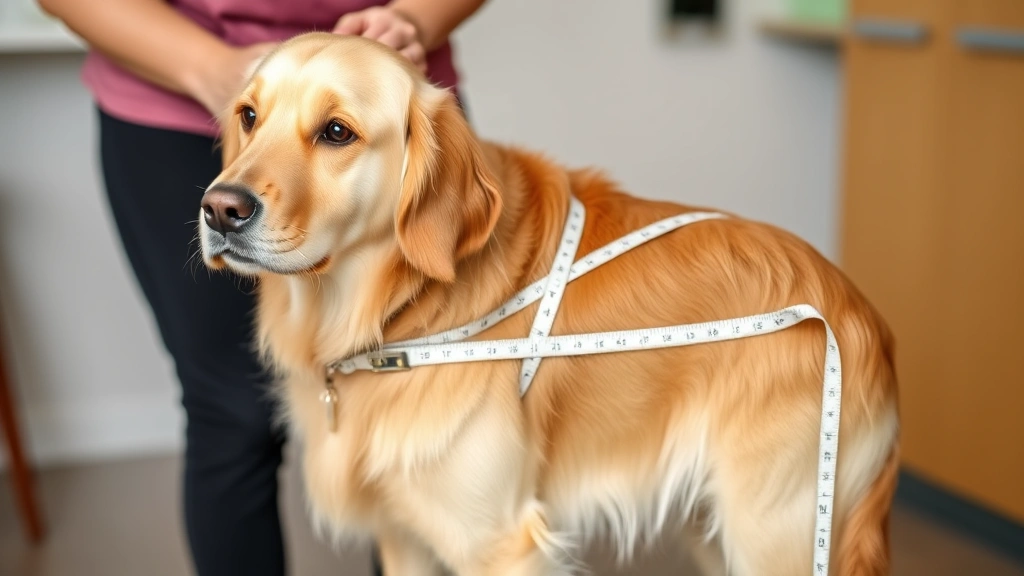
Accurate measurements are the foundation of proper harness sizing. You’ll need a soft measuring tape—the kind used for sewing, not a rigid measuring ruler. If you don’t have one, you can use a piece of string and measure it against a ruler afterward. The key measurements you need are chest girth and neck circumference.
For chest girth measurement: This is the most critical measurement. Have your dog stand in a natural position, and measure around the widest part of their chest, just behind their front legs. The tape should be snug enough to fit your finger underneath but not so tight that it restricts breathing. This measurement is typically the primary determinant for harness sizing. Write down the measurement in both inches and centimeters, as different manufacturers may use different units.
For neck circumference: Measure around your dog’s neck where a collar would normally sit. Again, ensure the tape is snug but comfortable. You should be able to fit one or two fingers between the tape and your dog’s neck. This measurement helps determine the neck opening size for harnesses that go over the head.
Take measurements when your dog is calm and standing still. If your pup is wiggly, try measuring them after a walk or play session when they’re more settled. For growing puppies, remeasure every 4-6 weeks to ensure the harness still fits properly as they develop.
Reading and Using Sizing Charts
Once you have your measurements, it’s time to consult the manufacturer’s sizing chart. This is where the actual sizing process becomes brand-specific, as different companies use different sizing systems. Some use small, medium, large designations, while others provide specific measurement ranges.
Always reference the specific brand’s chart rather than assuming sizes are standardized across manufacturers. A medium in one brand might be equivalent to a large in another. Most reputable harness manufacturers provide detailed sizing charts on their websites or product packaging that correlate measurements to sizes.
When using a sizing chart, look for the row that matches your dog’s chest girth measurement most closely. Some charts provide ranges (for example, “chest: 16-20 inches”), while others are more specific. If your dog’s measurement falls between two sizes, consider the following: if your dog is still growing, size up; if your dog is between sizes and you’re unsure, contact the manufacturer’s customer service for guidance.
Pay attention to weight ranges listed on charts, but remember that weight alone isn’t a reliable sizing indicator. A muscular dog and a fluffy dog of the same weight will have different harness sizes. Always prioritize the chest girth measurement over weight recommendations.
Verifying the Perfect Fit
After selecting a harness size based on measurements, the real test comes when you put it on your dog. This is where knowing how to put a harness on a dog properly becomes important. A correctly sized harness should feel snug without being restrictive.
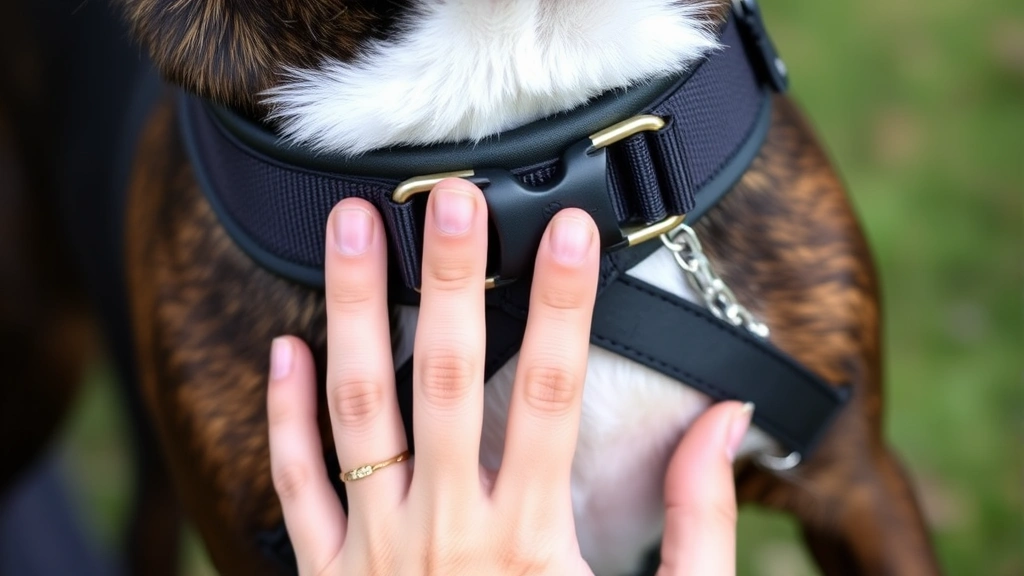
The two-finger test: Once the harness is fastened, you should be able to slip two fingers (but not three) under any strap, particularly where it crosses the chest and around the neck. This ensures the harness is secure enough that your dog can’t slip out, yet comfortable enough that it doesn’t restrict movement or breathing.
Check for rubbing and chafing: Inspect your dog’s skin after wearing the harness for 15-20 minutes. Look for any red marks, hair loss, or irritation. These signs indicate the harness is too tight or rubbing in problematic areas. The armpits and inner thighs are particularly sensitive areas prone to chafing.
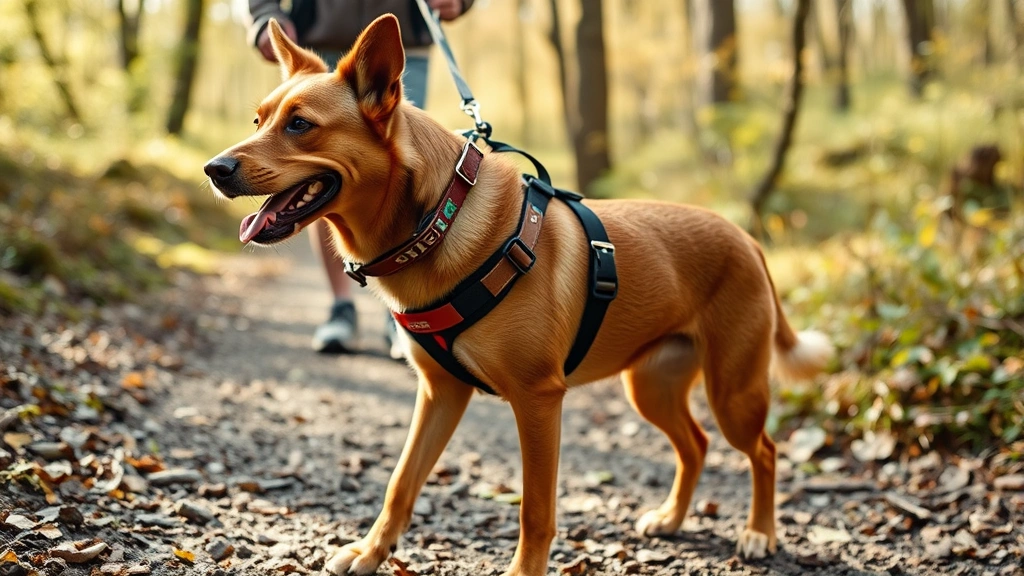
Observe movement and comfort: Watch how your dog moves in the harness. They should walk, run, and play naturally without any signs of discomfort, limping, or restricted movement. If your dog seems uncomfortable or moves differently, the fit needs adjustment or the size needs changing.
Test the escape factor: Gently try to slip the harness off your dog while it’s fastened. A properly fitted harness should resist removal but shouldn’t feel painfully tight. Your dog should never be able to wriggle out of a correctly sized harness.
Common Sizing Mistakes to Avoid
Even with the best intentions, many dog owners make sizing errors that compromise comfort and safety. Being aware of these common pitfalls can help you avoid them entirely.
Sizing based solely on breed: While breed guidelines can provide a starting point, individual dogs vary significantly. Two Golden Retrievers can have different chest sizes depending on their build and weight. Always measure your specific dog rather than relying on breed generalizations.
Buying too large with the intention to grow into it: This is especially tempting with puppies, but oversized harnesses defeat the purpose of having a harness. They won’t provide proper control, and your puppy might escape. Instead, plan to purchase appropriately sized harnesses as your puppy grows, or choose adjustable models that accommodate some growth.
Ignoring the manufacturer’s specific guidelines: Each brand engineers their harnesses differently. What works for one brand might not work for another at the same size. Always consult the specific manufacturer’s sizing chart rather than making assumptions.
Not accounting for seasonal coat changes: Dogs with thick double coats can have significantly different measurements during shedding seasons. If you’re sizing during winter, your fluffy friend might need a slightly larger size come summer. Consider this when purchasing, especially for breeds known for dramatic seasonal changes.
Forgetting to remeasure growing dogs: Puppies grow rapidly, and their harness size can change every few weeks. Regularly remeasuring ensures the harness remains properly fitted throughout their growth stages. This is also important when learning how to put harness on dog correctly as they develop.
Special Considerations for Different Breeds
While individual measurements matter most, certain breed characteristics can inform your sizing approach and help you select the right harness type for your dog’s specific needs.
Small breeds and toy dogs: Tiny breeds require harnesses with narrower straps to avoid discomfort. Many small-breed specific harnesses offer better proportions than simply downsizing standard harnesses. Chihuahuas, Pomeranians, and similar breeds often benefit from step-in harnesses that are gentler on delicate frames.
Large and giant breeds: Bigger dogs need harnesses with sturdy construction and wider weight distribution. Front-clip harnesses are particularly valuable for large breeds prone to pulling, as they provide better control without straining your arm. Breeds like German Shepherds, Labs, and Great Danes benefit from harnesses specifically engineered for their size and strength.
Brachycephalic breeds: Dogs with flat faces, such as Bulldogs and Pugs, need special consideration. Their breathing is already compromised, so harnesses shouldn’t place pressure on the neck or throat. Vest-style harnesses that distribute pressure across the chest and back are ideal for these breeds. This becomes particularly important when considering how do you put a harness on a dog with respiratory challenges.
Senior dogs: Older dogs often benefit from vest-style harnesses that distribute pressure evenly and reduce joint strain. Their measurements might change due to muscle loss or weight gain, so remeasuring elderly dogs annually is wise. A comfortable harness is part of overall how to care for a dog as they age.
Dogs with anxiety or fear issues: Some anxious dogs feel more secure in snug-fitting harnesses that provide gentle compression. However, these should never be so tight they restrict breathing. Consulting with a veterinary behaviorist can help determine if a specialized harness might benefit your anxious pup.
For dogs with specific health conditions, including how to use dog seat belt extension for vehicle safety, always consult your veterinarian about appropriate harness options. They can recommend styles that won’t exacerbate existing conditions like hip dysplasia or arthritis.
Remember that proper harness sizing is part of the broader commitment to how to bond with your dog through providing comfort and security in their daily adventures.
Frequently Asked Questions
What’s the difference between a harness and a collar?
Harnesses distribute pressure across your dog’s chest and back, making them safer for pulling prevention and better for dogs with respiratory issues. Collars place all pressure on the neck, which can cause tracheal damage over time. The American Kennel Club recommends harnesses for most dogs, particularly those prone to pulling.
Can I use the same harness as my dog grows?
Some adjustable harnesses accommodate limited growth, but most need replacing as dogs grow significantly. Puppies typically need new harnesses every 4-6 weeks during rapid growth phases. Once dogs reach adult size, a well-fitting harness can last several years if properly maintained.
How tight should a harness be?
A properly fitted harness should allow two fingers to fit snugly underneath the straps but prevent three fingers from fitting. It should be tight enough that your dog can’t escape but loose enough to allow comfortable movement and breathing.
What if my dog’s measurements fall between two sizes?
If you’re between sizes, consider your dog’s specific situation. For puppies, size up to accommodate growth. For adult dogs, if the smaller size is very snug, size up for comfort. Contact the manufacturer if you’re uncertain—they often provide valuable guidance for in-between measurements.
How often should I check the harness fit?
For puppies, check monthly as they grow. For adult dogs, check every 2-3 months for any changes in fit due to weight fluctuations or seasonal coat changes. After any significant weight change, remeasure and reassess the fit immediately.
Can I wash my harness?
Most harnesses can be hand-washed with mild soap and water, then air-dried completely before use. Check the manufacturer’s instructions, as some materials require special care. Regular cleaning prevents odor and extends harness lifespan.
Why does my dog keep escaping the harness?
Escape artists typically have harnesses that are too large. Remeasure your dog and verify the fit using the two-finger test. Some dogs are remarkably skilled at slipping out of poorly fitted harnesses, so ensuring proper sizing is crucial for safety.
Is there a harness for dogs with sensitive skin?
Yes! Look for harnesses made with soft, breathable materials and minimal seams. The ASPCA recommends checking for padding in high-friction areas. Measure frequently to prevent pressure sores, and consider consulting your veterinarian about specialized options for dogs with dermatological conditions.
Should I size a harness differently for different activities?
Different activities might benefit from different harness types, but sizing remains consistent. A harness used for hiking should fit the same as one used for casual walks. However, you might choose different styles—perhaps a front-clip for training and a back-clip for leisurely walks.
What should I do if my dog is between breed sizes?
Individual measurement always trumps breed designation. Measure your specific dog and size accordingly. Many dogs don’t fit neatly into breed-based sizing categories, particularly mixed breeds or dogs that are exceptionally large or small for their breed.





