

How to Tell a Dog’s Age: Simple Tips
Ever wondered how old that adorable pup really is? Whether you’ve adopted a rescue dog with an unknown history or you’re just curious about your furry friend’s actual age, figuring out a dog’s age doesn’t require a time machine—just a little detective work! While dogs can’t exactly blow out birthday candles and tell us their age, their bodies leave plenty of clues that help us piece together the puzzle.
Determining a dog’s age is more than just a fun party trick. It’s genuinely helpful information that affects everything from their nutrition and exercise needs to their healthcare requirements and behavioral expectations. A dog in their senior years needs different care than a bouncy young pup, and understanding where your dog falls on the age spectrum helps you provide the best possible care.
The good news? You don’t need to be a veterinary expert to make a pretty accurate guess about your dog’s age. In this guide, we’ll walk you through the most reliable methods that even seasoned dog owners swear by. Let’s dig into the details!
Examining Your Dog’s Teeth
Your dog’s teeth are like a biological clock—and they’re one of the most reliable indicators of age! Puppies go through several teeth changes during their first year, which makes dental inspection incredibly useful for younger dogs. A puppy is born without visible teeth, and their baby teeth start erupting around three to five weeks of age.
By eight weeks old, most puppies have their complete set of baby teeth (also called deciduous or milk teeth). These baby teeth are sharp, white, and relatively small. If you’re looking at a puppy with a full set of these needle-sharp teeth, you’re likely dealing with a dog between 8 and 12 weeks old. The baby teeth begin falling out around 12-16 weeks, and the permanent adult teeth start coming in.
Here’s where it gets interesting: dogs have different numbers of teeth at different life stages. Adult dogs have 42 permanent teeth, and by six months of age, most dogs have their complete set of adult teeth. If you peer into your dog’s mouth and see a complete set of white, sharp, shiny permanent teeth, you’re likely looking at a dog between 6 months and 2-3 years old.
As dogs age, their teeth tell a different story. By age 3-5, you might notice some yellowing and tartar buildup, which is completely normal. Between ages 5-7, the wear becomes more obvious—the sharp points on the teeth start to flatten out. By age 7-10, the wear is quite pronounced, and you might see more significant tartar accumulation. Dogs over 10 years old often have noticeably worn, discolored teeth, and some may even be missing teeth due to age-related decay.
For a more detailed look at dental development, understanding your dog’s teeth throughout their life provides comprehensive insights. Keep in mind that dental health varies significantly based on diet, genetics, and oral care. A dog with excellent dental hygiene might have whiter, sharper-looking teeth than a neglected dog of the same age.

Looking at Eye Clarity
The eyes are often called the windows to the soul, and they’re also windows to your dog’s age! Young dogs, particularly puppies and young adults, have bright, clear, alert eyes with a glossy appearance. The area around their eyes is typically tight and shows no sagging or cloudiness.
As dogs enter middle age (around 5-7 years), you might start noticing subtle changes. The eyes might not be quite as bright, and the expression might seem slightly more serious. This is all perfectly normal aging.
One of the most telling signs of an aging dog is the development of a cloudy or hazy appearance in the eyes, particularly noticeable in the lens. This condition is called nuclear sclerosis, and it’s extremely common in older dogs. You’ll often see this starting around age 6-8, though it varies by individual dog. Dogs with nuclear sclerosis can still see reasonably well, but their eyes look distinctly cloudy or bluish-gray.
Additionally, older dogs often develop tear staining and may have more discharge around their eyes. The skin around the eyes might become looser and more wrinkled. If your dog’s eyes have that cloudy appearance and you notice increased tear staining, you’re probably looking at a dog in their senior years.
Assessing Coat Quality and Color
A dog’s coat tells a story of their age, health, and lifestyle. Young puppies often have softer, fluffier coats compared to adults. As dogs mature into adulthood (typically by 12-18 months), their coat becomes fuller and more defined according to their breed standards.
The most obvious age indicator in a dog’s coat is graying, particularly around the muzzle, eyes, and ears. Some dogs start showing gray hairs as early as 4-5 years old, while others might not show significant graying until they’re much older. Breed and genetics play huge roles here—some breeds are predisposed to earlier graying than others.
Beyond color changes, coat quality shifts with age. Young adult dogs typically have shiny, resilient coats that repel water and maintain their color vibrantly. As dogs age, their coat often becomes duller, coarser, and less lustrous. You might also notice that older dogs’ coats don’t shed as uniformly or maintain the same texture.
Senior dogs frequently develop what we call a “salt and pepper” appearance, with gray and white hairs mixed throughout their coat. The muzzle area is particularly affected—an all-white or significantly grayed muzzle is almost always a sign of a senior dog. However, remember that coat condition also depends on nutrition, grooming, and overall health, so a well-cared-for older dog might have a nicer coat than a neglected younger dog.
Evaluating Muscle Tone and Body Condition
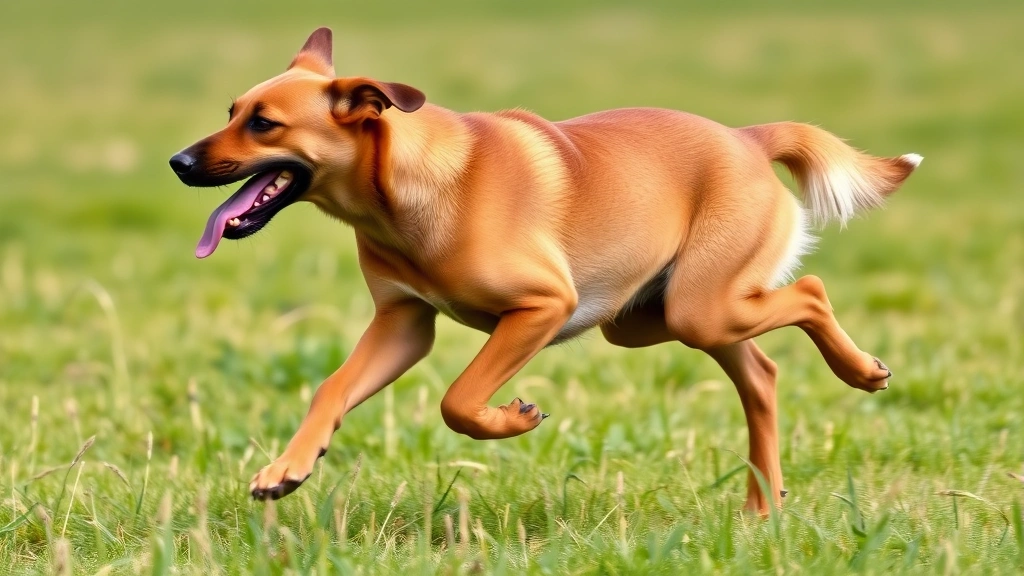
Feel your dog’s body along their ribs and spine. Young, healthy adult dogs typically have well-defined muscle tone and a firm body. You should be able to feel their ribs without pressing hard, but they shouldn’t be prominently visible. Their abdomen should be tucked up, and they should have a visible waist when viewed from above.
As dogs age, several changes occur in their body composition. Older dogs often lose muscle mass, a condition called sarcopenia. You might notice their shoulders and hindquarters seem less muscular and more bony. Their spine might become more prominent, and their hip bones might jut out more noticeably. Some senior dogs develop a slightly sagging appearance in their hindquarters.
Additionally, older dogs sometimes develop a pot-bellied appearance due to weakening abdominal muscles and changes in body fat distribution, even if they maintain a healthy weight. This is particularly noticeable in dogs that were very muscular in their youth.
Puppies and young dogs are typically lean and energetic-looking, with tight skin and well-distributed muscle. Middle-aged dogs maintain relatively good muscle tone but might start showing slight changes. Senior dogs often show significant muscle loss, particularly in the hindquarters, which can affect their mobility and gait.
Observing Gait and Mobility
Watch how your dog moves. Young dogs typically move with confidence, fluidity, and enthusiasm. Their gait is smooth, and they seem eager to jump, run, and play. Puppies might be a bit clumsy as they’re still developing coordination, but they bounce back quickly and seem energized.
As dogs age, changes in their movement become increasingly apparent. Middle-aged dogs might move slightly more deliberately, and you might notice they take a moment to get going after resting. They might not jump as high or run quite as fast, but they’re still reasonably mobile.
Senior dogs often show obvious mobility changes. They might have a stiffer gait, particularly when getting up from rest. Many older dogs develop arthritis, which causes them to move more carefully and deliberately. You might notice they have difficulty with stairs, jumping on furniture, or getting into vehicles. Some senior dogs develop a slight rear-end weakness or swaying gait. They often move more slowly and might take longer to warm up after sleeping.
Dogs in their senior years frequently show reluctance to engage in activities they once loved. A dog that used to chase balls enthusiastically might prefer short walks. This is completely normal as their joints and muscles age.
Understanding Growth Stages
Knowing typical growth patterns helps you estimate your dog’s age more accurately. understanding when dogs reach full maturity is crucial for age estimation. Most dogs reach their full adult size between 12 and 18 months of age, though large and giant breeds might continue growing until 18-24 months.
If you have a dog that’s clearly still growing—their paws look oversized compared to their body, or they’re noticeably smaller than their breed standard—you’re likely dealing with a puppy or young adolescent dog. Dogs typically reach sexual maturity around 6-12 months, though they continue growing physically for several more months.
The growth rate varies dramatically by breed. Small breeds like Chihuahuas and toy breeds reach their full size quickly, often by 9-12 months. Medium breeds typically reach full size by 12-15 months. Large breeds like Golden Retrievers might not be fully grown until 18 months. Giant breeds like Great Danes or Irish Wolfhounds can take up to 2 years to reach full maturity.
Once you understand when your specific dog breed stops growing, you can use this information to help narrow down age estimates. A dog that’s clearly not yet at full adult size is definitely younger than one that’s reached their breed’s typical mature weight and height.
Professional Veterinary Assessment
While all the methods we’ve discussed are helpful, a veterinarian can provide the most accurate age assessment, particularly for dogs of unknown origin. Vets use a combination of all these physical indicators plus their professional experience to make educated estimates.
Your vet will examine your dog’s overall health status, which helps contextualize age-related changes. They can identify specific age-related conditions and discuss what to expect as your dog ages. If you’re unsure about your dog’s age, a vet can provide a more definitive assessment than you might manage on your own.
For dogs entering their senior years, knowing their age helps your vet recommend appropriate screening tests and preventative care. understanding when dogs become seniors helps you prepare for age-appropriate healthcare. According to the American Kennel Club’s guide on senior dog care, regular veterinary checkups become increasingly important as dogs age.
Your vet can also help you understand what age constitutes senior status for your specific dog, which varies by breed and individual health status. Large and giant breed dogs often reach senior status earlier than small breeds, sometimes as early as 5-6 years old, while small breeds might not be considered seniors until 10-12 years old.
The ASPCA provides excellent resources on general dog care throughout all life stages, including tips for aging dogs. Additionally, VCA Animal Hospitals offers detailed information on geriatric dog care that can help you understand what to expect as your dog ages.
Frequently Asked Questions
What’s the most accurate way to tell a dog’s age?
A veterinary examination is the most accurate method, especially for dogs of unknown origin. Vets combine multiple indicators—teeth condition, eye appearance, coat quality, muscle tone, and overall health status—to provide an educated estimate. For young puppies under one year, dental examination is particularly reliable.
Can I tell a dog’s age just by looking at them?
You can make a reasonable estimate by observing multiple factors: coat color and condition, eye clarity, muscle tone, and mobility. However, this is never as accurate as a professional veterinary assessment. Individual health, genetics, and care significantly impact how a dog looks at any given age.
At what age is a dog considered a senior?
This depends on breed and individual health. Small breeds typically enter senior status around 10-12 years old, while large breeds might be considered seniors at 5-7 years old. Giant breeds sometimes reach senior status as early as 4-5 years. Your veterinarian can advise you on your specific dog’s situation.
Do all dogs show gray hair as they age?
Not all dogs gray at the same rate. Some breeds are genetically predisposed to early graying, while others maintain darker coats well into old age. Individual genetics play a huge role. Some dogs develop a significantly grayed muzzle by age 5-6, while others might not show much gray until they’re 10+ years old.
How reliable is checking teeth to determine age?
Dental examination is highly reliable for puppies and young dogs under 2-3 years old, since the progression of baby teeth to adult teeth is very predictable. For older dogs, teeth condition becomes less reliable because dental health varies greatly based on genetics, diet, and oral care. A well-cared-for older dog might have whiter teeth than a neglected younger dog.
Can I use a dog’s energy level to determine their age?
Energy level provides clues but isn’t definitive. Young puppies and young adult dogs are typically very energetic, while senior dogs are often calmer. However, individual personality, breed temperament, and health status all affect energy levels. A highly motivated adult dog might be more energetic than a lazy puppy.
What if I adopted a rescue dog and have no age information?
Start with a veterinary examination—your vet can provide an age estimate. Use the physical indicators we’ve discussed (teeth, eyes, coat, muscle tone) to help narrow it down. Most rescue organizations estimate age within a range (like “2-4 years old”) rather than a specific age. As you live with your dog, you’ll learn their personality and health patterns, which further helps you understand their approximate age.





