
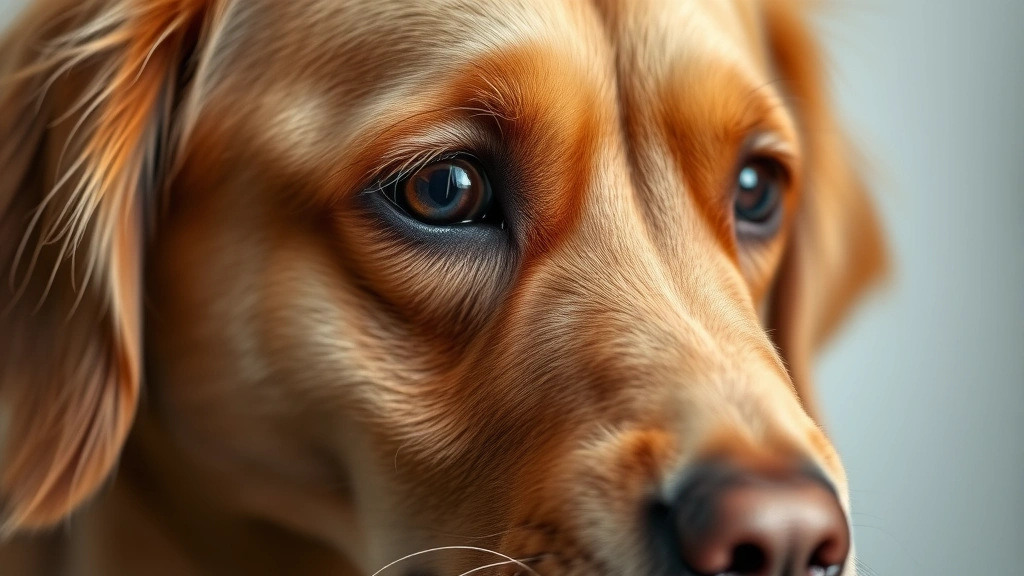
How to Treat Bloodshot Eyes in Dogs: Expert Tips
Nothing tugs at a pet parent’s heartstrings quite like noticing your beloved pup has bloodshot eyes staring back at you. That alarming redness can send you into worry mode faster than your dog can fetch a tennis ball. But here’s the good news: while bloodshot eyes in dogs certainly warrant attention, they’re not always a sign of something catastrophic. Understanding what causes this condition and knowing how to respond can make all the difference in keeping your furry friend comfortable and healthy.
Bloodshot eyes in dogs can stem from a variety of culprits—some minor and easily managed, others requiring professional veterinary intervention. Whether it’s environmental irritation, an infection, or something more serious, the key is recognizing when it’s time to call your vet and what you can do at home to provide relief. This comprehensive guide will walk you through everything you need to know about treating bloodshot eyes in your canine companion.
Your dog’s eyes are incredibly sensitive, and when something goes wrong, they can’t exactly tell you what’s bothering them. That’s where we come in. Let’s explore the causes, symptoms, and most importantly, the solutions to get those peepers back to their bright, healthy best.
Understanding Bloodshot Eyes in Dogs
Bloodshot eyes, medically referred to as conjunctival hyperemia or scleral injection, occur when the tiny blood vessels in and around your dog’s eyes become inflamed or dilated. This inflammation causes those vessels to become more visible, giving the whites of your dog’s eyes a distinctly red or pink appearance. It’s essentially your dog’s eyes waving a red flag that something needs attention.
The conjunctiva—that delicate membrane covering the white part of the eye and lining the eyelids—is packed with blood vessels. When irritated, inflamed, or infected, these vessels dilate to increase blood flow, triggering the telltale redness. The severity of the bloodshot appearance can range from a subtle pinkish tint to a deeply crimson hue that looks genuinely alarming.
What makes bloodshot eyes particularly frustrating for pet parents is that they’re a symptom rather than a diagnosis. Think of them as your dog’s body’s way of sending an SOS signal. To treat the problem effectively, you need to identify the underlying cause. This is where things get interesting—and where understanding the difference between minor irritations and serious conditions becomes crucial.
If you’re trying to understand the broader picture of eye health in dogs, you might want to explore why are my dog’s eyes red, which covers additional factors that could be affecting your pup’s ocular health.
Common Causes of Red Eyes
The causes of bloodshot eyes in dogs are remarkably diverse. Let’s break down the most common culprits so you can play detective with your veterinarian.
Conjunctivitis (Pink Eye)
Conjunctivitis is one of the most frequent causes of red eyes in dogs. This inflammation of the conjunctiva can be triggered by bacterial infections, viral infections, or allergies. If your dog has conjunctivitis, you’ll likely notice discharge ranging from clear and watery to thick and yellow-green. Your pup might also squint frequently or paw at their eyes. Learn more about this condition by checking out our detailed guide on how to treat conjunctivitis in dogs.
Allergies and Environmental Irritants
Dogs can develop allergies to pollen, dust, mold, and other environmental triggers just like humans do. When allergens irritate the eyes, the blood vessels dilate in response, creating that bloodshot appearance. Seasonal allergies often correlate with red eyes, especially during spring and fall. Additionally, smoke, chlorine from swimming pools, and even strong fragrances can irritate sensitive canine eyes.
Dry Eye Syndrome (Keratoconjunctivitis Sicca)
When your dog’s eyes don’t produce enough tears, the cornea and conjunctiva become dry and irritated. This condition, known as dry eye syndrome, leads to bloodshot eyes and visible discomfort. Certain dog breeds and medical conditions increase the risk of dry eye.
Glaucoma
Glaucoma occurs when intraocular pressure increases, damaging the optic nerve. It’s a serious condition that can lead to blindness if left untreated. Bloodshot eyes are often an early sign, accompanied by cloudiness in the eye and obvious pain. The American Kennel Club provides comprehensive information about canine glaucoma.
Uveitis
This inflammation of the uvea (the middle layer of the eye) can result from trauma, infection, or systemic disease. Uveitis typically presents with significant redness, squinting, and light sensitivity.
Trauma and Foreign Objects
Sometimes a simple scratch from a branch, sand in the eye, or a poke from another dog can cause bloodshot eyes. While these injuries might seem minor, they can become infected if not properly treated.
Systemic Diseases
Interestingly, bloodshot eyes can indicate broader health issues affecting your dog’s entire body. Conditions like hypertension, bleeding disorders, and certain infections can manifest as red eyes.
When to Visit Your Veterinarian
Knowing when to schedule a vet appointment versus when to seek emergency care is crucial for your dog’s wellbeing. Here’s a practical breakdown:
Schedule a Regular Appointment If:
- The redness is mild and your dog seems comfortable
- There’s clear or slightly cloudy discharge but no pain symptoms
- The condition started recently and isn’t worsening
- Your dog has seasonal allergies that correlate with the redness
Seek Immediate Veterinary Care If:
- Your dog is in obvious pain (excessive squinting, pawing at eyes, keeping eyes closed)
- There’s blood in the eye or significant swelling
- The eye appears cloudy or you notice vision problems
- The redness is severe and accompanied by discharge
- Only one eye is affected with severe symptoms
- Your dog has suffered recent eye trauma
- The condition is rapidly worsening
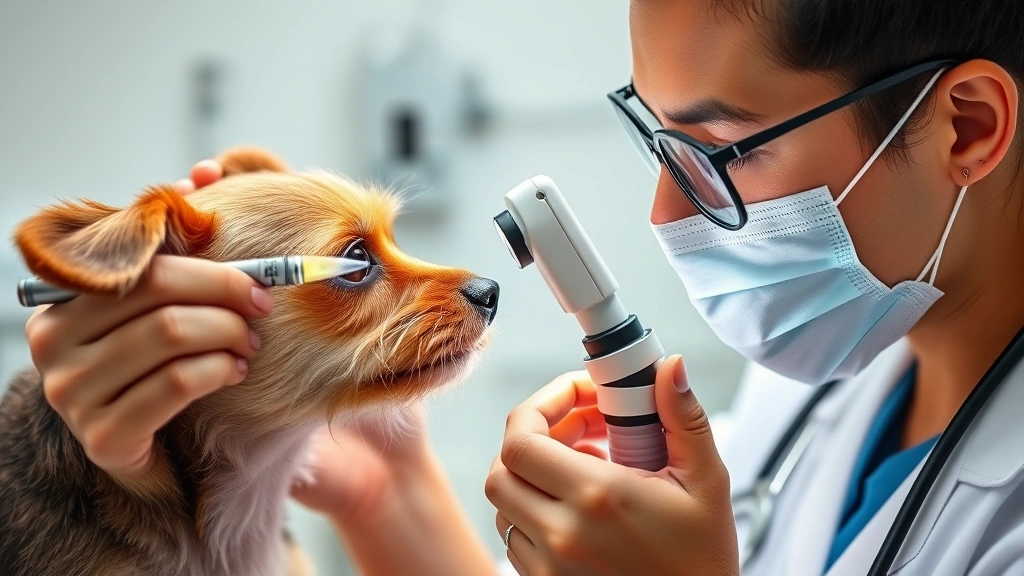
Your veterinarian will perform a comprehensive eye examination, which may include a Schirmer tear test to measure tear production, fluorescein staining to detect corneal damage, and tonometry to measure eye pressure. These diagnostic tools help identify the underlying cause so treatment can be tailored specifically to your dog’s condition.
Home Treatment Options
While professional veterinary care is essential for serious conditions, several at-home treatments can provide relief for minor bloodshot eyes:
Warm Compresses
Applying a warm (not hot) compress to your dog’s eyes for 5-10 minutes several times daily can soothe irritation and reduce inflammation. Use a clean, soft cloth and ensure the water temperature is comfortable to the touch. This simple remedy can provide significant comfort for dogs with mild irritation.
Saline Eye Drops
Veterinary-approved saline eye drops can rinse away irritants and provide temporary relief. Never use human eye drops, as they may contain ingredients unsuitable for dogs. Ask your vet which saline solution they recommend for your pup’s specific situation.
Keep Eyes Clean
Gently wipe away any discharge with a clean, damp cloth. Use a separate cloth for each eye to prevent spreading infection. This maintenance helps prevent secondary infections and keeps your dog more comfortable.
Limit Environmental Irritants
If your dog’s bloodshot eyes correlate with specific environments, try to minimize exposure. Keep your pup out of smoky areas, chlorinated pools, and dusty environments when possible. Consider using a humidifier if dry indoor air seems to trigger symptoms.
Protective Measures
During healing, consider using a protective cone (Elizabethan collar) to prevent your dog from rubbing or scratching their eyes. While not the most fashionable accessory, it prevents further damage and allows the eyes to heal properly.
Dietary Support
Omega-3 fatty acids support eye health and can reduce inflammation. Discuss with your vet whether adding fish oil supplements or omega-3-rich foods to your dog’s diet might help with chronic eye issues.
Professional Veterinary Treatments
Once your vet diagnoses the cause of your dog’s bloodshot eyes, they’ll recommend appropriate treatment. Common professional interventions include:
Antibiotic Eye Drops or Ointments
If bacterial infection is causing the redness, your vet will prescribe antibiotics specifically formulated for canine eyes. These come in drop or ointment form and must be applied as directed—typically multiple times daily for 7-14 days.
Anti-Inflammatory Medications
Corticosteroid eye drops reduce inflammation quickly, providing relief for conditions like uveitis or allergic conjunctivitis. These must be used carefully and only under veterinary supervision, as improper use can worsen certain conditions.
Antihistamine or Allergy Medications
For dogs with allergic conjunctivitis, oral antihistamines or allergy medications can reduce symptoms. Your vet might recommend seasonal medications or year-round management depending on your dog’s specific allergies.
Artificial Tear Supplements
Dogs with dry eye syndrome benefit from artificial tear products designed for veterinary use. These provide lubrication and protection for the cornea. In some cases, your vet might prescribe cyclosporine, which stimulates tear production.
Surgical Intervention
Serious conditions like glaucoma may require surgical treatment to manage intraocular pressure and prevent blindness. Your vet will discuss surgical options if they’re necessary for your dog’s condition.
Systemic Treatments
If an underlying systemic disease is causing the bloodshot eyes, treating that condition becomes the priority. This might involve antibiotics for infections, medications for hypertension, or other treatments addressing the root cause.
Prevention Strategies
An ounce of prevention is worth a pound of cure, especially when it comes to your dog’s precious eyes. Here’s how to keep those peepers healthy:
Regular Eye Checks
During your dog’s annual veterinary visits, ask your vet to perform a thorough eye examination. Catching problems early makes treatment easier and more effective. For senior dogs, consider more frequent eye checks—perhaps twice yearly.
Maintain Proper Hygiene
Keep the area around your dog’s eyes clean and dry. Regularly wipe away any discharge or debris. For dogs with excessive tearing or eye discharge, this becomes especially important.
Protect from Trauma
Minimize your dog’s exposure to situations likely to cause eye injury. Be cautious during playtime, especially with other dogs or in brushy areas. Use appropriate eye protection during activities where injury is possible.
Manage Allergies Proactively
If your dog has known allergies, work with your vet to manage them effectively. Seasonal antihistamines, dietary adjustments, and environmental controls can prevent allergic conjunctivitis before it starts.
Maintain Overall Health
A healthy dog is better equipped to fight infections and manage inflammatory conditions. Provide quality nutrition, regular exercise, and preventive healthcare. Understanding your dog’s overall health, including awareness of conditions like what causes hot spots on dogs, helps you recognize when systemic issues might affect eye health.
Keep Vaccinations Current
Certain viral infections that cause conjunctivitis are preventable through vaccination. Keeping your dog’s vaccines up-to-date provides protection against multiple eye-related infections.
Monitor for Symptoms
Pay attention to your dog’s behavior and appearance. Excessive squinting, pawing at eyes, or sensitivity to light are early warning signs. Catching these symptoms early allows for prompt treatment before conditions become serious.
Avoid Harmful Substances
Be cautious about what comes near your dog’s eyes. While you might wonder about things like is lavender safe for dogs, the same consideration applies to eye health—keep strong-smelling substances, essential oils, and irritating chemicals away from your pup’s face.
Frequently Asked Questions
Q: Can I use human eye drops on my dog?
A: No, you should never use human eye drops on your dog. Many human eye medications contain ingredients that are unsafe for canines. Always use products specifically formulated for veterinary use, and consult your vet before applying anything to your dog’s eyes.
Q: How long does it take for bloodshot eyes to improve with treatment?
A: The timeline depends on the underlying cause. Minor irritation might improve within 24-48 hours with proper care. Infections typically require 7-14 days of antibiotic treatment. Chronic conditions like dry eye may require ongoing management. Your vet will provide specific expectations based on your dog’s diagnosis.
Q: Is it normal for only one eye to be red?
A: While both eyes can be affected simultaneously, unilateral redness (one eye only) is also common and often indicates localized trauma, a foreign object, or infection in that specific eye. This warrants veterinary evaluation to determine the cause.
Q: Can allergies cause bloodshot eyes?
A: Absolutely. Allergic conjunctivitis is a common cause of red eyes in dogs. If your dog’s redness correlates with seasons or specific environments, allergies might be the culprit. Your vet can help identify specific allergens through testing or elimination diets.
Q: What’s the difference between conjunctivitis and other eye conditions causing redness?
A: Conjunctivitis specifically involves inflammation of the conjunctiva (the membrane covering the white of the eye), while other conditions like uveitis, glaucoma, or dry eye affect different eye structures. Your vet’s examination helps distinguish between these conditions, as each requires different treatment approaches.
Q: Should I be worried if my dog’s bloodshot eyes are accompanied by discharge?
A: Discharge typically indicates infection or significant inflammation. Clear watery discharge might result from allergies or minor irritation, while thick yellow-green discharge suggests bacterial infection. Any discharge warrants veterinary evaluation to determine if antibiotics are necessary.
Q: Can I prevent bloodshot eyes in my dog?
A: While you can’t prevent all causes, you can reduce risk through regular eye care, maintaining current vaccinations, protecting your dog from trauma, and managing allergies. Regular veterinary checkups catch problems early before they become serious.
Q: Is glaucoma in dogs painful?
A: Yes, glaucoma causes significant pain. Dogs with this condition often show obvious discomfort, including squinting, redness, and behavioral changes. It’s a veterinary emergency requiring immediate treatment to prevent blindness and relieve pain.
Q: How often should I have my dog’s eyes checked?
A: Healthy adult dogs should have eye exams during annual wellness visits. Senior dogs (age 7+) benefit from twice-yearly exams. Dogs with known eye conditions or breeds predisposed to eye problems may need more frequent evaluations. The ASPCA provides guidance on eye problem prevention and care.
Q: What breeds are prone to eye problems?
A: Certain breeds have genetic predispositions to eye conditions. Flat-faced breeds like Bulldogs and Pugs are prone to dry eye. Small breeds often experience tear duct problems. Retrievers and other breeds are susceptible to certain hereditary conditions. Knowing your dog’s breed-specific risks helps with preventive care.
Remember, while bloodshot eyes can be alarming, they’re often manageable with proper care and veterinary guidance. The key is recognizing when home care suffices and when professional help is necessary. Trust your instincts—if something feels wrong with your dog’s eyes, it’s always better to have your vet take a look. Your pup’s vision and comfort are worth the peace of mind.
For additional information on recognizing when your dog needs emergency care, consult Cornell University’s veterinary resources on canine eye disease or speak with your local veterinarian about any concerns regarding your dog’s ocular health.





