

How to Treat a Dog’s Ear Hematoma at Home Safely
If you’ve noticed your furry friend’s ear suddenly looking puffy, swollen, or filled with fluid, you might be dealing with a dog ear hematoma. This condition, while alarming to discover, is more common than you’d think. A hematoma occurs when blood vessels in the ear flap rupture and bleed into the surrounding tissue, creating that characteristic balloon-like appearance. The good news? With prompt attention and the right approach, you can help your pup feel better and prevent complications.
The tricky part about ear hematomas is knowing when you can safely manage them at home and when professional veterinary care becomes essential. While not every hematoma requires surgery, understanding the condition’s severity and your dog’s individual needs is crucial. Let’s dive into what you need to know about treating your dog’s ear hematoma safely and effectively from the comfort of your home.
Your dog’s ears are incredibly sensitive, and any swelling or discomfort can affect their quality of life. That’s why it’s important to act quickly and thoughtfully when you spot signs of trouble. This guide will walk you through everything from identifying the problem to implementing safe home treatment strategies.
What Is a Dog Ear Hematoma?
A hematoma is essentially a collection of blood that’s accumulated outside of blood vessels, forming a pocket of fluid within the ear flap or pinna. Think of it as a bruise on steroids—instead of just discoloration and swelling, you get a significant buildup of fluid that can distort your dog’s ear shape entirely. The ear flap becomes thick, spongy, and warm to the touch, and you might even hear a sloshing sound when you gently manipulate it.
This condition typically develops rapidly, sometimes appearing overnight. One day your dog’s ears look perfectly normal, and the next day you’re staring at what looks like a water balloon attached to their head. The severity varies widely—some hematomas are small and manageable, while others can be quite extensive. The location matters too; hematomas can occur on the inner ear flap, the outer surface, or even within the ear canal itself, each presenting slightly different challenges for home care.
Understanding the anatomy helps explain why hematomas happen so easily in dogs. The ear flap is highly vascularized, meaning it has lots of blood vessels running through it. When these vessels rupture—whether from trauma, excessive scratching, or infection—blood spills into the space between the skin layers, creating that telltale swelling.
Causes and Warning Signs
The most common culprit behind ear hematomas is why dogs shake their heads. Vigorous head shaking, whether from ear infections, allergies, or parasites, causes the ear flap to snap back and forth violently. This repetitive motion can cause the blood vessels in the ear to rupture, leading directly to hematoma formation. It’s a vicious cycle—something irritates the ear, the dog shakes their head, the shaking causes a hematoma, and now there’s even more irritation.
Other common causes include:
- Ear infections: Dogs can get ear infections that trigger scratching and head shaking
- Allergies: Food or environmental allergies causing ear itchiness
- Parasites: Ear mites or other parasitic infestations
- Physical trauma: Rough play, fights with other animals, or accidental injury
- Foreign objects: Debris lodged in the ear canal
- Bleeding disorders: Rare conditions affecting blood clotting
Recognizing the warning signs early can make a significant difference in treatment outcomes. Watch for these indicators:
- Visible swelling or puffiness of the ear flap
- Fluid-filled appearance or bulging of the ear
- Warmth around the affected ear
- Your dog tilting their head toward the affected side
- Excessive licking or scratching at the ears
- Whimpering or signs of discomfort when the ear is touched
- Behavioral changes like increased irritability
- Foul odor coming from the ear
Safe Home Treatment Methods
Before attempting any home treatment, it’s essential to understand your limitations. Small, uncomplicated hematomas caught very early might respond to conservative home care, but larger ones typically require professional intervention. That said, there are several supportive measures you can take to help your dog feel more comfortable while you assess the situation.
Cold Therapy Application
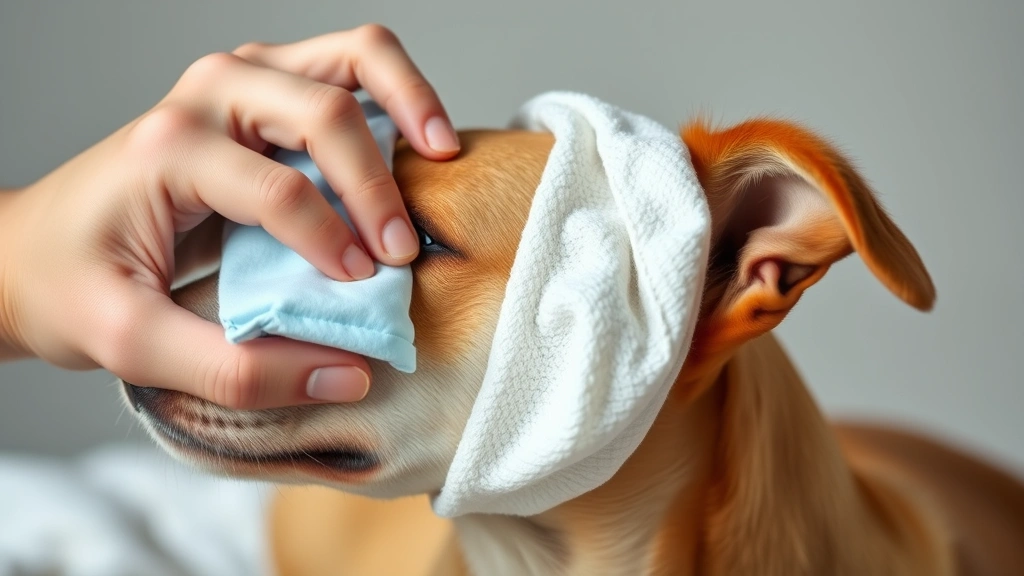
One of the safest initial interventions is applying cold therapy to reduce inflammation and discomfort. Cold constricts blood vessels and can help minimize swelling in the early stages. Use an ice pack wrapped in a soft cloth—never apply ice directly to the skin, as this can cause damage. Apply it for 10-15 minutes at a time, several times daily. Most dogs tolerate this well, and it can provide genuine relief.
Gentle Ear Cleaning
If your dog’s hematoma is related to an underlying ear infection or debris accumulation, proper cleaning becomes crucial. Learning how to clean dogs ears correctly ensures you’re addressing the root cause without causing additional trauma. Use a veterinary-approved ear cleaning solution and soft cotton balls. Gently wipe the outer ear and visible inner surfaces, but avoid aggressive scrubbing or inserting anything deep into the ear canal. Be extremely gentle, as the affected area is sensitive and painful.
Pain Management
Your dog is uncomfortable, and addressing that pain is part of responsible home care. Over-the-counter pain relievers formulated for dogs can help, but dosing is critical. Always consult your veterinarian about appropriate pain medication before administering anything. Ibuprofen and other NSAIDs can be dangerous for dogs if given incorrectly. Your vet might recommend dog-safe options like appropriate pain management strategies.
Drainage Considerations
You might be tempted to drain the hematoma yourself with a needle or syringe, but resist this urge. Even if you successfully remove the fluid, it typically reaccumulates within days. Additionally, improper drainage technique risks infection and further tissue damage. The fluid’s sterile nature when first formed can quickly become compromised if contaminated during amateur drainage attempts.
Protective Measures
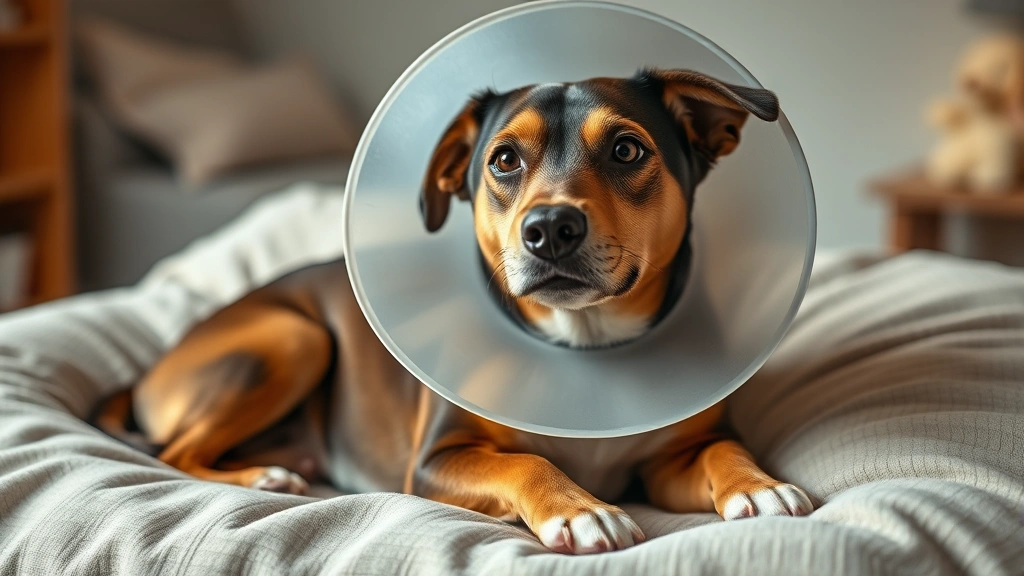
Prevent your dog from further traumatizing the area by wearing a soft cone or Elizabethan collar if they’re constantly scratching or shaking. This might seem uncomfortable, but it prevents the hematoma from worsening and allows healing to begin. Additionally, keep your dog’s nails trimmed short to minimize damage if they do manage to scratch the affected ear.
Prevention Strategies
The best cure for ear hematomas is prevention. Since most hematomas result from excessive head shaking due to underlying ear problems, addressing those root causes is paramount. Regular ear maintenance is your first line of defense.
Regular Ear Inspections
Make weekly ear checks part of your grooming routine. Look for redness, discharge, odor, or debris. Catching issues early—before they progress to hematoma-causing head shaking—is invaluable. Dogs prone to ear issues benefit from even more frequent inspections.
Treating Underlying Conditions
If your dog has ear infection treatments available without vet visits, don’t delay. Addressing infections, allergies, and parasites quickly prevents the itching and head shaking that leads to hematomas. Work with your veterinarian to identify and treat whatever’s causing the original irritation.
Allergy Management
Dogs with allergies—whether food-based or environmental—often experience chronic ear issues. Discuss allergen identification and management with your vet. Sometimes simple dietary changes or allergy medications can dramatically reduce ear problems and their cascading complications.
Parasite Prevention
Keep your dog on an appropriate parasite prevention program recommended by the AKC. Ear mites are a common culprit behind hematoma-causing head shaking, and they’re easily preventable with proper medication.
When to Call Your Veterinarian
Knowing when home care isn’t enough is critical. Contact your veterinarian immediately if:
- The hematoma is large (bigger than a grape) or rapidly expanding
- Your dog shows signs of infection like pus, severe warmth, or foul odor
- The hematoma is causing your dog significant pain or behavioral changes
- You’ve attempted home treatment for 3-5 days with no improvement
- Your dog has difficulty hearing or balance problems
- The hematoma is affecting their ability to eat or function normally
- You suspect an underlying ear infection that requires professional treatment
Professional veterinary care often involves drainage combined with anti-inflammatory medications, and sometimes surgical intervention. Your vet might recommend professional ear hematoma management techniques that provide better long-term outcomes than home care alone. This is especially true if the underlying cause—like why your dog keeps shaking their head—requires professional diagnosis and treatment.
Recovery and Aftercare
Whether you’re managing the hematoma at home or your dog receives professional treatment, proper aftercare is essential for preventing recurrence. Recovery typically takes 2-4 weeks, depending on the severity and treatment approach.
Activity Restriction
Limit vigorous exercise and play during recovery. Excessive activity can cause re-injury or increased swelling. Calm, controlled walks are fine, but rough play should be avoided. Keep your dog in a quiet environment where they can rest without excitement-induced head shaking.
Ongoing Monitoring
Check the ear daily for signs of improvement or complications. Slight reduction in swelling and warmth are good signs. However, if you notice increasing swelling, discharge, or signs of infection, contact your veterinarian immediately.
Addressing Root Causes
The most critical aftercare step is treating whatever caused the hematoma in the first place. If it was an ear infection, complete the full course of treatment. If allergies are the culprit, implement long-term management strategies. Without addressing the underlying issue, hematomas frequently recur.
Follow-Up Veterinary Care
Even if you successfully manage the hematoma at home, a follow-up veterinary visit ensures there are no hidden complications. Your vet can confirm healing is progressing normally and rule out issues that might not be obvious to the naked eye.
Frequently Asked Questions
Can a dog’s ear hematoma heal on its own?
Small hematomas might partially reabsorb over time, but most don’t resolve completely without intervention. The fluid tends to remain, and the ear flap often develops permanent thickening or crinkled appearance. Additionally, without treating the underlying cause, recurrence is likely. Professional drainage or surgical treatment provides better cosmetic and functional outcomes.
Is an ear hematoma painful for dogs?
Yes, hematomas cause discomfort, especially when they first develop. The pressure from accumulated fluid, inflammation, and the underlying condition causing the hematoma all contribute to pain. You’ll likely notice your dog being more sensitive to ear handling and possibly shaking their head more frequently, which ironically can worsen the hematoma.
How long does it take for a hematoma to develop?
Hematomas can develop remarkably quickly—sometimes within hours. You might notice your dog’s ear is normal in the morning and significantly swollen by evening. This rapid development is due to the high blood vessel density in the ear and the sudden rupture that causes bleeding into the tissue space.
Will my dog’s ear look normal after a hematoma?
This depends on the severity and treatment method. Professionally drained hematomas, especially when caught early, often heal with minimal permanent changes. However, larger hematomas or those that aren’t treated professionally may result in permanent ear flap thickening, crinkled appearance, or scarring. Early intervention gives the best chance for normal appearance.
Can I use home remedies like witch hazel or apple cider vinegar?
While these substances are sometimes suggested online, they’re not appropriate for treating hematomas. Witch hazel might provide minor astringent effects, but it won’t address the fluid accumulation. Apple cider vinegar can actually irritate sensitive ear tissue and potentially worsen the situation. Stick with veterinary-approved solutions and methods.
Is a hematoma contagious to other dogs?
No, hematomas are not contagious. They’re a physical injury involving blood vessel rupture, not an infectious condition. However, if the underlying cause is something contagious like ear mites, other pets in your household could be at risk of developing their own hematomas if exposed.
Should I drain the hematoma myself?
This is strongly discouraged. Even if you successfully remove fluid, it reaccumulates in the vast majority of cases. Additionally, amateur drainage risks introducing infection, causing additional tissue damage, and potentially causing serious complications. Professional drainage, when recommended by a veterinarian, uses sterile technique and is often combined with other treatments for better outcomes.
What’s the difference between a hematoma and an abscess?
Both cause ear swelling, but they’re different conditions. A hematoma is a blood-filled pocket from vessel rupture, while an abscess is pus-filled from infection. Abscesses typically have discharge, odor, and warmth. Hematomas may have these signs if they become infected, but initially they’re sterile. Your veterinarian can distinguish between them and recommend appropriate treatment.





