
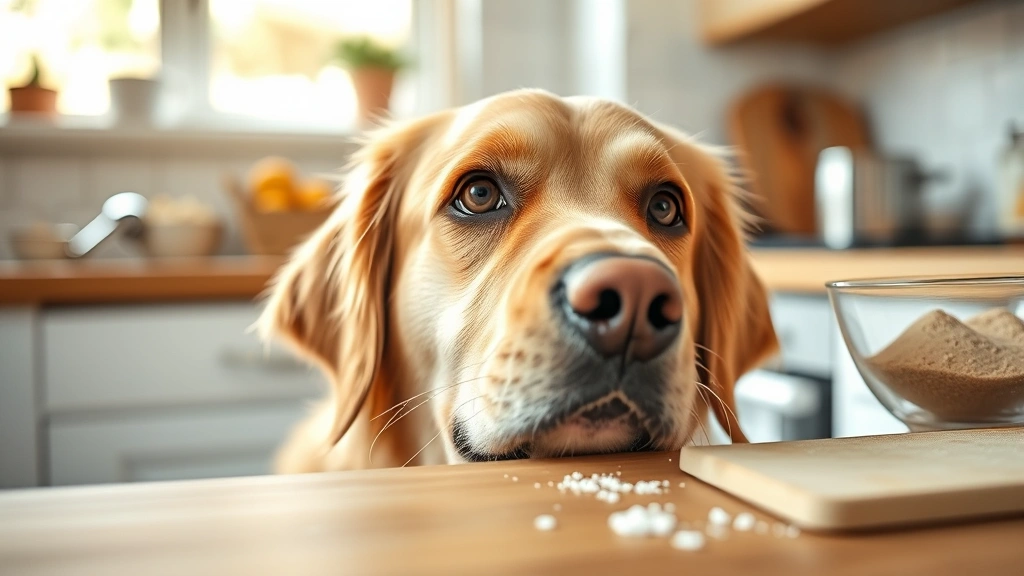
Is Baking Soda Harmful to Dogs? A Comprehensive Safety Guide
If you’re a dog parent, you’ve probably wondered about the safety of common household items. Baking soda is one of those pantry staples that seems innocent enough—after all, it’s used in baking and cleaning throughout our homes. But when it comes to our furry friends, the question becomes more complicated. Is baking soda harmful to dogs? The answer isn’t a simple yes or no, and understanding the nuances can help you keep your pup safe.
Baking soda, also known as sodium bicarbonate, is a mild alkaline compound that’s generally recognized as safe for human consumption in small amounts. However, dogs have different physiologies than humans, and what’s safe for us might not be safe for them. The good news is that tiny amounts of baking soda accidentally ingested are unlikely to cause serious harm, but intentional or excessive consumption can lead to health issues. Let’s dig into what you need to know to keep your canine companion safe.
Throughout this guide, we’ll explore the potential risks, safe uses, and what to do if your dog accidentally consumes baking soda. Whether you’re concerned about a specific incident or simply want to be an informed pet owner, this comprehensive guide will give you the peace of mind you deserve.
What Is Baking Soda?
Baking soda is a naturally occurring mineral compound called sodium bicarbonate. It’s been used for centuries as a leavening agent in baking, a deodorizer, and a cleaning product. In the kitchen, it reacts with acidic ingredients to create carbon dioxide bubbles, which makes baked goods rise and become fluffy. Outside the kitchen, people use it to absorb odors in refrigerators, freshen carpets, and clean surfaces.
The chemical composition of baking soda is straightforward: one sodium atom, one hydrogen atom, one carbon atom, and three oxygen atoms (NaHCO₃). This simplicity is part of what makes it so versatile in human applications. However, when we’re talking about dog safety, we need to consider how their bodies process this compound differently than ours.
Unlike humans who can tolerate baking soda in measured amounts (like in a glass of water for heartburn relief), dogs lack the same digestive mechanisms to process large quantities safely. Their bodies are smaller, their metabolic rates are different, and their tolerance thresholds are significantly lower. This is why understanding the distinction between trace amounts and problematic quantities is so important for pet owners.

Toxicity Levels in Dogs
The toxicity of baking soda in dogs is dose-dependent, meaning the amount ingested determines whether it will cause harm. According to veterinary toxicology resources, the concern with baking soda primarily revolves around sodium toxicity and metabolic alkalosis—a condition where the blood becomes too alkaline.
Research indicates that baking soda becomes potentially dangerous when a dog ingests more than approximately 1-2 teaspoons per pound of body weight. For a 50-pound dog, this would mean consuming around 50-100 teaspoons of baking soda. However, even smaller amounts can cause issues in toy breeds or puppies. The ASPCA Animal Poison Control Center recommends contacting them if you suspect your dog has ingested any significant amount of baking soda.
It’s important to note that accidental ingestion of small amounts—like your dog getting into a baking project or finding a small box of baking soda—is rarely life-threatening. Most dogs that accidentally consume trace amounts show no symptoms at all. The real concern comes from deliberate feeding or access to large quantities, which unfortunately some misguided people have attempted as a home remedy.
The sodium content in baking soda is particularly concerning for dogs with existing health conditions like heart disease, kidney disease, or hypertension. These dogs should have even stricter avoidance of baking soda and other sodium-heavy substances.

Symptoms of Baking Soda Toxicity
If your dog has consumed a concerning amount of baking soda, you might notice various symptoms depending on the quantity ingested and your dog’s individual sensitivity. Understanding these signs can help you determine whether veterinary care is necessary.
Common symptoms of baking soda toxicity include:
- Vomiting – Often one of the first signs, as the stomach reacts to the alkaline substance
- Diarrhea – The gastrointestinal tract may become irritated
- Tremors or muscle weakness – Resulting from electrolyte imbalances
- Lethargy – Your dog may seem unusually tired or unresponsive
- Loss of appetite – They may refuse food or treats
- Excessive drooling – A sign of nausea or gastrointestinal upset
- Seizures – In severe cases of toxicity
- Difficulty breathing – Rare but possible in extreme situations
- Confusion or disorientation – From metabolic changes
These symptoms can appear within 1-2 hours of ingestion or may develop more gradually depending on the amount consumed. If you notice any combination of these signs after your dog has access to baking soda, contact your veterinarian immediately. Similar to concerns about other household items, understanding what your dog shouldn’t consume is crucial—just as you’d want to know about why certain foods are dangerous for dogs.
The severity of symptoms can range from mild gastrointestinal upset in cases of small ingestion to serious metabolic complications in cases of large consumption. Puppies and small breeds tend to show symptoms more readily than larger dogs, as their body mass is smaller relative to the amount of baking soda ingested.
Safe Uses of Baking Soda for Dogs
While consuming baking soda is concerning, there are actually some safe and beneficial ways to use baking soda in your dog’s care routine. The key is using it externally and in appropriate dilutions.
Bathing and Skin Care: Diluted baking soda can be helpful for dogs with itchy skin or minor irritations. A paste made from baking soda and water applied to problem areas may provide relief. Some pet owners add a small amount of baking soda to their dog’s bathwater to help with itchiness, though you should always consult your vet first. This is particularly useful for dogs dealing with hot spots on dogs, which can be incredibly uncomfortable.
Ear Cleaning: A diluted baking soda solution can be used as part of an ear-cleaning routine. However, this should only be done under veterinary guidance, and you should follow the same precautions you’d use when learning how to clean dogs’ ears properly.
Odor Control: You can safely sprinkle baking soda on your dog’s bedding or in areas where they spend time to neutralize odors. Just ensure your dog doesn’t directly ingest the powder, and vacuum it up thoroughly before your pup lies down.
Dental Care: Some veterinarians suggest that a tiny amount of baking soda mixed with water can be used to gently brush a dog’s teeth, though commercial dog toothpaste is generally preferred.
The golden rule for any baking soda use on your dog is to always dilute it appropriately and consult your veterinarian before trying any home remedies. What works for one dog might not work for another, especially if your dog has underlying health conditions.
Household Risks and Prevention
The best way to protect your dog from baking soda toxicity is prevention. Understanding where baking soda lurks in your home and taking appropriate precautions can eliminate the risk entirely.
Common Baking Soda Locations:
- Kitchen pantry – The most obvious location where baking soda boxes are stored
- Refrigerator – Many people keep an open box to absorb odors
- Cleaning supply areas – Baking soda is often mixed with other substances for cleaning
- Bathrooms – Used in various cleaning and deodorizing applications
- Laundry rooms – Sometimes added to laundry for freshness
- Under sinks – Stored with other household cleaning products
Prevention Tips:
- Store baking soda in high cabinets or secure containers your dog cannot access
- Never leave an open box of baking soda unattended, especially around curious dogs
- Be cautious when baking—keep your dog out of the kitchen during food preparation
- Teach children not to feed baking soda to dogs as a “trick” or experiment
- Clean up any spills immediately
- Use childproof locks on cabinets if you have a particularly determined dog
- Consider the safety of your dog when choosing household cleaning products
Just as you’d be careful about grapes and other toxic foods, treat baking soda with the same level of caution. Your vigilance in preventing access is the most effective safety measure.
What to Do If Your Dog Ingests Baking Soda
Despite your best efforts at prevention, accidents happen. Knowing how to respond quickly and appropriately can make all the difference in your dog’s outcome.
Immediate Steps:
- Stay calm – Your dog will pick up on your anxiety, so take a deep breath and assess the situation
- Determine the amount – Try to figure out how much baking soda your dog consumed. Check if there’s packaging information available
- Note the time – Record when the ingestion occurred, as this helps your vet determine the progression of symptoms
- Remove access – Ensure your dog cannot consume any more baking soda
- Contact your veterinarian or poison control – Don’t wait to see if symptoms develop; call immediately
Information to Have Ready:
- Your dog’s weight and age
- The estimated amount of baking soda ingested
- Time of ingestion
- Any symptoms you’ve observed
- Your dog’s medical history and current medications
- Breed information, as some breeds are more sensitive
The Pet Poison Helpline is an excellent resource available 24/7 for poisoning emergencies. They charge a consultation fee but provide expert guidance. The ASPCA also maintains an Animal Poison Control Center that can be reached at (888) 426-4435.
What Your Vet Might Do:
Depending on the amount ingested and your dog’s symptoms, your veterinarian might recommend:
- Observation – For small ingestions with no symptoms, monitoring at home may be sufficient
- Induced vomiting – If caught early enough, your vet might induce vomiting to remove baking soda from the stomach
- Activated charcoal – Not typically effective for baking soda, but might be recommended in mixed ingestions
- IV fluids – To help flush the system and maintain electrolyte balance
- Blood work – To check for electrolyte imbalances and metabolic changes
- Supportive care – Treatment of symptoms like vomiting or seizures as they occur
Most dogs that receive prompt veterinary care for baking soda ingestion recover well. The prognosis depends heavily on the amount ingested and how quickly treatment was initiated.
How Baking Soda Compares to Other Harmful Substances
To put baking soda toxicity in perspective, it’s helpful to understand how it compares to other household substances that are genuinely dangerous for dogs. This context can help you prioritize your prevention efforts.
More Dangerous Than Baking Soda:
Chocolate is far more toxic to dogs than baking soda. Even small amounts of dark chocolate can cause serious problems, which is why understanding why dogs can’t have chocolate is crucial for every dog owner. Grapes and raisins are another example of substances that are extremely dangerous even in tiny quantities. Learning about whether dogs can eat grapes is essential knowledge.
Xylitol, a sugar substitute found in many sugar-free products, is acutely toxic to dogs and can cause liver failure even in small doses. Antifreeze, medications, pesticides, and certain plants are also far more dangerous than baking soda.
Similar Risk Level:
Some substances fall into a similar category as baking soda—potentially problematic in large quantities but unlikely to cause harm from accidental small ingestion. Dairy products like milk can cause digestive upset in some dogs, particularly those who are lactose intolerant, but aren’t toxic. Essential oils, including lavender, fall into a gray area where small exposures are usually fine, but concentrated forms can be problematic.
Understanding this hierarchy of danger can help you focus your prevention efforts on the truly dangerous substances while maintaining reasonable caution with moderate-risk items like baking soda.
Frequently Asked Questions
Can baking soda kill a dog?
While baking soda toxicity is dose-dependent, lethal doses are extremely high. A dog would need to consume an enormous quantity of baking soda to experience life-threatening effects. That said, very large ingestions can cause serious complications like severe electrolyte imbalances, seizures, or respiratory distress. Prompt veterinary care is essential if a large amount is consumed.
How much baking soda is toxic to dogs?
Generally, toxicity concerns arise at doses of 1-2 teaspoons per pound of body weight. For a 10-pound dog, this would be 10-20 teaspoons. However, smaller amounts might cause symptoms in sensitive dogs, particularly those with underlying health conditions. When in doubt, contact your veterinarian.
Is baking powder different from baking soda?
Yes, baking powder is different from baking soda. Baking powder contains baking soda plus acidic ingredients and fillers. While small amounts are unlikely to be problematic, baking powder also isn’t something you want your dog to consume regularly. The same prevention principles apply to both.
Can I use baking soda to clean my dog?
In diluted form, baking soda can be safe for topical use on your dog’s skin and coat. A paste or diluted solution may help with itching or odor. However, always consult your veterinarian before using any home remedies on your dog’s skin, especially if they have existing conditions.
What are signs my dog ate baking soda?
Signs include vomiting, diarrhea, tremors, lethargy, loss of appetite, excessive drooling, and in severe cases, seizures or difficulty breathing. Symptoms typically appear within 1-2 hours but can develop more gradually. If you suspect baking soda ingestion, contact your vet immediately.
Is baking soda safe for dogs with kidney disease?
Dogs with kidney disease should avoid baking soda due to its sodium content. Sodium can exacerbate kidney problems and increase blood pressure. If you have a dog with kidney disease, inform your veterinarian about any accidental baking soda exposure immediately.
Can I give my dog baking soda for upset stomach?
No, you should not give your dog baking soda for an upset stomach without explicit veterinary guidance. While humans sometimes use baking soda for heartburn relief, dogs’ digestive systems process it differently. There are veterinary-approved treatments for canine digestive upset that are much safer.
What should I do if my dog ate baking soda from a cleaning product?
If your dog ingested baking soda mixed with other cleaning chemicals, this is more concerning than pure baking soda. Contact your veterinarian or poison control immediately, as the other chemicals may be toxic. Provide as much information as possible about the product.





