
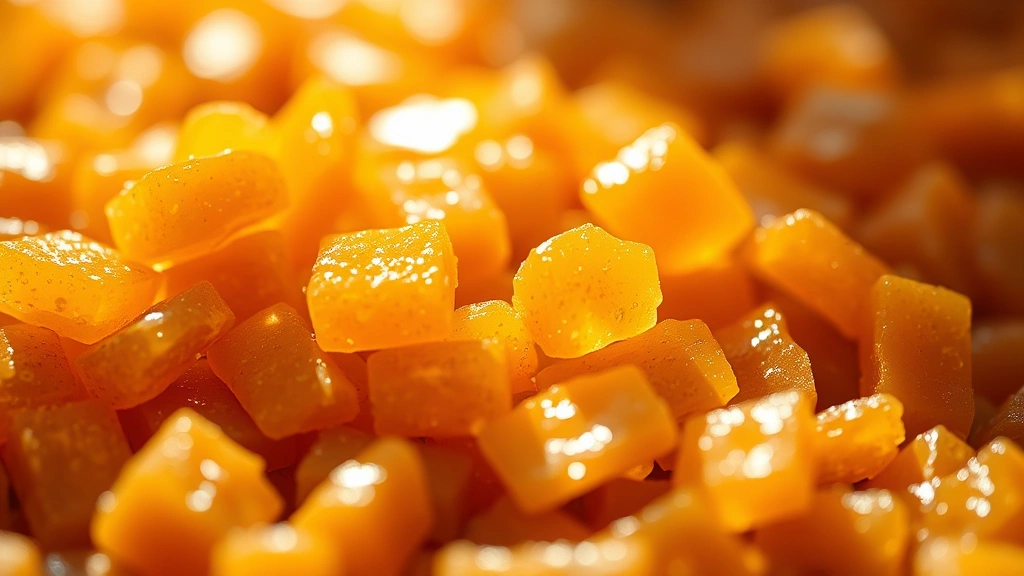
Is Caramel Bad for Dogs? Safety Tips and What You Need to Know
Picture this: you’re enjoying a delicious caramel apple at the fall festival, and your sweet pup gives you those irresistible puppy dog eyes. Before you share even a tiny piece, pump the brakes! The answer to “is caramel bad for dogs?” is a resounding yes, and the reasons might surprise you. While caramel might seem like an innocent treat, it poses several serious health risks to our furry friends that every dog owner should understand.
As a dog parent, you want to give your best friend the best life possible—and that includes protecting them from foods that could harm them. Caramel falls into a tricky category because it’s not just one ingredient; it’s a complex confection that combines multiple problematic elements for canine health. Understanding why caramel is dangerous and what to do if your pup accidentally ingests some can mean the difference between a minor scare and a veterinary emergency.
In this comprehensive guide, we’ll break down exactly why caramel is bad for dogs, explore the specific dangers lurking in those sweet strands, and provide you with practical safety tips to keep your pooch protected. Let’s dive in!
Why Is Caramel Bad for Dogs?
When we ask “is caramel bad for dogs,” the answer involves multiple layers of concern. Caramel isn’t just one problematic ingredient—it’s a perfect storm of unhealthy components for canine bodies. The primary culprits include excessive sugar, artificial sweeteners, dairy (in many formulations), and sometimes chocolate (in certain varieties). Each of these elements can cause different health problems, ranging from mild digestive upset to life-threatening emergencies.
Dogs have completely different nutritional needs than humans. Their bodies aren’t equipped to process and metabolize the concentrated sugars and additives found in human candies and confections. Unlike humans who can enjoy treats in moderation, dogs lack the ability to regulate blood sugar effectively when consuming high-sugar foods. This makes even small amounts of caramel potentially problematic for your pup’s health.
The issue becomes even more serious when you consider that caramel often contains additional ingredients beyond the basic sugar, butter, and cream mixture. Many commercial caramel products include preservatives, artificial flavors, and sweetening agents that can be toxic to dogs. Some caramel candies even contain chocolate, which adds another dangerous layer to the equation.
The Sugar Problem: A Major Health Concern
The most obvious danger in caramel is its astronomical sugar content. A single piece of caramel candy can contain 3-5 grams of sugar, and if your dog eats several pieces, they could consume dangerous amounts. For context, a small 10-pound dog should consume virtually no added sugar in their daily diet, yet one caramel piece represents a massive sugar overload.
Excessive sugar consumption in dogs leads to several serious health complications:
- Obesity: Sugar is calorie-dense and contributes to weight gain, which increases the risk of joint problems, heart disease, and diabetes
- Dental disease: Sugar feeds harmful bacteria in the mouth, leading to tooth decay, gum disease, and potential tooth loss
- Pancreatitis: High-sugar foods can trigger inflammation of the pancreas, a painful and potentially life-threatening condition
- Diabetes: Regular consumption of sugary treats increases the risk of developing canine diabetes
- Blood sugar spikes: Sudden blood sugar elevation can cause hyperactivity, anxiety, and long-term metabolic problems
When you’re wondering about other sweet treats, you might also want to know whether dogs can have sugar in general, and the answer applies to caramel as well. The bottom line is that dogs don’t need sugar, and their bodies can’t handle it the way ours can.

Xylitol and Other Sweeteners: Hidden Killers
Here’s where caramel becomes genuinely dangerous: many modern caramel products, especially “sugar-free” varieties, contain xylitol or other artificial sweeteners. Xylitol is extremely toxic to dogs and can cause severe harm even in small quantities. This sweetener is increasingly common in candy, baked goods, and “healthier” treat options, making it a hidden threat that many pet owners don’t know about.
When a dog ingests xylitol, it triggers a rapid release of insulin from the pancreas, causing severe hypoglycemia (dangerously low blood sugar). This can happen within 10-30 minutes of consumption. The symptoms are serious and can escalate quickly:
- Vomiting and diarrhea
- Tremors and seizures
- Lethargy and weakness
- Loss of coordination
- Collapse and loss of consciousness
Even more concerning, xylitol can cause liver damage (hepatotoxicity) in dogs. Some dogs develop acute liver failure within 24-72 hours of ingestion. The toxic dose of xylitol for dogs is as little as 0.1 grams per kilogram of body weight, meaning a 20-pound dog could be poisoned by consuming just a small amount of sugar-free caramel.
If you’re concerned about candy in general, it’s worth reading about whether dogs can eat candy canes, as many similar risks apply across different candy types. The principle remains the same: human candies are dangerous for dogs.
Additional Risks Beyond Sugar
Beyond sugar and xylitol, caramel products often contain other problematic ingredients:
Dairy and Lactose: While small amounts of dairy might be tolerable for some dogs, many adult dogs are lactose intolerant. Caramel typically contains butter and sometimes milk, which can cause digestive upset, diarrhea, and stomach pain in sensitive pups.
Chocolate-Covered Caramels: Some caramel products are covered in or mixed with chocolate. As you may know from our guide on why dogs can’t have chocolate, this ingredient contains theobromine, a compound toxic to canines. Chocolate toxicity can cause heart problems, nervous system damage, and in severe cases, death.
Nuts and Other Additions: Many caramel candies include nuts, which can pose choking hazards or contain ingredients toxic to dogs (like macadamia nuts). Some caramels also contain raisins or grapes, which are highly toxic to dogs.
Artificial Additives: Preservatives, colorants, and flavorings in commercial caramel products aren’t formulated for canine safety. Some can cause allergic reactions, digestive upset, or other adverse effects.
If your dog has already gotten into chocolate, you should familiarize yourself with what to do if your dog eats chocolate, as the emergency response may be similar for chocolate-caramel combinations.

Signs Your Dog Ate Caramel
If you suspect your dog has consumed caramel, watch carefully for these warning signs over the next few hours and days:
Immediate Symptoms (within 30 minutes to 2 hours):
- Vomiting or retching
- Diarrhea or loose stools
- Excessive drooling
- Abdominal pain (restlessness, whining, hunched posture)
- Loss of appetite
- Hyperactivity or anxiety
Delayed Symptoms (hours to days later):
- Lethargy and depression
- Weakness or collapse
- Tremors or seizures (especially with xylitol ingestion)
- Lack of coordination
- Jaundice (yellowing of gums and whites of eyes, indicating liver damage)
- Increased thirst and urination
The severity of symptoms depends on several factors: your dog’s size, the amount of caramel consumed, the specific ingredients in the caramel product, and your individual dog’s sensitivity. A small dog who eats a single piece of caramel might experience mild digestive upset, while a larger dog eating the same amount might show no immediate symptoms. However, sugar-free caramels containing xylitol are dangerous at much smaller quantities regardless of dog size.
What to Do If Your Dog Eats Caramel
Step 1: Stay Calm and Assess the Situation
First, take a deep breath. Not every instance of caramel consumption will result in a medical emergency, but you need to act quickly and decisively. Determine what your dog ate: How much caramel? What kind? Does it contain chocolate? Is it sugar-free? Try to find the packaging or ingredient list if possible.
Step 2: Contact Your Veterinarian or Poison Control
Don’t wait to see if symptoms develop—call your vet immediately, even if it’s after hours. Many veterinary clinics have emergency lines, and your vet can advise whether your dog needs to be seen. You can also contact the ASPCA Animal Poison Control Center at (888) 426-4435 (a consultation fee may apply). Have the following information ready:
- Your dog’s weight and age
- The exact amount of caramel consumed (if known)
- The type of caramel and all ingredients (check the package)
- When the caramel was consumed
- Any symptoms your dog is currently showing
Step 3: Monitor Your Dog Closely
Watch your pup like a hawk for the next 24-48 hours. Keep a log of any symptoms, changes in appetite, bathroom habits, or behavior. Note the times symptoms appear, as this information will be valuable to your vet.
Step 4: Provide Supportive Care at Home
If your vet doesn’t recommend emergency treatment, you can help your dog feel more comfortable:
- Withhold food for 6-8 hours to allow the digestive system to settle
- Offer small amounts of water frequently
- Provide a quiet, comfortable space for rest
- Avoid giving additional treats or new foods
- Keep your dog calm and minimize activity
Step 5: Follow Up with Your Veterinarian
Even if your dog seems fine, follow up with your vet as recommended. Some conditions (like liver damage from xylitol) develop over time and might not be immediately apparent. Your vet may recommend blood work or other diagnostics to ensure your dog is truly okay.
Remember, when in doubt, it’s always better to err on the side of caution and contact your vet. They can provide specific guidance based on your dog’s individual situation and health history.
Dog-Friendly Treat Alternatives
The good news? There are plenty of delicious treats your dog can safely enjoy without the risks associated with caramel. Here are some nutritious and tasty alternatives:
Fruit Treats:
- Apple slices (without seeds)
- Banana pieces (in moderation)
- Blueberries
- Watermelon (seedless)
- Pumpkin puree
Vegetable Treats:
- Carrots (great for teeth cleaning too!)
- Green beans
- Sweet potato slices
- Cucumber
- Broccoli (in small amounts)
Protein-Based Treats:
- Plain cooked chicken breast
- Turkey pieces
- Hard-boiled eggs
- Plain Greek yogurt (for lactose-tolerant dogs)
- Peanut butter (xylitol-free varieties only)
Commercial Dog Treats:
Look for treats specifically formulated for dogs. Quality dog treats are made with canine nutritional needs in mind and don’t contain dangerous additives. Check the ingredient list and choose products from reputable manufacturers. If you’re curious about what dogs can have in general, our detailed guide on whether dogs can have caramel provides additional context about treat safety.
These alternatives satisfy your dog’s desire for something special without putting their health at risk. You’ll feel good knowing you’re treating your pup to something safe and nutritious!
Frequently Asked Questions
Can a small amount of caramel hurt my dog?
Yes, even small amounts of caramel can potentially harm your dog. The danger depends on the specific ingredients and your dog’s size. A single piece of regular caramel might cause mild digestive upset in a larger dog, but sugar-free caramels containing xylitol are dangerous in much smaller quantities—even a lick could be problematic. When in doubt, contact your veterinarian.
What if my dog ate caramel corn?
Caramel corn is particularly concerning because it combines caramel with corn kernels, which can be a choking hazard or cause digestive blockages. The caramel coating still poses all the sugar and potential xylitol risks. Follow the same protocol: contact your vet immediately and monitor your dog closely for symptoms.
Is homemade caramel safer for dogs than store-bought?
Homemade caramel made with just sugar, butter, and cream is still dangerous for dogs due to the high sugar content. However, it doesn’t contain xylitol or other artificial additives, which makes it slightly less toxic than sugar-free varieties. That said, it’s still not safe for dogs and should never be intentionally given to your pup. Keep all caramel, homemade or commercial, away from your dog’s reach.
How quickly do xylitol symptoms appear in dogs?
Xylitol toxicity can cause symptoms within 10-30 minutes of ingestion, though some dogs may not show signs for several hours. Liver damage can develop over 24-72 hours. This is why immediate veterinary attention is critical if you suspect xylitol consumption.
Can I give my dog sugar-free caramel?
Absolutely not. Sugar-free caramels are often more dangerous than regular caramel because they typically contain xylitol or other artificial sweeteners that are toxic to dogs. Never give your dog sugar-free candy or treats unless they’re specifically formulated for dogs.
What’s the difference between caramel toxicity and chocolate toxicity?
While both are dangerous, the mechanisms differ. Chocolate contains theobromine, which affects the heart and nervous system. Caramel’s danger comes primarily from sugar and (in sugar-free varieties) xylitol, which affects blood sugar and the liver. However, chocolate-covered caramels combine both dangers, making them especially hazardous.
Should I induce vomiting if my dog eats caramel?
Don’t induce vomiting unless specifically directed by your veterinarian. In some cases, inducing vomiting can cause more harm than good. Your vet will determine whether vomiting induction is appropriate based on the type and amount of caramel consumed and how much time has passed. Always call your vet first before taking any action.
How can I prevent my dog from eating caramel?
Prevention is the best medicine. Store all caramel candies and caramel-containing products in sealed containers in cabinets or areas your dog can’t access. Be especially vigilant during holidays when caramel treats are more common. Educate family members, especially children, about not sharing human foods with the dog. Consider keeping a list of toxic foods on your refrigerator as a reminder.





