
Is Cauliflower Safe for Dogs? What Experts Say
As a devoted dog parent, you’ve probably wondered whether your furry best friend can enjoy some of the healthy veggies from your dinner plate. Cauliflower is a nutritious cruciferous vegetable that humans love, but is cauliflower safe for dogs? The short answer is yes—but there are important guidelines you should follow to ensure your pup enjoys this veggie safely and reaps its benefits.
We’ve done the research and consulted expert guidance to bring you a comprehensive guide on feeding cauliflower to your canine companion. Whether you’re looking to add a low-calorie treat to your dog’s diet or searching for healthy alternatives to store-bought snacks, cauliflower might be exactly what you’re looking for. Let’s dive into what veterinarians and pet nutrition experts have to say about this humble vegetable.
The good news is that cauliflower is completely non-toxic to dogs and can actually provide several nutritional benefits when served properly. However, preparation method, portion size, and individual dog health considerations all play crucial roles in determining whether cauliflower is right for your specific pup.
Is Cauliflower Safe for Dogs?
Yes, cauliflower is absolutely safe for dogs when prepared correctly and given in appropriate quantities. According to the American Kennel Club, cauliflower is a dog-safe vegetable that can be incorporated into your pup’s diet as an occasional treat or supplement. The vegetable contains no compounds that are toxic to canines, making it a worry-free option for health-conscious pet owners.
What makes cauliflower particularly appealing is that it’s a low-calorie food—just 25 calories per cup—which makes it ideal for dogs on a weight management plan or those who need to watch their caloric intake. Unlike many commercial dog treats that are high in fats and fillers, cauliflower offers nutritional value without the empty calories.
The ASPCA also confirms that cauliflower is non-toxic and safe for dogs, though they recommend introducing any new food gradually to avoid digestive upset. This is particularly important for dogs with sensitive stomachs or those unaccustomed to vegetables in their diet.
Nutritional Benefits of Cauliflower
Beyond being safe, cauliflower actually packs some impressive nutritional benefits for your four-legged friend. This cruciferous vegetable is rich in vitamins and minerals that support canine health in various ways.
Key nutrients found in cauliflower include:
- Vitamin C: Supports immune system function and acts as an antioxidant to protect cells from damage
- Vitamin K: Essential for blood clotting and bone health
- Folate: Important for cell division and DNA synthesis
- Potassium: Helps regulate heart function and muscle contractions
- Manganese: Supports bone development and metabolism
- Fiber: Promotes digestive health and regular bowel movements
- Antioxidants: Help reduce inflammation and support overall cellular health
The fiber content in cauliflower is particularly beneficial for dogs experiencing digestive sluggishness, though portion control is essential to avoid creating the opposite problem. If your dog deals with digestive issues like diarrhea, cauliflower can be helpful when introduced gradually.
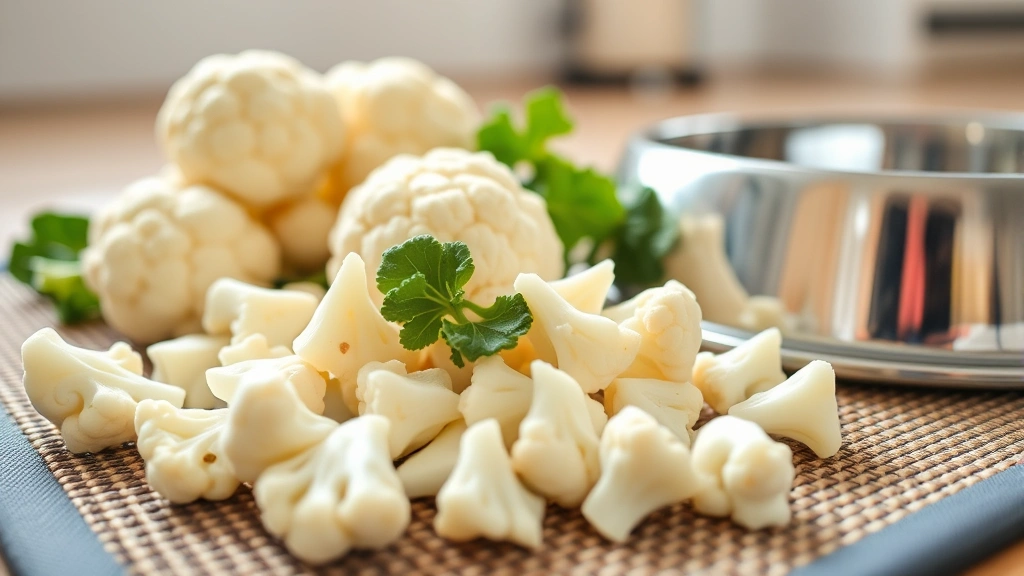
Additionally, cauliflower contains compounds called glucosinolates, which have been studied for their potential anti-cancer properties in both humans and animals. While more research is needed specifically for canines, these compounds are another reason why cauliflower is considered a superfood for dogs.
How to Prepare Cauliflower for Dogs
Preparation method is absolutely crucial when feeding cauliflower to your dog. The way you prepare this vegetable can significantly impact its digestibility and safety for your pup.
Raw Cauliflower: Raw cauliflower florets are perfectly safe for dogs and can be given as-is. Many dogs enjoy the crunch of raw cauliflower, and it can even help clean their teeth naturally. However, raw cauliflower is tougher to digest, so it’s best given in small pieces to prevent choking hazards.
Steamed or Boiled Cauliflower: This is the recommended preparation method for most dogs. Steaming cauliflower for 5-10 minutes softens it, making it easier to digest while retaining most of its nutritional value. Boiling is also acceptable, though some nutrients leach into the water. Always ensure the cauliflower has cooled completely before serving to your dog.
What to Avoid: Never serve cauliflower with added seasonings, garlic, onions, or excessive salt. These additions can be harmful to your dog and negate the health benefits of the vegetable itself. Plain preparation is always the safest approach.
Portion Control: When determining appropriate portion sizes, remember that treats should comprise no more than 10% of your dog’s daily caloric intake. For most dogs, this means just a few small florets as an occasional snack.

Potential Risks and Considerations
While cauliflower is generally safe, certain situations warrant caution or avoidance altogether.
Digestive Issues: Some dogs experience gas or bloating when eating cruciferous vegetables like cauliflower due to their fiber content and complex carbohydrates. If your dog has a sensitive digestive system, introduce cauliflower very gradually and monitor for any adverse reactions. Start with a single small floret and wait a few days before offering more.
Choking Hazard: Raw cauliflower florets can pose a choking risk, particularly for dogs who don’t chew thoroughly or have a tendency to gulp their food. Cut pieces into appropriate sizes for your dog’s mouth and always supervise during feeding.
Allergic Reactions: Though rare, some dogs may have sensitivities to cruciferous vegetables. Signs of an allergic reaction include itching, vomiting, diarrhea, or swelling of the face or throat. Discontinue feeding immediately and contact your veterinarian if you notice these symptoms.
Thyroid Concerns: Cruciferous vegetables contain compounds called goitrogens that can interfere with thyroid function when consumed in very large quantities. However, the amount of cauliflower a dog would need to eat to cause concern is unrealistic in a normal diet. This is only a consideration if cauliflower becomes a primary food source, which it shouldn’t.
Underlying Health Conditions: Dogs with certain health conditions should consult with their veterinarian before eating cauliflower. Those with kidney disease, urinary issues, or specific dietary restrictions may need to avoid this vegetable.
Cauliflower vs. Other Dog-Friendly Vegetables
You might be wondering how cauliflower stacks up against other vegetables you could offer your dog. Let’s compare it with some popular alternatives.
Cauliflower vs. Broccoli: Both are cruciferous vegetables with similar nutritional profiles. Broccoli contains slightly more vitamin C and calcium, while cauliflower is slightly lower in fiber. Both carry similar risks regarding gas and bloating. The choice often comes down to personal preference—some dogs prefer the milder flavor of cauliflower.
Cauliflower vs. Carrots: Carrots are sweeter and contain more natural sugars than cauliflower, making them more appealing to some dogs. Carrots also contain more beta-carotene. However, carrots are slightly higher in calories. Both are excellent choices for dental health.
Cauliflower vs. Sweet Potatoes: Sweet potatoes are higher in natural sugars and calories but offer excellent vitamin A content. They’re more calorie-dense than cauliflower, so portion control is even more critical. Sweet potatoes are better for dogs needing more calories, while cauliflower suits weight-conscious pups.
For a comprehensive understanding of which vegetables are safe for dogs, consider creating a rotation of different options to provide varied nutrients and keep your pup interested in their healthy snacks.
According to the University of California Davis School of Veterinary Medicine, variety in treat selection helps ensure your dog receives a broader spectrum of nutrients while preventing boredom. Rotating between cauliflower, carrots, green beans, and other safe vegetables creates a more balanced supplemental diet.
Frequently Asked Questions
Can puppies eat cauliflower?
Yes, puppies can eat cauliflower, but only in very small amounts. Puppies have developing digestive systems and should be introduced to new foods gradually. Start with tiny pieces of steamed cauliflower and monitor for any digestive upset. Since puppies require specific nutrient ratios for proper growth and development, consult your veterinarian before adding vegetables to their diet.
How much cauliflower can I safely give my dog?
As a general rule, treats should make up no more than 10% of your dog’s daily caloric intake. For most dogs, this translates to just a few small florets per week. A small dog might have 2-3 florets, while a large dog could have up to 5-6 small pieces. Always account for this in your dog’s total daily calorie consumption.
Can dogs eat cauliflower rice?
Cauliflower rice—finely chopped cauliflower—is safe for dogs and actually easier to digest than whole florets. It’s a great option for dogs with sensitive stomachs or those who struggle with larger pieces. Plain, unseasoned cauliflower rice can be mixed with their regular food as a supplement or given as a standalone treat.
Is frozen cauliflower safe for dogs?
Frozen cauliflower is perfectly safe for dogs and can be a refreshing treat on hot days. Simply thaw it and serve plain, or steam it first if you prefer. Frozen vegetables retain most of their nutritional value and can be more convenient than fresh options. Just ensure there are no added seasonings or sauces.
What should I do if my dog eats a large amount of cauliflower?
If your dog accidentally consumes a large quantity of cauliflower, don’t panic. While it’s not toxic, they may experience digestive upset including gas, bloating, or loose stools. Monitor your dog closely and contact your veterinarian if symptoms persist or worsen. Most cases resolve naturally within 24-48 hours.
Can cauliflower help with dog weight loss?
Yes, cauliflower can be an excellent tool for weight management. At just 25 calories per cup, it’s perfect for dogs on a diet. You can use small pieces as low-calorie treats or mix steamed cauliflower with regular food to increase volume without significantly increasing calories. This can help your dog feel fuller while consuming fewer total calories.
Are there any dogs that shouldn’t eat cauliflower?
Dogs with kidney disease, certain urinary conditions, or those with known sensitivities to cruciferous vegetables should avoid cauliflower. Additionally, dogs with severe digestive disorders or those on strict therapeutic diets should consult their veterinarian before consuming cauliflower. When in doubt, always check with your vet.
Can dogs eat cauliflower stems and leaves?
Yes, cauliflower stems and leaves are safe for dogs and are actually quite nutritious. Many dogs find them more interesting than the florets due to their texture. Cut them into appropriate sizes and prepare them the same way you would the florets—steamed is preferable to raw for easier digestion.
How do I introduce cauliflower to my dog?
Start with a single small piece of steamed cauliflower and wait 3-5 days to ensure your dog tolerates it well. If no digestive issues occur, you can gradually increase the amount. This slow introduction allows your dog’s digestive system to adapt and helps you identify any potential sensitivities.