
Is Glycerin Bad for Dogs? What Experts Recommend
If you’ve ever scrolled through dog treat ingredients or examined your pup’s toothpaste, you’ve probably spotted glycerin on the label. This sticky, sweet substance shows up everywhere in pet products, from treats to dental chews to medications. But here’s the million-dollar question every responsible dog parent asks: is glycerin bad for dogs?
The short answer? Not exactly. But like most things in life, the devil’s in the details. Glycerin isn’t inherently toxic to dogs, but understanding how it works, where it hides, and when it might cause problems is crucial for keeping your furry friend safe and healthy.
Let’s dive deep into this sticky subject and separate fact from fiction so you can make informed decisions about what goes into your dog’s body.
What Exactly Is Glycerin?
Glycerin, also called glycerol, is a simple sugar alcohol that’s been used in food, cosmetics, and pharmaceutical products for centuries. It’s sweet to taste, thick in consistency, and incredibly versatile. Think of it as nature’s multitasker—it shows up in everything from human skincare products to industrial applications.
In the pet industry, glycerin serves several practical purposes. It acts as a sweetener (though less potent than sugar), a humectant (something that retains moisture), and a preservative. Pet manufacturers love it because it keeps treats soft, extends shelf life, and makes products more palatable to picky eaters. The stuff is literally designed to make your dog’s treats more appealing.
Glycerin comes in two main varieties: vegetable glycerin (derived from vegetable oils) and synthetic glycerin (created through chemical processes). Most pet products use vegetable glycerin because it’s considered more natural and sustainable. However, the type matters less than the quantity and context of use.
The Safety Profile: Is It Toxic?
Here’s where things get reassuring: glycerin itself is not toxic to dogs in small to moderate amounts. The ASPCA and most veterinary toxicologists don’t classify glycerin as a dangerous substance for canines. It’s generally recognized as safe (GRAS) by the FDA for human consumption, and similar standards apply to pet products.
Your dog’s digestive system can process glycerin without major issues. It’s absorbed through the intestines and metabolized relatively efficiently. In fact, glycerin appears in some prescription dog medications and dental products specifically approved by veterinarians. If it were dangerously toxic, these products wouldn’t exist in the veterinary marketplace.
The real concern isn’t whether glycerin is inherently poisonous—it’s not. The concern is about quantity, frequency, and individual dog sensitivity. A tiny amount in an occasional treat? Probably fine. Excessive consumption daily? That’s where problems might emerge.
Where Glycerin Hides in Dog Products
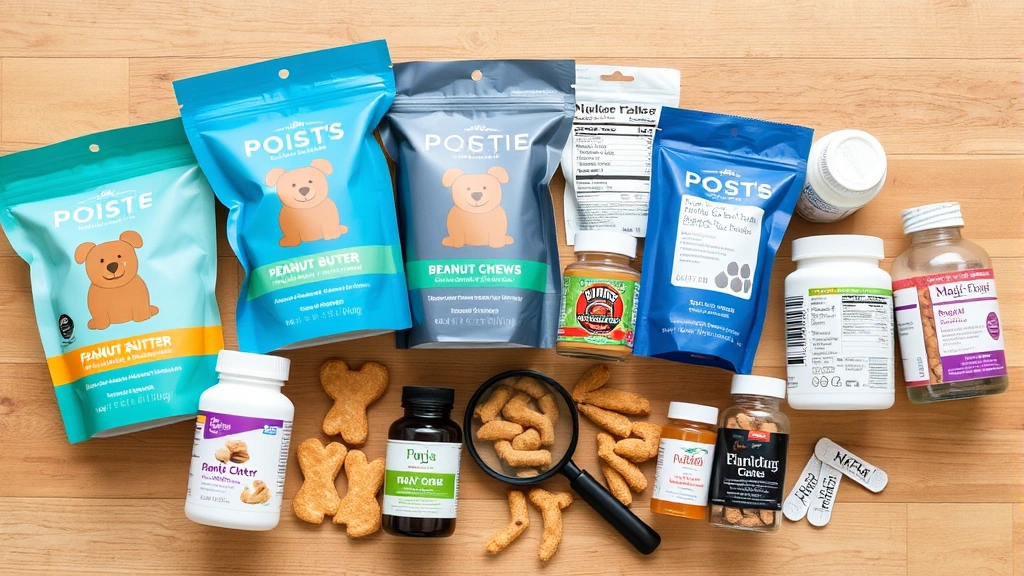
Glycerin is sneakier than you might think. It’s not just in obvious treat products. Here are the main culprits:
- Dog treats and chews: Almost every soft treat, dental chew, and flavored stick contains glycerin as a primary ingredient
- Peanut butter treats: If you’re wondering about can dogs have peanut butter, many commercial peanut butter dog products contain added glycerin for texture and preservation
- Toothpaste: Enzymatic and flavored dog toothpastes rely heavily on glycerin for consistency and palatability
- Medications: Many liquid dog medications use glycerin as a sweetening agent to mask bitter flavors
- Dental gels: Products designed to freshen breath often contain glycerin as a base
- Homemade treat recipes: Some DIY dog treat recipes call for glycerin as a binding agent
The prevalence of glycerin in pet products means most dogs consume some amount regularly, especially if they enjoy commercial treats. This is why understanding its effects matters so much for your pup’s wellbeing.
Potential Health Concerns
While glycerin isn’t toxic, several concerns deserve your attention:
Digestive Upset
Glycerin is a sugar alcohol, and like other sugar alcohols, it can have a laxative effect in dogs, particularly in large amounts. If your dog suddenly starts having loose stools or diarrhea after consuming glycerin-heavy treats, this is likely the culprit. Some dogs have more sensitive digestive systems than others, so individual responses vary significantly.
Blood Sugar Spikes
Though glycerin is less sweet than sugar, it still affects blood glucose levels. Dogs with diabetes or prediabetic conditions need careful monitoring. If your veterinarian has recommended a low-sugar diet, glycerin-laden treats should be approached cautiously. This is especially important if you’re also concerned about can dogs eat sweetener products more broadly.
Obesity and Weight Management
Glycerin contributes calories without providing nutritional value. Regular consumption of glycerin-heavy treats can contribute to weight gain, particularly in less active dogs or those prone to obesity. Extra weight leads to joint problems, diabetes, and shortened lifespans.
Dental Concerns
Ironically, while some glycerin-based products claim to support dental health, the sweetness can also feed harmful bacteria in the mouth. The balance between dental benefits and sugar-feeding effects varies by product formulation.

Xylitol Contamination Risk
Here’s where things get serious: some glycerin-containing products also contain is xylitol safe for dogs—and xylitol IS toxic to dogs. This artificial sweetener can cause severe liver damage and hypoglycemia. Always check product labels carefully to ensure glycerin-only formulations without xylitol. This is also relevant when considering can dogs eat gum products, which frequently contain xylitol.
What Veterinary Experts Recommend
The consensus among veterinary professionals is remarkably consistent: glycerin itself isn’t the enemy, but moderation is key. The American Kennel Club acknowledges that glycerin appears in many approved pet products but recommends checking overall ingredient lists and nutritional content.
Dr. Jennifer Coates, a veterinary nutritionist, emphasizes that treats should comprise no more than 10% of a dog’s daily caloric intake. When glycerin-containing treats make up a significant portion of that 10%, problems can develop. The key is balance and awareness.
Most veterinarians recommend:
- Read labels thoroughly: Know what’s in every product your dog consumes
- Limit treat frequency: Save glycerin-heavy treats for occasional indulgences, not daily snacks
- Monitor individual response: If your dog shows digestive upset, reduce or eliminate glycerin-containing products
- Choose whole-food alternatives: Prioritize natural treats without added sweeteners when possible
- Consult your veterinarian: Especially if your dog has diabetes, weight issues, or digestive sensitivities
Safer Alternatives to Consider
If you’re concerned about glycerin or want to reduce your dog’s intake, numerous alternatives exist:
- Whole fruits and vegetables: Carrots, apples, and green beans provide natural sweetness without additives
- Plain peanut butter: Check that it doesn’t contain xylitol and offer it in moderation
- Meat-based treats: Freeze-dried or air-dried meat products offer protein without glycerin
- Pumpkin: Plain canned pumpkin serves as a natural treat and aids digestion
- Bone broth: Frozen bone broth provides flavor and nutritional benefits
- Homemade treats: Make your own using dog-safe ingredients you control completely
These alternatives often provide better nutritional value than commercial glycerin-laden treats anyway. Your dog doesn’t need fancy processed snacks to be happy—they just need your attention and quality ingredients.
How to Read Labels Like a Pro
Becoming a label-reading expert takes practice but pays dividends for your dog’s health:
First, identify glycerin’s position: Ingredients list items by weight. If glycerin appears in the first five ingredients, that product contains substantial amounts. If it’s further down the list, the quantity is likely minimal.
Look for the specific type: “Vegetable glycerin” is preferable to unlabeled “glycerin,” though both are generally safe.
Check for xylitol: This is non-negotiable. Xylitol must never be in your dog’s treats. Some manufacturers sneakily hide it under alternative names, so research suspicious ingredients.
Also examine can dogs eat jello products and similar gelatin-based treats—these often contain glycerin as well.
Verify caloric content: Calculate whether treats fit within that 10% daily treat allowance for your specific dog’s size and activity level.
Research the manufacturer: Reputable companies provide detailed ingredient sourcing and testing information. If a company won’t answer questions about their ingredients, that’s a red flag.
Watch for marketing tricks: “Natural,” “healthy,” and “grain-free” labels don’t necessarily mean low-glycerin or high-nutrition. Read the actual ingredient list, not the marketing claims.
Frequently Asked Questions
Is vegetable glycerin safer than other types for dogs?
Vegetable glycerin is generally considered preferable because it comes from renewable plant sources rather than synthetic chemicals. However, the safety difference is minimal—both types are processed similarly once ingested. The bigger concern is quantity rather than source.
Can glycerin cause kidney or liver damage in dogs?
No, glycerin doesn’t cause kidney or liver damage in normal amounts. Dogs metabolize glycerin without excessive strain on these organs. However, dogs with existing kidney or liver disease should have their treat intake carefully controlled by their veterinarian.
My dog ate a whole package of glycerin treats—is that an emergency?
Probably not an emergency, but monitor your dog closely. You might see diarrhea or digestive upset within 24 hours. Contact your veterinarian if symptoms persist beyond a day or if your dog shows signs of distress. This is different from xylitol poisoning, which requires immediate emergency care.
Is glycerin in dog toothpaste safe to swallow?
Yes, small amounts in toothpaste are safe. However, dogs shouldn’t swallow large quantities. Use dog-specific toothpaste (never human toothpaste) and supervise brushing to minimize swallowing.
What’s the difference between glycerin and xylitol in dog products?
This is crucial: glycerin is safe in moderation; xylitol is toxic even in small amounts. Xylitol can cause liver failure and severe hypoglycemia in dogs. Always check labels specifically for xylitol, which some products sneakily include alongside glycerin.
Should I avoid all glycerin-containing products?
Not necessarily. Occasional treats with glycerin are fine for most healthy dogs. The key is moderation and awareness. If your dog has specific health conditions, consult your veterinarian about whether glycerin-containing treats are appropriate.
How can I tell if my dog is sensitive to glycerin?
Watch for loose stools, diarrhea, vomiting, or excessive gas after consuming glycerin-containing treats. If you notice these symptoms consistently, eliminate glycerin products and see if symptoms resolve. If they do, your dog likely has glycerin sensitivity.
Are there any benefits to glycerin for dogs?
Some glycerin-based dental products can help reduce plaque and freshen breath, though the evidence is mixed. Additionally, glycerin’s humectant properties help keep treats fresh and palatable. However, these benefits don’t outweigh potential concerns for dogs with sensitivities or health conditions.
Should diabetic dogs avoid glycerin?
Diabetic dogs should have glycerin-containing treats limited significantly. While glycerin has a lower glycemic index than sugar, it still affects blood glucose levels. Work with your veterinarian to determine appropriate treat options for your diabetic dog.
Is homemade dog food safer than commercial products with glycerin?
Homemade food can be safer if formulated correctly, but it requires careful nutritional planning. Work with a veterinary nutritionist to ensure homemade diets provide complete, balanced nutrition. Simply avoiding glycerin doesn’t guarantee better nutrition overall.





