
Is Kibble Bad for Dogs? What Experts Recommend
If you’ve ever scrolled through dog parent forums or chatted with fellow pet owners at the dog park, you’ve probably encountered the great kibble debate. Some swear by it, others claim it’s the canine equivalent of fast food, and a few insist their dog thrives on nothing else. So what’s the real story? Is kibble actually bad for dogs, or has it become the scapegoat for all things nutritionally questionable in the pet food world?
The truth is more nuanced than a simple yes or no. Kibble—that convenient, shelf-stable dry dog food—has been a staple in households for decades, and millions of dogs live perfectly healthy lives eating it. However, like any food category, quality varies wildly. Some kibbles are nutritionally complete and balanced, while others cut corners in ways that might leave your pup less than thriving. Let’s dig into what the experts actually say and help you make the best choice for your furry friend.
Whether you’re a devoted kibble feeder, a fresh-food enthusiast, or somewhere in between, understanding the facts will help you navigate the overwhelming world of dog nutrition with confidence. No judgment here—just science, practical advice, and real talk about what your dog’s bowl should contain.
What Exactly Is Kibble?
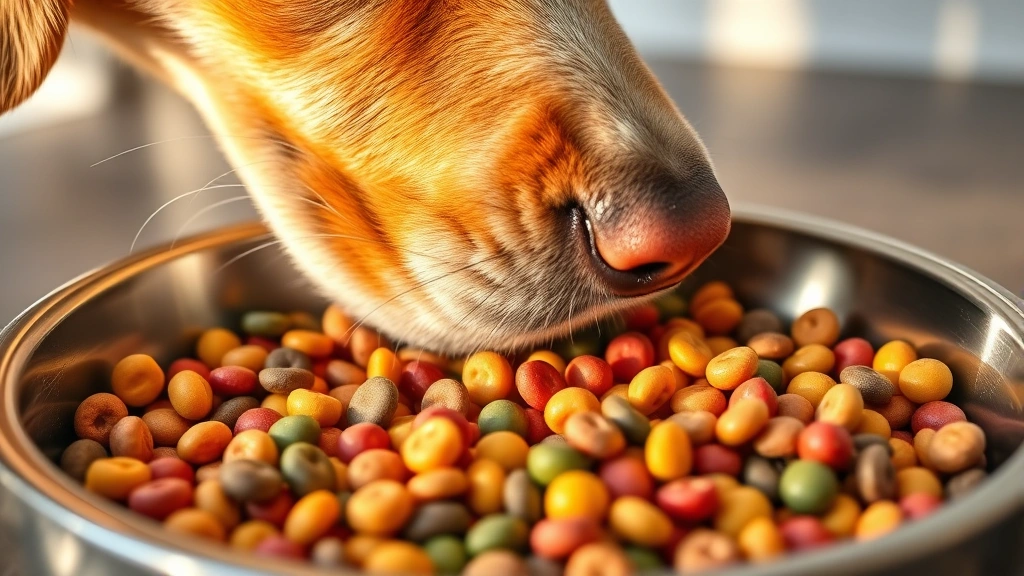
Before we can determine whether kibble is bad for dogs, we need to understand what we’re actually talking about. Kibble is a dry dog food made from a mixture of meat, grains or grain alternatives, vegetables, vitamins, and minerals. The ingredients are cooked, mixed together, and then extruded—a process that forces the mixture through a machine to create those uniform little nuggets you see in the bag.
This extrusion process involves high heat and pressure, which serves several purposes. It kills pathogens, improves digestibility, and creates a shelf-stable product that can last months without refrigeration. The kibble is then often coated with fat and other flavorings to make it more palatable to dogs (and let’s be honest, to appeal to us humans who buy it).
Kibble comes in countless varieties—from budget-friendly options to premium, grain-free formulations. Some brands focus on specific life stages, health conditions, or breed sizes. Others market themselves as grain-free, high-protein, or ancestral diet mimics. Understanding these distinctions is crucial when evaluating whether kibble could be problematic for your particular dog.
The Nutrition Debate: Is Kibble Actually Problematic?
Here’s where things get interesting. The short answer is: not necessarily. The longer answer requires us to separate fact from marketing hype and personal anecdotes.
According to the Association of American Feed Control Officials (AAFCO), which sets nutritional standards for pet food, a properly formulated kibble can meet all of your dog’s nutritional requirements. Many mainstream kibbles are formulated to meet AAFCO standards, meaning they contain the appropriate balance of proteins, fats, carbohydrates, vitamins, and minerals.
However—and this is a significant however—not all kibbles are created equal. Some manufacturers prioritize profit margins over nutrition, using low-quality protein sources, excessive fillers, and artificial preservatives. This is where the reputation of kibble as “junk food” for dogs originates. When you compare a budget kibble to a premium one, the difference in ingredient quality is stark.
The concern some veterinarians and nutritionists raise isn’t about kibble as a category, but rather about certain practices within the industry. These include excessive carbohydrate content, low-quality protein sources, artificial additives, and the lack of transparency about ingredient sourcing.
Pros and Cons of Kibble Feeding
Let’s be fair and balanced here. Kibble isn’t perfect, but it’s not evil either. Understanding both sides helps you make an informed decision for your dog.
The Advantages of Kibble
- Convenience: Kibble requires zero preparation. Scoop, pour, done. This matters when life gets hectic.
- Cost-Effective: Quality kibble is generally more affordable than fresh or raw diets. Budget-conscious pet parents can still feed their dogs well without breaking the bank.
- Dental Benefits: The mechanical action of chewing kibble can help reduce tartar buildup, though this shouldn’t replace proper dental care.
- Shelf Stability: Kibble lasts for months, making it ideal for households that can’t always access fresh food or for travel.
- Portion Control: It’s easy to measure portions accurately, which helps prevent overfeeding and obesity.
- Consistency: Quality-controlled kibble provides consistent nutrition from bag to bag, unlike some homemade diets.
The Disadvantages and Concerns
- Processing: The high-heat extrusion process can destroy some heat-sensitive nutrients, though manufacturers typically add these back in.
- Variable Quality: The range in ingredient quality is enormous. You might be feeding your dog anything from premium meat to rendered by-products.
- Fillers and Carbs: Some kibbles contain excessive grain or carbohydrate fillers to keep costs down. Dogs don’t have a dietary requirement for grains.
- Artificial Additives: Budget kibbles often contain artificial colors, flavors, and preservatives that some people prefer to avoid.
- Less Moisture: Kibble contains only 10-12% moisture compared to fresh food’s 70-80%, which some argue is less natural for dogs.
- Palatability Issues: Some dogs simply don’t find kibble appealing, leading to picky eating or nutritional imbalances if owners don’t find the right formula.
Why Quality Matters More Than You Think
If you’re asking “is kibble bad for dogs,” the more relevant question might be: “Is this particular kibble bad for my dog?” Quality is absolutely the differentiating factor.
When evaluating kibble, look at the ingredient list. The first few ingredients should be identifiable protein sources like chicken, beef, fish, or lamb—not “meat meal,” “animal by-products,” or vague terms like “poultry.” While meat meals aren’t inherently bad (they’re concentrated protein), transparency matters.
Consider brands that have undergone feeding trials, not just theoretical formulation. Feeding trials are conducted on actual dogs to verify that the food delivers the claimed nutrition. This is more reliable than computer-calculated formulations alone.
It’s also worth researching a brand’s history and recall record. Companies that have never had recalls or who handle recalls transparently tend to be more trustworthy than those with a checkered past. The FDA’s pet food recall database is an excellent resource for checking this information.
When comparing options, you might wonder about specific brands. Is Purina a good dog food? Or perhaps you’re curious about whether Pedigree is good for dogs. Then there’s the premium question of whether Blue Buffalo is good for dogs. The answer to all of these is nuanced—quality varies by specific formula, and what works for one dog might not work for another.
Kibble Alternatives and Hybrid Approaches
If you’ve decided that kibble alone isn’t right for your dog, you have options. The good news is that you don’t have to choose between kibble and nothing.
Fresh and Raw Diets
Fresh or raw diets aim to mimic what dogs might eat in nature. While some dogs thrive on these diets, they require careful formulation to ensure complete nutrition. Working with a veterinary nutritionist is highly recommended to avoid deficiencies. These diets are also more expensive and require more preparation time.
Cooked Homemade Diets
Some owners prepare cooked meals for their dogs at home. Again, proper formulation is critical—too many homemade diets are nutritionally incomplete. If you go this route, consult with a veterinary nutritionist to ensure your recipes meet your dog’s needs.
Hybrid Approaches
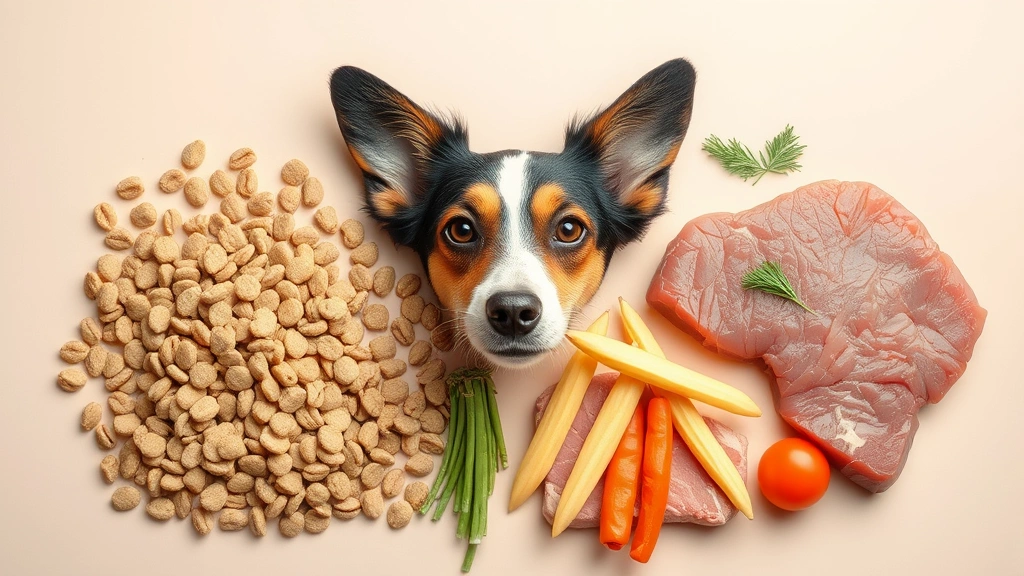
Many pet parents find success with a hybrid approach: high-quality kibble supplemented with fresh foods. For example, you might feed kibble as the base but add fresh vegetables, safe fruits, or cooked meat. This provides variety and some fresh food benefits while maintaining the convenience and affordability of kibble.
You might also consider mixing kibble with other options based on your dog’s specific needs. If your dog has digestive issues, you might incorporate rice as a digestive aid, or if dealing with stomach upset, explore what to feed a dog with diarrhea. These approaches can be tailored to your individual dog’s health status.
How to Choose High-Quality Kibble
If you decide that kibble is the right choice for your dog, here’s how to select the best option:
Read the Label Carefully
Look for named meat sources in the first ingredients. Phrases like “chicken” or “beef” are better than “meat meal” or “animal by-products.” Check the guaranteed analysis for protein and fat content—aim for at least 18% protein for adult dogs and 22% for puppies, unless your dog has specific health needs.
Research the Brand
Investigate the company’s manufacturing practices, recall history, and whether they employ veterinary nutritionists. Reputable companies are transparent about their sourcing and formulation processes.
Consider Your Dog’s Individual Needs
Puppies have different nutritional needs than adults. Senior dogs, active dogs, and dogs with health conditions all have specific requirements. Understanding how much food to feed your dog is also crucial for maintaining healthy weight and preventing obesity-related issues.
Make Gradual Transitions
When switching kibbles, do so gradually over 7-10 days, mixing increasing amounts of the new food with the old. This prevents digestive upset and helps you see how your dog tolerates the new formula.
Monitor Your Dog’s Health
The best kibble for your dog is one that keeps them healthy, energetic, and happy. Look for a shiny coat, healthy weight, good digestion, and positive energy levels. If your dog isn’t thriving, it might be time to try a different formula or approach.
Veterinarians and nutritionists often recommend looking for kibbles that meet AAFCO standards and have undergone actual feeding trials on dogs. This is more reliable than marketing claims alone.
Frequently Asked Questions
Is grain-free kibble better for dogs?
Not necessarily. Grain-free kibbles are often marketed as more natural or healthier, but dogs don’t have a nutritional requirement for grain-free diets. In fact, some grain-free kibbles have been associated with potential heart health concerns in certain cases. The quality of the kibble matters more than whether it contains grains. If your dog has a specific grain allergy, grain-free might be appropriate, but this should be confirmed by a veterinarian.
Can dogs live long, healthy lives eating kibble?
Absolutely. Millions of dogs eat kibble their entire lives and live long, healthy lives. The quality of the kibble and how well it matches your individual dog’s needs are what matter. Some dogs thrive on kibble; others do better with fresh or hybrid diets. It’s not about kibble being universally bad, but rather finding what works for your dog.
Is kibble linked to allergies or digestive issues?
Kibble itself isn’t inherently linked to allergies or digestive problems. However, low-quality kibbles with artificial additives, excessive fillers, or poor-quality protein sources might contribute to these issues in sensitive dogs. If your dog has allergies or digestive problems, the solution might be upgrading to a higher-quality kibble rather than eliminating kibble altogether. That said, some dogs genuinely do better on fresh or homemade diets.
Should I rotate kibble brands?
Rotating kibbles isn’t necessary and can actually cause digestive upset if done too frequently. Most veterinarians recommend finding a high-quality kibble that your dog tolerates well and sticking with it. However, occasional variety isn’t harmful if you transition gradually. Talk to your veterinarian about what’s best for your dog’s individual situation.
How do I know if my dog isn’t tolerating their kibble?
Signs that a kibble might not be working for your dog include digestive upset (diarrhea, constipation, excessive gas), a dull coat, excessive itching, low energy, or weight gain despite appropriate portions. If you notice any of these issues, consult your veterinarian to rule out underlying health problems before switching foods.
Is expensive kibble always better than budget kibble?
Not always, but there’s often a correlation. Budget kibbles frequently use lower-quality ingredients and fewer quality control measures. However, some mid-range kibbles offer excellent value and quality. The key is reading labels and researching brands rather than assuming price equals quality. That said, consistently choosing the cheapest option often means compromising on ingredient quality.





