

Is Kibbles and Bits Good for Dogs? A Nutritional Look
When you’re standing in the pet food aisle staring at rows of colorful dog food bags, Kibbles and Bits often catches your eye with its distinctive mix of crunchy kibble and soft bits. But as a responsible dog parent, you’re probably wondering: is Kibbles and Bits actually good for your furry friend? This question deserves a thoughtful answer because what goes into your dog’s bowl directly impacts their health, energy levels, and overall wellbeing.
The truth is, navigating dog food choices isn’t always straightforward. There’s marketing hype, conflicting information, and genuinely different nutritional philosophies to consider. Kibbles and Bits has been around since 1981, making it one of the more recognizable budget-friendly options on the market. But popularity and affordability don’t automatically equal nutritional excellence. Let’s dig into the ingredients, examine the nutritional profile, and compare it to other options so you can make an informed decision for your pup.
Whether you’re a first-time dog owner or someone reconsidering your current feeding strategy, this comprehensive guide will help you understand exactly what you’re feeding your dog and whether Kibbles and Bits deserves a place in your pet’s diet.
What Is Kibbles and Bits?
Kibbles and Bits is a dog food brand owned by Big Heart Pet Brands, which is now part of J.M. Smucker Company. The name itself describes the product’s key feature: a combination of hard, crunchy kibble pieces mixed with softer, chewier bits. This dual-texture approach was designed to appeal to dogs’ natural preference for variety while maintaining the convenience of dry kibble.
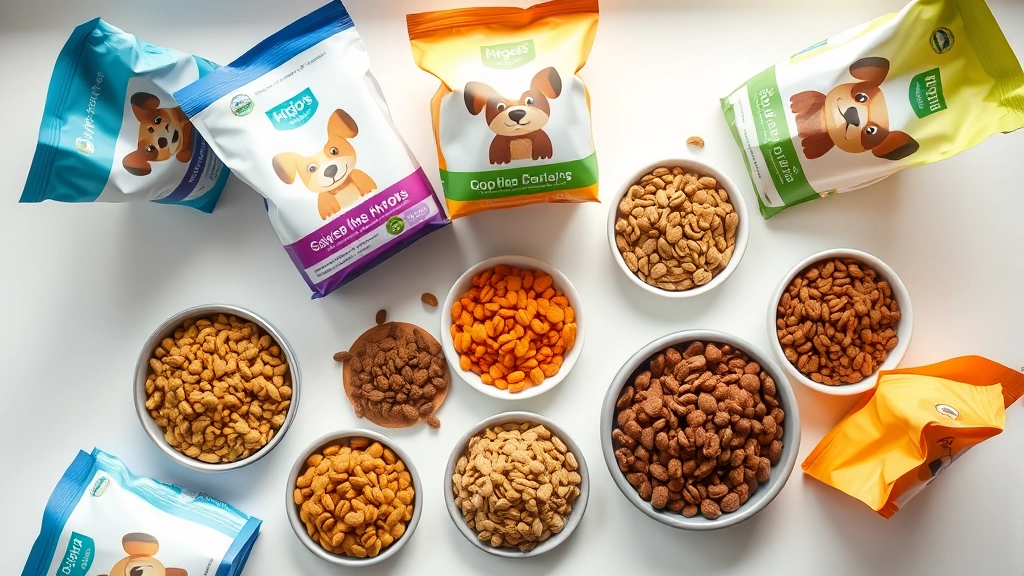
The brand positions itself as an affordable, accessible option for everyday dog owners. You’ll find it in virtually every grocery store and many pet retailers, often priced significantly lower than premium or specialized dog food brands. The colorful pieces in the bowl are meant to make feeding time visually appealing to pet parents, though it’s worth noting that dogs don’t actually care about the color of their food—that’s entirely for human psychology.
Available in various formulas including original, bacon and chicken, and specialized diets for different life stages, Kibbles and Bits attempts to offer something for different dogs and different budgets. However, the question remains: does affordability come at the cost of nutritional quality?
Ingredient Breakdown and Analysis
To truly understand whether Kibbles and Bits is good for dogs, we need to examine what’s actually in the bag. Let’s look at a typical Kibbles and Bits formula, starting with the first few ingredients, which represent the largest portions by weight.
Primary Protein Sources: Most Kibbles and Bits formulas list meat by-products as a primary ingredient rather than whole meat. By-products include things like meat meal, bone meal, and other parts of the animal not typically consumed by humans. While these aren’t inherently dangerous, they’re less digestible and nutrient-dense than whole meat proteins. Compare this to premium brands that list whole chicken or beef as the first ingredient, and you’ll notice a significant difference in protein quality.
Grain Content: This is where things get interesting. Kibbles and Bits contains significant amounts of corn, corn meal, and wheat. Dogs can eat corn, but it’s not an ideal primary ingredient. Corn is an inexpensive filler that provides calories but limited nutritional value compared to whole grains or grain-free alternatives. Some dogs also develop sensitivities to corn, which can contribute to digestive issues.
Artificial Additives: Perhaps most concerning is the presence of artificial colors, flavors, and preservatives. Kibbles and Bits uses BHA and BHT as preservatives, which have been controversial in pet nutrition circles. The American Veterinary Medical Association has noted concerns about artificial additives, and many veterinarians recommend avoiding them when possible.
Fat Sources: Animal fat is listed as a source of omega fatty acids, which is good. However, the specific source is often not identified, making it difficult to assess quality. The brand does include fish meal, which provides omega-3 fatty acids beneficial for coat and skin health.

Nutritional Profile
From a macronutrient perspective, Kibbles and Bits meets AAFCO (Association of American Feed Control Officials) standards for adult dog maintenance. This means it contains adequate protein, fat, and other essential nutrients for basic health. Most formulas contain around 18-22% protein and 8-12% fat, which falls within acceptable ranges for adult dogs.
However, meeting minimum standards and providing optimal nutrition are two different things. The quality of these nutrients matters enormously. A dog food can technically have adequate protein while sourcing much of it from low-quality, poorly digestible ingredients. This means your dog might need to eat more of the food to absorb sufficient nutrients, leading to larger portion sizes and potentially more waste.
The caloric content typically ranges from 350-370 calories per cup, which is moderate for a dry kibble. When determining how much food to feed your dog, you’ll need to account for these calories and your individual dog’s metabolic needs.
One notable aspect is the mineral content, particularly calcium and phosphorus ratios. Kibbles and Bits maintains appropriate ratios for adult dogs, though puppies and senior dogs might benefit from more specialized formulations.
Pros and Cons
Advantages:
- Affordability: Kibbles and Bits is budget-friendly, making it accessible for families on tight budgets or those with multiple dogs.
- Availability: You can find it virtually anywhere, from grocery stores to online retailers.
- Convenience: The dual-texture formula appeals to many dogs, and dry kibble is easy to store and serve.
- AAFCO Compliance: It meets basic nutritional standards for dog maintenance.
- Variety: Multiple formulas available for different life stages and preferences.
Disadvantages:
- Low-Quality Proteins: Heavy reliance on meat by-products rather than whole meat sources.
- Grain-Heavy Formula: High corn and wheat content may not suit all dogs and lacks nutritional sophistication.
- Artificial Additives: Contains BHA, BHT, and artificial colors that many nutritionists recommend avoiding.
- Limited Digestibility: The ingredient profile suggests lower digestibility compared to premium options.
- Potential for Allergies: Common allergens like corn and wheat may trigger sensitivities in some dogs.
- Less Nutritional Density: You may need to feed larger quantities to meet your dog’s nutritional needs.
How It Compares to Other Brands
To put Kibbles and Bits in perspective, let’s compare it to other commonly available options. Purina offers various product lines at different price points, with some formulas using better ingredients than Kibbles and Bits while maintaining similar affordability. Pedigree, another budget option, has similar ingredient profiles and faces comparable criticisms regarding artificial additives and by-product reliance.
When you step up to mid-range brands, you’ll typically find whole meat as the primary ingredient, fewer artificial additives, and better grain choices. Blue Buffalo positions itself as a premium alternative with natural ingredients and no artificial preservatives, though at a higher price point.
Premium and specialty brands often feature:
- Named whole meat sources as primary ingredients
- Natural preservatives like mixed tocopherols instead of BHA/BHT
- Reduced grain content or grain-free options
- Specialized formulations for specific health needs
- Higher digestibility rates
The trade-off is always price. Budget brands prioritize affordability, while premium brands prioritize ingredient quality and nutritional optimization.
Digestive and Health Concerns
One of the most common issues pet owners report with Kibbles and Bits is digestive upset. This can manifest as loose stools, gas, or diarrhea. If your dog experiences these issues, understanding what to feed a dog with diarrhea becomes important, and you may need to consider a different food altogether.
The digestive issues often stem from several factors:
- Low digestibility: By-products and excessive grain fillers are harder for dogs to process efficiently.
- Artificial additives: Some dogs are sensitive to artificial colors and preservatives.
- Sudden transitions: Switching to Kibbles and Bits without a gradual transition period can upset the digestive system.
- Individual sensitivities: Corn and wheat are common allergens for sensitive dogs.
According to AAFCO guidelines, pet foods should be formulated to minimize digestive upset, but meeting minimum standards doesn’t mean optimal digestion for every dog.
Long-term feeding of lower-quality foods may also contribute to other health issues. While not definitively proven, some veterinarians suggest that artificial additives and low-quality ingredients might contribute to skin issues, coat problems, and other chronic health conditions over time.
Better Alternatives to Consider
If you’re looking for alternatives to Kibbles and Bits, you have several options depending on your budget:
Budget-Friendly Alternatives:
- Purina Pro Plan: Slightly more expensive than Kibbles and Bits but offers better ingredient quality and more nutritional sophistication.
- Iams ProActive Health: Better protein sources and fewer artificial additives while remaining affordable.
- Hill’s Science Diet: Veterinarian-recommended formula with better ingredient quality, though higher priced.
Mid-Range Options:
- Wellness Core: Grain-free or limited grain options with quality proteins.
- Merrick Grain Free: Named meat sources as primary ingredients, no artificial additives.
- Taste of the Wild: High protein content with novel protein sources, grain-free formulation.
Premium Options:
- Orijen: High-meat content, biologically appropriate formula.
- Acana: Fresh ingredients, multiple meat sources.
- Primal or Stella & Chewy’s: Raw or freeze-dried options for those seeking minimal processing.
When switching foods, remember to do so gradually over 7-10 days, mixing increasing amounts of the new food with the old to avoid digestive upset.
Frequently Asked Questions
Is Kibbles and Bits safe for dogs?
Yes, Kibbles and Bits is safe in the sense that it won’t poison your dog. It meets AAFCO nutritional standards for adult dog maintenance. However, safety and quality aren’t the same thing. While not dangerous, it’s not optimally nutritious either. Some dogs may experience digestive issues or allergic reactions to ingredients like corn or artificial additives.
Can puppies eat Kibbles and Bits?
Kibbles and Bits offers puppy formulas, which are formulated to meet the higher caloric and nutrient needs of growing dogs. However, the same concerns about ingredient quality and artificial additives apply. For puppies, many veterinarians recommend higher-quality foods to support optimal growth and development.
Is Kibbles and Bits better than homemade dog food?
This depends on the homemade recipe. A well-formulated homemade diet developed with a veterinary nutritionist is likely superior to Kibbles and Bits. However, many homemade diets are nutritionally incomplete or imbalanced. If you choose homemade feeding, work with a veterinary nutritionist to ensure proper nutrient ratios.
Why is Kibbles and Bits so cheap?
The low price reflects several factors: use of by-products instead of whole meats, grain fillers instead of premium ingredients, artificial preservatives instead of natural ones, and large-scale production efficiency. It’s not a conspiracy—it’s simply a different business model prioritizing affordability over ingredient quality.
Will switching from Kibbles and Bits cause digestive issues?
Possibly, but only if you switch too quickly. Any food change should be gradual over 7-10 days. If you switch gradually and still experience issues, your dog might have a sensitivity to something in Kibbles and Bits specifically. The new food should resolve the problem if that’s the case.
What do veterinarians say about Kibbles and Bits?
Most veterinarians don’t actively recommend it, but they don’t necessarily condemn it either. The American Veterinary Medical Association recommends choosing foods based on ingredient quality, AAFCO certification, and individual dog needs. Many vets suggest that if your dog is thriving on Kibbles and Bits with no digestive issues or health problems, it’s acceptable, but they typically recommend upgrading if possible.
Can senior dogs eat Kibbles and Bits?
Kibbles and Bits offers senior formulas with adjusted nutrient profiles. However, senior dogs often benefit from higher-quality proteins and lower grain content. If your senior dog has joint issues, dental problems, or digestive sensitivity, a higher-quality food specifically formulated for senior needs would be preferable.
Does Kibbles and Bits cause allergies?
Not universally, but it contains common allergens like corn and wheat. If your dog has food allergies or sensitivities, Kibbles and Bits is unlikely to be suitable. Look for limited ingredient diets or foods with alternative grain sources like sweet potato or brown rice.





