
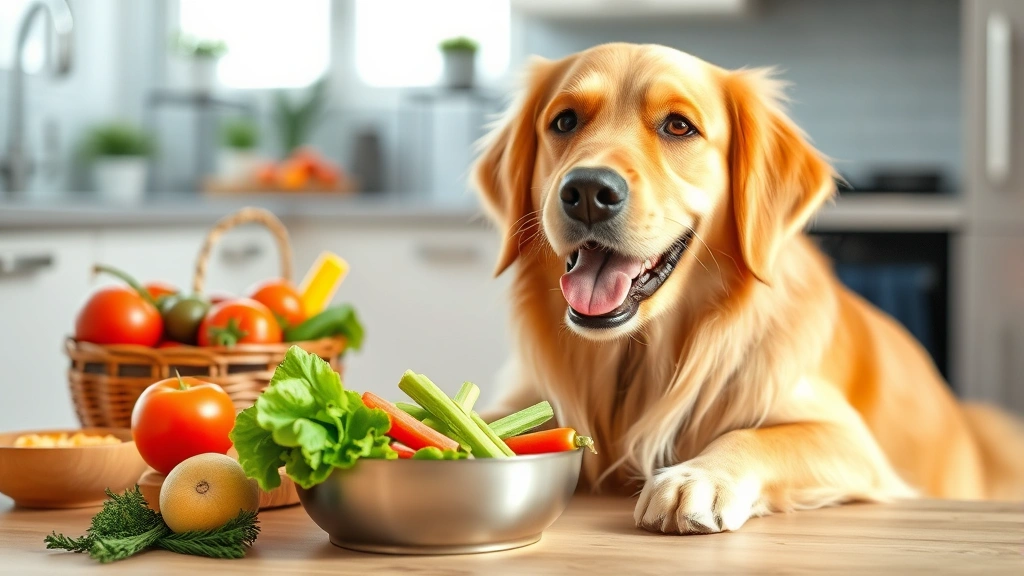
Is Olive Oil Safe for Dogs? A Vet’s Perspective
If you’ve ever wondered whether you can share your kitchen staples with your furry best friend, you’re not alone. Pet parents constantly grapple with questions about what’s safe and what’s not, especially when it comes to oils and fats. Olive oil is a pantry essential in many households, and it’s natural to question whether this Mediterranean favorite is okay for our four-legged companions.
The short answer? Yes, olive oil is generally safe for dogs in moderation. However, like many good things, there’s more to the story. Understanding how olive oil affects your dog’s health, the right serving sizes, and potential risks will help you make informed decisions about your pup’s diet.
Let’s dive into what veterinarians and nutritionists say about olive oil for dogs, explore the potential benefits and drawbacks, and discover how to safely incorporate it into your dog’s routine if you choose to do so.
Is Olive Oil Safe for Dogs?
The veterinary consensus is clear: olive oil is safe for dogs when given in appropriate amounts. The American Kennel Club acknowledges that olive oil can be a beneficial addition to a dog’s diet, provided it’s not overdone. Most veterinarians agree that small quantities of plain, unsalted olive oil pose no toxicity concerns for healthy adult dogs.
What makes olive oil particularly appealing to pet owners is that it’s a natural product without artificial additives or preservatives. Unlike some human foods that are genuinely toxic to dogs, olive oil doesn’t contain compounds that are inherently harmful to canine metabolism. This doesn’t mean you should drizzle it on every meal, but occasional use as a supplement is generally considered safe.
The key distinction is between types of olive oil. Extra virgin olive oil, which is minimally processed and retains more of its natural compounds, is preferable to refined varieties. Avoid any olive oil products that contain garlic, onions, or other additives, as these can be harmful to dogs.

Nutritional Benefits of Olive Oil
Olive oil isn’t just safe—it actually offers several nutritional advantages for your dog. This golden liquid is rich in monounsaturated fats and polyphenols, compounds that have been studied extensively for their health benefits in both humans and animals.
Omega-9 fatty acids are the primary beneficial component in olive oil. These monounsaturated fats support cardiovascular health and can help reduce inflammation in your dog’s body. If you’re curious about other omega-rich options, you might want to explore whether fish is good for dogs, as it’s another excellent source of beneficial fats.
Beyond fatty acids, olive oil contains antioxidants and anti-inflammatory compounds. These properties may help with:
- Joint health: The anti-inflammatory effects can be particularly beneficial for senior dogs or those with arthritis
- Skin and coat quality: Regular, small amounts of olive oil may improve your dog’s coat shine and skin condition
- Cognitive function: Some studies suggest that polyphenols in olive oil support brain health in aging dogs
- Digestive health: In small amounts, olive oil can act as a mild laxative and support healthy digestion
For dogs with specific health concerns, olive oil might complement their existing treatment plan. However, it’s essential to discuss any dietary supplements with your veterinarian first, especially if your dog is on medication.
Potential Risks and Concerns
While olive oil is generally safe, it’s not without potential drawbacks. Understanding these risks helps you make the best decision for your individual dog.
Caloric content is the primary concern. Olive oil is calorie-dense, containing approximately 120 calories per tablespoon. For small dogs or those watching their weight, even a small amount can represent a significant portion of their daily caloric intake. Weight gain in dogs can lead to serious health problems including joint stress, diabetes, and heart disease.
Dogs with certain health conditions should approach olive oil cautiously. If your dog has health issues that make olive oil problematic, your vet will guide you. Specifically:
- Pancreatitis: Dogs with a history of pancreatitis or those prone to it should avoid high-fat foods, including olive oil
- Obesity: Overweight dogs don’t need the extra calories from oil supplements
- Sensitive digestion: Some dogs may experience diarrhea or upset stomach from added fats
- Certain medications: Fat can interfere with the absorption of some medications

Additionally, some dogs may simply not tolerate dietary changes well. Introducing any new food or supplement gradually and monitoring your dog’s response is crucial. If you notice vomiting, diarrhea, or other digestive upset, discontinue use immediately and consult your veterinarian.
How to Safely Serve Olive Oil to Dogs
If you’ve decided that olive oil is appropriate for your dog, proper serving guidelines ensure maximum safety and benefit. The general recommendation from most veterinarians is to keep olive oil supplementation minimal.
Serving sizes vary based on dog weight:
- Small dogs (under 25 lbs): A few drops to ½ teaspoon, 2-3 times per week
- Medium dogs (25-50 lbs): ½ to 1 teaspoon, 2-3 times per week
- Large dogs (over 50 lbs): 1 to 1½ teaspoons, 2-3 times per week
These amounts should be incorporated into your dog’s total daily caloric intake. If your dog consumes 1,000 calories daily, a teaspoon of olive oil (about 40 calories) represents a 4% increase in their daily intake.
Methods of serving olive oil:
- Drizzle on regular food: Add a small amount directly to your dog’s kibble or wet food
- Mix with treats: Combine olive oil with homemade dog treats or mix into peanut butter (ensure it’s xylitol-free, as you can learn more about dogs and peanut butter)
- Use as a supplement: Offer a tiny amount on a spoon as an occasional treat
- Combine with other foods: Mix into fish or other protein sources
Always use plain, unsalted, extra virgin olive oil. Never use olive oil that contains garlic, onions, or other seasonings. Store olive oil in a cool, dark place to preserve its beneficial compounds.
Healthy Oil Alternatives for Dogs
While olive oil is a solid choice, several other oils offer comparable or complementary benefits for your dog’s health. Understanding these alternatives helps you diversify your dog’s nutritional profile.
Coconut oil is another popular option among pet parents. If you’re exploring this alternative, you might want to review whether coconut oil is good for dogs. Like olive oil, coconut oil has anti-inflammatory properties, though its fatty acid profile differs slightly.
Fish oil stands out as an exceptional choice for dogs. Rich in omega-3 fatty acids, fish oil supports joint health, reduces inflammation, and promotes cognitive function. Fish oil is often recommended by veterinarians for dogs with arthritis or aging concerns. If you’re interested in fish-based nutrition, learning more about salmon skin for dogs might provide additional insights into omega-rich foods.
Flaxseed oil provides plant-based omega-3s, making it suitable for dogs with fish allergies. However, dogs must convert plant-based omega-3s to usable forms less efficiently than they process fish-based versions.
Comparison table of common dog-safe oils:
- Olive oil: Omega-9 rich, anti-inflammatory, good for general health
- Fish oil: Omega-3 rich, excellent for joints and cognition, research-backed
- Coconut oil: Medium-chain triglycerides, antimicrobial properties, different fat profile
- Flaxseed oil: Plant-based omega-3s, good alternative for allergies
The ASPCA recommends consulting with your veterinarian before adding any oil supplement to your dog’s diet, as individual health profiles vary significantly.
Special Considerations for Different Dogs
Not all dogs are created equal when it comes to dietary needs and tolerances. Several factors influence whether olive oil is appropriate for your specific pup.
Senior dogs may benefit from olive oil’s anti-inflammatory properties, particularly if they suffer from arthritis or joint stiffness. The polyphenols in olive oil have been studied for their potential cognitive benefits in aging dogs, making it a potentially valuable addition for older companions.
Puppies should generally avoid olive oil supplements. Growing dogs have specific nutritional requirements that are best met through complete and balanced commercial puppy food or veterinarian-approved supplements. Adding extra fats can interfere with proper growth and development.
Pregnant or nursing dogs need careful dietary management. While olive oil isn’t harmful, pregnant and nursing dogs have increased caloric needs that should be met through proper nutrition planning with a vet, not through oil supplements.
Dogs with specific health conditions require individualized assessment. A dog with specific needs regarding olive oil might benefit from professional guidance. Conditions like inflammatory bowel disease, certain allergies, or metabolic disorders may make olive oil either beneficial or problematic.
Active versus sedentary dogs: Highly active dogs might tolerate additional calories better than couch-potato canines. Working dogs or those engaged in regular exercise can process extra fats more efficiently, but even they shouldn’t receive excessive supplementation.
Your veterinarian can assess your dog’s body condition score, overall health, medications, and lifestyle to provide personalized recommendations. This professional guidance is invaluable, especially for dogs with existing health concerns.
Frequently Asked Questions
Can I give my dog olive oil every day?
While olive oil is safe, daily supplementation isn’t necessary or recommended for most dogs. 2-3 times per week in appropriate amounts is sufficient to provide potential benefits without excess calories. Daily use could contribute to weight gain and digestive issues in some dogs.
What type of olive oil is best for dogs?
Extra virgin olive oil is the best choice for dogs. It’s minimally processed and retains the most beneficial compounds like polyphenols and antioxidants. Avoid any olive oil products with added garlic, onions, or other seasonings, as these can be harmful to dogs.
Can olive oil help with my dog’s dry skin?
Yes, olive oil may help improve skin condition when given in small amounts. The fatty acids and antioxidants can support skin health and coat quality. However, persistent skin issues should be evaluated by a veterinarian, as they often indicate allergies or other underlying conditions requiring professional treatment.
Is olive oil safe for dogs with pancreatitis?
Dogs with a history of pancreatitis should avoid high-fat foods and supplements, including olive oil. Fatty foods can trigger pancreatitis flare-ups in susceptible dogs. Always consult your veterinarian before adding any supplements to a dog’s diet when they have pancreatitis.
What should I do if my dog accidentally ingests a large amount of olive oil?
A small accidental ingestion of olive oil is unlikely to cause serious problems, though your dog might experience diarrhea or upset stomach. However, if your dog consumed a large quantity or shows signs of distress, contact your veterinarian or ASPCA Animal Poison Control immediately.
How does olive oil compare to fish oil for dogs?
Both oils offer benefits, but they work differently. Fish oil is rich in omega-3 fatty acids, making it particularly valuable for joint health and inflammation reduction. Olive oil provides omega-9 fatty acids and different antioxidants. Many veterinarians recommend fish oil for specific conditions, while olive oil is more of a general wellness supplement.
Can I use olive oil to help with my dog’s constipation?
In very small amounts, olive oil can act as a mild laxative and may help with occasional constipation. However, this should only be done under veterinary guidance. Chronic constipation indicates an underlying problem requiring professional diagnosis and treatment, not home remedies.





