Is Rawhide Good for Dogs? What Experts Recommend
If you’ve ever wandered down the pet supply aisle, you’ve probably noticed rawhide chews stacked high on shelves, marketed as the ultimate dog treat. But here’s the million-dollar question that keeps many pet parents up at night: is rawhide actually good for dogs? The answer isn’t as straightforward as a simple yes or no, and that’s precisely why we’re diving deep into this controversial topic today.
Rawhide has been a staple in the dog treat industry for decades, and for good reason—most dogs absolutely love them. They’re affordable, widely available, and they keep our furry friends occupied for hours. However, veterinarians and pet nutritionists have increasingly raised concerns about their safety and nutritional value. Understanding what rawhide really is, how it’s processed, and what risks it poses is essential for making informed decisions about your dog’s chewing habits.
In this comprehensive guide, we’ll explore everything you need to know about rawhide chews, from their composition to expert recommendations, alternative options, and practical safety tips. Whether you’re a seasoned dog owner or a new puppy parent, this article will help you navigate the rawhide debate with confidence.
What Exactly Is Rawhide?
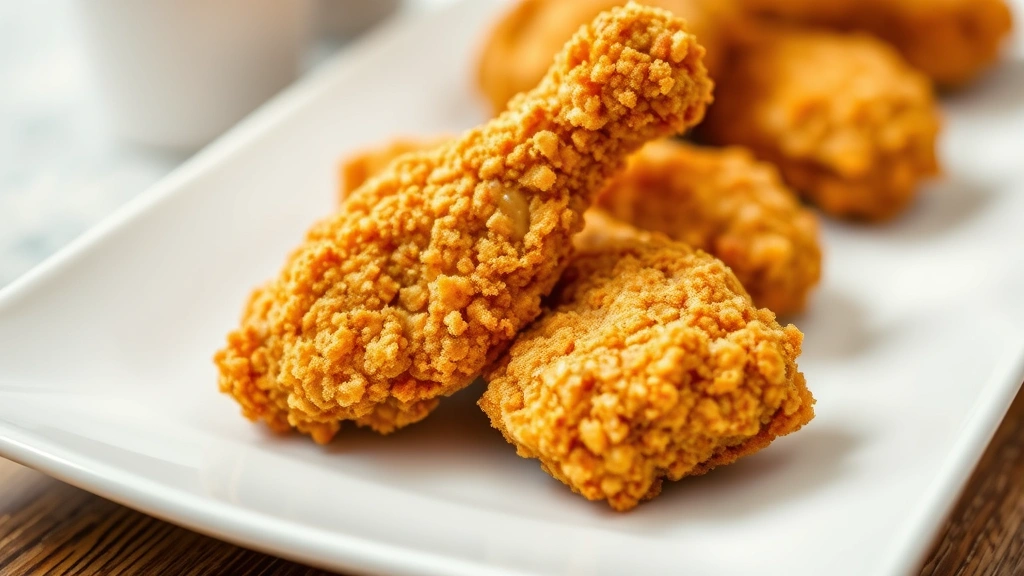
Rawhide is the inner layer of cattle hide that’s been cleaned, dried, and sometimes shaped into chews. Despite the name suggesting it’s “raw,” rawhide isn’t actually raw—it’s been extensively processed. The outer layer of the hide (the hair and grain) is removed, leaving behind the dermis, which is then dried to create the chewy texture dogs find so irresistible.
The origin of rawhide chews traces back to practical uses of cattle byproducts. Manufacturers realized that these dried hides could be repurposed into dog treats, making them an economical option for both producers and consumers. Most rawhide chews come from cattle raised in North America, South America, or Asia, and the processing methods can vary significantly depending on the manufacturer.
It’s important to note that rawhide is essentially a protein source, though not a complete or balanced one. When your dog chews on rawhide, they’re consuming primarily collagen and other proteins found in the hide. This is quite different from consuming actual meat, which contains a broader spectrum of nutrients.
How Is Rawhide Processed?
Understanding the processing methods behind rawhide is crucial for assessing its safety. The journey from raw cattle hide to the chew in your dog’s mouth involves multiple steps and various chemicals that might surprise you.
The Basic Processing Steps:
- Cleaning and removal of hair and outer layer
- Soaking in lime or other alkaline solutions
- Treating with hydrogen peroxide or other bleaching agents
- Rinsing and drying
- Shaping into various forms (rolls, knots, sticks)
- Sometimes coating with flavoring agents or meat byproducts
The chemicals used in processing are a major point of concern for many veterinarians and pet health advocates. Rawhide processing involves several potentially harmful chemicals that may leave residues on the final product. Sodium nitrite, a preservative, is commonly used and has raised health concerns. Additionally, some rawhide chews sourced from certain countries may contain lead or other heavy metals.
Quality control varies dramatically between manufacturers. Premium rawhide products undergo stricter testing and use fewer chemicals, while budget options might cut corners. This inconsistency is one reason why veterinarians often recommend caution when selecting rawhide chews.

Potential Risks and Health Concerns
Now let’s address the elephant in the room: what are the actual risks associated with rawhide chews? Pet owners should be aware of several documented concerns that veterinarians frequently discuss.
Choking and Intestinal Blockage: This is perhaps the most serious risk. Rawhide doesn’t fully digest in a dog’s stomach and can expand when wet. If your dog swallows large chunks instead of gradually chewing them down, these pieces can become lodged in the throat, esophagus, or intestines, potentially requiring emergency surgery. Digestive blockages from hard chewing materials are a leading cause of veterinary emergencies.
Chemical Residues: The processing chemicals mentioned earlier—particularly sodium nitrite and bleaching agents—can accumulate in your dog’s system over time. While occasional exposure might not cause immediate problems, chronic consumption could contribute to health issues. The ASPCA recommends careful selection of chew products to minimize chemical exposure.
Allergic Reactions: Some dogs develop sensitivities to rawhide or the chemicals used in processing. Dogs prone to allergies need special consideration when choosing chew toys and treats. Symptoms might include itching, digestive upset, or skin irritation.
Bacterial Contamination: Rawhide products have been recalled multiple times due to salmonella and E. coli contamination. These bacteria can affect both your dog and your family members through cross-contamination.
Nutritional Concerns: Rawhide is predominantly collagen, which isn’t a complete protein. Dogs who consume large amounts of rawhide as a primary chew might be missing out on more nutritionally balanced options.
The Benefits Dog Owners Love
Before we conclude that rawhide is entirely problematic, let’s acknowledge why millions of dog owners continue to use them—because they do offer legitimate benefits when used responsibly.
Mental Stimulation and Entertainment: Dogs are natural chewers, and rawhide satisfies this instinct for extended periods. A long-lasting chew provides mental enrichment and can help reduce boredom-related behavioral problems. For many dogs, the act of chewing is inherently stress-relieving.
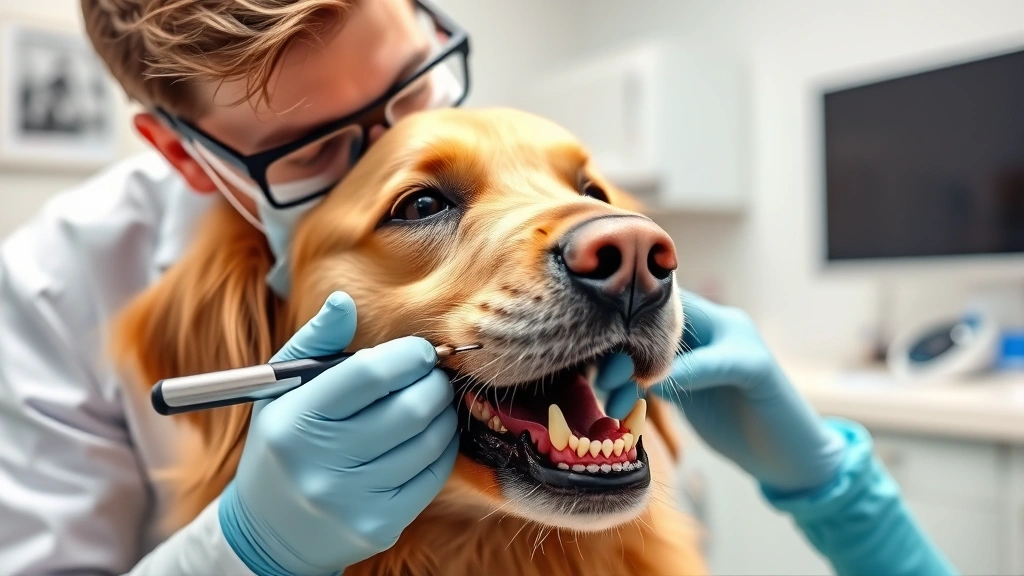
Dental Benefits: The abrasive action of chewing rawhide can help reduce plaque and tartar buildup on teeth. While it’s not a substitute for proper dental care, it does provide some mechanical cleaning action that contributes to oral health.
Affordability: Rawhide chews are significantly cheaper than many alternative chew options, making them accessible for budget-conscious pet owners. This democratization of dog enrichment means more dogs get to enjoy extended chewing opportunities.
Availability: You can find rawhide chews virtually everywhere—pet stores, grocery stores, online retailers. This convenience factor shouldn’t be underestimated for busy pet owners.
Appetite Satisfaction: Rawhide chews can help satisfy a dog’s natural desire to chew without providing excessive calories, making them useful for weight management.
What Experts Really Recommend
So what do the actual experts say? The veterinary community’s stance on rawhide has evolved significantly over the past decade, and the consensus leans toward caution.
The American Kennel Club acknowledges that rawhide presents potential risks, particularly choking and intestinal blockage. Their expert guidance emphasizes close supervision and selecting high-quality products from reputable manufacturers.
The American Animal Hospital Association recommends that pet owners consider the individual dog’s chewing habits and size when deciding about rawhide. Aggressive chewers who swallow large pieces are at higher risk.
Many board-certified veterinary nutritionists suggest that while occasional rawhide chews aren’t necessarily harmful for most dogs, there are safer alternatives that provide similar benefits with lower risk profiles. They recommend considering your specific dog’s characteristics: age, size, chewing habits, and any existing health conditions.
The consensus among most veterinarians can be summarized as: rawhide isn’t inherently evil, but it requires careful consideration and supervision. If you choose to offer rawhide, experts recommend:
- Always supervise your dog while chewing
- Select high-quality products from reputable brands
- Choose appropriately sized rawhide for your dog
- Remove the chew when it becomes small enough to swallow whole
- Avoid rawhide for dogs with digestive sensitivities
- Consider your dog’s individual chewing style and aggression level
Safer Alternatives to Rawhide
If you’re looking for rawhide alternatives that offer similar benefits with potentially lower risk profiles, several excellent options exist.
Bully Sticks: Bully sticks are becoming increasingly popular as rawhide alternatives. Made from beef muscle, they’re fully digestible and contain complete proteins. They’re also naturally lower in chemicals and typically free from bleaching agents.
Antlers and Horns: Antlers offer long-lasting chewing satisfaction and are naturally shed, making them sustainable. However, they’re extremely hard and can fracture teeth, so they’re better suited for moderate rather than aggressive chewers.
Yak Chews: Also called Himalayan chews, these compressed cheese products are long-lasting and digestible. They’re made from natural ingredients and typically contain fewer chemicals than processed rawhide.
Sweet Potato Chews: These are 100% sweet potato with no additives. They’re digestible, nutritious, and ideal for dogs with sensitivities or allergies.
Rubber and Silicone Chew Toys: Products like Kong toys can be filled with treats and provide extended mental stimulation without the digestive risks. They’re durable and reusable.
Nylon Chews: While controversial, high-quality nylon chews are designed not to splinter and can provide long-lasting entertainment. However, they’re not digestible, so monitoring is essential.
Natural Chews: Options like deer antlers, olive wood chews, or coffee wood chews provide natural alternatives with minimal processing.
Safety Tips If You Choose Rawhide
If you’ve decided that rawhide is appropriate for your dog, implementing these safety practices can significantly reduce potential risks.
Supervision is Non-Negotiable: Never leave your dog unsupervised with a rawhide chew. Watch for signs of aggressive swallowing or large pieces being ingested. Understanding your dog’s individual behaviors and habits helps you spot when something might be wrong.
Size Matters: Choose rawhide appropriately sized for your dog. A small dog shouldn’t have large rawhide sticks, and vice versa. The rule of thumb is that the chew should be at least as large as your dog’s head.
Quality Over Quantity: Invest in higher-quality rawhide products from reputable manufacturers. While they cost more, they undergo stricter quality control and use fewer questionable chemicals.
Duration Limits: Don’t allow unlimited rawhide chewing. Set time limits—perhaps 15-30 minutes per session—and remove the chew when it becomes too small.
Monitor Digestive Health: Pay attention to your dog’s stool consistency and watch for signs of digestive upset. Any changes might indicate a problem with rawhide digestion.
Know Your Dog: Aggressive chewers who gulp large pieces are at higher risk. If your dog has this tendency, rawhide might not be the best choice regardless of supervision.
Health Considerations: Dogs with existing digestive issues, dental disease, or allergies should avoid rawhide. Consult your veterinarian about safer options for these dogs.
Proper Storage: Store rawhide in a cool, dry place to prevent mold growth or bacterial contamination. Discard any chews that show signs of mold or smell off.
Frequently Asked Questions
Is rawhide safe for puppies?
Rawhide is generally not recommended for puppies. Their digestive systems are still developing, and they’re more prone to swallowing large pieces. Additionally, puppies are more likely to choke on rawhide chews. Wait until your dog is at least one year old before considering rawhide, and even then, choose alternatives specifically designed for younger dogs.
Can rawhide cause blockages?
Yes, rawhide blockages are a documented concern. When dogs swallow large chunks instead of gradually chewing them, the rawhide can expand in the stomach or become lodged in the intestines. This is a serious medical emergency requiring surgery. Signs include lethargy, vomiting, loss of appetite, and abdominal pain. If you suspect a blockage, seek immediate veterinary care.
How long can my dog safely chew rawhide?
Experts recommend limiting rawhide chewing to 15-30 minutes per session, and remove the chew before it becomes small enough to swallow whole (typically when it’s smaller than your dog’s head). Avoid allowing unlimited access to rawhide throughout the day.
Are there rawhide brands that are safer than others?
Yes, significant variation exists between brands. Look for products that specify minimal chemical processing, have been third-party tested, and come from reputable manufacturers with strong safety records. Premium brands typically invest more in quality control, though they cost more.
What should I do if my dog swallows a large piece of rawhide?
Contact your veterinarian immediately. Don’t wait to see if symptoms develop. Your vet can monitor your dog and perform imaging if necessary. In some cases, inducing vomiting shortly after ingestion can prevent blockage, but this must be done by a professional.
Is rawhide digestible?
Rawhide is only partially digestible. The collagen breaks down somewhat in the stomach, but large pieces can pass through undigested or cause blockages. This is why monitoring what your dog actually ingests is so important.
Can rawhide cause allergies?
Yes, some dogs develop allergic reactions to rawhide or the chemicals used in processing. If your dog shows signs of itching, digestive upset, or skin irritation after rawhide consumption, discontinue use and consult your veterinarian.
What are the best alternatives to rawhide?
Top alternatives include bully sticks (fully digestible and complete protein), yak chews (long-lasting and natural), sweet potato chews (nutritious and hypoallergenic), and quality rubber chew toys. The best option depends on your individual dog’s needs and chewing style.
Should senior dogs have rawhide?
Senior dogs should generally avoid rawhide, particularly if they have dental disease or digestive issues common in older dogs. Softer alternatives that don’t require aggressive chewing are better suited for senior dogs.