

Is Salmon Healthy for Dogs? Expert Insights
If you’ve ever wondered whether your pup can enjoy a taste of that delicious salmon dinner you’re preparing, you’re not alone! Salmon has become increasingly popular in dog foods and treats, but is it actually healthy for dogs? The answer is a resounding yes—with some important caveats. This fatty fish packs serious nutritional punch that can benefit your furry friend’s coat, joints, and overall wellness. But before you start tossing salmon fillets into your dog’s bowl, let’s dive deep into what makes salmon such a nutritional powerhouse and how to serve it safely.
As pet parents, we want nothing more than to give our dogs the best nutrition possible. Salmon has earned its place as a superfood for humans, and it turns out our canine companions can reap similar benefits. However, preparation method matters enormously, and not all salmon products are created equal. Whether you’re considering fresh, cooked, or processed salmon options, understanding the nutritional profile and potential risks will help you make informed decisions about your dog’s diet.
Let’s explore everything you need to know about feeding salmon to your beloved pup, from the science-backed benefits to practical serving suggestions that’ll keep your dog happy and healthy.
Nutritional Benefits of Salmon for Dogs
Salmon is genuinely one of the most nutrient-dense foods you can offer your dog. This remarkable fish contains high-quality protein that supports muscle development and maintenance, which is essential for dogs of all ages and activity levels. Beyond protein, salmon delivers an impressive array of vitamins and minerals that contribute to overall canine health.
The nutritional profile of salmon includes B vitamins crucial for energy metabolism, vitamin D for bone health and calcium absorption, and selenium, a powerful antioxidant that supports immune function. When you consider that dogs need balanced nutrition to thrive, salmon checks multiple boxes simultaneously. The phosphorus content also plays a vital role in maintaining strong teeth and bones, making it particularly beneficial for growing puppies and senior dogs.
Research from veterinary nutritionists consistently shows that dogs benefit significantly from omega-3 fatty acids, and salmon is one of nature’s richest sources. These essential fatty acids cannot be synthesized by your dog’s body, meaning they must come from dietary sources. For dogs with certain health conditions or those simply seeking optimal wellness, salmon provides these critical nutrients in a bioavailable form that their bodies can readily utilize.
Omega-3 and Omega-6 Fatty Acids Explained
Understanding the difference between omega-3 and omega-6 fatty acids is crucial for appreciating why salmon is such a nutritional superstar. Both are essential fatty acids, but they serve different functions in your dog’s body. Omega-3 fatty acids are particularly anti-inflammatory, while omega-6 fatty acids tend to promote inflammation—which is necessary in moderation but problematic in excess.
Most commercial dog foods contain far too much omega-6 relative to omega-3, creating an inflammatory imbalance in many dogs’ diets. Salmon helps correct this ratio beautifully. The anti-inflammatory properties of omega-3s can be especially beneficial for dogs with joint issues, arthritis, or inflammatory skin conditions. According to research published in veterinary journals, AAFCO-certified nutritionists recommend omega-3 supplementation for dogs with specific health concerns.
These fatty acids also support cognitive function, making salmon particularly valuable for senior dogs experiencing age-related mental decline. The omega-3s support brain health by maintaining proper neurotransmitter function and promoting blood flow to neural tissues. Additionally, healthy fats are essential for maintaining skin barrier function and promoting a glossy, vibrant coat—benefits you’ll often notice within weeks of adding salmon to your dog’s diet.
How to Safely Prepare Salmon for Dogs
Preparation is absolutely paramount when it comes to feeding salmon to your dog. Raw salmon presents a serious health risk due to potential parasites and bacteria, particularly a parasite called Neorickettsia helminthoeca that causes salmon poisoning disease. This is not a risk worth taking, so always cook salmon thoroughly before offering it to your pup.
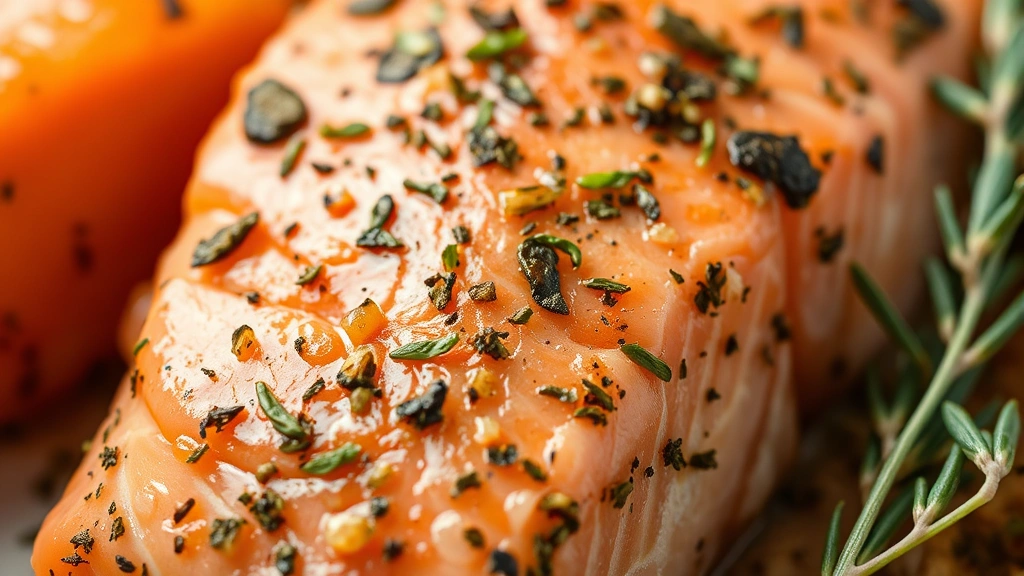
The safest preparation method is baking or boiling salmon without any seasonings, oils, or additives. Simply place fresh salmon fillets on a baking sheet and bake at 350°F for 12-15 minutes until the flesh flakes easily with a fork. Boiling is equally effective: place salmon in water and simmer for 12-15 minutes. Allow the cooked salmon to cool completely before serving, and remove all bones carefully. Even small bones can pose choking hazards or cause internal injuries.
Never season salmon with garlic, onions, salt, or spices, as these can be harmful to dogs. While many people wonder about whether dogs can eat smoked salmon, the answer is generally no—smoked varieties often contain excessive salt and preservatives that aren’t appropriate for canine consumption. Similarly, salmon skin preparation requires careful consideration, though salmon skin can be beneficial for dogs when properly prepared without seasonings.
For convenience, many pet parents opt for canned salmon packed in water rather than oil. This is perfectly acceptable and removes the preparation burden. Just rinse the salmon thoroughly to reduce sodium content, and check that no bones have been left in during the canning process—though most quality brands remove them.

Portion Guidelines and Frequency
When introducing any new food to your dog’s diet, moderation is key. Salmon should be offered as an occasional treat or supplement to their regular diet, not as a meal replacement. A general guideline is to limit salmon to no more than 10% of your dog’s daily caloric intake, following the principle that treats shouldn’t exceed this threshold.
For most medium-sized dogs, a serving of 2-3 ounces of cooked salmon 2-3 times per week is appropriate. Smaller dogs should receive proportionally smaller amounts—roughly 1-2 ounces—while larger breeds can handle up to 4-5 ounces. Puppies and senior dogs may benefit from slightly more frequent salmon servings due to their specific nutritional needs, but portion sizes should remain modest.
If you’re adding salmon oil supplements to your dog’s diet, be aware that this is concentrated nutrition and requires careful dosing. Consult your veterinarian about appropriate omega-3 supplementation levels, as excessive omega-3 can interfere with blood clotting and vitamin E absorption. Your vet can recommend dosages based on your dog’s specific health status, age, and weight.
When first introducing salmon, start with a tiny amount and monitor your dog for any digestive upset over the next 24-48 hours. Some dogs with sensitive stomachs may experience loose stools initially. If this occurs, reduce the portion size or frequency. Most dogs adjust beautifully to salmon, but individual tolerance varies.
Potential Risks and Concerns
While salmon is generally safe and healthy for most dogs, several potential risks deserve attention. The primary concern is salmon poisoning disease, which occurs when dogs consume raw or undercooked salmon infected with a specific parasite. Symptoms include fever, vomiting, diarrhea, loss of appetite, and lethargy, appearing 5-7 days after infection. This condition is treatable with antibiotics but can be fatal if left untreated, so always cook salmon thoroughly.
Bones present another significant risk. Cooked salmon bones become brittle and can splinter, potentially causing choking hazards or internal injuries. Always remove every single bone before serving, and supervise your dog while eating. If your dog is prone to gulping food without chewing, consider flaking the salmon into smaller pieces.
Excessive salt content in certain salmon products can be problematic, particularly for dogs with heart disease or hypertension. Canned salmon packed in salt should be thoroughly rinsed, and smoked varieties should be avoided entirely. Additionally, some dogs may develop allergies to fish proteins, though true salmon allergies are relatively uncommon.
For dogs taking certain medications or with specific health conditions, salmon’s blood-thinning properties warrant caution. Dogs on anticoagulant medications should only consume salmon under veterinary supervision. Similarly, dogs with pancreatitis should avoid salmon due to its fat content, which can trigger inflammation in the pancreas.
When considering whether fish is good for dogs generally, salmon ranks among the safest options when properly prepared. However, always consult your veterinarian before making significant dietary changes, especially if your dog has pre-existing health conditions.
Different Forms of Salmon: Which is Best?
The salmon market offers multiple options for dog parents, each with distinct advantages and disadvantages. Fresh salmon is nutritionally superior but requires careful preparation and carries slightly higher contamination risks if not handled properly. Frozen salmon is equally nutritious and often more convenient, plus freezing kills many parasites that could cause salmon poisoning disease.
Canned salmon is incredibly convenient and shelf-stable, making it perfect for busy pet parents. Look for varieties packed in water rather than oil, and always rinse thoroughly to remove excess sodium. The bones in canned salmon are soft and edible, providing additional calcium, though many dogs’ owners prefer boneless varieties for peace of mind.
Salmon oil supplements offer concentrated omega-3 fatty acids without the calories of whole salmon. These are particularly useful for dogs with joint issues or inflammatory conditions. However, quality varies significantly among brands, so choose products from reputable manufacturers that have undergone third-party testing.
Commercial dog foods and treats containing salmon are convenient options, though quality varies tremendously. Check ingredient lists to ensure salmon is listed as a primary ingredient rather than a minor component. Avoid products containing excessive fillers, artificial preservatives, or by-products. When shopping, look for AAFCO certification and consider consulting ASPCA guidelines on pet nutrition for additional perspective.
Some pet parents create homemade salmon treats or incorporate salmon into balanced homemade diets. If pursuing this route, work with a board-certified veterinary nutritionist to ensure complete and balanced nutrition. Homemade diets can be wonderful but require careful planning to meet all nutritional requirements.
For those curious about alternatives, dogs can also eat sardines, which offer similar nutritional benefits with slightly different nutrient profiles. Both fish options contribute valuable omega-3s and protein to your dog’s diet.
Frequently Asked Questions
Can puppies eat salmon?
Yes, puppies can eat salmon and may particularly benefit from its nutrients during their growth phase. However, keep portions very small—roughly 1 ounce per serving—and introduce it gradually. Puppies have developing digestive systems, so any new food should be introduced cautiously. Always ensure salmon is boneless and finely flaked to prevent choking hazards in young dogs.
Is salmon safe for dogs with allergies?
Most dogs tolerate salmon well, but some individuals develop fish protein allergies. If your dog has known food allergies, introduce salmon very gradually while monitoring for signs of allergic reaction including itching, vomiting, or diarrhea. Work with your veterinarian to determine if salmon is appropriate for your dog’s specific allergy profile.
How often can I give my dog salmon?
Salmon can be offered 2-3 times weekly in appropriate portions without concern for most healthy dogs. Some dogs benefit from more frequent salmon consumption due to specific health conditions, but this should be determined in consultation with your veterinarian. Remember that salmon should comprise no more than 10% of daily caloric intake.
What’s the difference between wild-caught and farm-raised salmon?
Wild-caught salmon typically contains higher omega-3 levels and fewer contaminants than farm-raised varieties. However, both are nutritious options for dogs. Farm-raised salmon is often more affordable and widely available. From a dog nutrition perspective, either option is beneficial, though wild-caught may have a slight nutritional edge.
Can I give my dog raw salmon?
No, raw salmon should never be fed to dogs due to the risk of salmon poisoning disease caused by parasites. Always cook salmon thoroughly to eliminate this serious health threat. Cooking doesn’t significantly diminish the nutritional value while making salmon completely safe for canine consumption.
My dog has kidney disease—is salmon safe?
Dogs with kidney disease require special dietary considerations, and salmon’s protein and phosphorus content may not be appropriate. Consult your veterinarian before introducing salmon to a dog with renal disease, as individual dietary needs vary significantly based on disease stage and severity.
Does salmon help with dog itching and skin issues?
Many dogs with itchy skin or poor coat quality show improvement after adding salmon to their diet, thanks to its omega-3 content. These fatty acids support skin barrier function and reduce inflammation. However, persistent skin issues warrant veterinary evaluation to rule out underlying allergies or infections. Salmon can be a helpful component of treatment but shouldn’t replace professional veterinary care.





