

Is Smile Dog Real? Unpacking the Myth
If you’ve ever scrolled through internet folklore or stumbled upon creepypasta websites, you’ve probably encountered the unsettling legend of Smile Dog. This eerie tale has haunted the corners of the web for nearly two decades, spawning countless discussions, artwork, and even merchandise. But here’s the burning question that keeps dog lovers awake at night: is Smile Dog real, or is it just another internet ghost story designed to send shivers down your spine?
The short answer? No, Smile Dog isn’t real in the traditional sense. However, the story’s persistence and the genuine canine behaviors that inspired it are absolutely worth exploring. We’re diving deep into the origins of this creepy legend, the actual science behind dog smiles, and why this particular myth has captured the imagination of millions. Whether you’re a devoted dog parent curious about your pup’s grin or a folklore enthusiast wanting to separate fact from fiction, this comprehensive guide will illuminate the truth behind one of the internet’s most memorable urban legends.
Let’s unravel this mystery together and discover what real dog smiles actually mean, how they differ from the fictional Smile Dog, and why our furry companions have such expressive faces in the first place.
The Origin of the Smile Dog Legend
The Smile Dog creepypasta first emerged around 2010 on the internet’s darker corners, primarily on forums dedicated to horror stories and paranormal discussions. The tale presents itself as a cautionary narrative about a cursed image that spreads like a digital virus. According to the legend, the image depicts an unsettling canine with an impossibly wide, human-like grin—a smile that defies natural canine anatomy and sends viewers into existential dread.
What makes this myth particularly compelling is how it taps into our primal discomfort with things that seem almost, but not quite, right. This phenomenon is known as the “uncanny valley,” where something familiar becomes deeply unsettling when it’s slightly distorted. The legend claims that anyone who views the Smile Dog image experiences disturbing dreams and compulsions to spread the image to others, creating a viral curse narrative that predates modern understanding of internet memes.
The story gained significant traction because it combined several elements that resonated with internet culture: a seemingly cursed image, a chain-letter format, and the universality of dogs as beloved companions. When something we love—like our furry friends—is twisted into something grotesque, it naturally disturbs us. This is precisely what the Smile Dog legend exploited, and it continues to fascinate people today.
The Creepypasta Story Explained
The original Smile Dog creepypasta story follows a typical urban legend format. It purports to be a first-person account from someone who encountered the cursed image. The narrative claims that the photograph shows a dog with an unnaturally wide, almost demonic smile, and that viewing it triggers a chain of supernatural events. The supposed “cure” involves spreading the image to others, creating the viral curse mechanism that’s central to the story’s horror appeal.
The beauty of this narrative structure is its ambiguity. The story never provides concrete proof, definitive descriptions, or clear explanations—elements that actually strengthen its legendary status. People fill in the gaps with their own fears and imagination, making the myth more personal and terrifying. This is why Smile Dog became such a persistent part of internet culture despite being entirely fictional.
Interestingly, the story also touches on psychological concepts like mass hysteria and the power of suggestion. Dogs have real emotions, and our emotional connections to them are profound. By weaponizing that connection through a horrifying image, the creepypasta taps into something genuinely unsettling for most people. It’s a masterclass in psychological horror storytelling, even if the core premise is entirely fabricated.
What Real Dog Smiles Actually Look Like
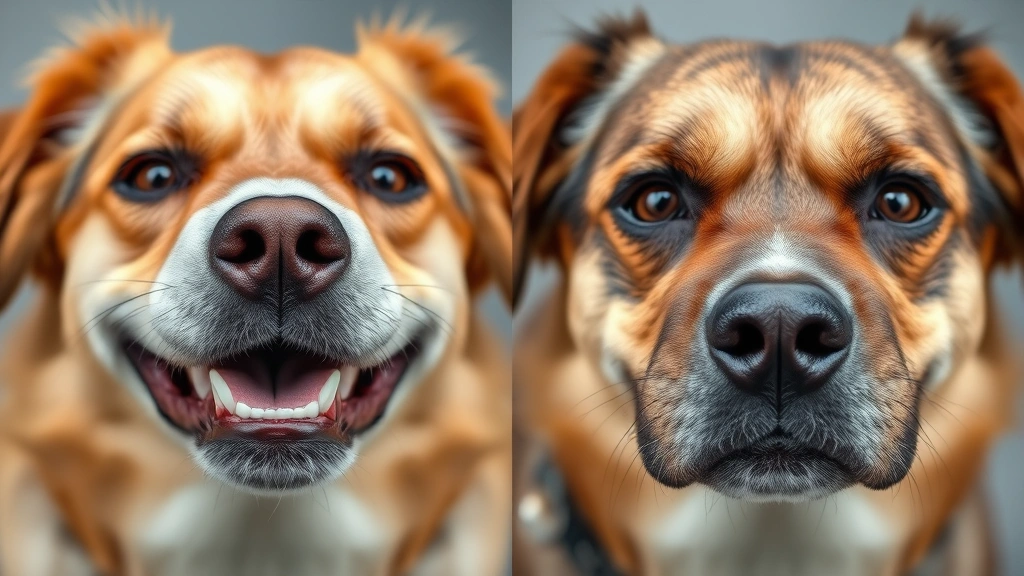
Now that we’ve established that Smile Dog isn’t real, let’s explore what actual dog smiles look like and what they mean. Real dog smiles are far more subtle and adorable than the nightmarish grin from the legend. When a dog is genuinely happy, they often display what’s commonly called a “submissive smile” or “play smile,” which involves slightly raised corners of the mouth and a relaxed facial expression.
A truly happy dog’s smile typically includes several accompanying features: soft, relaxed eyes (often with a slight squint), ears in a neutral or slightly forward position, and an overall loose body posture. Some dogs, particularly those with naturally expressive faces like Golden Retrievers or Huskies, develop what owners interpret as genuine grins. These smiles are usually accompanied by the dog’s entire body language—a wagging tail, playful stance, and general excitement.
It’s important to understand that why dogs smile differs significantly from human smiling. Dogs don’t smile for the same reasons we do. They haven’t evolved the same facial expressions as humans, and their “smiles” are typically contextual responses to specific situations. When you come home from work and your dog greets you with what looks like a smile, they’re expressing contentment and recognition, but through a different mechanism than human emotion.
Some breeds are naturally more expressive than others. Pit Bulls, for instance, often have a mouth structure that naturally appears to curve upward, giving them a perpetual “smile” appearance. This is purely anatomical and has nothing to do with their emotional state. Understanding this distinction helps us appreciate our dogs’ actual expressions rather than projecting human emotions onto them.
Do Dogs Have Real Emotions Behind Their Smiles?
This is where science and pet ownership intersect in fascinating ways. Research has consistently shown that dogs do have emotions, though they experience and express them differently than humans. Dogs have measurable emotional responses to various stimuli, including their owners, other dogs, and environmental changes.
According to the American Kennel Club’s research on canine emotions, dogs possess the emotional capacity of a two-to-three-year-old human child. They experience joy, fear, anger, disgust, and contentment. When your dog appears to smile, they’re likely experiencing contentment or excitement, though not through the same facial mechanism that humans use.
Brain imaging studies have revealed that dogs’ brains show similar activity patterns to humans when experiencing positive emotions. The release of oxytocin (the “love hormone”) occurs in dogs when they interact with their owners, similar to human parent-child bonding. This biological foundation suggests that your dog knows you love them on a fundamental neurochemical level.
However, it’s crucial not to anthropomorphize too heavily. While dogs do experience genuine emotions, we must be careful about interpreting their facial expressions through a purely human lens. A dog’s “smile” is not identical to a human smile, even if it serves a similar social function in their world.

The Science Behind Why Dogs Smile
The scientific explanation for dog “smiling” involves both evolution and individual learning. Dogs have evolved alongside humans for thousands of years, and this coevolution has shaped their ability to read and respond to human emotional cues. Part of this adaptation includes developing facial expressions that humans find appealing and readable.
When a dog pulls back their lips in what we interpret as a smile, several things might be happening. First, it could be a genuine expression of contentment and relaxation. Second, it might be a learned behavior—dogs are remarkably intelligent and quickly learn that certain expressions elicit positive responses from their owners. If a dog discovers that a particular facial expression results in treats, attention, or praise, they’ll repeat it.
Research published in peer-reviewed journals has shown that dogs actively modify their facial expressions based on human attention. In studies conducted at the University of Portsmouth, researchers found that dogs significantly increased their eyebrow movements when humans were looking at them, but not when humans had their backs turned. This suggests that dogs consciously use facial expressions as a communication tool with humans.
The anatomy of a dog’s face also plays a role. Dogs have muscles around their eyes and mouth that allow for various expressions, though not to the same degree as humans. The structure of a dog’s mouth and jaw means their natural resting expression can sometimes appear smile-like, particularly in certain breeds.
Distinguishing Real Smiles from Submission Grins
Understanding the difference between a genuine smile and a submissive grin is essential for responsible dog ownership. A submissive grin, often mistaken for a smile, is actually a sign of anxiety or stress. In this expression, the dog pulls back their lips to expose their teeth, but their body language tells a different story: flattened ears, tucked tail, lowered body posture, and tense muscles.
A genuine happy smile, by contrast, comes with relaxed body language. The dog’s entire demeanor is loose and comfortable. Their tail wags, their eyes are soft, and they might even engage in play behavior. The key difference is that a genuine smile is part of an overall picture of contentment, while a submissive grin is typically accompanied by signs of nervousness.
This distinction matters significantly because misinterpreting a submissive grin as happiness could lead to missing signs of stress or fear in your dog. If your dog is exhibiting lip-licking, yawning, or turning away while displaying teeth, they’re likely anxious rather than happy. Understanding these signals helps you respond appropriately to your dog’s actual emotional state.
Additionally, whether dogs like kisses is connected to how they interpret facial expressions and physical affection. Some dogs might interpret a human smile as threatening, particularly if they’re not familiar with their owner. Context and individual dog temperament are crucial factors in how different dogs respond to human facial expressions.
Health and Behavioral Implications
From a behavioral perspective, understanding dog smiles helps us build better relationships with our pets. When we correctly interpret our dog’s facial expressions and body language, we can respond more appropriately to their needs. This leads to improved training outcomes, better stress management for anxious dogs, and stronger bonds between pets and owners.
Health-wise, a dog’s facial expressions can sometimes indicate underlying medical issues. Changes in a dog’s typical expression patterns might signal pain, illness, or neurological problems. A dog that suddenly stops making their usual facial expressions or starts exhibiting unusual grimacing might need veterinary attention. This is why observing your dog’s normal baseline behaviors is important for early disease detection.
Behaviorally, dogs that smile frequently in positive contexts are often dogs with lower stress levels and better emotional regulation. Dogs that primarily display submissive grins or stress-related facial expressions might benefit from additional environmental enrichment, training, or behavioral support. Understanding why dogs like being pet and what calms them can help reduce stress-related expressions and promote genuine contentment.
The ability to read your dog’s facial expressions is also crucial for safety. Recognizing the difference between a play growl and an aggressive display, or between a relaxed expression and a tense one, can prevent misunderstandings and potential incidents. Education about canine body language benefits both dogs and the humans who interact with them.
According to the ASPCA’s comprehensive guide to dog care, understanding your dog’s behavioral signals is fundamental to responsible pet ownership. This includes recognizing and correctly interpreting facial expressions in various contexts.
Frequently Asked Questions
Is Smile Dog a real curse or just an internet myth?
Smile Dog is purely an internet myth and urban legend. There is no actual cursed image, no documented supernatural effects, and no evidence supporting any of the creepypasta’s claims. It’s a fictional horror story that gained traction online due to its compelling narrative structure and the universal appeal of dog-related content. The “curse” spread through internet culture as a meme and folklore phenomenon, not through any actual supernatural mechanism.
Can dogs actually smile like humans?
Dogs can’t smile exactly like humans because their facial anatomy is different. However, dogs do display expressions that we interpret as smiles, particularly when they’re happy and relaxed. These expressions involve slight lip movements and facial relaxation, often accompanied by other positive body language signals like tail wagging and soft eyes. While dogs can understand English to some degree, they communicate emotions primarily through body language rather than facial expressions alone.
What does a dog’s smile actually mean?
A dog’s smile typically indicates contentment, relaxation, or excitement. It’s often part of a larger expression involving the entire body. When a dog is truly happy, you’ll see soft eyes, relaxed ears, a wagging tail, and loose body posture alongside any lip movements. The smile is context-dependent and should be interpreted as part of the overall body language picture rather than in isolation.
How can I tell if my dog is genuinely happy?
Genuine happiness in dogs is expressed through multiple signals working together. Look for: soft, slightly squinted eyes; relaxed ears in a natural position; a loose, wiggly body; a wagging tail (held in a natural or slightly raised position); and an overall playful demeanor. Happy dogs often engage in play behavior, seek out their owners for interaction, and show interest in their environment. These combined signals paint a much clearer picture than any single facial expression.
Is it safe to assume my dog is happy if they’re showing their teeth?
Not necessarily. Showing teeth can indicate happiness in some contexts, but it can also signal stress, aggression, or fear. You must evaluate the entire context and body language. If your dog is showing teeth with a relaxed body, soft eyes, and wagging tail, they’re likely happy. If they’re showing teeth with stiff posture, flattened ears, a tucked tail, or intense eyes, they’re probably stressed or feeling defensive. Always consider the complete picture.
Do certain dog breeds smile more than others?
Some breeds do appear to smile more frequently due to their facial structure. Breeds like Pit Bulls, Huskies, and some mixed breeds have mouth shapes that naturally curve upward, giving a perpetual smile appearance. However, this is anatomical rather than emotional. Individual personality also plays a role—some dogs are simply more expressive than others, regardless of breed. Environmental factors and how much positive interaction a dog receives also influence how frequently they display happy expressions.
Should I be concerned if my dog doesn’t smile?
Not at all. Not all dogs display obvious smiling behavior, and that’s completely normal. Some dogs show contentment through other signals: relaxed body posture, soft eyes, tail wagging, and seeking out interaction. Dogs communicate happiness in various ways, and absence of a visible smile doesn’t indicate unhappiness. Focus on your dog’s overall behavior, energy level, and responsiveness rather than whether they display a specific facial expression.





