What Can You Give a Dog for Allergies? Vet Advice
If your furry best friend is constantly scratching, licking their paws, or dealing with red, inflamed skin, you’re not alone. Dog allergies are one of the most common health issues veterinarians encounter, affecting millions of pups worldwide. The good news? There are plenty of effective solutions to help your pooch feel comfortable and happy again.
Whether your dog is struggling with environmental allergies, food sensitivities, or seasonal itchiness, understanding your treatment options is crucial. From over-the-counter remedies to prescription medications and lifestyle changes, we’ll walk you through everything you need to know to get your dog back to their tail-wagging self.
Let’s dive into the comprehensive guide to managing your dog’s allergies with evidence-based advice and practical solutions that actually work.
Types of Dog Allergies
Before you can effectively treat your dog’s allergies, it’s essential to understand what type of allergies they’re experiencing. Dogs can suffer from three main categories of allergies: environmental, food-related, and contact allergies. Each type presents different symptoms and requires tailored treatment approaches.
Environmental allergies are triggered by outdoor and indoor allergens like pollen, dust mites, mold, and pet dander. These are often seasonal but can persist year-round depending on your location. Dogs with environmental allergies typically experience itchy skin, ear infections, and respiratory symptoms.
Food allergies are immune reactions to specific ingredients in your dog’s diet. Common culprits include chicken, beef, dairy, and wheat. If your dog has a food allergy, you might notice digestive issues alongside skin problems. It’s worth exploring whether dogs can be allergic to chicken, as this is one of the most frequent offenders in commercial dog foods.
Contact allergies occur when your dog’s skin reacts to direct contact with irritating substances like certain fabrics, cleaning products, or plants. These are less common but equally frustrating for pet parents.
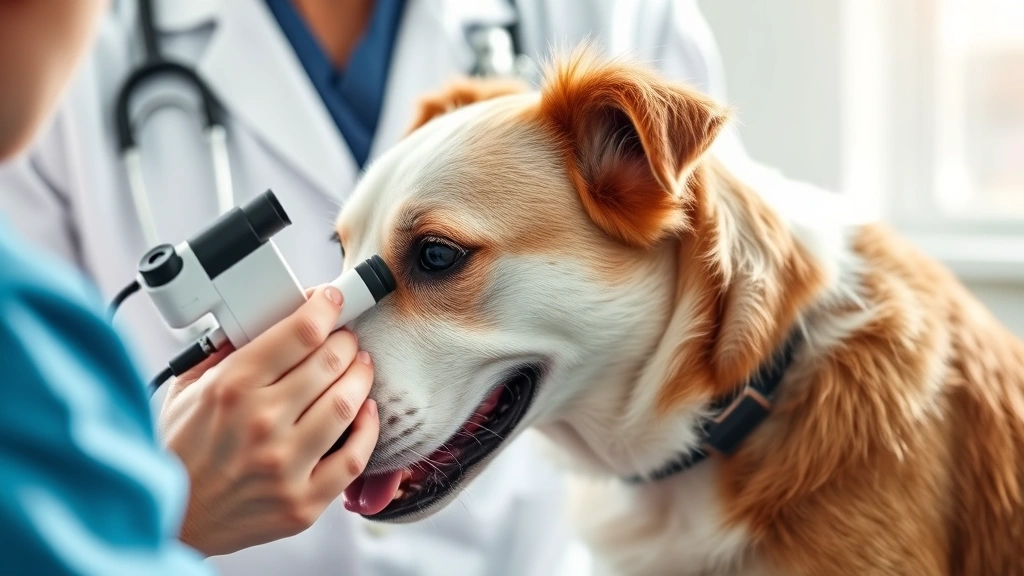
Antihistamines for Dogs
Antihistamines are often the first line of defense against dog allergies. These medications work by blocking histamine receptors, reducing the allergic response in your dog’s body. The beauty of antihistamines is that many are available over-the-counter, making them accessible and affordable.
Benadryl (diphenhydramine) is one of the most commonly recommended antihistamines for dogs. Most veterinarians suggest giving 1 mg per pound of body weight, typically two to three times daily. For a 50-pound dog, that would be approximately 50 mg per dose. However, always consult your vet before starting any medication.
Many pet parents wonder about using Claritin for their dogs. Loratadine (Claritin) is another popular antihistamine option that’s generally well-tolerated in dogs. It tends to cause less drowsiness than Benadryl, making it ideal for active pups. If you’re considering this route, you’ll want to know the proper dosage of Claritin for dogs to ensure safety and effectiveness.
Cetirizine (Zyrtec) and fexofenadine (Allegra) are additional antihistamine options that work well for some dogs. The effectiveness of antihistamines varies from dog to dog, so you may need to try different options to find what works best for your furry friend.
According to the American Kennel Club, antihistamines are most effective when started before allergy season begins, allowing them to build up in your dog’s system for maximum protection.
Prescription Allergy Medications
When over-the-counter options aren’t cutting it, your veterinarian may recommend prescription medications designed specifically for canine allergies. These are often more potent and targeted than their OTC counterparts.
Apoquel (oclacitinib) is a prescription medication that works by targeting specific immune pathways involved in allergic reactions. It’s particularly effective for dogs with severe itching and can provide relief within hours. However, it requires regular monitoring through bloodwork.
Cerenia (maropitant) and other prescription antihistamines offer stronger allergy relief for dogs that don’t respond to standard treatments. Your vet might also recommend cyclosporine, an immunosuppressant that reduces allergic responses by modulating the immune system.
Atopica is another prescription option that helps manage chronic allergies by suppressing the immune response. While effective, these medications require veterinary oversight and regular check-ups to monitor for side effects.
According to the ASPCA, prescription medications should always be combined with other management strategies for optimal results.

Dietary Solutions and Food Allergies
If your dog’s allergies are food-related, dietary management becomes your most powerful tool. The first step is identifying which ingredients trigger your dog’s allergic response. An elimination diet, conducted under veterinary supervision, involves removing suspected allergens for 8-12 weeks and then reintroducing them one at a time to identify culprits.
Common food allergens in dogs include beef, chicken, dairy, eggs, soy, and wheat. However, it’s worth noting that chicken allergies in dogs are particularly prevalent, making chicken-free diets increasingly popular.
Once you’ve identified the problematic ingredients, switching to a limited ingredient diet can dramatically improve your dog’s condition. These specialized diets contain fewer components, reducing the chance of triggering allergic reactions. Some dogs benefit from novel protein sources like venison, duck, or fish. Speaking of which, fish is good for dogs and often serves as an excellent protein alternative for allergy-prone pups.
Prescription hydrolyzed protein diets are another excellent option. These break proteins down into smaller molecules that the immune system is less likely to recognize as allergens. While more expensive than commercial diets, they’re often worth the investment for dogs with severe food allergies.
Probiotics and omega-3 fatty acids can also support digestive health and reduce inflammation associated with food allergies. These supplements work alongside dietary changes to promote healing and comfort.
Topical Treatments and Relief
While systemic medications address allergies from the inside, topical treatments provide immediate relief from itching and skin irritation. These are particularly helpful for localized symptoms and can be used alongside other treatments.
Medicated shampoos containing ingredients like oatmeal, coal tar, or salicylic acid can soothe irritated skin and reduce inflammation. Bathing your dog 2-3 times weekly with these specialized shampoos provides comfort and helps manage symptoms. Look for formulas specifically designed for allergic dogs.
Hydrocortisone creams and sprays offer quick relief from itchy spots. These over-the-counter topicals reduce inflammation and provide temporary comfort, though they shouldn’t be used long-term without veterinary guidance.
For dogs experiencing hot spots caused by allergies, specialized treatments containing antibiotic and antifungal agents prevent secondary infections while promoting healing. Hot spots develop when constant licking and scratching break the skin barrier, creating an entry point for bacteria.
Paw soaks are another excellent topical solution. Soaking your dog’s paws in an oatmeal solution or specialized paw wash can remove allergens and provide soothing relief. This is particularly helpful if your dog has environmental allergies from walking outside.
If your dog struggles with dry skin on dogs, moisturizing sprays and conditioners can provide relief and prevent further irritation. Look for products with hypoallergenic formulas that won’t trigger additional reactions.
Natural Remedies and Home Treatments
Many pet parents prefer exploring natural options for managing their dog’s allergies. While these shouldn’t replace veterinary care, they can complement medical treatments effectively.
Apple cider vinegar is a popular home remedy believed to help balance pH levels and reduce allergen sensitivity. Some owners add a tablespoon to their dog’s drinking water or use it as a topical rinse. However, always dilute it properly and consult your vet first, as undiluted vinegar can irritate skin.
Coconut oil contains lauric acid and other compounds with anti-inflammatory properties. Applying food-grade coconut oil to irritated areas or adding it to food may help reduce itching and promote skin health. Use sparingly, as it’s high in calories.
Quercetin, a natural compound found in certain plants, acts as a natural antihistamine. Some veterinarians recommend quercetin supplements for dogs with allergies, though research is still ongoing regarding optimal dosing.
Omega-3 fatty acids from fish oil or flaxseed reduce inflammation throughout the body and support skin health. These supplements are widely available and generally well-tolerated by dogs. According to VetInfo, omega-3 supplementation can significantly reduce allergy symptoms over time.
Regular grooming removes allergens from your dog’s coat and skin. Bathing your dog weekly during allergy season helps wash away pollen and environmental irritants before they cause problems.
When to See Your Veterinarian
While many allergy symptoms can be managed at home, certain situations require professional veterinary care. If your dog’s allergies are severe, persistent, or accompanied by secondary infections, scheduling a vet appointment is essential.
Red flags that warrant immediate veterinary attention include excessive scratching causing bleeding or open wounds, signs of infection like pus or unusual odor, ear infections with discharge, or breathing difficulties. These symptoms suggest your dog needs professional evaluation and treatment.
Your veterinarian can perform allergy testing to identify specific triggers. Intradermal skin tests and blood tests help pinpoint environmental and food allergens, allowing for targeted treatment plans. This diagnostic information is invaluable for long-term management.
Don’t hesitate to seek professional help if over-the-counter treatments aren’t providing relief after two weeks. Your vet can prescribe stronger medications or recommend specialist referral to a veterinary dermatologist for complex cases.
Prevention Tips for Allergy Management
While you can’t always prevent allergies entirely, implementing preventive strategies can significantly reduce symptom severity and frequency. A proactive approach often yields better results than reactive treatment.
Environmental management is crucial for dogs with seasonal or environmental allergies. Use air purifiers in your home, vacuum frequently, and wash bedding weekly in hot water. After outdoor time, wipe your dog’s paws and face to remove pollen and allergens.
Consistent grooming maintains skin health and removes potential irritants before they accumulate. Regular brushing distributes natural oils and prevents matting that can trap allergens and moisture.
Dietary consistency helps prevent food-related allergies. Stick with high-quality, limited ingredient diets and avoid unnecessary treats or table scraps that might contain hidden allergens.
Regular veterinary check-ups allow your vet to monitor your dog’s skin health and catch developing issues early. Annual or semi-annual visits are especially important for allergy-prone breeds.
Stress reduction supports immune function and can help prevent allergy flare-ups. Ensure your dog gets adequate exercise, mental stimulation, and relaxation time. Stress can exacerbate allergic reactions and make symptoms worse.
Frequently Asked Questions
Can I give my dog over-the-counter allergy medication?
Yes, many over-the-counter antihistamines like Benadryl and Claritin are safe for dogs when given at appropriate dosages. However, always consult your veterinarian before starting any medication to ensure it’s suitable for your dog’s specific situation and won’t interact with other medications.
How long does it take for allergy treatments to work?
Topical treatments like medicated shampoos provide immediate relief, while oral antihistamines typically begin working within 30 minutes to an hour. Prescription medications may take several days to reach full effectiveness. Dietary changes require 8-12 weeks to demonstrate improvement, as the immune system needs time to adjust.
Are certain dog breeds more prone to allergies?
Yes, some breeds are genetically predisposed to allergies. Retrievers, Bulldogs, Terriers, and German Shepherds are among the most allergy-prone breeds. However, any dog can develop allergies regardless of breed.
What’s the difference between food allergies and food sensitivities?
Food allergies involve an immune system response and can cause severe reactions. Food sensitivities are non-immune reactions that typically cause digestive upset without systemic immune involvement. Both require dietary management but may need different treatment approaches.
Can allergies go away on their own?
Unfortunately, true allergies don’t typically resolve without intervention. However, symptoms can be managed effectively with proper treatment. Environmental allergies may improve seasonally when allergen exposure decreases, but food allergies require ongoing dietary management.
Is it safe to use multiple allergy treatments together?
Some treatments can be safely combined, while others may interact negatively. Always inform your veterinarian about all medications and supplements your dog is taking. Your vet will recommend safe combinations that provide optimal relief without adverse effects.
What should I do if my dog has an allergic reaction?
Mild reactions can often be managed at home with antihistamines and monitoring. However, severe reactions involving swelling, difficulty breathing, or anaphylaxis require immediate emergency veterinary care. Contact your vet or emergency clinic without delay if you suspect a serious allergic reaction.
How much does allergy treatment cost?
Costs vary widely depending on treatment type. Over-the-counter antihistamines cost $10-30 monthly, while prescription medications range from $50-200+ monthly. Allergy testing costs $200-500, and specialized diets typically run $40-100+ monthly. Investing in proper diagnosis often saves money long-term by identifying effective treatments.