
What Can You Give a Dog for Allergies? Vet Tips
If your furry friend is constantly scratching, licking their paws, or shaking their head, you’re not alone. Dog allergies are incredibly common, affecting millions of pups across the country. Whether it’s environmental triggers, food sensitivities, or contact allergens, watching your beloved companion suffer is heartbreaking. The good news? There are plenty of effective solutions to help manage and alleviate your dog’s allergy symptoms.
As a responsible pet parent, understanding what options are available is the first step toward getting your pup the relief they deserve. From dietary adjustments to medications and home remedies, we’ve compiled comprehensive vet-backed tips to help you navigate the world of canine allergies. Let’s explore everything you need to know about managing your dog’s allergies and getting them back to their happy, itch-free self.
Identifying Canine Allergies
Before you can treat your dog’s allergies, you need to understand what you’re dealing with. Canine allergies typically fall into three main categories: food allergies, environmental allergies (also called atopy), and contact allergies. Each type presents slightly different symptoms and requires different management approaches.
Food allergies often manifest as digestive issues combined with skin problems. Your dog might experience vomiting, diarrhea, or excessive gas alongside itching and hair loss. The most common culprits include beef, dairy, wheat, and chicken—though any ingredient can trigger a reaction in sensitive dogs. If you suspect your pup has a food allergy, you might want to explore whether dogs can be allergic to chicken, as this is one of the most frequently reported allergens.
Environmental allergies are triggered by pollen, dust mites, mold, and other airborne particles. These allergies are often seasonal, flaring up during spring or fall when pollen counts are highest. Your dog might exhibit excessive scratching, red and inflamed skin, ear infections, and watery eyes. Contact allergies occur when your dog’s skin reacts to something they’ve touched, such as certain fabrics, cleaning products, or plants.

Dietary Solutions and Food Changes
One of the most effective ways to manage dog allergies is through dietary modification. If your veterinarian suspects a food allergy, they’ll likely recommend an elimination diet. This involves feeding your dog a novel protein source they’ve never consumed before, allowing their digestive system and skin to reset over 8-12 weeks.
When selecting a new dog food, quality matters tremendously. Avoid low-quality brands and opt for premium options that contain limited ingredients. You’ll want to ensure the food contains high-quality protein and beneficial fats. Speaking of protein sources, many pet parents wonder about specific ingredients—for instance, fish is beneficial for dogs and often serves as an excellent novel protein for elimination diets due to its omega-3 content, which naturally reduces inflammation.
During an elimination diet, keep detailed records of what your dog eats and any symptoms they experience. This information is invaluable for your vet in identifying trigger foods. Once you’ve identified the problematic ingredient, you can work with your veterinarian to find a suitable long-term diet. Some pet parents find success with evaluating specific commercial dog food brands to ensure they meet their allergic dog’s nutritional needs without triggering reactions.
Beyond just changing the main protein source, consider adding beneficial ingredients to your dog’s diet. Oatmeal can be a nutritious addition to your dog’s diet and may help soothe irritated skin when incorporated properly. Always introduce new foods gradually over 7-10 days to avoid digestive upset.
Medications Your Vet May Recommend
When dietary changes and home remedies aren’t sufficient, your veterinarian has several medication options to consider. The choice depends on your dog’s specific allergy type, severity of symptoms, and overall health status.
Antihistamines are often the first pharmaceutical approach. Common options include diphenhydramine, cetirizine, and fexofenadine. These work by blocking histamine receptors, reducing the allergic response. While generally safe, antihistamines are less effective in dogs than in humans, providing relief in only about 10-30% of cases when used alone.
Corticosteroids like prednisone and dexamethasone are powerful anti-inflammatory medications that quickly reduce itching and inflammation. However, they’re typically reserved for short-term use due to potential side effects with prolonged use, including increased thirst, appetite, and urination. Your vet will prescribe the lowest effective dose for the shortest duration necessary.
Apoquel (oclacitinib) is a newer medication specifically designed for canine allergic dermatitis. It works by inhibiting immune response pathways that cause itching. Many veterinarians favor this option because it acts quickly (often within 24 hours) and has fewer systemic side effects than steroids.
Cytopoint (lokivetmab) is an injectable monoclonal antibody that targets specific immune mediators involved in allergic itch. Given as an injection every 4-8 weeks, it provides consistent relief without daily medication management.
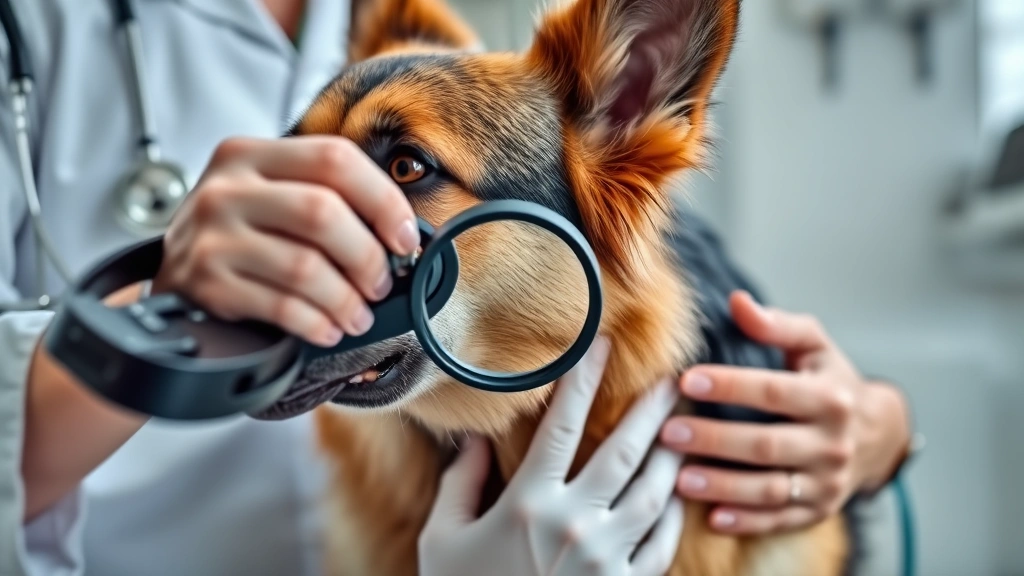
Your veterinarian might also recommend topical treatments like medicated shampoos or creams to address skin irritation directly. These are especially helpful when combined with oral medications for comprehensive relief.
Natural Supplements and Remedies
Many pet parents prefer starting with natural approaches before moving to pharmaceuticals. While these shouldn’t replace veterinary treatment for severe allergies, they can be excellent complementary options.
Omega-3 Fatty Acids are among the most well-researched natural allergy remedies for dogs. These anti-inflammatory compounds help reduce skin inflammation and support overall skin health. Fish oil supplements are particularly effective, though flaxseed oil is a vegetarian alternative. Most dogs benefit from 1,000-2,000 mg of EPA/DHA daily, though your vet can provide personalized dosing.
Probiotics support gut health and may help reduce allergic reactions by strengthening the intestinal barrier. A healthy gut microbiome is increasingly recognized as crucial for immune function. Look for species like Lactobacillus and Bifidobacterium specifically formulated for dogs.
Quercetin is a natural compound found in certain plants that acts similarly to an antihistamine. Often called “nature’s antihistamine,” it can be particularly helpful for environmental allergies. Some veterinarians recommend combining quercetin with bromelain (an enzyme from pineapple) for enhanced effect.
For skin irritation specifically, you might explore remedies for itchy skin that include oatmeal-based treatments and soothing baths. Additionally, addressing underlying skin health through treating dry skin on dogs can prevent secondary infections and improve overall comfort.
Coconut Oil has mild anti-inflammatory and antimicrobial properties. Applied topically to affected areas or added to food in small amounts (about 1 teaspoon per 10 pounds of body weight daily), it may provide some relief. However, start slowly as too much can cause digestive upset.
Turmeric contains curcumin, a powerful anti-inflammatory compound. While research in dogs is limited, many holistic veterinarians recommend it as an adjunctive treatment. Always use veterinary-approved formulations and dosing.
Managing Environmental Allergens
If your dog suffers from environmental allergies, medication and supplements work best when combined with environmental management strategies. These practical steps can significantly reduce your dog’s exposure to triggering allergens.
Home Environment Control: Regularly vacuum your home with a HEPA filter to trap dust mites and pollen. Wash your dog’s bedding weekly in hot water to eliminate allergens. Consider using air purifiers in rooms where your dog spends the most time. If your dog has access to your bed, wash those sheets frequently as well.
Grooming and Bathing: Regular baths with hypoallergenic or medicated shampoos remove allergens from your dog’s coat and skin. Bathe your dog weekly during high pollen seasons, but be cautious not to over-bathe as this can strip natural oils. After outdoor time, wipe your dog’s paws and face with a damp cloth to remove pollen.
Outdoor Management: Check pollen counts before taking your dog outside during allergy season. Limit outdoor time during peak pollen hours (typically early morning and late evening). Consider keeping your dog indoors with windows closed during high pollen days. After outdoor activities, change your dog’s collar and wash their face and paws.
Dietary Additions: Ensure your dog stays well-hydrated, as this supports skin barrier function. A high-quality diet with adequate fatty acids and antioxidants strengthens the immune system’s ability to handle allergens.
When to See Your Veterinarian
While many allergy management strategies can be implemented at home, certain situations warrant professional veterinary attention. If your dog’s symptoms persist despite your efforts, or if they’re experiencing severe discomfort, schedule a veterinary appointment promptly.
Your vet can perform diagnostic tests to identify specific allergens. The American Kennel Club provides comprehensive information on dog allergies, and your veterinarian can reference these resources to develop a tailored treatment plan. Blood tests and intradermal skin tests can pinpoint environmental allergens, while elimination diets help identify food triggers.
Seek immediate veterinary care if your dog develops signs of infection, such as pustules, crusting, or a foul odor from the skin, as secondary bacterial or yeast infections are common complications of allergies. Additionally, if your dog shows signs of anaphylaxis (difficulty breathing, facial swelling, or collapse), this is a medical emergency requiring immediate attention.
Your veterinarian can also rule out other conditions that mimic allergies, such as parasites or hormonal imbalances. According to the ASPCA’s guide to common dog health issues, allergies are frequently misdiagnosed, so professional evaluation is important for accurate treatment.
Frequently Asked Questions
How long does it take to see improvement after starting allergy treatment?
Timeline varies depending on the treatment type. Medications like Apoquel can show results within 24 hours, while dietary changes typically require 8-12 weeks to demonstrate full benefit. Natural supplements may take 2-4 weeks to show noticeable improvement. Patience and consistency are key.
Can I give my dog over-the-counter antihistamines?
Some over-the-counter antihistamines like cetirizine (Zyrtec) and diphenhydramine (Benadryl) can be given to dogs, but always consult your veterinarian first for proper dosing. Your vet will consider your dog’s weight, age, and overall health. Never assume human dosing guidelines apply to dogs.
Are certain dog breeds more prone to allergies?
Yes, some breeds have genetic predisposition to allergies. Breeds like Bulldogs, Retrievers, West Highland White Terriers, and Cocker Spaniels are more susceptible. However, any dog can develop allergies regardless of breed.
What’s the difference between food allergies and food sensitivities?
Food allergies involve an immune system response, while food sensitivities (or intolerances) cause digestive upset without immune involvement. Both require dietary management, but the underlying mechanisms differ. Your vet can help determine which your dog has.
Can allergies be cured, or is management lifelong?
Most allergies, particularly environmental ones, require ongoing management rather than cure. However, identifying and eliminating food triggers can sometimes result in complete resolution of symptoms. Work with your veterinarian to develop a long-term management plan tailored to your dog’s specific situation.
Should I use both medications and supplements together?
In many cases, combining approaches provides better results than single treatments. However, always discuss supplement use with your veterinarian before adding them to your dog’s regimen, as some supplements can interact with medications.
What should I do if my dog has a severe allergic reaction?
Severe allergic reactions require immediate veterinary attention. Contact your vet or emergency clinic right away if your dog shows difficulty breathing, facial swelling, collapse, or severe vomiting. According to Veterinary Partner’s resource on canine allergies, prompt treatment can prevent serious complications.
Are allergy shots effective for dogs?
Immunotherapy (allergy shots) can be effective for environmental allergies, with success rates around 60-80%. Your veterinarian must first perform allergy testing to identify specific triggers. This is typically a long-term treatment requiring injections over months to years.