

What Causes Parvo in Dogs? A Vet-Approved Guide
If you’re a dog parent, you’ve probably heard the word “parvo” whispered with concern at the dog park or vet’s office. Canine parvovirus is one of those scary diagnoses that can send shivers down any pet lover’s spine, but here’s the good news: understanding what causes parvo in dogs is your first line of defense against this serious illness. Armed with knowledge, you can take proactive steps to protect your furry best friend from this potentially life-threatening virus.
Parvo isn’t some mysterious ailment shrouded in medical jargon—it’s a preventable disease caused by a highly contagious virus that attacks your dog’s digestive system and heart. Whether you’re a new dog owner or a seasoned canine enthusiast, this comprehensive guide will walk you through exactly what causes parvo, how it spreads, and most importantly, how to keep your pup safe.
Let’s dig into the nitty-gritty of this viral villain and arm ourselves with the information needed to protect our four-legged companions.
Understanding Canine Parvovirus
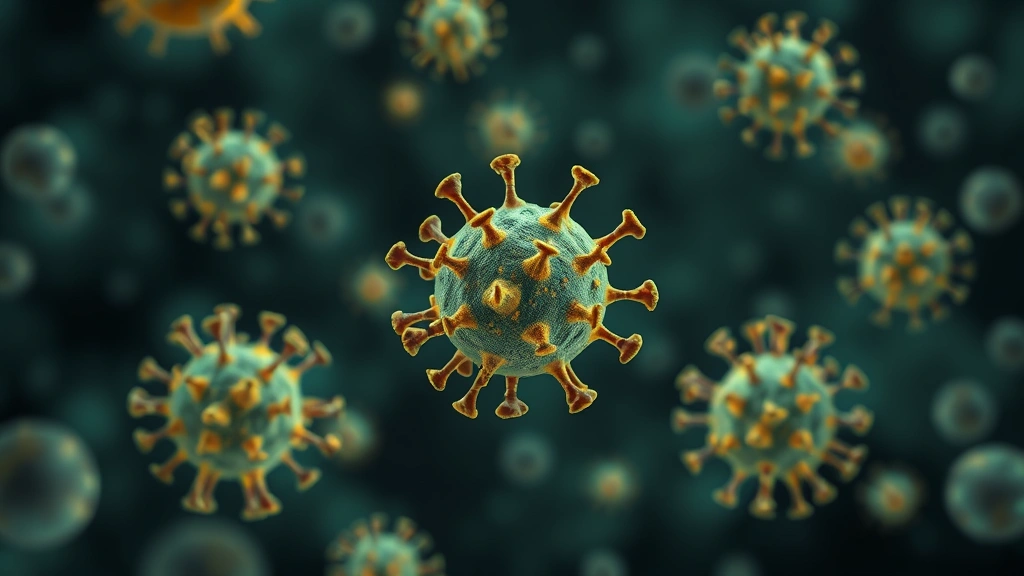
Canine parvovirus (CPV) is a highly contagious viral infection that primarily affects the gastrointestinal tract of dogs, though it can also damage the heart muscle in young puppies. The virus was first identified in 1978 and quickly became one of the most common infectious diseases in dogs worldwide. It’s a small, non-enveloped DNA virus that’s remarkably resilient—it can survive harsh environmental conditions that would destroy many other viruses.
There are actually two main strains of canine parvovirus: CPV-1, which is rarely seen today, and CPV-2, which includes several variants (CPV-2a, CPV-2b, and CPV-2c). The CPV-2 strains are the culprits behind most parvo cases you’ll encounter. These variants evolved from feline panleukopenia virus, which is why understanding the relationship between species is important when considering whether cats can get parvo from dogs.
The virus works by invading rapidly dividing cells in the intestinal lining and bone marrow, causing severe inflammation and destruction of the digestive tract. This is why infected dogs experience such dramatic and distressing symptoms. The virus essentially compromises your dog’s ability to absorb nutrients and maintain a healthy immune response.
How Parvo Spreads Between Dogs
Direct dog-to-dog contact is the primary transmission route for parvo. When an infected dog sheds the virus through feces, saliva, or vomit, nearby dogs can contract it through nose-to-mouth contact or by sniffing contaminated areas. This is particularly problematic at dog parks, kennels, shelters, and anywhere multiple dogs congregate.
What makes parvo such a formidable foe is its incredible transmissibility. An infected dog can shed billions of viral particles, and it only takes a minuscule amount to infect another dog. Even vaccinated dogs can theoretically encounter the virus, though their immune systems should neutralize it—which is why understanding what shots dogs need is crucial for protection.
The virus is shed most heavily during the acute phase of illness, typically 7-10 days after infection. However, dogs can continue shedding the virus for weeks after recovery, making recently recovered dogs potential carriers. This is why isolation protocols are so important in multi-dog households.
Indirect transmission through contaminated objects is equally concerning. The virus can survive on:
- Food and water bowls
- Bedding and blankets
- Toys and chew items
- Collars and leashes
- Human hands and clothing
- Shoes and footwear
A person who visits an infected dog and then immediately plays with an unvaccinated puppy can unwittingly transmit the virus. This is why hand hygiene and careful protocols are essential in veterinary clinics and shelters.
Risk Factors and Susceptible Dogs
While any unvaccinated dog can contract parvo, certain factors significantly increase the risk. Puppies between 6 weeks and 6 months of age are particularly vulnerable because their immune systems are still developing. During this critical window, puppies receive a series of vaccinations, but they’re not fully protected until the series is complete.
Unvaccinated or incompletely vaccinated dogs face the highest risk, regardless of age. This is why ensuring dogs receive proper vaccinations is non-negotiable for responsible pet ownership. Interestingly, older dogs can still get parvo, particularly if they were never vaccinated or if their immunity has waned over time.
Certain breeds appear to have genetic predispositions to severe parvo infection, including:
- Rottweilers
- Doberman Pinschers
- American Pit Bull Terriers
- German Shepherds
- Labrador Retrievers
- English Springer Spaniels
Dogs with compromised immune systems—whether from stress, malnutrition, concurrent infections, or medical conditions—are at elevated risk. Shelter dogs, strays, and dogs from puppy mills often have weakened immune systems due to poor living conditions and inadequate nutrition.
Environmental stress can also increase susceptibility. Dogs that have recently moved, experienced trauma, or are dealing with other health issues may be more prone to severe infection. Additionally, intestinal parasites can compromise the gut barrier, making parvo infection more likely.
Environmental Transmission
The environment plays a surprisingly significant role in parvo transmission. The virus is remarkably stable outside the host and can remain infectious on surfaces for months under ideal conditions. This environmental persistence is what makes parvo such a challenging disease to control.
Temperature, humidity, and UV exposure all affect how long the virus survives. In cool, moist environments—like a shaded area or indoors—parvo can persist far longer than in hot, dry conditions. Interestingly, the virus actually becomes more stable in colder temperatures, which is why parvo outbreaks can be particularly severe during winter months in many regions.
Soil and grass are common reservoirs for the virus. Contaminated outdoor areas can remain infectious for months, which is why dog parks and communal areas pose such significant risks. Even if you thoroughly clean an area, microscopic particles can remain embedded in soil and organic matter.
Water can also transmit parvo, though this is less common than direct contact or fomite transmission. Stagnant water or puddles in areas frequented by infected dogs could potentially harbor the virus, though the virus is quickly inactivated in flowing water and chlorinated pools.
The Virus in Your Home
If your dog has been exposed to parvo or you suspect infection, understanding how to manage the virus in your home is critical. The virus can survive on virtually every surface in your house, from hardwood floors to carpet to furniture.
The good news is that parvo is relatively easy to inactivate with proper disinfection. The virus is susceptible to:
- Bleach solutions – A 1:30 bleach-to-water ratio is highly effective
- Quaternary ammonium compounds – Found in many commercial disinfectants
- Heat – High temperatures can denature the virus
- UV light – Direct sunlight exposure for several hours
- pH extremes – Very acidic or alkaline environments
However, regular household cleaners like Lysol or standard disinfectants may not be strong enough to reliably eliminate parvo. This is why veterinarians recommend using bleach-based solutions or hospital-grade disinfectants when dealing with confirmed parvo contamination.
If your dog has parvo, you’ll need to:
- Isolate your dog from other pets
- Wash all bedding, toys, and food bowls in hot water
- Disinfect all surfaces with bleach solution
- Restrict access to your yard to prevent other dogs from being exposed
- Practice strict hygiene protocols, including hand washing and shoe covers
Prevention and Protection
The silver lining in the parvo cloud is that this disease is highly preventable through vaccination. Understanding what shots dogs need and maintaining a consistent vaccination schedule is your best defense against parvo.
Puppies typically begin their parvo vaccination series at 6-8 weeks of age, with boosters every 3-4 weeks until 16 weeks old. Adult dogs require regular booster shots, typically every 1-3 years depending on the vaccine and your veterinarian’s recommendations. This is similar to how dogs require rabies shots on a regular schedule.
Beyond vaccination, several preventive strategies reduce parvo risk:
- Limit exposure – Avoid high-risk areas like dog parks and shelters until puppies are fully vaccinated
- Practice hygiene – Wash hands before handling puppies, especially after visiting other dogs
- Screen for illness – Don’t allow contact with visibly ill dogs
- Maintain nutrition – A healthy diet supports immune function
- Minimize stress – Provide a calm, stable environment for young dogs
- Control parasites – Regular deworming maintains gut health
If you suspect your dog has parvo, recognizing the symptoms of parvo in dogs is essential for prompt treatment. Early intervention significantly improves survival rates. Additionally, knowing how to tell if your dog has parvo can mean the difference between a successful recovery and a tragic outcome.
According to the American Kennel Club’s comprehensive guide on canine parvovirus, vaccination combined with good sanitation practices provides excellent protection against this disease. The ASPCA also emphasizes the importance of vaccination and early veterinary care for suspected cases.
Research published in veterinary journals continues to demonstrate that AAHA-certified veterinarians recommend strict adherence to vaccination protocols as the most effective prevention strategy. Understanding the science behind parvo transmission empowers you to make informed decisions about your dog’s health and safety.
Frequently Asked Questions
Can a vaccinated dog get parvo?
While fully vaccinated dogs have excellent protection against parvo, no vaccine is 100% effective. However, vaccinated dogs that do contract parvo typically experience much milder symptoms and have significantly better survival rates than unvaccinated dogs. The vaccine primes the immune system to respond quickly and effectively to the virus.
How long does parvo survive on surfaces?
Canine parvovirus can survive on surfaces for several months under ideal conditions. In cool, moist environments, the virus can remain infectious for 1-6 months or even longer. This is why thorough disinfection and environmental management are so important when dealing with parvo contamination.
Is parvo contagious to humans?
No, canine parvovirus does not infect humans. However, humans can carry the virus on their hands, clothing, and shoes and inadvertently transmit it to other dogs. This is why hand hygiene and shoe covers are important when visiting infected dogs.
What’s the difference between parvo and other dog illnesses?
Parvo specifically attacks the gastrointestinal tract and causes severe vomiting, diarrhea (often bloody), and dehydration. Other illnesses may cause similar symptoms but have different underlying causes. A veterinary diagnosis through blood tests and physical examination is necessary to confirm parvo.
Can indoor dogs get parvo?
Yes, indoor dogs can contract parvo if they’re unvaccinated. The virus can be brought into the home on contaminated shoes, clothing, or hands. Additionally, unvaccinated indoor dogs that venture outside, even briefly, can be exposed to parvo in contaminated areas.
Are certain dog breeds more susceptible to parvo?
Certain breeds, particularly Rottweilers, Doberman Pinschers, and some other large breeds, appear to have genetic predispositions to more severe parvo infections. However, any unvaccinated dog of any breed can contract the disease. Age, vaccination status, and overall health are more predictive of severity than breed alone.
How is parvo diagnosed?
Veterinarians typically diagnose parvo through a combination of clinical signs, physical examination, and diagnostic tests. An ELISA test can detect parvo antigens in fecal samples, providing rapid confirmation. Blood work may also reveal characteristic changes like leukopenia (low white blood cell count).





