
What to Give a Constipated Dog: A Vet’s Guide
If your furry friend hasn’t had a successful bathroom visit in a while, you’re probably getting worried—and rightfully so! Canine constipation is more common than you’d think, and it can range from a minor inconvenience to a sign of something more serious. The good news? Most cases can be managed at home with the right approach and a little patience.
As a devoted dog parent, understanding what to give your constipated dog is crucial. Whether it’s dietary adjustments, natural remedies, or knowing when to call your vet, we’ve got you covered. Let’s explore the best solutions to get your pup back on track (pun intended!).
Constipation in dogs can happen for various reasons—from dehydration and lack of exercise to dietary issues or underlying health conditions. The key is identifying the cause and addressing it promptly. In this comprehensive guide, we’ll walk you through everything you need to know about treating your dog’s constipation effectively and safely.
Signs Your Dog Is Constipated
Recognizing constipation early is the first step toward helping your pup feel better. Dogs typically have one to two bowel movements daily, though some perfectly healthy dogs might go longer between visits. If your dog hasn’t had a bowel movement in 48-72 hours, or if they’re struggling and producing little to nothing, constipation is likely the culprit.
Watch for these telltale signs:
- Straining during bathroom breaks – Your dog squats repeatedly but produces little or no stool
- Hard, dry stools – When they do go, the feces are small and pellet-like
- Loss of appetite – Discomfort can make eating unappealing
- Lethargy – Your pup seems tired and less interested in playtime
- Abdominal discomfort – Excessive licking of the rear end or reluctance to sit
- Vomiting – In severe cases, backed-up stool can trigger nausea
Common Causes of Dog Constipation
Understanding why your dog is constipated helps you choose the most effective treatment. Several factors can contribute to this uncomfortable condition:
Dehydration is one of the leading causes. When dogs don’t drink enough water, their stools become dry and difficult to pass. This is especially common in senior dogs or those who aren’t encouraged to drink regularly.
Low-fiber diets can also be problematic. Dogs need adequate fiber to maintain healthy digestion and promote regular bowel movements. If you’re feeding a diet that lacks sufficient fiber, your dog might struggle.
Lack of exercise plays a significant role too. Physical activity stimulates the digestive system and helps move things along. Sedentary dogs, particularly seniors, are more prone to constipation.
Intestinal blockages from swallowed foreign objects, bone fragments, or excessive hair can cause serious constipation. This requires immediate veterinary attention.
Medications like certain pain relievers or antihistamines can slow digestive transit time. If your dog started a new medication and then became constipated, talk to your vet about alternatives.
Age and underlying health conditions such as hypothyroidism, anal gland issues, or neurological problems can also contribute. Older dogs are particularly susceptible to constipation.
Natural Remedies and Home Treatments
Before reaching for prescription medications, many vets recommend trying natural solutions first. These gentle approaches often work wonderfully for mild to moderate constipation:
Increase Water Intake
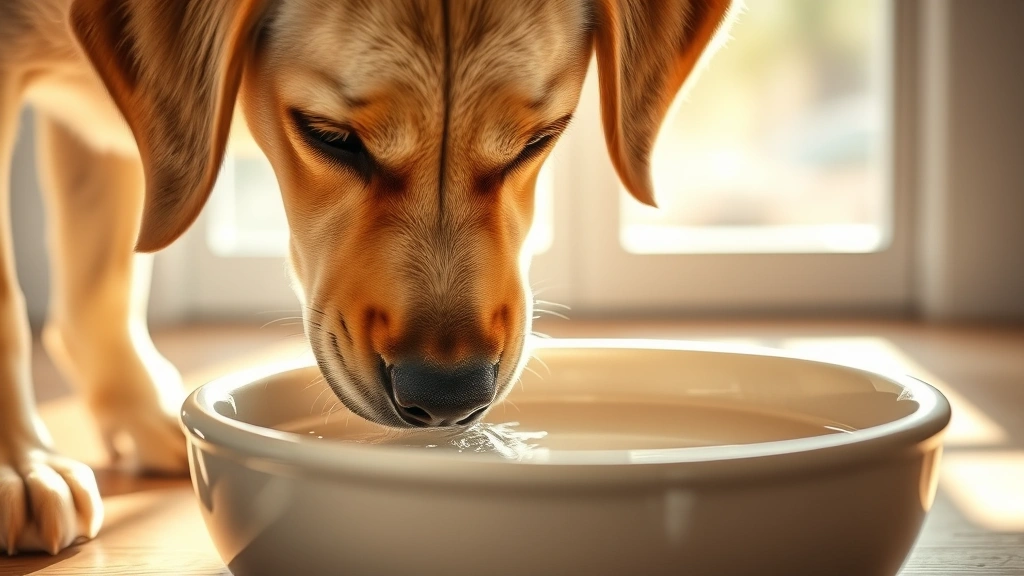
Hydration is fundamental to digestive health. Encourage your dog to drink more water by providing fresh bowls throughout your home, using a dog water fountain (many pups find running water more appealing), or adding a bit of low-sodium broth to their water bowl. Some dogs respond well to wet food, which naturally increases their fluid intake.
Add Pumpkin
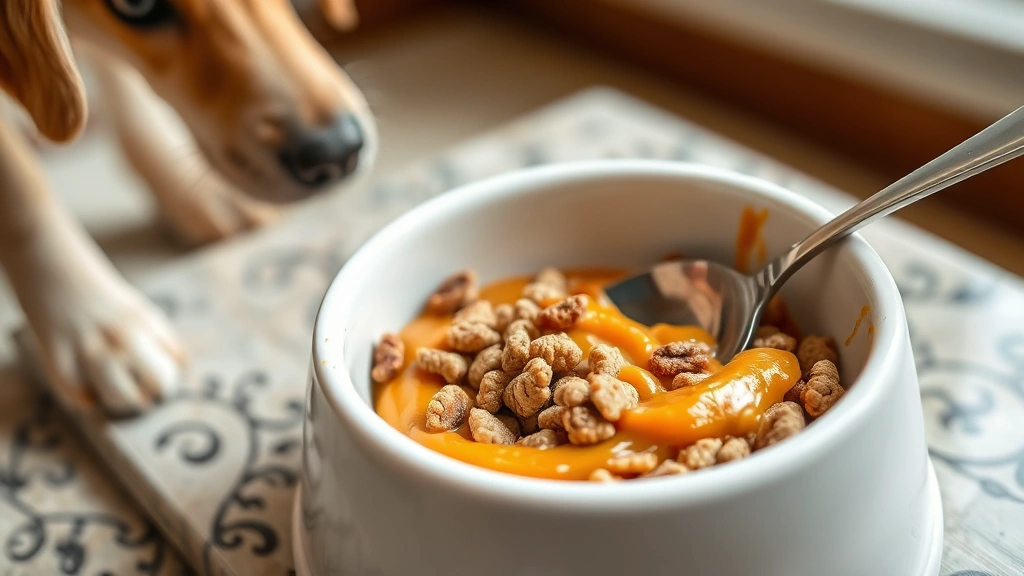
This is a classic remedy that actually works! You can give your dog pumpkin in the form of pure pumpkin puree (not pie filling, which contains sugar and spices). A tablespoon or two added to their regular food can work wonders. The fiber and moisture in pumpkin help soften stool and promote regular bowel movements. According to the American Kennel Club, pumpkin is beneficial for digestive health.
Try Sweet Potato
Another fiber-rich option is sweet potato. You can offer your dog sweet potato as a healthy treat or mixed into their meals. This nutritious vegetable provides both fiber and moisture, making it excellent for constipation relief.
Olive Oil
A teaspoon of olive oil added to your dog’s food acts as a natural lubricant, helping stool pass more easily. It’s safe, gentle, and many dogs find it palatable.
Increase Exercise
Physical activity stimulates the digestive system naturally. Take your dog for longer walks, play fetch, or engage in other activities they enjoy. Even a 15-20 minute walk can often trigger a bowel movement.
Probiotics
These beneficial bacteria support gut health and can improve overall digestive function. Look for dog-specific probiotic supplements and follow the dosage recommendations on the package.
Dietary Solutions for Constipation
Sometimes, adjusting your dog’s diet is the most effective long-term solution. If you’re wondering what to give your dog for constipation, consider these dietary modifications:
High-Fiber Foods
Incorporating more fiber into your dog’s diet promotes healthy digestion. Consider adding:
- Cooked carrots
- Green beans
- Apples (without seeds)
- Brown rice
- Oatmeal
Proper Portion Control
Overfeeding can contribute to digestive issues. Understanding how much food you should feed your dog ensures your pup gets the right amount for their age, size, and activity level. Consult your vet or use your dog’s food packaging guidelines as a starting point.
Quality Nutrition
High-quality dog foods with appropriate fiber content support digestive health. Look for foods listing whole proteins and vegetables as primary ingredients, and ensure they contain adequate fiber (typically 3-5% for maintenance diets).
Gradual Dietary Changes
If switching to a new food, do so gradually over 7-10 days to allow your dog’s digestive system to adjust. Abrupt changes can actually trigger digestive upset.
Wet vs. Dry Food
If your dog eats primarily dry kibble, adding wet food or broth can increase moisture intake, which helps soften stool. Some dogs do better on a combination of both.
When to Consider Medications
If natural remedies and dietary changes aren’t working after a few days, it’s time to consult your veterinarian. They may recommend medications such as:
Stool Softeners
Docusate is a common stool softener that helps water retention in the stool, making it easier to pass. It’s generally safe and works gently.
Laxatives
Lactulose is a prescription laxative that draws water into the intestines, promoting bowel movements. It’s effective but should only be used under veterinary guidance.
Motility Agents
Medications like cisapride increase intestinal muscle contractions, helping move stool through the digestive tract more efficiently.
Osmotic Agents
Polyethylene glycol (PEG) solutions help hydrate the stool and are often used for more stubborn cases.
Your vet will determine the best medication based on your dog’s specific situation, medical history, and the underlying cause of constipation. The ASPCA provides detailed information on veterinary constipation treatments.
Prevention Tips for Future Episodes
Once you’ve helped your dog recover from constipation, you’ll want to prevent it from happening again. Here are proven prevention strategies:
Maintain Consistent Hydration
Always ensure fresh water is available. Consider using a water fountain or adding water to meals to increase intake naturally.
Regular Exercise
Daily walks and playtime keep the digestive system active and healthy. Aim for at least 30 minutes of activity daily, adjusted for your dog’s age and fitness level.
High-Quality Diet
Feed a balanced, high-quality food with appropriate fiber content. When you’re unsure about nutrition, consult your vet or a veterinary nutritionist.
Monitor Bowel Movements
Keep an eye on your dog’s bathroom habits. Changes in frequency or consistency can signal potential issues early.
Regular Vet Checkups
Routine veterinary visits help catch underlying health issues that might contribute to constipation before they become problems.
Avoid Problematic Foods
Keep bones, fatty table scraps, and other potential blockage hazards away from your dog. These can trigger serious digestive issues.
Manage Medications
If your dog takes medications that might cause constipation, discuss alternatives with your vet or ask about preventative measures.
For more comprehensive strategies, check out our guide on how to help a constipated dog for additional tips and tricks.
Frequently Asked Questions
How long can a dog go without a bowel movement?
While some healthy dogs might go 24-48 hours without pooping, anything longer than 48-72 hours warrants concern. If your dog hasn’t had a bowel movement in three days, contact your veterinarian. Prolonged constipation can lead to more serious complications like megacolon or fecal impaction.
Can I give my dog a laxative designed for humans?
No, never give your dog human laxatives without explicit veterinary approval. Some human laxatives contain ingredients that are toxic to dogs or can cause serious side effects. Always use products specifically formulated for canines or prescribed by your vet. The PetMD resource on constipated dogs provides safe medication options.
What’s the difference between constipation and obstruction?
Constipation is difficulty passing stool, while an obstruction means something is physically blocking the intestines. Obstructions are emergencies requiring immediate surgery. Signs of obstruction include repeated vomiting, complete inability to pass stool, severe abdominal pain, and lethargy. If you suspect an obstruction, rush to an emergency vet clinic immediately.
Is constipation ever a sign of something serious?
Yes, sometimes constipation indicates underlying health issues like megacolon, anal gland problems, hypothyroidism, or intestinal blockages. If your dog has recurring constipation or if home remedies don’t work within a few days, veterinary evaluation is essential. Your vet can run tests to identify any serious conditions.
How quickly do natural remedies work?
Natural remedies like pumpkin and increased water typically show results within 24-48 hours. However, if your dog hasn’t improved within this timeframe, veterinary intervention may be necessary. Don’t wait too long—prolonged constipation can become dangerous.
Can diet alone prevent constipation?
Diet plays a huge role, but it’s not the only factor. Hydration, exercise, and overall health matter too. A comprehensive approach combining proper nutrition, activity, and hydration offers the best prevention strategy.
What should I do if my dog is straining but nothing comes out?
If your dog is straining without producing stool, it could indicate constipation, but it might also signal other issues like anal gland problems or urinary issues. Contact your vet for proper diagnosis. In the meantime, ensure your dog has access to plenty of water and try gentle exercise to stimulate bowel movements.





