
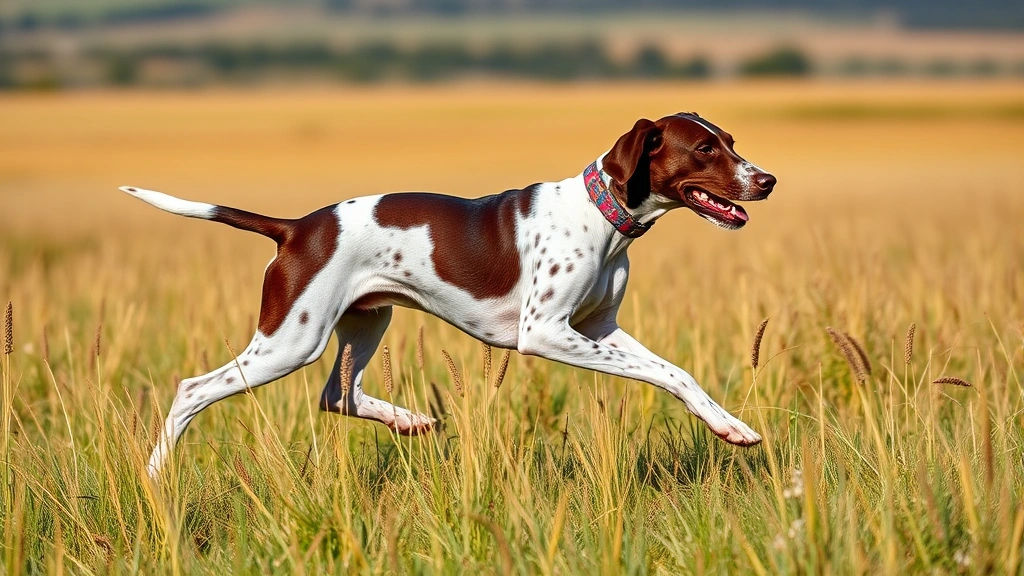
What Is a GSP Dog? Understanding the Breed
If you’ve ever wondered what a GSP dog is, you’re not alone. The German Shorthaired Pointer, affectionately known as a GSP, is one of the most versatile and athletic dog breeds in existence. These magnificent dogs have captured the hearts of hunters, families, and dog enthusiasts worldwide with their boundless energy, intelligence, and unwavering loyalty. But there’s so much more to understand about this incredible breed than just their stunning appearance and spirited personality.
GSPs are the kind of dogs that seem to do it all—they excel as hunting companions, excel as family pets, and can even master advanced training with remarkable ease. Their combination of physical prowess, mental sharpness, and genuine affection for their people makes them stand out in the canine world. Whether you’re considering bringing one into your home or simply curious about the breed, this comprehensive guide will walk you through everything you need to know about German Shorthaired Pointers.
Let’s dive into what makes these dogs tick, from their fascinating history to their specific care requirements and what it truly means to share your life with a GSP.
Breed Basics and History
The German Shorthaired Pointer has a rich and fascinating history that dates back to 19th-century Germany. Breeders developed the GSP by crossing English Pointers with German hunting dogs, creating a breed that combined the best hunting instincts with improved scenting ability and athleticism. The goal was simple yet ambitious: create the perfect hunting companion that could work in various terrains and weather conditions across the German countryside.
The breed was officially recognized and standardized in the late 1800s, with the first German Shorthaired Pointer club established in Germany in 1897. From there, the breed spread throughout Europe and eventually made its way to the United States, where it gained tremendous popularity. Today, the American Kennel Club recognizes GSPs as a sporting breed, and they consistently rank among the most popular dog breeds in America.
What’s remarkable about the GSP’s development is how intentional it was. German breeders weren’t just looking for a pretty dog—they wanted a multi-purpose hunting partner with intelligence, athleticism, and drive. This purposeful breeding has resulted in a breed that retains strong hunting instincts and an incredible work ethic, even in dogs that have never seen a hunting field.
Physical Characteristics
German Shorthaired Pointers are medium to large-sized dogs with a lean, muscular build that speaks to their athletic heritage. Adult males typically stand between 23 to 25 inches tall at the shoulder, while females are slightly smaller at 21 to 23 inches. Weight ranges from 45 to 70 pounds, depending on the individual dog’s build and genetics.
The most distinctive feature of a GSP is their short, dense coat, which comes in several beautiful color patterns. The most common colors include liver and white, solid liver, and black and white. Their coat is weather-resistant and relatively easy to maintain, though they do shed consistently throughout the year. One of the breed’s defining characteristics is their elegant head shape—they have a long, slightly domed skull with a pronounced stop and a powerful muzzle designed for retrieving game.
GSPs have kind, intelligent eyes that are typically dark brown or hazel, and their ears are set high on their head, hanging close to the cheeks. Their tail is medium length and carried horizontally, often moving with constant motion when the dog is alert or excited. Overall, the GSP presents an image of athletic grace—a dog built for speed, endurance, and precision work in the field.

Temperament and Personality
Perhaps the most endearing quality of German Shorthaired Pointers is their enthusiastic and affectionate personality. GSPs are genuinely people-oriented dogs that form deep bonds with their families. They’re known for being exceptionally friendly, not just with their owners but with strangers, children, and even other dogs. This friendly nature makes them wonderful family pets but also means they’re not ideal guard dogs—they’re more likely to greet an intruder with a wagging tail than any protective instinct.
These dogs are incredibly intelligent and seem to thrive on mental stimulation and interaction. They want to be involved in family activities and can become frustrated or destructive if left alone for extended periods without proper exercise and engagement. GSPs are sensitive dogs that respond poorly to harsh corrections; they do best with positive reinforcement training methods that acknowledge their intelligence and eagerness to please.
The breed’s hunting heritage means they have a strong prey drive, which manifests as an intense focus and determination when pursuing moving objects. This can be both a blessing and a challenge—wonderful in a hunting context, but requiring careful management around small pets and small children. Many GSP owners find that their dogs have a delightful sense of humor and playfulness that keeps family life entertaining and dynamic.
If you’re curious about which breed might match your personality, consider taking our what dog breed are you quiz to see how you compare to different breeds, including athletic types like GSPs. You might also enjoy exploring what dog am I quiz for a fun personality assessment, or discovering what type dog am I through our interactive tools.

Exercise and Activity Requirements
If there’s one thing that cannot be overstated about German Shorthaired Pointers, it’s their need for substantial daily exercise. These are not dogs that will be satisfied with a leisurely walk around the block. GSPs were bred to work all day in the field, and that genetic programming remains strong in the breed. Most GSPs require at least one to two hours of vigorous exercise daily to be mentally and physically satisfied.
This exercise should be varied and engaging—a combination of running, swimming, fetch, and other activities that challenge their minds as well as their bodies. Many GSP owners find that their dogs excel in dog sports like agility, dock diving, field trials, and obedience competitions. These structured activities provide the mental stimulation and physical challenge that GSPs crave.
Without adequate exercise, GSPs can develop behavioral problems including destructiveness, excessive barking, and anxiety. They’re prone to creating their own entertainment if not given appropriate outlets for their energy, which often means redecorating your house in creative and unwanted ways. A tired GSP is a happy, well-behaved GSP, and this is one of the most important considerations for anyone thinking about bringing one into their home.
For comparison, if you’re wondering about other active breeds, you might be interested in learning how old do husky dogs live, as huskies are another high-energy breed with specific needs. Understanding the longevity and care requirements of various active breeds can help you make the best choice for your lifestyle.
Training and Intelligence
German Shorthaired Pointers are exceptionally intelligent dogs that rank among the most trainable breeds available. They have a genuine desire to please their owners and a natural aptitude for learning new commands and tasks. This intelligence, combined with their eagerness to work, makes them ideal candidates for advanced training, service work, and competitive obedience.
However, their intelligence also means they can become bored with repetitive training sessions. GSPs do best with varied, engaging training that keeps their minds sharp and their interest piqued. Short, fun training sessions with lots of positive reinforcement work better than long, monotonous drills. Many GSP owners find that their dogs actually seem to enjoy training and will actively seek out opportunities to work and learn.
Early socialization is crucial for GSPs, as with all breeds. Exposure to different people, animals, environments, and experiences during puppyhood helps ensure that they grow into well-adjusted, confident adults. Their natural friendliness makes socialization easier than with some breeds, but it’s still an important investment in your dog’s development.
The breed’s hunting instinct means that off-leash reliability requires consistent training and a secure, fenced area. Even well-trained GSPs can be tempted to chase wildlife, so it’s important to have a solid recall command and to never trust them completely off-leash in unsecured areas. Working with a professional trainer experienced with sporting breeds can be invaluable, especially for first-time GSP owners.
Health and Lifespan
German Shorthaired Pointers are generally healthy, robust dogs with a typical lifespan of 10 to 12 years, though some live into their mid-teens with proper care. Like all breeds, they are predisposed to certain health conditions that potential owners should be aware of and breeders should screen for.
Hip dysplasia is a concern in the breed, as it is in many medium to large-sized dogs. This genetic condition affects the hip joint and can lead to arthritis and mobility issues. Responsible breeders screen their breeding stock using Orthopedic Foundation for Animals (OFA) evaluations to minimize the incidence of this condition. Elbow dysplasia is another joint condition that can occur in GSPs.
Bloat, or gastric dilatation-volvulus, is a serious and potentially life-threatening condition that can affect deep-chested dogs like GSPs. This condition occurs when the stomach fills with gas and twists, cutting off blood supply. Symptoms include restlessness, unproductive vomiting, and abdominal distension. Immediate veterinary care is essential if you suspect bloat.
Other health concerns in the breed include hemangiosarcoma (a type of cancer), hypothyroidism, and ear infections. The latter is particularly common in GSPs due to their floppy ears, which can trap moisture and create an ideal environment for bacterial and yeast growth. Regular ear cleaning and inspection are important preventive measures.
To keep your GSP healthy and thriving, work with a veterinarian for regular check-ups, maintain a healthy weight through appropriate diet and exercise, and purchase puppies only from breeders who conduct health screenings on their breeding dogs. The ASPCA provides excellent resources on dog health conditions that can help you stay informed about potential issues.
Grooming and Coat Care
One of the advantages of owning a GSP is that their grooming requirements are relatively modest compared to many other breeds. Their short, dense coat doesn’t require professional grooming or complicated styling. However, they do shed consistently year-round, with heavier shedding during spring and fall when they blow their coat.
Regular brushing with a slicker brush or undercoat rake several times per week helps manage shedding and keeps the coat healthy. During heavy shedding seasons, daily brushing can significantly reduce the amount of hair you find around your home. Bathing every 4 to 6 weeks with a quality dog shampoo helps keep the coat clean and healthy, though more frequent bathing isn’t necessary unless your dog gets particularly dirty.
Ear care is especially important for GSPs due to their floppy ears. Check ears weekly for signs of redness, odor, or discharge, which could indicate an infection. Clean ears gently with a veterinarian-recommended ear cleaner, and consider drying them after swimming or bathing to prevent moisture buildup.
Dental care shouldn’t be overlooked—brush your GSP’s teeth several times per week or daily if possible to maintain good oral health and prevent periodontal disease. Regular nail trimming every 3 to 4 weeks keeps nails at a healthy length and prevents discomfort and potential injury. Many GSP owners find that their dogs’ nails wear down naturally with regular exercise on hard surfaces, but trimming is still often necessary.
GSPs as Family Companions
German Shorthaired Pointers can make wonderful family pets for the right households. Their affectionate, playful nature and genuine love for their people make them excellent companions for active families. They typically do well with children, especially when raised with them from puppyhood, and their patient, tolerant temperament is well-suited to family life.
However, it’s important to be realistic about what GSP ownership entails. These are high-energy dogs that require substantial daily exercise and mental stimulation. They’re not ideal for apartment living unless you have a strong commitment to providing extensive daily activity. They’re also not suitable for families that work long hours and leave their dogs alone regularly, as GSPs can develop separation anxiety and destructive behaviors when bored or lonely.
If you’re still exploring whether a GSP is right for you, consider taking our are dogs better than cats quiz to think through whether a dog—and specifically an active breed like a GSP—fits your lifestyle. Alternatively, explore do pomeranian dogs shed if you’re concerned about shedding and want to compare coat characteristics across breeds.
GSPs are best suited to families with a yard where they can play and burn off energy. A secure fence is essential, as their prey drive and athleticism mean they can quickly chase after wildlife or escape from unsecured areas. Multi-pet households should be managed carefully, as the breed’s hunting instinct can be triggered by small pets, though many GSPs coexist peacefully with cats and other dogs when properly introduced and supervised.
The breed’s need for human interaction means they thrive in homes where they’re genuinely part of the family rather than relegated to a backyard. GSPs that are included in family activities, given proper training, and provided with adequate exercise tend to be well-adjusted, happy dogs that bring tremendous joy to their households.
Frequently Asked Questions
How much do German Shorthaired Pointers cost?
The cost of a GSP puppy from a reputable breeder typically ranges from $500 to $1,500, depending on the breeder’s reputation, location, and whether the dog comes from hunting or show lines. Adopting a GSP from a rescue organization is usually much less expensive, often between $50 and $300. It’s important to avoid extremely cheap puppies, as they may come from puppy mills or irresponsible breeders who don’t conduct health screenings. Remember that the initial purchase price is just the beginning—you’ll also need to budget for food, veterinary care, training, and supplies.
Are GSPs good with children?
Yes, German Shorthaired Pointers are generally excellent with children, especially when raised with them from puppyhood. They’re patient, playful, and affectionate with kids. However, their exuberant energy and size mean that they can accidentally knock over small children during play. Supervision is important, and teaching both children and dogs appropriate interaction is essential. Their prey drive means they should be monitored around very small children, though actual incidents are rare in well-socialized dogs.
Can GSPs live in apartments?
While it’s technically possible for a GSP to live in an apartment, it’s not ideal. These dogs have very high exercise needs and do best with access to a yard and open spaces. An apartment-dwelling GSP would require multiple long walks or runs daily, plus additional exercise and mental stimulation. The breed’s tendency toward excessive barking when bored or lonely can also be problematic in apartment settings. If you must live in an apartment, ensure you can commit to extensive daily exercise and consider whether this breed is truly the right fit for your lifestyle.
How often should I exercise my GSP?
Most adult GSPs need at least one to two hours of vigorous exercise daily to be satisfied and well-behaved. This should include a combination of activities like running, fetch, swimming, or dog sports. Puppies have different needs—they shouldn’t engage in strenuous exercise until their growth plates close (around 12 to 18 months) to prevent joint damage, but they do need multiple shorter play sessions throughout the day. Senior GSPs may need slightly less intense exercise, but they still require regular activity to maintain health and mental sharpness.
What’s the best way to train a GSP?
German Shorthaired Pointers respond best to positive reinforcement training methods that use treats, praise, and play as rewards. They’re sensitive dogs that don’t respond well to harsh corrections or punishment-based training. Keep training sessions short (10 to 15 minutes) and varied to maintain interest, and make training fun so your dog looks forward to it. Professional training classes, especially those focused on sporting breeds or specific dog sports, can be very helpful. Early socialization and basic obedience training should begin as soon as you bring your puppy home.
Do GSPs require special diet considerations?
German Shorthaired Pointers don’t have special dietary requirements beyond those of other medium to large-sized active dogs. High-quality dog food with appropriate protein and fat levels supports their active lifestyle. Some owners prefer to feed their GSPs a diet formulated specifically for sporting or active dogs. Discuss your dog’s nutritional needs with your veterinarian, especially regarding portion sizes and caloric intake, as GSPs can be prone to weight gain if overfed. Always ensure fresh water is available, especially after exercise.
Are GSPs hypoallergenic?
No, German Shorthaired Pointers are not hypoallergenic. They shed consistently year-round and even more heavily during shedding season. People with dog allergies may still experience allergic reactions to GSPs. If you have allergies but love the breed, you might consider spending time around GSPs to gauge your reaction before committing to ownership. Regular grooming and brushing can help minimize shedding, but won’t eliminate it.
What’s the difference between show lines and hunting lines?
German Shorthaired Pointers from hunting lines are typically bred for field performance and tend to have higher energy levels and stronger prey drives. Dogs from show lines are bred primarily for appearance and may have slightly less intense hunting drive, though they’re still active dogs. Hunting line GSPs often make better choices for active families that can provide the outlet for their natural instincts, while show line dogs might be somewhat more adaptable to varied lifestyles. Both types require substantial exercise and are intelligent, trainable dogs.





