
What Is the Fastest Dog Breed? Discover the Winner
Ever wondered which dog could leave you in the dust during a backyard sprint? The answer might surprise you—and it’s not always the breed you’d expect! When we talk about speed, we’re diving into one of the most fascinating aspects of canine athleticism. Some dogs were literally bred for centuries to chase down prey at breakneck velocities, while others couldn’t outrun a determined squirrel if their kibble depended on it.
Speed in dogs isn’t just about bragging rights at the dog park. It’s a window into their genetic heritage, their purpose, and what makes them tick as athletes. Whether you’re considering adopting a high-energy speedster or simply curious about which pups could compete in the canine Olympics, this guide will help you understand what makes certain breeds the Formula One vehicles of the dog world.
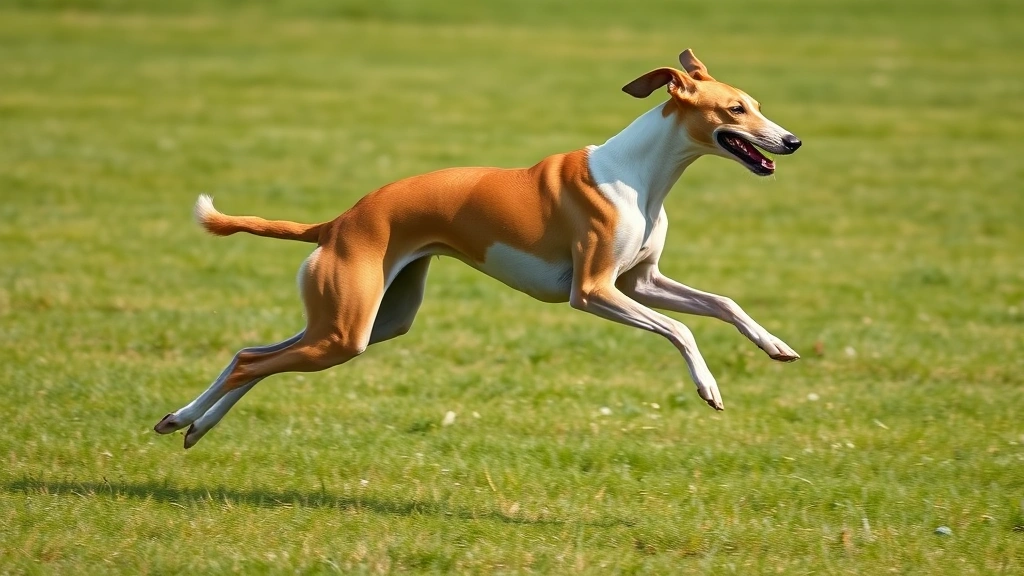
The fastest dog breed in the world is the Greyhound, capable of reaching speeds up to 45 miles per hour in short bursts. But here’s where it gets interesting: speed rankings aren’t quite as straightforward as you might think. Different breeds excel at different types of running, and what matters most depends on distance, terrain, and purpose.
The Greyhound: The Undisputed Speed Champion
If there’s a Mount Rushmore of fast dogs, the Greyhound’s face is front and center. These sleek, elegant hounds have been synonymous with speed for over 2,000 years. Originally bred in the Middle East and North Africa for coursing game like hares and gazelles, Greyhounds represent the pinnacle of canine velocity engineering.
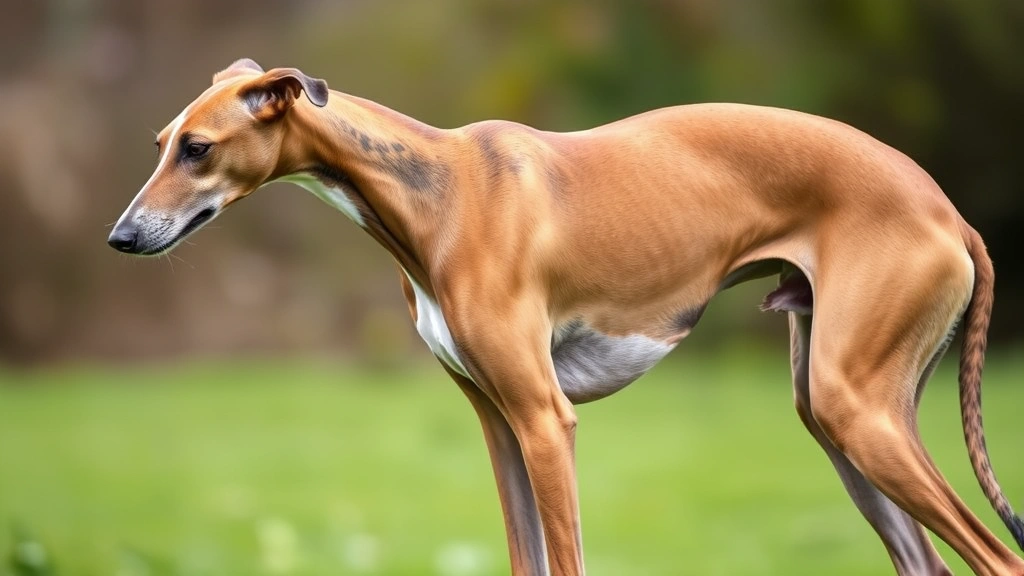
What makes Greyhounds so incredibly fast? Their physiology is practically a masterclass in speed optimization. Their long, narrow bodies reduce wind resistance, their deep chests house powerful lungs, and their long legs provide extended stride length. But perhaps most importantly, their flexible spine allows for that distinctive galloping motion that propels them forward with seemingly effortless grace.
The typical Greyhound can maintain speeds of 35-40 mph comfortably and reach peak velocities of 45 mph in short bursts. To put this in perspective, that’s faster than most residential speed limits! Their acceleration is equally impressive—they can go from 0 to 60 mph in about six seconds, rivaling many sports cars.
Greyhounds don’t just run fast; they run smart. Their keen eyesight (they can see objects up to 900 yards away) combined with their prey drive makes them exceptional at tracking moving targets. This is why they’ve historically been the breed of choice for dog racing, though many animal welfare advocates have concerns about that industry. If you’re interested in athletic pursuits, learning how to teach a dog to play fetch can help channel that speed into fun, safe activities.
Interestingly, despite their incredible athleticism, Greyhounds are often called “40 mph couch potatoes.” They’re sprinters, not marathon runners. After a good run or play session, they’re content to lounge around the house, making them surprisingly good apartment dogs for active owners.
Other Lightning-Fast Breeds
While the Greyhound reigns supreme, several other breeds are nothing to sneeze at in the speed department. Let’s explore the canine speed rankings beyond the champion.
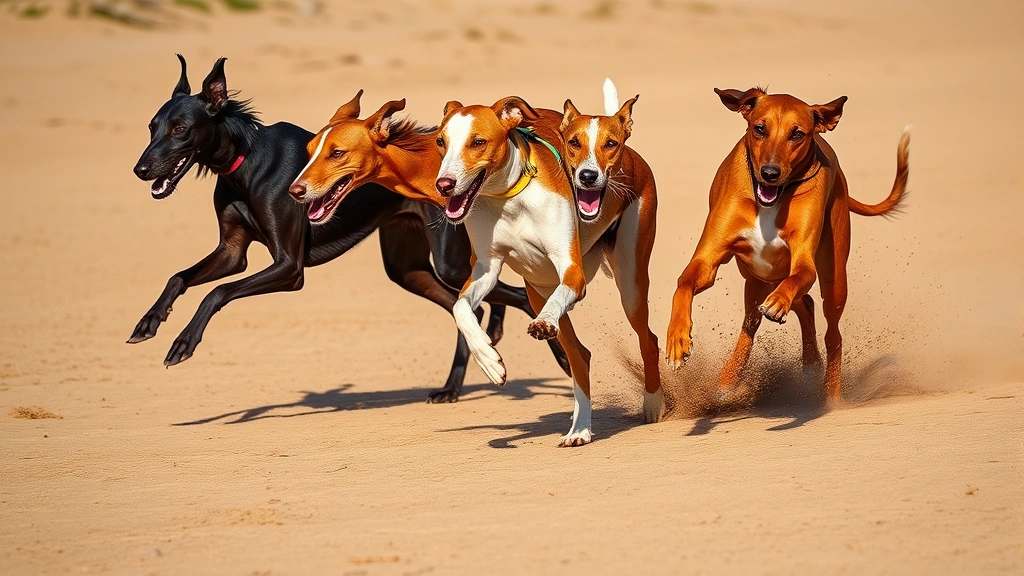
Saluki: Often considered the second-fastest breed, Salukis can reach speeds of 42-45 mph. These ancient Egyptian sighthounds are actually older than Greyhounds and possess similar body structures optimized for speed. They’re slightly larger and more muscular than their racing cousins, which gives them impressive endurance to match their velocity.
Afghan Hound: Don’t let their flowing, glamorous coats fool you—Afghan Hounds can hit 40 mph. Bred in the mountains of Afghanistan to hunt leopards and gazelles, these elegant hounds combine speed with agility. Their long hair actually serves a purpose in their native climate, providing insulation in extreme temperature variations.
Vizsla: These Hungarian hunting dogs can reach speeds of 40 mph and are known for their incredible stamina. Unlike Greyhounds, Vizslas can maintain high speeds over longer distances, making them excellent running companions for marathoners and ultra-distance enthusiasts. They’re also remarkably affectionate, earning them the nickname “Velcro dogs” because they literally want to stick to your side.
Weimaraner: Another German hunting breed, Weimaraners can achieve speeds of 35-40 mph. These silver-coated athletes were originally bred to hunt wild boar, deer, and other large game. Their combination of speed and power makes them formidable hunters and loyal family companions.
Rhodesian Ridgeback: These African hunting dogs can reach 40 mph and were originally bred to hunt lions (yes, you read that correctly). Their speed is tempered with incredible courage and strength, making them one of the most impressive athletic specimens in the dog world.
Dalmatian: Famous for their spots and their historical role as firehouse dogs, Dalmatians can hit speeds of 35-40 mph. They were originally bred as coach dogs and have exceptional endurance, making them great companions for long-distance runners.
Other notably fast breeds include the Pointer, Setter, German Shepherd, Doberman Pinscher, and Border Collie. The distinction between these breeds and the top-tier speed demons often comes down to specialization—while they’re incredibly fast, they were bred for different purposes, whether that’s herding, hunting, or protection work.
The Science Behind Canine Speed
Understanding why certain dogs are faster than others requires diving into the biomechanics and genetics of canine athleticism. According to research from the American Kennel Club, speed in dogs is determined by several interconnected factors.
Skeletal Structure: Fast dogs typically have long, straight legs relative to their body size. The angle of their limbs allows for maximum extension and stride length. Their spine is also more flexible than that of other dog types, allowing for the characteristic “double-suspension gallop” where all four feet leave the ground simultaneously during their sprint.
Muscle Composition: Sighthounds like Greyhounds have a higher proportion of fast-twitch muscle fibers compared to other breeds. These fibers are optimized for quick, powerful contractions ideal for explosive speed. Their muscles are also remarkably efficient at converting energy, which is why they can maintain high speeds without overheating as quickly as other breeds.
Cardiovascular System: The hearts of fast dog breeds are proportionally larger than average, allowing them to pump more oxygen-rich blood to their muscles during intense physical activity. Their lung capacity is also exceptional, enabling rapid oxygen exchange even during peak exertion.
Body Composition: Fast dogs typically have very low body fat percentages and lean muscle mass. Their weight is distributed in a way that maximizes power-to-weight ratio. A Greyhound, for instance, might weigh 60-70 pounds but have virtually no excess fat, making them incredibly efficient runners.
Neurological Factors: The speed at which a dog’s nervous system can process information and coordinate muscle movements plays a role in their athletic performance. Dogs bred for coursing prey have enhanced visual processing and rapid reflexes that allow them to make split-second directional changes at high speeds.
Research published in the ASPCA database suggests that breeding for specific traits over centuries has created distinct phenotypes optimized for speed. When breeders consistently selected for faster individuals, they inadvertently selected for all the physiological characteristics that support velocity.
Interestingly, not all speed comes from genetics alone. Environmental factors, nutrition, training, and overall health significantly impact a dog’s performance. A well-trained, properly conditioned dog will consistently outperform an untrained one, even within the same breed.
Training Your Fast Dog
If you’ve got a speedy pup at home, proper training and exercise are essential for their physical and mental wellbeing. Fast dogs weren’t bred to lounge around; they need outlets for their energy and athleticism.
Structured Exercise Programs: Fast breeds need at least 1-2 hours of vigorous exercise daily. This can include running, sprinting, or engaging in canine sports. Consider activities like lure coursing (a sport where dogs chase a mechanical lure), agility competitions, or simply off-leash running in a secure area.
Mental Stimulation: Speed isn’t just physical—it’s also mental. These dogs need cognitive challenges to prevent boredom and destructive behavior. Puzzle toys, scent work, and training sessions should complement their physical exercise regimen. Many people find that why dogs love tennis balls relates directly to their prey drive and desire for chase-based activities.
Proper Conditioning: Just like human athletes, fast dogs need gradual conditioning to build endurance and prevent injury. Start with shorter distances and lower intensity, gradually increasing as your dog builds fitness. Always warm up before intense exercise and cool down afterward.
Nutrition for Athletes: High-performance dogs require diets rich in quality proteins and fats to support muscle development and energy production. Consult with your veterinarian about appropriate caloric intake based on your dog’s activity level. Some fast breeds may benefit from specialized performance diets.
Play and Socialization: Beyond structured training, fast dogs benefit from free play with other dogs. This allows them to burn energy naturally while engaging their social instincts. Dog parks can be excellent outlets, though you’ll want to ensure your speedy pup doesn’t accidentally overwhelm slower dogs during play.
Fun games like fetch are perfect for fast breeds. If your dog is already an enthusiast, you might wonder about related activities—like whether all dogs can swim, which could expand their exercise options to include water-based activities that are gentler on joints while still providing excellent cardiovascular workouts.
Safety Considerations for Speed Demons
Owning a fast dog comes with unique responsibilities. Their speed and prey drive require careful management to keep them safe and prevent incidents.
Secure Fencing: Fast dogs are escape artists. Standard fencing isn’t always sufficient—they can clear 5-6 foot fences with ease. Ensure your yard has secure, preferably 6+ foot fencing, and regularly inspect for gaps or weak points. Some owners use electronic fencing, though this requires careful training and monitoring.
Leash Management: Never trust a fast dog off-leash in unsecured areas. Their prey drive can be triggered by a squirrel or cat, and they’ll be gone in seconds, potentially running into traffic or becoming lost. Even well-trained dogs can succumb to their instincts in exciting moments.
Heat Management: Despite their incredible athletic abilities, fast dogs can overheat during intense exercise, especially in warm weather. Always provide access to fresh water, exercise during cooler parts of the day, and watch for signs of heat stress like excessive panting or lethargy. According to veterinary research, overheating is a genuine risk for high-performance breeds.
Joint and Bone Health: The repetitive impact of high-speed running puts stress on joints and bones. Provide a comfortable bed for recovery, consider joint supplements if recommended by your vet, and avoid excessive jumping or running on hard surfaces. Regular veterinary check-ups are crucial for monitoring orthopedic health.
Behavioral Management: Fast dogs with high prey drives can be problematic around small pets. Introduce them carefully to cats, small dogs, and other animals, and never leave them unsupervised together. Their speed means they can cause injury accidentally even during play.
Training and Recall: Invest time in solid recall training. A fast dog that won’t come when called is a liability. Use high-value rewards, practice consistently, and consider working with a professional trainer if needed.
If you’re considering whether a fast breed is right for your household, think about whether they align with your lifestyle. Some people wonder if dogs are better than cats partly because they want an athletic companion—and fast breeds certainly deliver on that front. However, they require significant time, space, and commitment.
Frequently Asked Questions
What is the fastest dog breed in the world?
The Greyhound is the fastest dog breed, capable of reaching speeds up to 45 mph in short bursts. They were bred for centuries specifically for their speed and are the standard against which all other dog speeds are measured.
How fast can a Greyhound run?
Greyhounds can run at speeds of 35-40 mph comfortably and reach peak speeds of 45 mph. They can accelerate from 0 to 60 mph in approximately six seconds, making them incredibly quick off the mark.
Are Greyhounds good family pets?
Despite their racing reputation, Greyhounds make excellent family pets. They’re often called “40 mph couch potatoes” because they’re relatively calm indoors after exercise. They’re affectionate, gentle, and surprisingly adaptable to apartment living. Many rescue organizations specialize in rehoming retired racing Greyhounds.
What other breeds are nearly as fast as Greyhounds?
Salukis, Afghan Hounds, Vizslas, and Weimaraners are all capable of reaching 40+ mph. Dalmatians, Pointers, and Setters are also notably fast, though typically in the 35-40 mph range.
Do all fast dogs have the same body type?
Most fast dogs share similar characteristics—long legs, lean bodies, deep chests, and flexible spines. However, there’s variation. Afghan Hounds have long flowing coats, while Greyhounds are smooth-coated. Some fast breeds like Vizslas are more muscular than others.
Can I train any dog to be faster?
While proper conditioning can improve any dog’s speed and athleticism, genetics play a major role. A Border Collie might become faster with training, but it likely won’t outrun a Greyhound. Choose a breed whose athletic capabilities match your lifestyle and goals.
How much exercise do fast dogs need?
Most fast dog breeds need 1-2 hours of vigorous exercise daily. This should include opportunities to run at high speeds, not just leisurely walks. Without adequate exercise, they can develop behavioral problems and become destructive.
Are fast dogs good for first-time dog owners?
Fast breeds can be challenging for first-time owners due to their exercise requirements and prey drive. However, with proper training, socialization, and commitment to their needs, they can be wonderful companions. Consider working with a professional trainer if you’re new to dog ownership.
Why were dogs bred for speed?
Humans have selectively bred for speed for thousands of years. Fast dogs were essential for hunting large game, coursing prey, and herding livestock. These breeding practices created the incredibly athletic dogs we see today. Understanding what dog breeds shed the least shows how selective breeding affects multiple traits—similarly, speed-focused breeding created dogs with specific physical characteristics.
Can fast dogs compete in dog sports?
Absolutely! Fast breeds excel in numerous dog sports including lure coursing, agility, flyball, dock diving, and straight racing events. These sports provide excellent outlets for their energy and athleticism while strengthening the bond between dog and owner.
What’s the difference between speed and endurance in dogs?
Speed refers to maximum velocity in short bursts, while endurance is the ability to maintain moderate speeds over longer distances. Greyhounds excel at speed but tire quickly. Vizslas and Weimaraners have better endurance. The best choice depends on whether you want a sprinting companion or a distance-running partner.





