What Seasonings Are Safe for Dogs? A Pet Owner’s Guide
We’ve all been there—you’re preparing a delicious home-cooked meal, and your furry best friend is staring at you with those irresistible puppy-dog eyes. It’s tempting to share your seasoned masterpiece, but here’s the thing: not all seasonings that make human food taste amazing are safe for our canine companions. As a responsible pet owner, knowing which seasonings are good for dogs can make the difference between a healthy pup and a trip to the emergency vet.
The truth is, your dog’s digestive system works differently than yours. While you might love garlic in your pasta or onions on your burger, these common seasonings can actually be toxic to dogs. On the flip side, there are plenty of dog-friendly seasonings that can add flavor to their meals without any harmful side effects. This guide will walk you through the safest options for your four-legged friend.
Whether you’re making homemade dog treats, preparing fresh meals for your pup, or simply wondering if you can share a bite of dinner, understanding which seasonings are safe is crucial for your dog’s health and happiness.
Safe Seasonings for Dogs
When it comes to seasoning your dog’s food, you have more options than you might think. Several herbs and spices are not only safe but can actually provide health benefits for your furry friend. Let’s explore the seasonings that get the green light from veterinarians and pet nutritionists.
Ginger: The Digestive Wonder
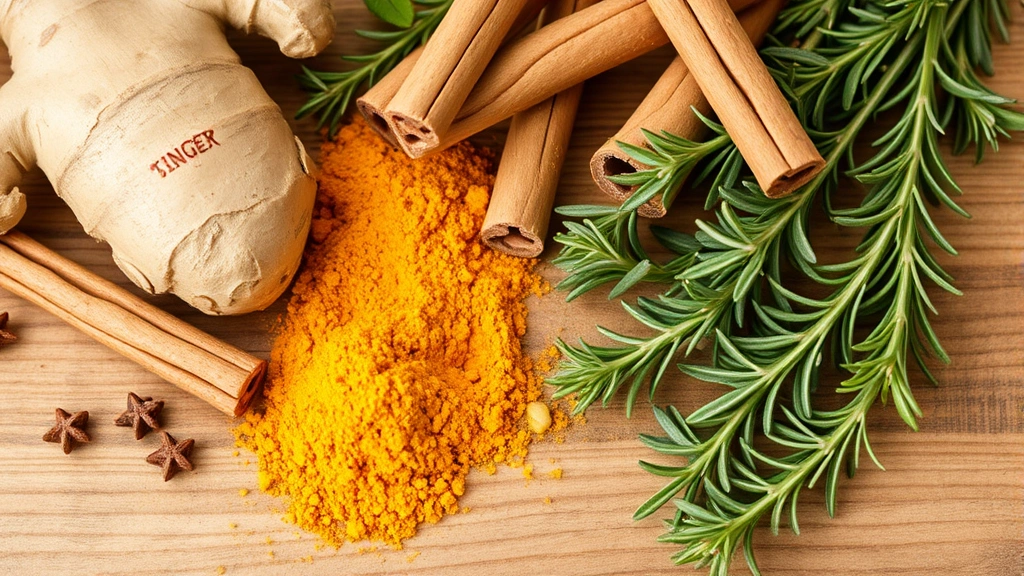
Can dogs eat ginger? Absolutely! Ginger is one of the safest and most beneficial seasonings you can add to your dog’s diet. This warming spice has been used in traditional medicine for centuries and offers impressive benefits for canine digestive health. Ginger can help reduce nausea, improve digestion, and even provide anti-inflammatory properties that may help with joint pain in older dogs.
You can add small amounts of fresh ginger to your dog’s meals or incorporate ginger powder into homemade treats. Start with tiny amounts—just a pinch—to see how your dog’s system responds.
Cinnamon: Sweet and Safe
Here’s some great news for cinnamon lovers: is cinnamon good for dogs? Yes, when used in moderation! Cinnamon is a wonderful seasoning that can add flavor without any toxic concerns. This spice contains antioxidants and may help regulate blood sugar levels. It’s particularly great for sprinkling on sweet potato treats or mixing into peanut butter-based snacks.
The key is moderation—a light dusting is all you need. Avoid cinnamon essential oils or large quantities, but culinary cinnamon in small amounts is perfectly safe and delicious.
Turmeric: The Golden Healer
Pet owners have been increasingly curious about turmeric’s potential benefits. Is turmeric safe for dogs? Research suggests it is, and it may offer significant health advantages. Turmeric contains curcumin, a compound with powerful anti-inflammatory and antioxidant properties. This golden spice may help support joint health, reduce inflammation, and even support cognitive function in aging dogs.
Mix a tiny amount into your dog’s regular food or incorporate it into homemade recipes. Always consult your veterinarian before adding turmeric to your dog’s diet, especially if your pup is on medications.
Rosemary: The Herb with Promise
Among herbs, can dogs eat rosemary? The answer is yes, but with an important caveat. Fresh rosemary in small amounts is safe and contains antioxidants. However, rosemary essential oil should be avoided completely, as it can be too concentrated for your dog’s system.
Fresh rosemary sprigs can be added to homemade dog food or used as a garnish. The herb’s antimicrobial properties make it a great natural addition to your dog’s diet when used sparingly.
Other Safe Seasonings
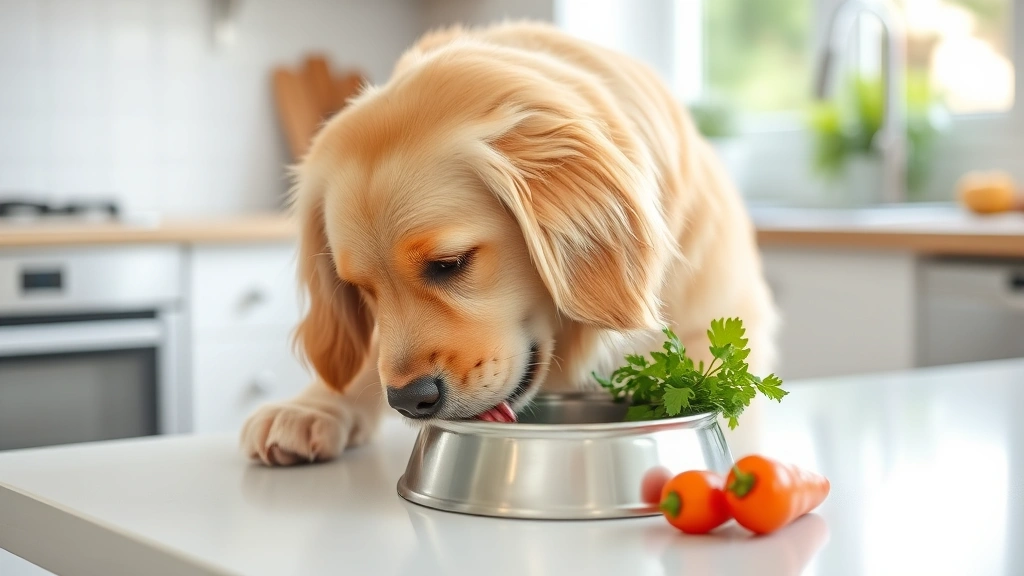
- Parsley: Fresh parsley is safe and can even freshen your dog’s breath naturally
- Basil: This herb is safe in small amounts and adds nutritional value
- Oregano: A small amount of fresh oregano is safe and contains antioxidants
- Thyme: Fresh thyme is safe and provides antimicrobial benefits
- Apples: When used as a spice or flavoring, apple powder is safe and delicious
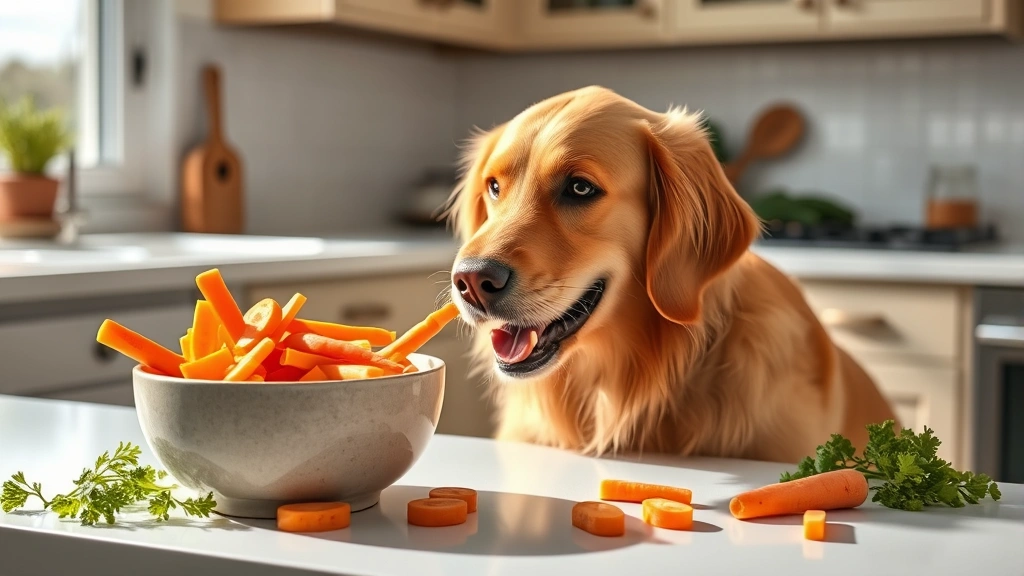
- Carrots: Carrot powder adds flavor and is packed with beta-carotene
Dangerous Seasonings to Avoid
Now let’s talk about the seasonings and ingredients that are absolute no-nos for your dog. These can range from mildly irritating to seriously toxic, so it’s important to know what to keep away from your pup’s food bowl.
Garlic and Onions: The Toxic Trio
Garlic and onions are perhaps the most critical seasonings to avoid. Both belong to the Allium family and contain compounds that can damage your dog’s red blood cells, leading to hemolytic anemia. Even small amounts in powdered form can be problematic. Raw, cooked, or powdered—it doesn’t matter; garlic and onions are off-limits.
This includes garlic powder, onion powder, and any seasoning blends that contain these ingredients. Always check ingredient labels carefully when purchasing commercial dog treats or food.
Salt: Proceed with Caution
While salt isn’t inherently toxic in tiny amounts, excessive sodium can lead to serious health problems in dogs, including high blood pressure and kidney issues. Most commercial dog foods already contain appropriate sodium levels, so adding extra salt is unnecessary and potentially harmful.
Avoid heavily salted seasonings and never give your dog salty snacks intended for human consumption.
Xylitol-Containing Seasonings
Some sweetened seasonings and spice blends contain xylitol, an artificial sweetener that is extremely toxic to dogs. Even small amounts can cause rapid insulin release, leading to hypoglycemia and liver failure. Always check labels for xylitol in any seasoning products.
Spicy Seasonings
Hot peppers, cayenne, and other spicy seasonings can irritate your dog’s digestive system and mouth. While not necessarily toxic, they can cause discomfort and digestive upset. It’s best to keep spicy foods away from your canine companion.
Nutmeg
Nutmeg contains myristicin, which can cause neurological issues in dogs if consumed in significant quantities. While a tiny amount probably won’t cause serious harm, it’s safer to avoid this seasoning altogether.

Health Benefits of Dog-Safe Seasonings
Beyond just making food taste better, many dog-safe seasonings offer legitimate health benefits. Understanding these advantages can help you make informed choices about your dog’s diet.
Anti-Inflammatory Properties
Several safe seasonings, including turmeric, ginger, and rosemary, contain compounds that reduce inflammation in the body. This can be particularly beneficial for dogs with arthritis or other inflammatory conditions. Regular inclusion of these seasonings in your dog’s diet may help improve mobility and comfort.
Antioxidant Support
Seasonings like basil, oregano, and thyme are rich in antioxidants that help protect your dog’s cells from oxidative stress and free radical damage. This support is especially valuable for aging dogs and can contribute to overall longevity.
Digestive Enhancement
Ginger and other digestive-friendly seasonings can help with various gastrointestinal issues. If your dog struggles with occasional digestive upset, what to feed a dog with diarrhea often includes easily digestible foods enhanced with gentle seasonings like ginger.
Oral Health Benefits
Fresh parsley is known as nature’s breath freshener and can help improve your dog’s oral hygiene. It contains compounds that naturally combat odor-causing bacteria in the mouth.
Tips for Cooking with Dog-Safe Seasonings
Now that you know which seasonings are safe, let’s discuss how to properly incorporate them into your dog’s meals. Proper preparation and application are key to maximizing benefits while minimizing any potential issues.
Start Small and Go Slow
When introducing any new seasoning to your dog’s diet, start with very small amounts. This allows you to monitor for any adverse reactions and helps your dog’s digestive system adjust gradually. A tiny pinch is often sufficient for the initial introduction.
Use Fresh Over Dried When Possible
Fresh herbs are generally preferable to dried versions because they’re less concentrated and provide better nutritional value. However, dried herbs are also acceptable when fresh options aren’t available—just use smaller quantities since they’re more potent.
Avoid Essential Oils
Never use essential oils as seasonings for your dog. These concentrated extracts can be too powerful for your pup’s system and may cause toxicity. Stick to whole herbs and culinary spices instead.
Mix Thoroughly
When adding seasonings to your dog’s food, mix them thoroughly to ensure even distribution. This prevents your dog from getting a concentrated bite of seasoning that might upset their stomach.
Consider Your Dog’s Health Status
Some seasonings may interact with medications or exacerbate certain health conditions. Always consult with your veterinarian before adding new seasonings to your dog’s regular diet, especially if your pup has any existing health concerns.
Portion Control and Guidelines
Understanding how much seasoning to add is crucial for your dog’s safety. The general rule is that seasonings should enhance meals without overwhelming them.
General Seasoning Guidelines
For a typical 30-50 pound dog, safe seasoning amounts include:
- Ginger: 1/4 teaspoon fresh, finely grated, a few times per week
- Cinnamon: A light dusting (less than 1/8 teaspoon) occasionally
- Turmeric: 1/8 teaspoon mixed into food, several times per week
- Fresh herbs: A small handful, finely chopped, added to meals
These amounts should be adjusted based on your dog’s size. Smaller dogs need proportionally less, while larger breeds can tolerate slightly more.
Homemade Dog Food Seasoning
If you’re preparing how much food should I feed my dog, you might also be wondering about seasoning amounts for homemade meals. The same principles apply—use seasonings sparingly and ensure they’re well-distributed throughout the meal.
Treats and Special Occasions
When making homemade dog treats, you can be slightly more generous with safe seasonings since treats are consumed in smaller quantities. However, moderation is still essential.
Frequently Asked Questions
Can I use seasoning salt for my dog’s food?
No, seasoning salts are not recommended for dogs. They typically contain salt, garlic powder, and onion powder—all problematic for your pup. Stick to single-ingredient seasonings that you know are safe.
Is it safe to give my dog food from my plate if I seasoned it?
It depends on what seasonings you used. If your plate contains only safe seasonings like a small amount of cinnamon or fresh herbs, a tiny taste is probably fine. However, if you used garlic, onion, salt, or spicy seasonings, keep your plate away from your dog.
What should I do if my dog accidentally ate toxic seasoning?
Contact your veterinarian or ASPCA Animal Poison Control immediately. Provide details about what your dog ate and how much. They can advise you on whether your dog needs emergency treatment.
Can puppies have the same seasonings as adult dogs?
Puppies have more sensitive digestive systems, so it’s best to introduce seasonings even more gradually and in smaller amounts. Wait until your puppy is at least 6 months old before adding seasonings to their food, and always consult your veterinarian first.
Are there any seasonings that can help with my dog’s bad breath?
Yes! Fresh parsley is excellent for freshening breath naturally. Some safe seasonings like mint (in very small amounts) can also help. However, persistent bad breath can indicate underlying health issues, so consult your vet if it’s a chronic problem.
Can I use seasoning blends, or should I stick to single ingredients?
Single-ingredient seasonings are always safer because you know exactly what your dog is consuming. If you use blends, always check the label carefully to ensure there are no toxic ingredients like garlic, onion, or xylitol.
What’s the difference between fresh and dried seasonings for dogs?
Dried seasonings are more concentrated, so you need to use less. Fresh seasonings are generally milder and closer to their natural state. Both can be safe when used appropriately, but fresh is often preferable due to its lower concentration.
How do I know if my dog has had a bad reaction to a seasoning?
Watch for signs like vomiting, diarrhea, letharness, difficulty breathing, or unusual behavior. If you notice any of these symptoms after introducing a new seasoning, stop using it immediately and contact your veterinarian.