
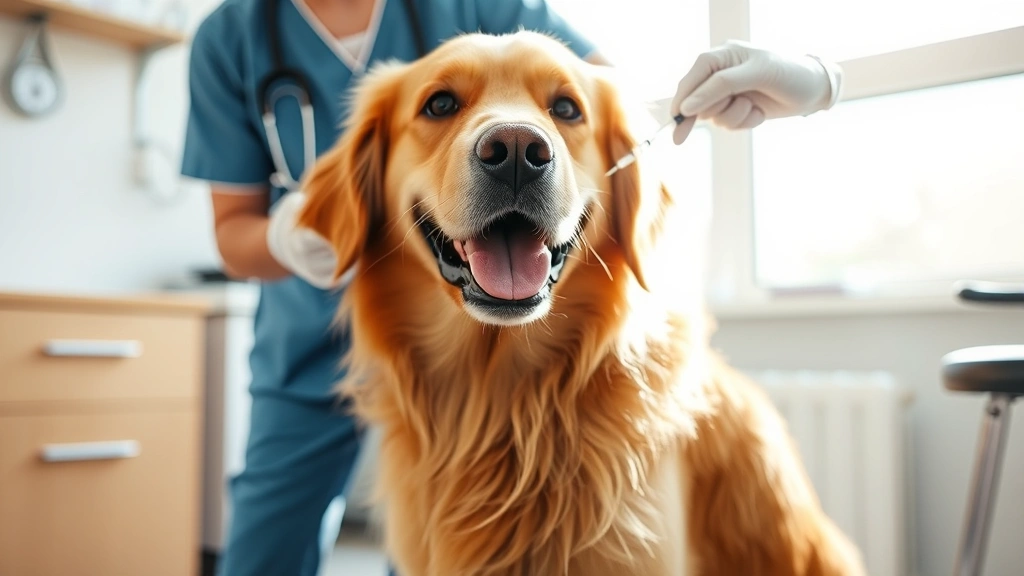
What Shots Do Dogs Need Yearly? Vet-Approved Guide
If you’re a dog parent, keeping your furry friend healthy is probably at the top of your priority list. One of the most important aspects of canine healthcare is understanding vaccination schedules. But let’s be honest—navigating the world of puppy shots, booster vaccines, and annual checkups can feel more confusing than teaching your dog to walk in a straight line on a leash.
Here’s the good news: we’re breaking down exactly what shots dogs need in simple, straightforward language. Whether you have a rambunctious Golden Retriever or a tiny Chihuahua, understanding your dog’s vaccination needs is crucial for preventing serious diseases and keeping your pup thriving for years to come.
Your veterinarian is your best resource for personalized advice, but this guide will help you understand the essentials before your next appointment. Let’s dive into the vaccine schedules that keep our beloved companions safe and healthy.
Understanding Dog Vaccines and Their Importance
Vaccines work by introducing a weakened or inactive form of a disease-causing pathogen into your dog’s body. This allows their immune system to recognize and fight the disease if they’re ever exposed to it in real life. Think of it as a practice drill for your pup’s immune system—they learn how to defend themselves without actually getting sick.
The importance of vaccinations cannot be overstated. According to the American Kennel Club, vaccines have saved countless dogs’ lives by preventing diseases that were once death sentences. Diseases like rabies, distemper, and parvovirus can be fatal, but with proper vaccination, they’re largely preventable.
Your veterinarian will categorize vaccines into two groups: core vaccines and non-core vaccines. Core vaccines are recommended for all dogs, while non-core vaccines depend on your dog’s lifestyle, geographic location, and individual risk factors. Understanding this distinction helps you make informed decisions about your dog’s health.
Core Vaccines Your Dog Needs Yearly
Core vaccines are the foundation of your dog’s immunization plan. These are the vaccines that virtually every dog should receive to protect against serious, potentially life-threatening diseases. Most veterinarians recommend that adult dogs receive core vaccine boosters annually or every three years, depending on the specific vaccine and your vet’s recommendation.
The DHPP Vaccine
The DHPP shot for dogs is one of the most important vaccines your pup will receive. This combination vaccine protects against four serious diseases:
- Distemper: A highly contagious viral disease that affects the respiratory, gastrointestinal, and nervous systems. The distemper shot for dogs is essential protection against this potentially fatal illness.
- Hepatitis: A viral infection that affects the liver and can cause severe illness or death.
- Parvovirus: An extremely contagious virus that causes severe vomiting, diarrhea, and dehydration. Puppies are especially vulnerable to this disease.
- Parainfluenza: A respiratory virus that contributes to kennel cough and other respiratory infections.
Most dogs receive their first DHPP vaccine as puppies and then require boosters throughout their lives. Your veterinarian will determine the best schedule for your individual dog based on their age, health status, and risk factors.
Rabies Vaccination
Rabies is perhaps the most well-known vaccine, and for good reason. This disease is almost always fatal once symptoms appear, making prevention absolutely critical. How often dogs require rabies shots depends on the type of vaccine used and local laws. In most areas, dogs receive their first rabies vaccine at 12-16 weeks of age, followed by a booster at one year. After that, boosters are typically given every one to three years.
Rabies is zoonotic, meaning it can spread from animals to humans. This is why rabies vaccination is not just important for your dog’s health—it’s often required by law. Many states and municipalities mandate rabies vaccination and will ask for proof during licensing and veterinary visits.
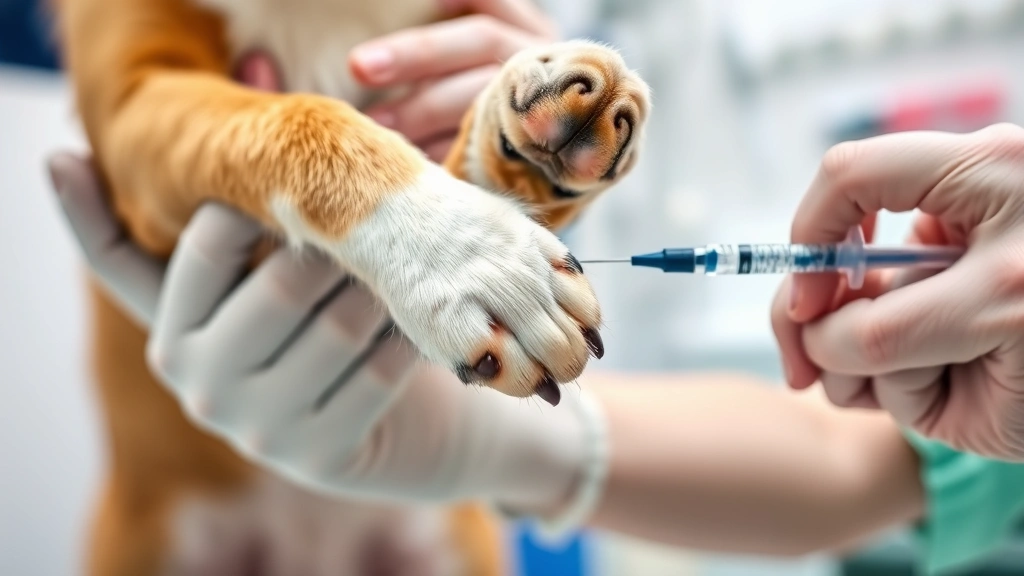
Rabies Vaccination Schedule
Understanding the rabies vaccination timeline is crucial for responsible dog ownership. The initial rabies vaccine is typically given when your puppy is between 12 and 16 weeks old. This first vaccine primes your dog’s immune system to recognize the rabies virus.
One year after the first vaccine, your dog receives a booster shot. This booster reinforces their immunity and is critical for long-term protection. If you’re curious about how much a rabies shot for a dog costs, prices typically range from $15 to $30 per injection, though this varies by location and clinic.
After the one-year booster, your dog will need rabies boosters every one to three years, depending on the vaccine type and your local regulations. Some vaccines provide three-year immunity, while others require annual boosters. Your veterinarian will keep track of your dog’s vaccination records and remind you when boosters are due.
It’s important to note that rabies vaccination is not just about protecting your individual dog—it’s a public health measure. Rabies is a serious threat to human health, and vaccinating dogs is one of the most effective ways to prevent human rabies deaths. According to the ASPCA, rabies vaccination is legally required in most jurisdictions.
Non-Core Vaccines to Consider
Non-core vaccines are recommended based on your individual dog’s lifestyle, geographic location, and risk factors. These vaccines provide protection against diseases that are less common or less severe than those covered by core vaccines, but they’re still important for many dogs.
Bordetella (Kennel Cough)
Bordetella is a bacterial infection that causes a persistent, hacking cough. It’s highly contagious and spreads rapidly in environments where dogs congregate, such as boarding facilities, dog parks, and training classes. If your dog frequents these places, your veterinarian may recommend the bordetella vaccine.
Leptospirosis
Leptospirosis is a bacterial infection that affects the liver and kidneys. It’s spread through contaminated water and soil and is more common in certain geographic regions. If you live in an area with a high incidence of leptospirosis or your dog spends time outdoors in wet environments, this vaccine may be recommended.
Lyme Disease
Lyme disease is transmitted by tick bites and is prevalent in certain parts of the United States, particularly the Northeast and upper Midwest. If you live in or frequently visit a Lyme-endemic area and your dog spends time outdoors, the Lyme vaccine may be beneficial.
Coronavirus
The coronavirus vaccine protects against canine coronavirus, which causes mild gastrointestinal illness in dogs. This vaccine is generally recommended only for dogs at high risk of exposure.

Annual Vaccination Schedule by Age
Understanding when your dog needs vaccines at different life stages helps you stay on top of their health. Here’s a breakdown of the typical vaccination schedule:
Puppies (6 weeks to 16 weeks)
Puppies receive a series of vaccinations starting at six weeks of age. They typically receive DHPP boosters every three to four weeks until 16 weeks of age. The first rabies vaccine is given at 12-16 weeks. This frequent vaccination schedule ensures that puppies develop strong immunity to serious diseases.
Young Adult Dogs (1 to 7 years)
After the initial puppy series, your dog receives booster vaccines at one year of age. Many veterinarians recommend annual boosters for the DHPP vaccine, though some studies suggest that immunity lasts longer than one year. Your veterinarian will advise you on the best schedule for your dog. Rabies boosters are given according to local regulations and vaccine type.
Senior Dogs (7+ years)
Senior dogs continue to need vaccine boosters, though some veterinarians may adjust the schedule based on individual health status. Before vaccinating senior dogs, your veterinarian may recommend blood work to ensure they’re healthy enough to receive vaccines. Regular health monitoring becomes increasingly important as dogs age.
Understanding Vaccine Side Effects
While vaccines are generally safe and well-tolerated, it’s important to be aware of potential side effects. Most side effects are mild and temporary, but knowing what to expect helps you determine when to contact your veterinarian.
Common Mild Side Effects
- Mild fever
- Lethargy or reduced activity
- Loss of appetite
- Mild swelling at the injection site
- Temporary limping if the vaccine was given in a hind leg
These mild side effects typically resolve within 24-48 hours and are signs that your dog’s immune system is responding to the vaccine. You can help your dog feel more comfortable by providing a quiet environment and monitoring their water intake.
Rare Serious Side Effects
Serious side effects are uncommon but can occur. These include allergic reactions, facial swelling, difficulty breathing, and vomiting. If your dog experiences any of these symptoms after vaccination, contact your veterinarian immediately or visit an emergency veterinary clinic. According to UC Davis School of Veterinary Medicine, serious vaccine reactions occur in fewer than one in 10,000 vaccinated dogs.
Vaccine Reactions in Specific Breeds
Some dog breeds, particularly smaller breeds, may have a higher risk of vaccine reactions. If your dog has had a previous vaccine reaction or belongs to a breed prone to reactions, inform your veterinarian. They may recommend administering vaccines separately or pre-treating with antihistamines.
The benefits of vaccination far outweigh the risks of serious side effects. Diseases like rabies and distemper are far more dangerous than the minimal risk of vaccine complications. Your veterinarian can help you weigh the benefits and risks specific to your dog’s situation.
Frequently Asked Questions
Do adult dogs need yearly vaccines?
Most adult dogs benefit from annual or triennial (every three years) booster vaccines, depending on the specific vaccine and your veterinarian’s recommendation. Rabies vaccines are given according to local regulations, typically every one to three years. Some vaccines provide immunity for longer than one year, but regular boosters help maintain protection against serious diseases.
Can I skip my dog’s annual vaccines?
Skipping vaccines puts your dog at risk of serious, potentially fatal diseases. Diseases like rabies, distemper, and parvovirus are still present in the environment and can affect unvaccinated dogs. Additionally, many areas require proof of rabies vaccination for dog licensing. Your veterinarian can help you determine which vaccines are essential for your dog’s lifestyle and location.
Are there any dogs that shouldn’t be vaccinated?
Most dogs should be vaccinated, but certain health conditions may warrant delaying or modifying the vaccination schedule. Dogs with severe immune system disorders, active infections, or allergies to vaccine components may need special consideration. Always discuss your dog’s health history with your veterinarian before vaccination.
How long does immunity from vaccines last?
The duration of immunity varies depending on the vaccine. Some vaccines provide immunity for one year, while others provide protection for three years or longer. Your veterinarian will recommend an appropriate booster schedule based on the specific vaccines your dog receives and research about their duration of immunity.
What’s the difference between core and non-core vaccines?
Core vaccines are recommended for all dogs to protect against serious, widespread diseases like rabies, distemper, hepatitis, parvovirus, and parainfluenza. Non-core vaccines are recommended based on individual risk factors, lifestyle, and geographic location. Your veterinarian will help you determine which non-core vaccines are appropriate for your dog.
Can vaccines cause cancer in dogs?
There is no scientific evidence that vaccines cause cancer in dogs. While vaccine-associated sarcomas (rare tumors that can develop at injection sites) have been documented in cats, this is not a significant concern in dogs. The risks of serious diseases prevented by vaccines far exceed the minimal risk of any vaccine-related complications.
Should I vaccinate my indoor dog?
Yes, even indoor dogs should receive core vaccines. While indoor dogs have less exposure to some diseases, they can still be exposed to rabies through wildlife encounters or accidents. Additionally, if an indoor dog ever needs to be boarded or stay at a veterinary clinic, proof of vaccination is typically required. Core vaccines protect against diseases that are serious enough to warrant vaccination regardless of lifestyle.
What should I do if my dog misses a vaccine appointment?
Contact your veterinarian as soon as possible to reschedule. If your dog is only slightly overdue, they can resume their regular vaccination schedule. If they’re significantly overdue, your veterinarian may recommend starting the vaccination series over or giving a booster to ensure adequate protection. Keeping detailed records helps you stay on track with your dog’s vaccination schedule.





