

What to Feed a Dog with Diarrhea: Vet-Approved Tips
Nothing’s quite as stressful as watching your beloved pup struggle with digestive issues. When your dog has diarrhea, it’s not just uncomfortable for them—it’s worrying for you. The good news? Knowing what to feed a dog with diarrhea can make a world of difference in their recovery. With the right dietary choices and a little patience, most cases of canine diarrhea resolve quickly.
Diarrhea in dogs is incredibly common, and while it’s usually temporary, the key to helping your furry friend feel better fast is understanding which foods support digestive healing. Whether your pup’s issues stem from a dietary indiscretion, food sensitivity, or a temporary stomach upset, we’ve got you covered with evidence-based recommendations that veterinarians trust.
In this comprehensive guide, we’ll walk you through the best foods for dogs with diarrhea, what to avoid, and when it’s time to call your vet. Let’s get your pup back to their happy, healthy self!
Best Foods for Dogs with Diarrhea
When your dog’s stomach is upset, simplicity is your best friend. The most effective approach involves offering easily digestible foods that won’t further irritate the gastrointestinal tract. Here are the gold-standard options that veterinarians recommend:
Boiled Chicken: Plain, boneless, skinless chicken is the MVP of diarrhea diets. It’s lean, highly digestible, and packed with protein to support recovery. Cook it thoroughly without any seasonings, and serve it shredded or cut into small pieces.
White Rice: This bland carbohydrate is gentle on the stomach and provides easily digestible calories. Many pet parents wonder about whether dogs can eat rice, and the answer is a resounding yes—especially during digestive distress. Cook it plain with no butter, salt, or seasoning.
Sweet Potato: Though slightly less bland than white rice, sweet potatoes offer valuable nutrients and fiber that can actually help firm up stool. Serve them cooked and plain, without any toppings.
Pumpkin Puree: This orange powerhouse is a digestive game-changer. If you’re asking yourself whether dogs can eat pumpkin, veterinarians enthusiastically agree—it’s one of the best natural remedies for diarrhea. A tablespoon or two of plain pumpkin puree (not pie filling) can work wonders. The soluble fiber helps regulate bowel movements.
Bone Broth: Unsalted, low-sodium bone broth provides hydration and collagen that supports gut health. You might wonder if dogs can have chicken broth—the answer is yes, as long as it contains no onions, garlic, or excess sodium.
Plain Eggs: Scrambled or boiled eggs offer protein and are gentle on sensitive stomachs. Prepare them without butter or seasoning.
Plain Yogurt: If your dog can tolerate dairy, a small amount of plain yogurt with live cultures may help restore beneficial gut bacteria. Avoid sweetened varieties.
The Bland Diet Approach
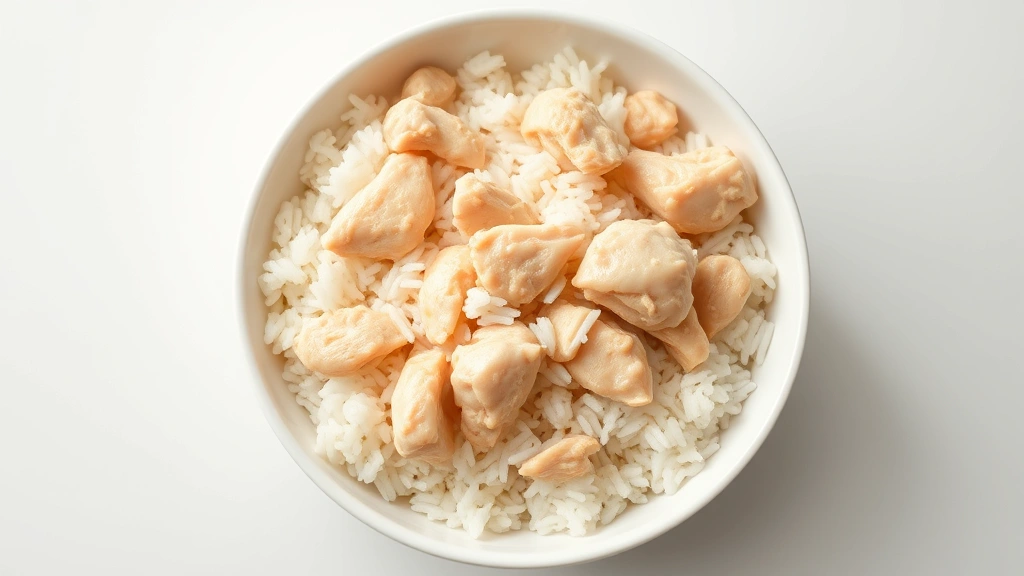
The classic bland diet has been recommended by veterinarians for decades, and for good reason. It works. The typical bland diet consists of a simple combination of boiled chicken and white rice in a 1:2 or 1:3 ratio (one part chicken to two or three parts rice).
How to Prepare It:
- Boil boneless, skinless chicken breasts in water with no seasoning until fully cooked through
- Shred or cut the chicken into appropriate-sized pieces
- Cook white rice separately in plain water until soft
- Mix the two together in the proper ratio
- Allow the mixture to cool to room temperature before serving
This combination provides complete nutrition while being incredibly easy on the digestive system. Most dogs find it palatable, and it typically produces results within 24-48 hours. Understanding how to stop diarrhea in dogs often comes down to this simple dietary adjustment.
Duration: Feed the bland diet for 3-7 days, depending on your dog’s improvement. You can gradually transition back to regular food by mixing increasing amounts of their normal diet with decreasing amounts of the bland mixture over a week.
The beauty of the bland diet is that it gives your dog’s intestines time to heal without the stress of processing complex ingredients. It’s like giving their digestive system a well-deserved vacation.

Probiotics and Digestive Support
The gut microbiome plays a crucial role in digestive health, and sometimes diarrhea disrupts the balance of beneficial bacteria. This is where probiotics come in. These live microorganisms can help restore gut flora and improve digestion.
Types of Probiotics for Dogs:
- Canine-Specific Supplements: Formulated specifically for dogs’ digestive systems, these are your best bet. Look for products containing Lactobacillus and Bifidobacterium strains.
- Fermented Foods: Plain kefir, sauerkraut (without added salt), and fermented vegetables can provide natural probiotics, though they should only be introduced after diarrhea has improved.
- Prebiotic Foods: Inulin and other prebiotics feed beneficial bacteria. Pumpkin and sweet potato naturally contain some prebiotic fiber.
When selecting a probiotic supplement, look for products specifically designed for dogs and check that they contain multiple strains of beneficial bacteria. The ASPCA recommends consulting with your veterinarian before adding supplements to ensure they’re appropriate for your dog’s specific situation.
Important Note: While probiotics can be beneficial, they’re not a replacement for addressing the underlying cause of diarrhea. They work best as a complementary treatment alongside dietary management.
Foods to Avoid
Just as important as knowing what to feed your dog is understanding what to keep off the menu during digestive distress. Certain foods can exacerbate diarrhea or cause additional intestinal irritation:
- High-Fat Foods: Fatty meats, oils, and fatty treats are difficult to digest and can worsen diarrhea
- Dairy Products: Many adult dogs have lactose intolerance; dairy can trigger or worsen digestive issues
- Fiber-Rich Foods: While some fiber is good, excessive amounts can irritate an already-sensitive stomach
- Spicy or Seasoned Foods: Garlic, onions, and spices can damage the intestinal lining
- Fatty Treats and Table Scraps: Your dog’s normal treats might be too rich right now
- Grains (for Some Dogs): While rice is fine, dogs with grain sensitivities might need grain-free alternatives
- Raw Food: Raw diets can introduce bacteria; stick with cooked foods during recovery
It’s tempting to share your meals with your pup, but during diarrhea episodes, plain is definitely better. Your dog doesn’t need excitement in their bowl right now—they need healing.
Feeding Schedule and Portions
How you feed your dog is just as important as what you feed them. During diarrhea recovery, adjusting feeding frequency and portion sizes can significantly impact healing.
Feeding Frequency: Instead of one or two large meals, divide the daily food amount into three or four smaller portions. This reduces the workload on their digestive system and allows better nutrient absorption. For example, if your dog normally eats two cups daily, offer a half-cup four times a day.
Portion Sizes: Start with smaller portions than usual. It’s better to offer too little and have your dog ask for more than to overwhelm their system. If you’re unsure about appropriate portions, learning how much food to feed your dog provides detailed guidance based on weight and age.
Hydration: Diarrhea causes fluid loss, so ensure fresh water is always available. Some vets recommend offering bone broth or low-sodium chicken broth for additional hydration and nutrients. If your dog isn’t drinking enough, this is a sign to contact your vet.
Timing: Avoid feeding right before or after exercise. Give your dog at least an hour of rest before and after eating to support proper digestion.
Temperature: Serve food at room temperature or slightly warm—never cold from the refrigerator. Warm food is easier to digest and more appealing to dogs feeling under the weather.
When to Contact Your Veterinarian
While most cases of diarrhea resolve within a few days with dietary management, certain situations warrant professional veterinary attention. The American Kennel Club provides guidance on when to seek veterinary care.
Contact Your Vet If:
- Diarrhea lasts longer than 48-72 hours despite dietary changes
- Your dog shows signs of lethargy or seems unusually weak
- There’s blood or mucus in the stool
- Your dog is vomiting along with diarrhea
- Your dog has lost their appetite completely
- Signs of dehydration appear (dry gums, sunken eyes, excessive panting)
- Your dog is a puppy, senior, or has pre-existing health conditions
- Diarrhea is severe or explosive
- Your dog seems to be in pain
Understanding why your dog is having diarrhea is crucial because different causes require different treatments. Your vet can run tests to rule out infections, parasites, or food allergies.
What to Expect at the Vet: Your veterinarian may recommend fecal testing to check for parasites or bacterial infections. They might prescribe medications like probiotics, anti-diarrheal agents, or antibiotics depending on the cause. In some cases, prescription digestive diets specifically formulated for sensitive stomachs might be recommended.
Remember, your veterinarian is your best resource. If you’re ever unsure, it’s better to call and ask than to worry at home. The American Veterinary Medical Association emphasizes that early intervention can prevent complications.
Frequently Asked Questions
How long should I feed my dog a bland diet?
Typically, maintain a bland diet for 3-7 days, depending on improvement. Once your dog’s stool has been normal for 24 hours, you can begin gradually transitioning back to regular food over the course of a week. Mix increasing amounts of their normal diet with decreasing amounts of bland food to allow their system to readjust.
Can I give my dog regular dog food during diarrhea?
It’s best to avoid their regular food during acute diarrhea episodes. Commercial dog foods often contain ingredients that can irritate an already-upset stomach. Once your dog has recovered for a couple of days, you can slowly reintroduce their regular food mixed with the bland diet.
Is canned pumpkin really effective for dog diarrhea?
Yes! Canned pumpkin puree (not pie filling) is genuinely effective for both diarrhea and constipation due to its soluble fiber content. A tablespoon or two can help regulate bowel movements. Most dogs find it palatable, and it’s safe to use regularly. Just ensure it’s plain pumpkin with no added sugars or spices.
Should I fast my dog before introducing a bland diet?
A short fast of 12-24 hours can sometimes help reset the digestive system, especially if your dog ate something they shouldn’t have. However, this isn’t always necessary and shouldn’t be done for puppies, senior dogs, or dogs with medical conditions. Consult your vet before fasting your dog.
Can I use store-bought chicken broth?
Most commercial chicken broths contain high sodium levels that aren’t ideal for dogs. If using store-bought broth, choose low-sodium varieties and ensure they contain no onions or garlic. Homemade bone broth is the superior option because you control all ingredients.
What if my dog won’t eat the bland diet?
Most dogs find plain chicken and rice appealing, but if yours refuses it, try warming it slightly or mixing in a small amount of the pumpkin puree for palatability. If your dog continues refusing food, this is a sign to contact your vet, as it could indicate a more serious issue.
How do I know if my dog is dehydrated from diarrhea?
Signs of dehydration include dry gums, sunken eyes, excessive panting, lethargy, and loss of skin elasticity. To check skin elasticity, gently pull the skin on your dog’s shoulder—it should snap back immediately. If it doesn’t, your dog may be dehydrated and needs veterinary attention.
Can diarrhea be a sign of something serious?
While most cases of diarrhea are minor and resolve quickly, it can occasionally indicate serious conditions like pancreatitis, inflammatory bowel disease, parasites, or infections. This is why monitoring duration, severity, and accompanying symptoms is important. When in doubt, contact your veterinarian.
Should I give my dog probiotics during diarrhea?
Probiotics can be beneficial, especially if diarrhea is related to dysbiosis (imbalanced gut bacteria). However, they’re most effective when combined with dietary management. Choose canine-specific probiotic supplements and consult your vet about which strain and dosage is best for your dog.





