

What to Give a Dog for an Upset Stomach: Vet Tips
There’s nothing quite like the worry that hits when your beloved pup starts experiencing digestive troubles. Whether it’s the dreaded 3 AM bathroom emergency or your dog refusing their favorite meal, an upset stomach can make even the most relaxed pet parent spring into action. The good news? Most cases of canine indigestion are manageable at home with the right approach and a little patience.
Your furry friend’s digestive system is surprisingly delicate, despite their reputation for eating literally anything they find on the ground. From sudden diet changes to stress, allergies, or simply eating too fast, there are countless reasons why your dog might experience stomach upset. Understanding what you can safely give your dog during these uncomfortable times is crucial for their recovery and your peace of mind.
In this comprehensive guide, we’ll walk you through evidence-based strategies, home remedies, and when it’s time to call your veterinarian. We’ll cover everything from bland diet options to supplements that can soothe your dog’s tummy troubles, ensuring you’re equipped with the knowledge to help your four-legged friend feel better soon.
Signs Your Dog Has an Upset Stomach
Before you start any home treatment regimen, it’s important to recognize the symptoms that indicate your dog is experiencing digestive distress. The most common signs include vomiting, diarrhea, loss of appetite, excessive gas, and lethargy. Your dog might also exhibit behavioral changes like restlessness, whining, or unusual positions like the play bow stretched out on their front legs.
Some dogs will eat grass obsessively or attempt to eat non-food items when their stomach is bothering them. Others might drool excessively or show signs of abdominal pain by whining when you touch their belly. Pay close attention to your dog’s bathroom habits—changes in frequency, consistency, or color can tell you a lot about what’s happening internally.
It’s worth noting that mild stomach upset is completely normal and happens to most dogs at some point. However, if your dog’s symptoms persist for more than 24 hours, involve blood, or are accompanied by fever or extreme lethargy, professional veterinary care becomes essential. The American Kennel Club recommends monitoring your dog closely during the first signs of digestive trouble.
Bland Diet Options for Digestive Relief
When your dog’s stomach is upset, the first step is typically to give their digestive system a break from their regular diet. This is where the time-tested bland diet comes in—it’s gentle, easy to digest, and provides essential nutrients while allowing the gut to recover.
The Classic Bland Diet Combination: The gold standard for upset stomachs combines plain boiled chicken and white rice in equal parts. Cook the chicken without any seasoning, skin, or bones, and serve it shredded or cut into small pieces. The rice should be cooked until soft and plain—no butter, salt, or oil. This combination is bland enough to be gentle on the stomach while providing lean protein and easily digestible carbohydrates.
You can also incorporate pumpkin for digestive support, which has been used for decades to help both diarrhea and constipation in dogs. Plain canned pumpkin (not pie filling) contains soluble fiber that can help normalize your dog’s digestive tract. A tablespoon or two mixed into their bland diet can work wonders.
Plain rice serves as an excellent carbohydrate base for upset stomachs because it’s easy to digest and helps firm up loose stools. Sweet potato is another great option that’s slightly more nutritious than white rice while remaining gentle on the digestive system. Boil or steam it until soft, then mash it before serving.
Ground turkey is another lean protein option that works well for sensitive stomachs. Like chicken, it should be boiled plain without any seasonings or added fats. Some veterinarians also recommend plain ground beef for dogs who need more substantial protein content during recovery.

Feeding Schedule During Recovery: When introducing a bland diet, feed smaller portions more frequently than you normally would. Instead of one or two meals per day, try offering four to six small meals. This approach reduces the burden on the digestive system and allows for better nutrient absorption. Gradually transition back to regular food over 7-10 days by mixing increasing amounts of their normal diet with the bland food.
Hydration and Electrolyte Balance
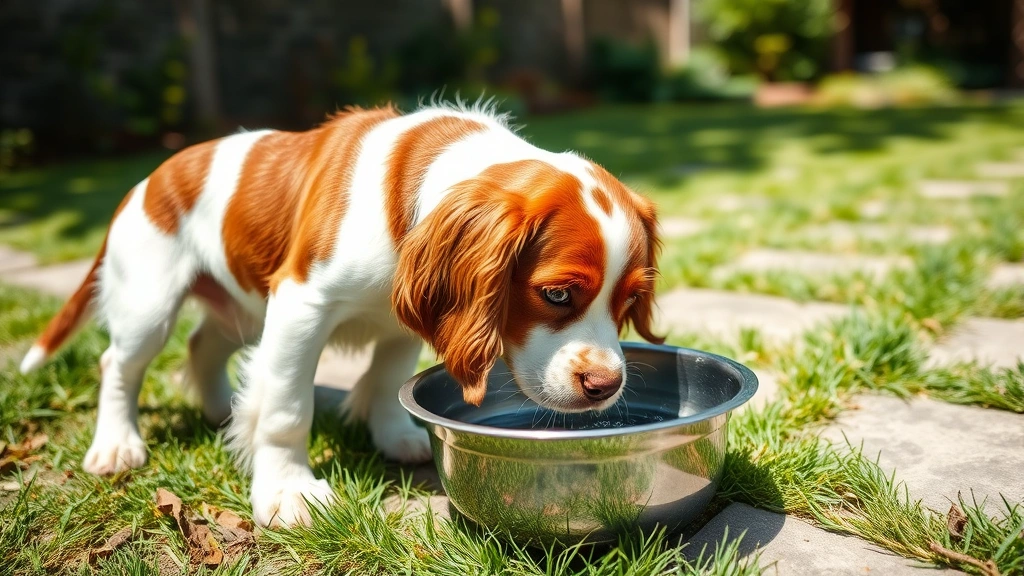
Proper hydration is absolutely critical when your dog is experiencing stomach upset, especially if vomiting or diarrhea is involved. Dehydration can quickly become serious in dogs, so monitoring water intake becomes paramount. Always ensure fresh, clean water is available, though you may need to limit how much they drink at once to prevent further stomach distress.
If your dog is vomiting, try offering small amounts of water frequently rather than large bowls. Some pet parents find success with ice chips, which allow dogs to hydrate slowly without overwhelming their system. You can also try offering broth-based liquids, though these should be low-sodium and free of any seasonings or garlic.
For dogs experiencing diarrhea or significant vomiting, bone broth can provide both hydration and nutrients, making it an excellent supportive option. Ensure the bone broth is specifically made for dogs without added salt, onions, or garlic. Commercially available dog-safe broths can be a convenient option during your pup’s recovery period.
The ASPCA recommends monitoring your dog’s hydration status by checking their gums—they should be moist and pink. If your dog’s gums seem dry or sticky, this indicates dehydration and warrants immediate veterinary attention. Electrolyte solutions designed specifically for dogs can help replace minerals lost through vomiting or diarrhea, though these should only be used under veterinary guidance.
Supplements and Natural Remedies
Beyond basic dietary adjustments, several supplements and natural remedies can support your dog’s digestive recovery. These work best as complementary approaches alongside proper nutrition and veterinary care.
Probiotics for Gut Health: Probiotics are beneficial bacteria that support digestive function and can be particularly helpful when your dog’s gut flora has been disrupted. Look for probiotics specifically formulated for dogs, as human formulations may not be appropriate. These come in powders, capsules, or treats and can be mixed into your dog’s food. Research published in veterinary journals has shown that certain probiotic strains can help reduce the duration of diarrhea in dogs.
Digestive Enzymes: These supplements contain natural enzymes that help break down food and improve nutrient absorption. They’re particularly useful for dogs with chronic digestive issues and can ease the transition back to regular food. Sprinkle the powder over meals according to package directions.
Slippery Elm Bark: This herbal supplement has been used traditionally to soothe inflamed digestive tracts. It forms a protective coating over the stomach and intestinal lining, which can reduce irritation and discomfort. Mix the powder with water to create a slurry before adding it to food.
Bone Broth Benefits: Beyond hydration, bone broth contains collagen and gelatin that support gut health and intestinal integrity. The amino acids in bone broth, particularly glycine and proline, are known to support digestive tract healing. Simmer bones for 24 hours to extract maximum nutrients, then strain thoroughly and cool before serving.
Ginger and Turmeric: Both of these spices have anti-inflammatory properties that can support digestive health. Small amounts of fresh ginger can help with nausea, while turmeric contains curcumin, a powerful anti-inflammatory compound. However, use these sparingly and only after consulting with your veterinarian, as some dogs may have sensitivities.
Regarding Greek yogurt for digestive support, plain, unsweetened varieties can be beneficial due to their probiotic content. The protein and calcium in yogurt also support overall health, though it should only be introduced after the acute phase of stomach upset has passed.
When to Contact Your Veterinarian
While many cases of upset stomach resolve with home care, certain situations require professional veterinary attention. Understanding when to make that call can be the difference between a minor inconvenience and a serious health crisis.
Seek immediate veterinary care if:
- Your dog shows signs of severe pain or distress, including whimpering or inability to move comfortably
- Vomiting or diarrhea lasts longer than 24 hours or is severe and frequent
- There’s blood in vomit or stool, or the stool appears black and tarry
- Your dog shows signs of dehydration (dry gums, lethargy, sunken eyes)
- Your dog has a fever or seems extremely lethargic
- Your dog refuses food for more than 24 hours
- Your dog appears bloated or has a distended abdomen
- Your dog is a puppy, senior, or has pre-existing health conditions
Understanding how to stop diarrhea in dogs involves recognizing when home remedies are sufficient versus when professional intervention is necessary. Your veterinarian can run diagnostic tests to identify underlying causes like parasites, infections, or food allergies that might not resolve with simple dietary adjustments.
The American Veterinary Medical Association emphasizes that persistent digestive issues can indicate serious underlying conditions. Your vet might recommend diagnostic testing including fecal examinations, blood work, or imaging to rule out serious conditions.
If your dog is throwing up repeatedly, this warrants professional evaluation even if other symptoms seem mild. Chronic vomiting can lead to dehydration and nutritional deficiencies that compound over time.
Prevention Strategies
Prevention is always preferable to treatment when it comes to your dog’s digestive health. Implementing these strategies can significantly reduce the frequency of upset stomachs.
Gradual Diet Transitions: When changing your dog’s food, do so gradually over 7-10 days. Mix increasing amounts of new food with their old food to allow their digestive system to adjust. Sudden diet changes are one of the most common causes of stomach upset in dogs.
Portion Control and Feeding Schedule: Overfeeding is a common cause of digestive distress. Measure portions according to your dog’s age, size, and activity level. Feeding at consistent times each day helps regulate digestive function. Avoid feeding large meals immediately before or after exercise, as this can increase the risk of bloat.
Avoid Table Scraps and Unsafe Foods: Human food, especially fatty or spicy items, can trigger upset stomachs. Establish clear boundaries about what your dog can and cannot eat. Many common human foods are toxic to dogs, so stick to dog-appropriate treats and meals.
Regular Exercise and Stress Management: Adequate physical activity supports digestive health and overall wellbeing. Stress, however, can significantly impact your dog’s digestive function. Provide a calm environment and consider stress-reducing activities like regular walks or playtime.
Parasite Prevention: Regular parasite prevention through veterinary-prescribed medications helps protect against intestinal parasites that cause digestive upset. Follow your veterinarian’s recommended prevention schedule based on your dog’s lifestyle and risk factors.
Quality Nutrition: Feeding a high-quality, balanced diet appropriate for your dog’s life stage supports digestive health. Look for foods with named meat proteins and minimal fillers. Your veterinarian can recommend brands that have undergone AAFCO testing and meet nutritional standards.
Limited Access to Unsafe Materials: Dogs with a tendency to eat non-food items (pica) are at higher risk for digestive upset. Supervise outdoor time and remove potential hazards from your home. Some dogs benefit from puzzle toys that keep them mentally engaged and less likely to seek out inappropriate items.
Frequently Asked Questions
How long should I keep my dog on a bland diet?
Most dogs recover from mild upset stomachs within 24-48 hours of starting a bland diet. However, you should continue the bland diet for 3-5 days total to ensure full recovery, then gradually transition back to regular food over 7-10 days. If symptoms persist beyond this timeframe, contact your veterinarian.
Can I give my dog over-the-counter medications for stomach upset?
Never give your dog over-the-counter medications without veterinary approval. Some human medications can be toxic to dogs, and even dog-specific medications may not be appropriate for your individual pet. Always consult your veterinarian before administering any medication.
Is it safe to fast my dog when they have an upset stomach?
Brief fasting (4-8 hours) can sometimes help, but extended fasting isn’t recommended without veterinary guidance. Puppies and senior dogs should never be fasted. Instead of fasting, offer small, frequent meals of bland, easily digestible food.
What’s the difference between normal digestion and a serious condition?
Normal digestive upset typically involves one or two episodes of vomiting or loose stools and resolves within 24 hours with dietary changes. Serious conditions involve persistent symptoms, blood, severe pain, fever, or systemic signs of illness. When in doubt, contact your veterinarian.
Can certain dog breeds be more prone to stomach upset?
Yes, some breeds like German Shepherds and Bulldogs have more sensitive digestive systems. Additionally, dogs with pre-existing conditions or those taking certain medications may be more susceptible to upset stomachs. Discuss breed-specific concerns with your veterinarian.
Should I use activated charcoal for my dog’s upset stomach?
Activated charcoal can be helpful in specific cases of poisoning or toxin ingestion, but it’s not appropriate for general upset stomach treatment. Only use it under direct veterinary guidance, as it can interfere with the absorption of beneficial nutrients and medications.
How do I know if my dog is dehydrated?
Signs of dehydration include dry gums, lethargy, sunken eyes, and loss of skin elasticity. To check skin elasticity, gently pull up the skin on your dog’s neck—it should snap back immediately. If it takes several seconds to return to normal, your dog may be dehydrated and needs immediate veterinary care.





