
Where Do Dogs Like to Be Scratched? A Pet Owner’s Guide
If you’ve ever watched your dog’s back leg kick involuntarily when you hit just the right spot, you know the pure joy that comes from scratching your furry friend in all the right places. But here’s the thing—not all dogs enjoy being scratched in the same spots, and understanding your pup’s preferences is key to strengthening your bond and keeping them happy and comfortable. Whether you’re a seasoned dog parent or a newcomer to the wonderful world of canine companionship, learning where dogs like to be scratched can transform your daily interactions into moments of genuine bliss for your four-legged buddy.
Dogs communicate their preferences through body language, vocalizations, and behavior patterns. Some pups are scratching enthusiasts who light up at the mere suggestion of a good back rub, while others have very specific preferences about which areas of their bodies they’ll allow you to touch. The fascinating part? These preferences are rooted in canine biology, psychology, and individual personality traits that make each dog wonderfully unique.
In this comprehensive guide, we’ll explore the science behind dog scratching preferences, identify the most beloved scratching spots, and teach you how to read your dog’s signals to ensure you’re providing exactly the kind of physical affection they crave. Let’s dive into the delightful world of dog scratching and discover what makes your pup tick!
The Favorite Scratching Spots Dogs Love Most
Most dogs have a few go-to spots where they absolutely melt when you apply the right amount of pressure and attention. Understanding these prime real estate zones on your dog’s body can help you become a scratching superstar in your pup’s eyes.
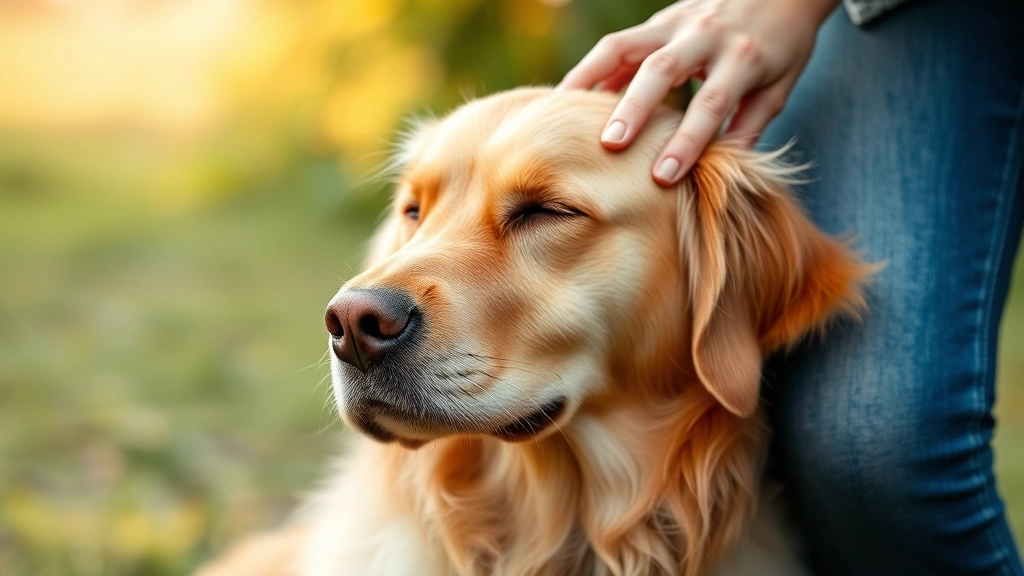
Behind the Ears is consistently one of the top-ranking favorite spots for dogs everywhere. This area is packed with nerve endings and is relatively sensitive, making it a hotspot for pleasant sensations. The skin behind the ears is thinner than other parts of the body, which means even gentle scratching can feel amazing. Many dogs will lean into your hand or tilt their head to give you better access to this golden zone. If your dog keeps pushing their head toward your hand, they’re basically saying, “Yes, more of that, please!”
The Base of the Tail is another area where most dogs experience pure euphoria. This spot contains numerous nerve endings, and many dogs will actually wag their tails faster when you scratch here—it’s like hitting the jackpot of dog happiness. Some dogs will even do a little spin or wiggle their entire back end when you find this sweet spot. Just be careful not to scratch too close to the tail itself, as some dogs find that uncomfortable.
The Chest and Front Legs are beloved scratching zones for many canines. This area allows you to use broader strokes, and dogs often enjoy the combination of scratching and gentle pressure. You might notice your dog standing still and leaning into your hand when you’re working this area, which is their way of showing approval and requesting that you continue.
Along the Spine and Back, particularly the area just before the tail, is another prime scratching location. Many dogs will arch their backs when you scratch here, similar to how cats do. This area benefits from firm, confident strokes rather than light tickling. Some dogs prefer scratching with your fingertips, while others enjoy the sensation of your whole hand.
The Sides and Ribs are often overlooked but surprisingly enjoyable for many dogs. These areas have thinner skin and are quite sensitive, so approach with moderate pressure. You’ll often see dogs shift their weight or lean into your hand when you’re working this zone, indicating they’re enjoying the experience.
Behind the Front Legs and Armpits can be surprisingly sensitive and pleasurable areas for scratching. However, be aware that some dogs are ticklish in these spots, so pay attention to their reactions. If your dog seems to be pulling away or showing signs of discomfort, this might not be their favorite zone.
The Science Behind Why Dogs Love Scratching
Understanding why dogs enjoy scratching requires us to delve into canine neurobiology and evolutionary psychology. According to the American Kennel Club, when you scratch or pet your dog, you’re triggering the release of oxytocin—often called the “love hormone”—in both your dog’s brain and yours. This creates a genuine bonding experience that benefits both parties.
Dogs are descended from wolves, and while domestication has changed many things about their behavior, the underlying neurological responses remain remarkably similar. In wolf packs, grooming and physical contact serve important social functions. When pack members groom each other, they’re not just cleaning; they’re reinforcing social bonds and establishing hierarchy. Your dog’s love of scratching taps into these deep evolutionary instincts.
The areas dogs most enjoy being scratched typically have higher concentrations of nerve endings, making them more sensitive to touch. The ASPCA notes that certain areas of a dog’s body are more responsive to touch than others, which explains why your pup might go crazy when you scratch behind their ears but show less enthusiasm for a scratch on their back leg.
Scratching also serves a practical purpose in your dog’s life. It can help them maintain their coat, distribute natural oils, and address minor itches they can’t reach themselves. When you scratch your dog in the right spots, you’re essentially providing a service they would struggle to accomplish on their own, which is why they show such gratitude and affection.

The pressure applied during scratching also matters significantly. Research in veterinary behavior indicates that moderate to firm pressure is generally more enjoyable for dogs than light tickling. This is because deeper pressure can stimulate muscles and provide a more satisfying sensation. However, individual preferences vary widely, and you’ll need to observe your specific dog’s reactions to determine what pressure level they prefer.
Reading Your Dog’s Body Language and Signals
Your dog is constantly communicating their preferences through body language, and learning to read these signals is essential for becoming a scratching expert. The most obvious sign that your dog is enjoying scratches is the famous back leg kick, also known as the “scratch reflex.” When you hit the right spot, your dog’s back leg will involuntarily kick, which is actually a neurological response similar to the reflex doctors test when they tap your knee. This isn’t your dog trying to scratch themselves; it’s an automatic response to pleasurable stimulation.
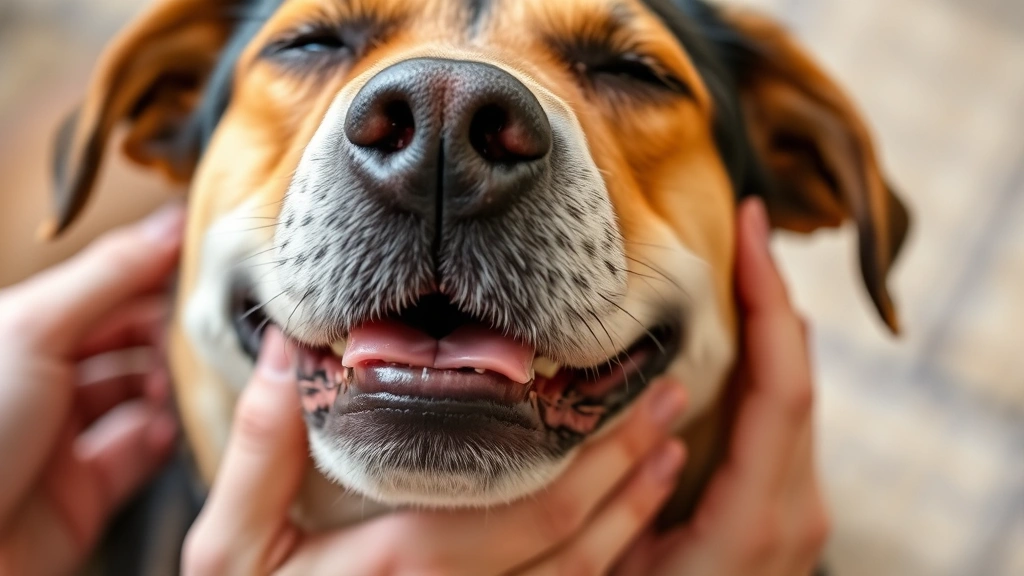
A happy, content dog being scratched will often display a soft, relaxed facial expression. Their eyes may appear slightly closed or half-lidded, and their ears might be in a natural, relaxed position. Some dogs will even appear to smile, with a slight parting of the lips and a generally pleased demeanor. This is very different from a dog showing signs of stress or discomfort.
Pay attention to where your dog positions themselves relative to you. If your pup consistently moves closer to you or leans into your hand while you’re scratching, they’re clearly enjoying it and want more. Conversely, if they move away, turn their head, or create distance between you and them, respect that boundary. Dogs are clear communicators when they’re given the opportunity to be.
Tail wagging is another important signal, though it’s not always a simple indicator of happiness. A dog with a high, stiff tail wag might be excited or anxious, while a slower, looser wag often indicates contentment. When combined with other relaxed body language signals, tail wagging during scratching typically means your dog is having a great time. Understanding why dogs like to be pet involves recognizing these nuanced signals.
Vocalization is another way dogs communicate their pleasure. Some dogs will make soft groaning or sighing sounds when being scratched in their favorite spots. These vocalizations are generally signs of contentment and relaxation. However, if your dog yelps, whimpers, or makes sharp sounds, they may be experiencing discomfort, and you should stop immediately and investigate.
The position of your dog’s ears can tell you a lot about their comfort level. Relaxed, naturally positioned ears usually indicate a comfortable dog. If your dog’s ears are pinned back against their head or held very stiffly, they might be anxious or uncomfortable with the current activity.
Breed-Specific Scratching Preferences
Different dog breeds have evolved with different coat types and body structures, which can influence their scratching preferences. Understanding your dog’s breed-specific characteristics can help you tailor your scratching technique to their particular needs and preferences.
Short-Haired Breeds like Beagles, Boxers, and Labradors often enjoy firmer pressure during scratching since their shorter coats don’t provide as much cushioning between your hand and their skin. These dogs typically love vigorous scratching sessions and can handle more intense pressure than their longer-haired counterparts.
Double-Coated Breeds such as German Shepherds, Golden Retrievers, and Huskies have two layers of fur and may be more sensitive to certain scratching techniques. They often prefer scratching that works through their coat rather than against it. These breeds might particularly enjoy scratching along the direction of their hair growth.
Long-Haired Breeds like Afghan Hounds and Shih Tzus may prefer gentler scratching to avoid matting their coats or pulling on their fur. These breeds often enjoy the sensation of having their coat brushed and combed as much as being scratched.
Terrier Breeds are often more energetic and might enjoy more vigorous, playful scratching sessions. Their smaller stature means you might need to adjust your hand size and pressure accordingly.
Giant Breeds like Great Danes and Saint Bernards have larger body surfaces and might enjoy broader, sweeping scratches that cover more area. These breeds often appreciate the combination of scratching and gentle massage.
Proper Scratching Techniques for Maximum Enjoyment
Now that you understand where dogs like to be scratched and why, let’s talk about the best techniques to employ. Mastering these techniques will help you provide your dog with the most enjoyable scratching experience possible.
The Fingertip Scratch involves using your fingertips to create a gentle scratching motion. This technique works well for sensitive areas like behind the ears and around the face. It provides precision and allows your dog to feel individual contact points, which can be very satisfying.
The Palm Scratch uses your entire hand or palm to scratch larger areas of your dog’s body. This is ideal for the back, sides, and chest. The broader surface area allows you to cover more ground and apply consistent pressure across a larger area. Many dogs find this deeply satisfying, especially when you use firm, confident strokes.
The Circular Motion involves moving your hand in gentle circles while maintaining contact with your dog’s skin. This technique works particularly well on the chest and sides and can be very soothing and relaxing for your pup. It’s similar to how you might massage a human, and many dogs respond very positively to it.
The Directional Stroke means scratching in the direction of your dog’s hair growth. This technique is especially important for long-haired breeds and helps prevent matting while providing a more pleasant sensation for your dog. Scratching against the grain can feel uncomfortable for many dogs.
Understanding why dogs like belly rubs can also inform your scratching technique, as belly rubbing and scratching often involve similar motions and provide similar satisfaction. The key is paying attention to your individual dog’s responses and adjusting your technique accordingly.
The Pressure Principle suggests that most dogs prefer moderate to firm pressure over light tickling. However, this varies by individual and breed. Start with moderate pressure and observe your dog’s response. If they lean into your hand and seem to want more, you can increase the pressure. If they pull away or show signs of discomfort, reduce the pressure or switch to a different area.
Areas to Avoid and Sensitive Spots
While most dogs have spots they love to be scratched, there are also areas that many dogs find uncomfortable or even painful. Being aware of these sensitive zones will help you avoid accidentally causing discomfort to your beloved pet.
The Paws and Feet are often quite sensitive for dogs. While some dogs don’t mind having their paws touched, many find it uncomfortable or even ticklish. Understanding why dogs lick their paws can provide insight into their foot sensitivity. Unless your dog specifically seems to enjoy paw scratching, it’s best to avoid this area.
The Face and Muzzle can be sensitive, particularly around the eyes and nose. While many dogs enjoy gentle scratching behind the ears, scratching on the face itself can be uncomfortable. Always approach the face slowly and watch for signs of discomfort.
The Belly is interesting because while many dogs enjoy belly rubs, some find belly scratching uncomfortable. The belly is a vulnerable area with thinner skin and more sensitive nerve endings. If your dog shows any signs of discomfort when you touch their belly, respect that boundary. Whether dogs like being pet on their belly varies greatly from individual to individual.
The Tail should generally be avoided for scratching. While the base of the tail is enjoyable for many dogs, the tail itself is sensitive and contains important nerves and bones. Scratching or pulling the tail can cause pain or injury.
The Legs and Joints may be sensitive, especially in older dogs or those with arthritis. Be gentle around the knees and hip areas, and pay attention to your dog’s reactions. If your dog seems to experience pain when you touch certain areas, consult your veterinarian.
The Ears Themselves should be handled carefully. While the area behind the ears is wonderful for scratching, the inner ear and ear flaps can be sensitive. Avoid scratching inside the ear canal or being too rough with the ear flaps.
Frequently Asked Questions
Is it bad to scratch my dog too much?
While scratching your dog is generally beneficial, excessive scratching can potentially cause skin irritation or mat the coat, especially in long-haired breeds. Moderation is key. Additionally, if your dog seems to be scratching themselves excessively, this could indicate an underlying skin condition or allergy, and you should consult your veterinarian. Most healthy scratching sessions of 5-15 minutes are perfectly fine and actually beneficial for your dog’s well-being.
Why does my dog kick their leg when I scratch them?
The leg kick is a reflex response called the scratch reflex or pedal reflex. When you stimulate certain nerve endings on your dog’s body, particularly on the sides and back, it triggers an automatic response in the muscles. Your dog isn’t consciously trying to scratch themselves; it’s a neurological response similar to how your leg kicks when a doctor taps your knee. This reflex is completely normal and usually indicates that your dog is enjoying the scratching.
Can scratching help with my dog’s skin health?
Regular, gentle scratching can help distribute your dog’s natural skin oils, which can improve coat health and appearance. Scratching also helps remove loose hair and can feel therapeutic for your dog. However, if your dog has any skin conditions, allergies, or infections, you should consult your veterinarian before engaging in regular scratching sessions. In some cases, scratching could exacerbate existing skin problems.
What should I do if my dog doesn’t like being scratched?
Not all dogs enjoy scratching equally, and some may have had negative experiences with touch in the past. If your dog doesn’t seem to enjoy scratching, respect their preference. You can try different areas and techniques, but never force physical affection on a dog who doesn’t want it. Some dogs prefer other forms of interaction like playing, training, or simply spending time together. If your dog suddenly stops enjoying scratching they previously loved, consult your veterinarian to rule out pain or health issues.
How do I know if my dog is uncomfortable with scratching?
Signs of discomfort include pinned-back ears, tail tucking, yelping or whimpering, trying to move away, skin twitching, or turning to look at your hand with a tense expression. If you notice any of these signs, stop scratching immediately and try a different area or technique. If the discomfort persists across multiple areas, your dog may be experiencing pain or health issues that warrant a veterinary visit.
Are there breed-specific scratching preferences I should know about?
Yes, different breeds have different coat types and sensitivities. Short-haired breeds often enjoy firmer pressure, while long-haired breeds may prefer gentler scratching to avoid matting. Double-coated breeds often prefer scratching in the direction of hair growth. However, individual personality plays a huge role, so observe your specific dog’s preferences rather than relying solely on breed generalizations.
Can scratching help with bonding?
Absolutely! Understanding dog behavior reveals that physical touch, including scratching, releases oxytocin in both you and your dog, strengthening your emotional bond. Regular scratching sessions can improve your relationship with your dog and provide them with a sense of security and affection. Many dogs view scratching sessions as quality time with their favorite humans.





