
Where Do Dogs Like to Be Scratched Most? Find Out!
If you’ve ever wondered why your furry best friend leans into your hand at certain spots or does that adorable back-leg scratch when you hit just the right place, you’re not alone! Understanding where a dog might like to be scratched is one of the best ways to deepen your bond with your canine companion. Dogs communicate their preferences through body language, tail wags, and those precious moments when they practically melt into your touch. The truth is, most dogs have specific favorite spots that make them absolutely swoon with happiness.
Scratching and petting aren’t just feel-good activities for dogs—they’re essential forms of interaction that release endorphins, reduce stress, and strengthen the human-animal bond. Whether you’re a first-time dog owner or a seasoned pup parent, knowing the prime real estate on your dog’s body can transform your petting sessions from pleasant to absolutely blissful. Let’s explore the science behind canine preferences and discover exactly where your dog dreams of being scratched!
The fascinating thing about dog scratching preferences is that they vary from pup to pup, yet certain universal favorites exist across most breeds and personalities. By learning these hotspots, you’ll become a scratching maestro who can read your dog’s needs and provide exactly what they’re craving.
Behind the Ears: The Golden Zone
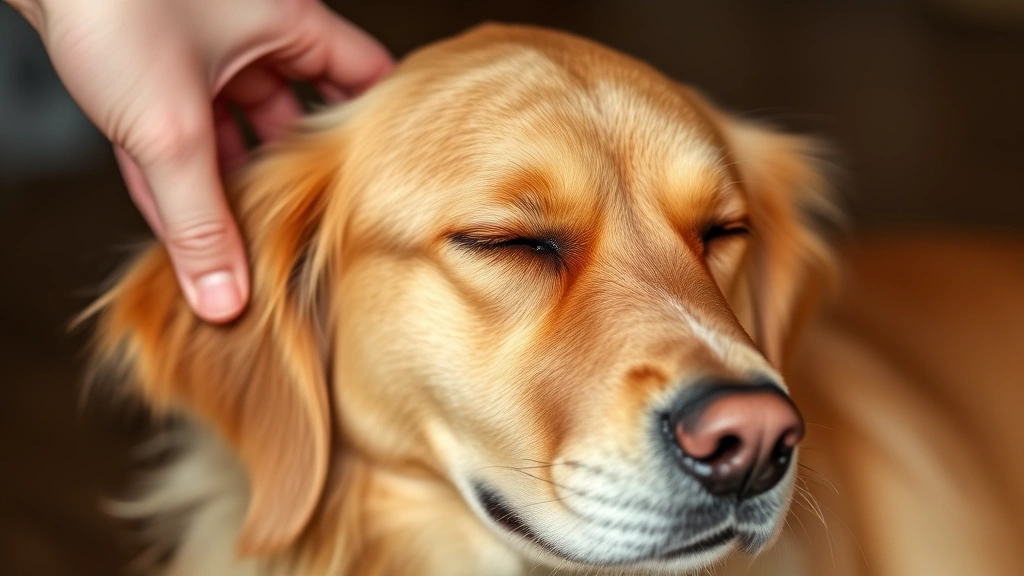
If there’s one spot that makes almost every dog’s eyes glaze over with pure joy, it’s behind the ears. This area is absolutely loaded with nerve endings, making it incredibly sensitive to touch—in the best possible way! When you gently scratch or rub behind your dog’s ears, you’re stimulating these nerves in a way that feels absolutely divine to them. Many dogs will tilt their heads, lean into your hand, or even start that adorable back-leg scratch reflex when you find this sweet spot.
The reason dogs love this area so much comes down to physiology. The skin behind the ears is thinner and more delicate than other parts of their body, with a rich network of sensory receptors. This makes the area incredibly responsive to gentle scratching and massage. Additionally, it’s a spot dogs can’t easily reach themselves, which makes human interaction here feel especially rewarding. If your pup is being particularly affectionate and demanding attention, try scratching gently behind their ears—it’s often the quickest way to earn enthusiastic appreciation!
When scratching this area, use gentle circular motions with your fingertips or a soft brush. Pay attention to whether your dog seems to prefer lighter or firmer pressure, as individual preferences vary. Some dogs will practically fall asleep when you get this right, while others will give you the puppy dog eyes begging for more.
The Chest and Neck: A Classic Favorite
The chest and neck area represents real estate that many dogs absolutely adore. This region combines accessibility with sensation—your dog can see your hand working, which adds to the experience, yet they can’t quite reach this spot themselves to scratch it. The chest especially tends to be a favorite because it’s a vulnerable area, and when dogs allow you to pet and scratch there, it shows they trust you completely.
The neck area connects to several muscle groups, and scratching here can actually help relieve tension that builds up from daily activities. Many dogs carry stress in their neck and shoulders, similar to humans, so a good scratch session in this zone can be genuinely therapeutic. You’ll often notice your dog relaxing visibly, their ears softening, and their overall posture becoming more at ease when you focus on this area.
When working the chest and neck, try using both your hands in gentle, downward strokes, or use your fingertips in small circular motions. The key is to gauge your dog’s preference—some love vigorous scratching, while others prefer a lighter touch. Watch for tail wags, head tilts, and that telltale lean-in that says “yes, right there!”
Under the Chin: The Irresistible Spot
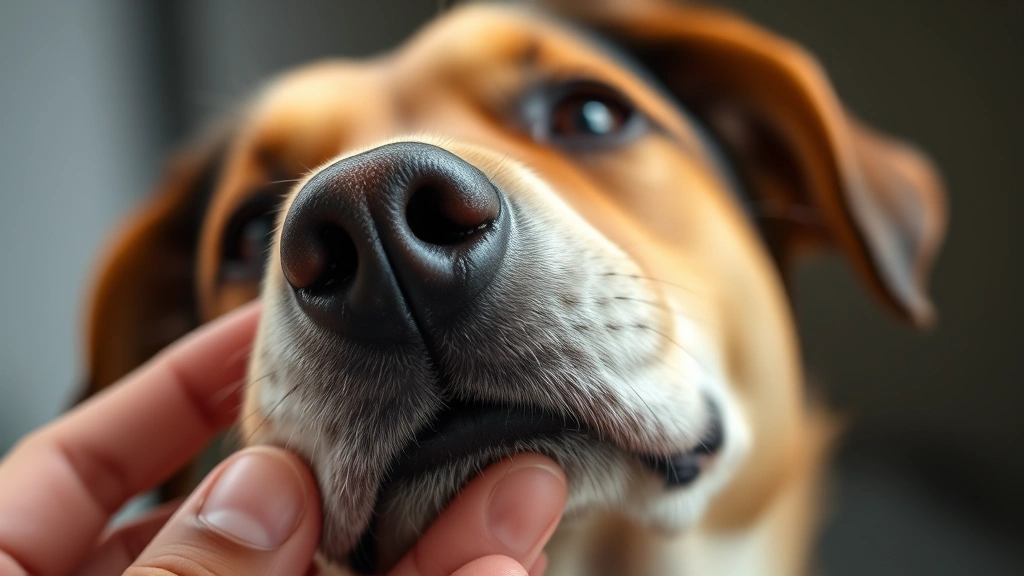
There’s something magical about the spot right under a dog’s chin. This area seems to unlock a special kind of contentment in most pups. The skin here is sensitive, and the location makes it nearly impossible for dogs to scratch it themselves, which is why they seem to appreciate human intervention so much. Many dogs will tip their heads back slightly when you start scratching under their chin, almost as if they’re saying “yes, please, more of that!”
This spot also connects to your dog’s throat and jaw muscles, which means scratching here can help them relax their entire head and neck region. Dogs often accumulate tension in these areas, especially if they’re anxious or spend a lot of time chewing. A good under-chin scratch session can work wonders for helping your pup unwind after a stressful day.
The under-chin area is also connected to your dog’s lymph nodes, and gentle massage and scratching here can promote healthy circulation. This makes it not just a pleasure zone but potentially a health-supporting area as well. Use your fingertips or a soft brush, and maintain a gentle but consistent pressure. Most dogs will give you immediate feedback if they’re enjoying it—you’ll see their eyes close in bliss!
Along the Back and Sides: Pure Contentment
The back and sides of your dog represent vast territories of potential pleasure. This is where you’ll find long, lean muscles that dogs use for running, jumping, and everyday movement. Scratching along the back, particularly from the shoulders down toward the hips, can feel absolutely amazing to dogs. Many pups will literally lean their entire body weight into your hand when you find the right pressure and location.
The sides are particularly interesting because they’re sensitive but also sturdy enough to handle firmer pressure. Many dogs love vigorous scratching along their ribcage and flanks. This is the area where you might trigger that adorable back-leg scratch reflex—you know, the one where their back leg starts paddling in the air as if they’re trying to scratch that exact spot themselves? That’s a sure sign you’ve hit the jackpot!
When scratching along the back and sides, you can use longer strokes from front to back, or circular motions in specific areas. Pay attention to which direction your dog seems to prefer—some love long strokes, while others prefer concentrated scratching in one area. The key is varying your technique to see what gets the biggest positive response from your pup.
The Base of the Tail: Proceed with Caution
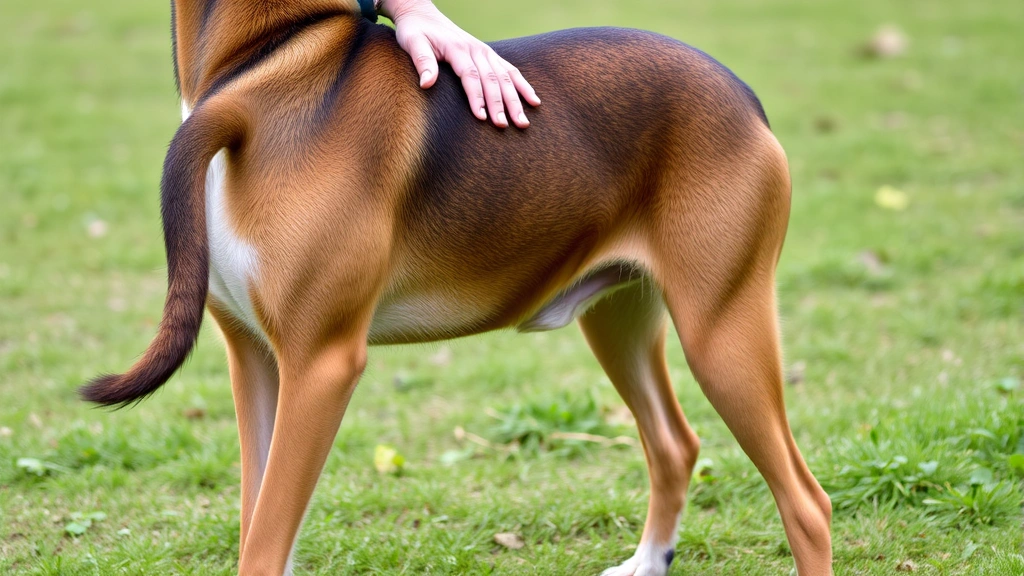
The base of the tail is an interesting zone because it’s wildly sensitive for most dogs, but the sensitivity can mean different things. Some dogs absolutely love having this area scratched and will wiggle with joy when you focus here. However, this area is also connected to important nerve pathways, and some dogs find it overstimulating. Always watch your dog’s body language carefully when working this area.
If your dog leans into scratches at the base of their tail and their tail wags increase, you’ve found another favorite spot! However, if your dog seems to tense up, move away, or snap at you, this is definitely not a favorite zone for them. Every dog is different, and what feels amazing to one pup might feel uncomfortable to another. The base of the tail is also where dogs can develop tension and irritation if they’re anxious or overstimulated, so gentle, careful touch is essential here.
Never grab or pull at this area, and avoid scratching if your dog shows any signs of discomfort. Some dogs with anxiety or fear issues find this area particularly sensitive, so use extra caution with nervous pups. When you do scratch here, use very gentle motions and keep sessions short until you understand your individual dog’s preferences.
Paws and Legs: A Sensitive Matter
Paws and legs are tricky territory. While many dogs enjoy having their paws and legs touched, these areas are also incredibly sensitive and vulnerable. Some dogs love a good leg massage or gentle scratching along their thighs and calves, while others find touch in these areas uncomfortable or even anxiety-inducing. This is also why dogs lick their paws so frequently—they’re sensitive areas that dogs naturally attend to.
If your dog enjoys leg scratching, you’ll notice them standing still or leaning into your touch. The upper leg and thigh area tends to be more acceptable to most dogs than the paws themselves. Many dogs are protective of their paws due to sensitivity and vulnerability, so always ask permission and watch for signs of comfort before diving in with vigorous scratching.
The lower leg and paw area is also prone to irritation, allergies, and infections, so if you’re noticing your dog is excessively licking or chewing their paws, that might indicate a health issue rather than a preference for scratching. In such cases, consult with a veterinarian to rule out underlying problems.
Reading Your Dog’s Signals
The most important skill for becoming a scratching superstar is learning to read your dog’s body language. Dogs are incredibly communicative—they just don’t use words! Understanding these signals will help you know exactly when you’re hitting the right spot and when it’s time to move on to something else.
Positive signals include:
- Tail wagging—the faster and more enthusiastic, the better
- Leaning into your hand or moving closer to you
- Eyes closing or looking relaxed and peaceful
- Relaxed ears in their natural position
- Staying still and allowing continued scratching
- That adorable back-leg scratch reflex
- Soft mouth and relaxed facial expression
- Seeking you out for more scratching sessions
Warning signals to watch for:
- Ears pinned back or to the sides
- Stiff body posture or tensing muscles
- Tail tucked or held low
- Attempting to move away from your hand
- Snapping or growling
- Skin twitching or flinching
- Whale eye (showing the whites of their eyes)
- Lip licking or yawning excessively
Learning these signals is part of building that deeper connection with your dog. Some dogs are more enthusiastic communicators than others, so pay attention to your individual pup’s preferences. What works for one dog might not work for another, and that’s perfectly normal!
Breed-Specific Scratching Preferences
Different dog breeds have evolved with different coat types, body structures, and temperaments, which can influence their scratching preferences. Understanding these breed tendencies can help you better serve your specific pup.
Short-haired breeds like Labrador Retrievers and Beagles often enjoy vigorous scratching because their shorter coats provide less insulation and sensitivity buffering. These dogs often love firm, enthusiastic scratching sessions along their back and sides. Long-haired breeds like Golden Retrievers and Collies might prefer gentler touches to avoid matting and tangling, though many still love a good scratch in the right spots.
Brachycephalic breeds (flat-faced dogs like Bulldogs and Pugs) often have particular sensitivities around their face and neck due to their unique structure. These breeds might especially appreciate gentle scratching on their chest and back rather than their face. Wire-haired breeds like Terriers often have unique coat textures that respond well to specific scratching techniques that work with their coat rather than against it.
Small breeds might be more sensitive overall due to their delicate bone structure, while larger breeds often enjoy robust belly rubs and vigorous back scratching. However, individual personality matters far more than breed generalization, so always let your dog guide you toward their preferences.
Dogs with anxiety issues might have more sensitive zones and prefer gentler, more predictable scratching patterns. Meanwhile, confident, outgoing dogs often enjoy more varied and vigorous scratching sessions. Pay attention to your dog’s unique personality and adjust accordingly.
The Health Benefits of Regular Scratching
Beyond just feeling amazing, regular scratching and petting sessions provide genuine health benefits for your dog. According to the American Kennel Club, proper petting and touch can reduce stress hormones, lower blood pressure, and promote overall wellness in dogs.
Scratching sessions also give you the opportunity to perform regular health checks. As you scratch and pet your dog, you can feel for any unusual lumps, bumps, or skin issues that might warrant veterinary attention. Early detection of health problems can make a significant difference in outcomes, so those scratching sessions are doing double duty for your pup’s wellbeing.
Regular positive touch also strengthens the bond between you and your dog, which has been shown to reduce anxiety and behavioral problems. Dogs who receive regular affection and scratching sessions tend to be happier, more confident, and better behaved overall. It’s a win-win situation!
The ASPCA recognizes that regular physical affection is an essential component of responsible dog ownership. Making time for scratching and petting sessions isn’t just nice—it’s actually an important part of your dog’s mental and physical health.
Understanding the Difference: Scratching vs. Petting
While scratching and petting are often used interchangeably, they’re actually slightly different interactions that dogs experience differently. Petting typically involves longer strokes with your whole hand, while scratching involves using your fingertips or nails in more concentrated motions. Many dogs enjoy both, but they might have different preferences for each.
Some dogs prefer vigorous scratching over gentle petting, while others want soft strokes and petting rather than intense scratching. The best approach is to offer both and observe which your dog seeks out more frequently. You’ll develop an intuitive sense for your dog’s preferences over time.
It’s also worth noting that dogs might have preferences that change based on their mood, energy level, and what they need in that moment. A dog might want vigorous scratching after a nap but prefer gentle petting when they’re winding down for bedtime. Pay attention to these contextual preferences, and you’ll become an even better dog parent.
Common Scratching Mistakes to Avoid
Even with the best intentions, it’s easy to make mistakes when scratching your dog. Understanding what to avoid will help you maximize your dog’s enjoyment and maintain their comfort and safety.
Scratching too hard: While some dogs love vigorous scratching, going too hard can actually hurt their sensitive skin. Start with moderate pressure and increase only if your dog seems to want more. Watch for signs of discomfort like flinching or skin irritation.
Ignoring warning signs: If your dog shows any signs of discomfort or overstimulation, stop immediately. Continuing despite warning signals can damage your dog’s trust and create anxiety around petting.
Scratching in sensitive areas without permission: Always observe your dog’s body language before focusing on sensitive zones like the paws, belly, or base of tail. Some dogs are protective of these areas, and forcing touch can create behavioral problems.
Overstimulation: Even the best scratching can become too much. If your dog starts showing signs of overstimulation (like tail tucking, ears pinning back, or attempting to leave), it’s time to stop. Quality over quantity is key.
Ignoring individual preferences: Just because most dogs love a particular spot doesn’t mean your dog will. Every pup is unique, so don’t assume—watch your individual dog’s responses and adjust accordingly.
Frequently Asked Questions
Why do dogs like being scratched so much?
Dogs love being scratched because it feels amazing! Scratching stimulates nerve endings in their skin, releasing endorphins that create pleasurable sensations. Additionally, it’s a form of social bonding—when you scratch your dog, you’re showing affection and attention, which strengthens your relationship. Dogs also can’t easily scratch many areas on their own bodies, so they appreciate human help in reaching those hard-to-access spots.
Is there a difference between dogs that enjoy scratching versus those that don’t?
Yes, absolutely. Individual dogs have vastly different preferences based on personality, past experiences, breed tendencies, and even temperament. Some dogs are naturally more tactile and affectionate, while others are more independent. Additionally, dogs that experienced neglect or trauma might be uncomfortable with touch. The key is respecting your dog’s individual preferences and never forcing interaction they don’t want. If your dog doesn’t like being pet, that’s perfectly valid, and you can still bond through other activities.
Can excessive scratching indicate a health problem?
When we talk about your dog’s scratching preferences, we mean where your dog likes YOU to scratch them. However, if your dog is scratching themselves excessively, that can indicate underlying health issues like allergies, parasites, skin infections, or anxiety. If you notice your dog scratching their bed or their own body excessively, consult with a veterinarian to rule out medical problems.
What if my dog doesn’t like being scratched?
Not all dogs enjoy being scratched, and that’s perfectly okay! Some dogs are more independent and prefer minimal physical touch. Others might have had negative experiences that make them uncomfortable with certain types of contact. If your dog doesn’t enjoy scratching, respect their preferences and find other ways to bond, like playing, training, or going on adventures together. PetMD offers great insights on dogs that don’t enjoy petting, which can help you better understand your pup’s preferences.
How can I tell if I’m scratching too hard?
Watch your dog’s body language. Signs that you’re scratching too hard include flinching, skin twitching, ears pinning back, or your dog moving away from you. Some dogs will also show signs of overstimulation like biting at your hand or becoming suddenly restless. Start with moderate pressure and increase gradually while watching for these warning signs. Every dog has a different tolerance level, so pay attention to your individual pup’s feedback.
Should I scratch my dog in a specific direction?
Generally, scratching in the direction of your dog’s hair growth is most comfortable for them. This means scratching from head toward tail on the back and sides. However, many dogs also enjoy scratching in different directions, so experiment to see what your pup prefers. Some dogs love circular motions, while others prefer long strokes. Let your dog’s responses guide you.
Are there breeds that particularly love being scratched?
While individual personality matters most, some breeds are known for being particularly affectionate and touch-oriented. Breeds like Golden Retrievers, Labrador Retrievers, and Cavalier King Charles Spaniels tend to be very tactile and enjoy extensive petting and scratching. However, this is a generalization—individual dogs within any breed can have different preferences. The best way to know what your dog likes is to observe their responses and ask permission before touching sensitive areas.
Can I use tools to scratch my dog?
Yes! Many dogs enjoy being scratched with soft brushes, grooming tools, or specialized dog massage tools. Some dogs actually prefer these tools to fingernails because they distribute pressure more evenly and can reach larger areas. Experiment with different tools to see what your dog prefers. Always ensure any tool is gentle and designed specifically for dogs to avoid causing irritation or injury.





