
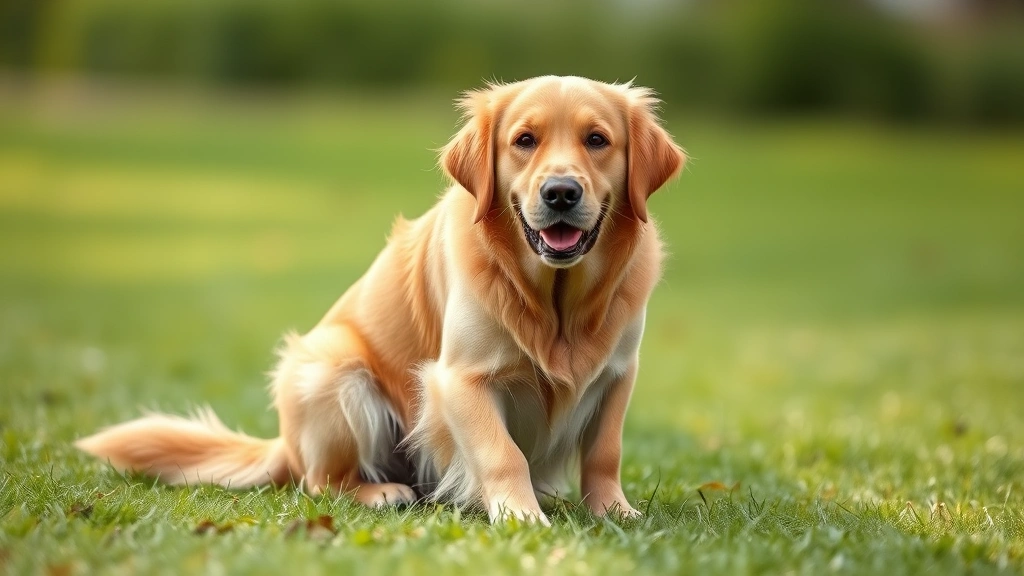
Why Do Dogs Kick After Pooping? Explained
If you’ve ever watched your furry friend do their business and then immediately start scratching and kicking at the ground like they’re auditioning for a canine dance competition, you’re not alone. This quirky post-poop behavior has confused dog owners for generations, leaving many of us wondering: what on earth is my dog doing? Is this normal? Should I be concerned?
The answer is delightfully simple and rooted in pure canine instinct. When your dog kicks their hind legs after pooping, they’re not trying to bury their waste (though that’s a common misconception) or performing some elaborate bathroom ritual. Instead, they’re engaging in what behaviorists call “ground scratching,” a natural behavior that serves several important purposes for your pup.
Let’s dig into this fascinating doggy behavior and uncover the science, instincts, and interesting facts behind why your pooch feels compelled to kick up a storm after their bathroom break. Understanding this behavior will not only satisfy your curiosity but also give you deeper insight into your dog’s natural instincts and health.
Scent Marking and Territory
The primary reason your dog kicks after pooping is scent marking. This behavior is all about communication and territory establishment. When your dog scratches the ground with their back legs, they’re activating scent glands located in their paw pads. These glands release a unique chemical signature that says, “This territory belongs to me” in dog language.
Think of it as your dog’s way of leaving a personalized calling card. The scratching action disperses their scent across a wider area, making the message more visible and noticeable to other dogs. This is particularly important for male dogs, who tend to engage in more frequent scent marking than females, though both sexes participate in this behavior.
The kicking serves a dual purpose: it both marks the territory and creates a visual marker. Other dogs walking by will notice the disturbed ground and the scent, understanding that another dog has claimed this spot. It’s an ancient communication method that predates the domestication of dogs by thousands of years, inherited from their wolf ancestors who used similar tactics to establish pack territories.
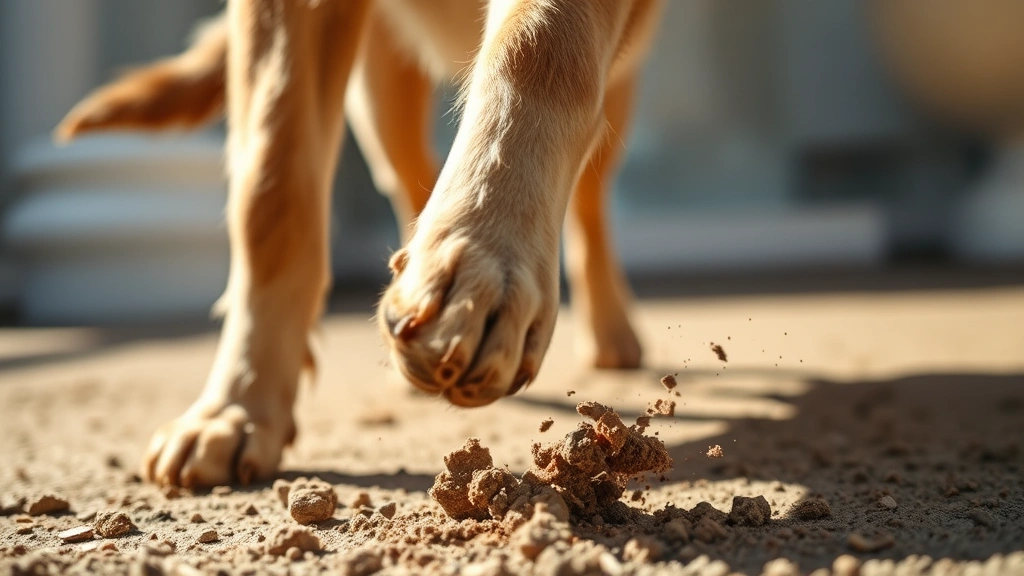
Interestingly, this behavior is more pronounced in dogs that are outdoors regularly or in multi-dog households. Dogs living in environments where they frequently encounter other canines tend to engage in more vigorous ground kicking, as if they’re trying to send a particularly strong message about their presence and status in the area.
Ancient Instincts at Work
Your dog’s post-poop kicking ritual is a window into their evolutionary past. Dogs are descendants of wolves, and wild canines have engaged in ground scratching for millions of years. This behavior is hardwired into their DNA, passed down through countless generations of ancestors who used it for survival and social communication.
In the wild, establishing and maintaining territory is crucial for accessing food, water, and mates. Wolves and wild dogs use scent marking to avoid unnecessary conflicts with other packs and to communicate their presence without direct confrontation. Your domesticated pooch is simply following the same ancient playbook, even though they no longer need to worry about defending territory or competing for resources.
This explains why even small lap dogs, who’ve never seen another dog in their lives, still engage in vigorous ground kicking after pooping. The behavior is so deeply ingrained in canine biology that it persists regardless of a dog’s lifestyle or living situation. It’s one of those fascinating remnants of their wild heritage that modern dogs still carry with them, much like how dogs circle before they lay down as a holdover from their ancestors who would flatten grass to create sleeping spots.
Scientists and animal behaviorists have observed this behavior in all dog breeds and mixed breeds, suggesting it’s a universal canine trait. From Chihuahuas to Great Danes, from puppies to senior dogs, the post-poop kick is a behavior that transcends breed, size, and age.
Anal Gland Relief and Comfort
Beyond scent marking, ground kicking after pooping can also provide physical relief for your dog. Dogs have anal glands (also called anal sacs) located on either side of their anus that secrete a pungent fluid. These glands serve important functions in canine communication and health, but they can sometimes become uncomfortable or impacted.
When your dog kicks and scratches after pooping, they might be attempting to stimulate these glands or relieve any discomfort they’re experiencing. The action can help express some of the fluid from these glands naturally, which is why the behavior often intensifies if a dog is experiencing anal gland issues.
However, if you notice your dog is excessively dragging their rear or spending an unusual amount of time trying to scratch this area, it might indicate a problem. This could be a sign of anal gland impaction, infection, or other health issues. If this behavior seems excessive or your dog appears to be in distress, it’s worth consulting with a veterinarian. For more information about related behaviors, check out our article on why dogs drag their butts, which covers anal gland issues in greater detail.
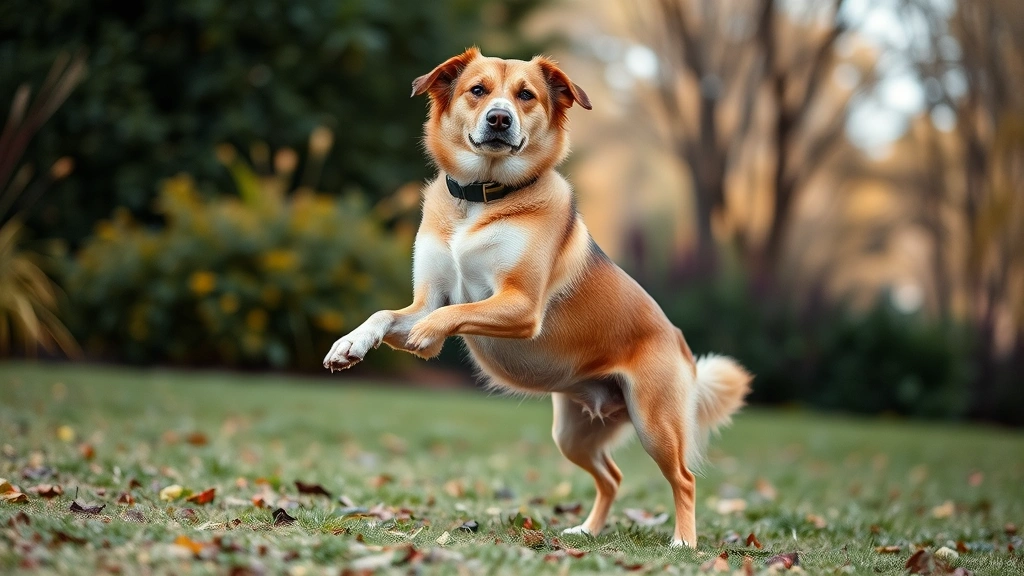
According to the American Kennel Club, anal gland problems are relatively common in dogs, particularly in smaller breeds. Regular grooming, proper diet, and adequate fiber intake can help keep these glands healthy and functioning properly. If your dog’s post-poop kicking seems excessive or is accompanied by scooting or licking, consult your veterinarian.
When Kicking Is Normal vs. Concerning
Most of the time, post-poop ground kicking is completely normal and healthy behavior. However, there are instances where excessive or unusual kicking might indicate an underlying health concern. Understanding the difference between normal and problematic behavior is important for responsible pet ownership.
Normal ground kicking typically includes:
- Vigorous scratching for 5-15 seconds after defecation
- Visible enjoyment and relaxation after the behavior
- No signs of pain, distress, or discomfort
- Consistent behavior across different locations
- No hair loss or skin irritation in the area
Concerning signs that warrant veterinary attention:
- Excessive kicking lasting several minutes
- Frequent scooting or dragging between bathroom breaks
- Visible signs of pain or distress
- Hair loss, raw skin, or inflammation around the rear
- Licking, biting, or obsessive attention to the rear area
- Changes in bowel movements or consistency
- Behavioral changes or lethargy
If your dog exhibits any of the concerning signs, don’t hesitate to contact your veterinarian. Anal gland impaction, infections, parasites, or skin allergies can all cause excessive post-poop behavior. A professional evaluation can rule out health issues and provide appropriate treatment if needed.
It’s also worth noting that some dogs are simply more enthusiastic ground kickers than others. Just like humans have different personalities, dogs have individual quirks and behaviors. Some pups might do a quick, dainty scratch, while others perform an elaborate dirt-flinging performance. As long as your dog seems healthy and happy, their unique bathroom habits are just part of what makes them special.
Breed Differences and Variations
While ground kicking after pooping is a universal canine behavior, there are interesting variations based on breed, size, and individual personality. Understanding these differences can help you better appreciate your dog’s unique behavioral patterns.
Larger breeds tend to produce more dramatic ground-kicking displays, simply because they have more mass and power behind their movements. A Great Dane’s post-poop kick creates a much more visible disturbance than a Chihuahua’s, which might explain why you notice it more in bigger dogs.
Hunting breeds, such as Retrievers and Pointers, often engage in more vigorous ground scratching. These breeds were historically developed to work in wild territories where scent marking would have been particularly important for communication and coordination with hunting partners.
Terriers are known for their enthusiastic approach to ground kicking, often combining it with playful behavior. Their natural digging instinct might amplify their post-poop scratching behavior, making it particularly energetic and entertaining to watch.
Small toy breeds might engage in less visible ground kicking, but they’re still performing the same behavior. Don’t mistake a smaller dog’s more delicate scratching for disinterest—they’re still marking territory and following their instincts, just in a more refined manner.
Age also plays a role in how intensely dogs engage in ground kicking. Puppies might not have perfected their technique, while senior dogs might perform a gentler version of the behavior. This behavioral variation is similar to other instinctive dog behaviors, such as why dogs scratch their beds, which also varies based on individual personality and life stage.
Environmental factors influence the behavior too. Dogs with access to yards tend to engage in more frequent and enthusiastic ground kicking compared to dogs that only go outside for brief bathroom breaks. The availability of suitable terrain for scratching and the presence of other dogs in the neighborhood can also affect how often and how vigorously your dog kicks.
Frequently Asked Questions
Is it normal for dogs to kick after pooping?
Yes, absolutely! Ground kicking after defecation is a completely normal and natural behavior for dogs of all breeds and sizes. It’s an instinctive behavior inherited from their wolf ancestors and serves important purposes like scent marking and territory establishment. Most veterinarians consider this behavior a healthy sign of normal canine instinct.
Why do only some dogs kick after pooping?
While most dogs engage in some form of ground kicking, the intensity and frequency can vary significantly between individuals. Factors like breed predisposition, personality, age, and environmental circumstances all influence how prominently a dog displays this behavior. Some dogs are simply more enthusiastic ground kickers than others, and this variation is completely normal.
Can I stop my dog from kicking after pooping?
While you could theoretically interrupt the behavior, there’s no good reason to do so. This is a natural, healthy behavior that doesn’t harm anything (except maybe your landscaping). Attempting to prevent it could cause stress or anxiety. Instead, embrace your dog’s quirky bathroom habits as part of their natural instinctive behavior. If you’re concerned about yard damage, consider designating a specific potty area.
Does ground kicking mean my dog has worms or parasites?
Not necessarily. While excessive scooting or dragging (different from ground kicking) can indicate parasites or anal gland issues, normal post-poop kicking is simply scent marking behavior. However, if the behavior seems excessive or is accompanied by other signs like scooting between bathroom breaks, hair loss, or visible discomfort, consult your veterinarian to rule out health issues.
How is ground kicking different from scooting?
Ground kicking involves using the hind legs to scratch and disturb the ground after defecation, primarily for scent marking. Scooting refers to a dog dragging their rear end along the ground, often indicating discomfort, itching, or anal gland issues. While related, these are distinct behaviors with different underlying causes. If your dog is scooting frequently, especially between bathroom breaks, it warrants veterinary attention.
Should I be concerned if my dog doesn’t kick after pooping?
Not at all. Not every dog engages in obvious ground kicking, and some dogs mark territory in other ways. Individual personality, breed tendencies, and environmental factors all play roles in whether a dog displays this behavior prominently. As long as your dog is healthy and showing normal bathroom habits, the absence of post-poop kicking isn’t a concern.
Is there a connection between ground kicking and other dog behaviors?
Yes! Ground kicking is part of a broader range of territorial and instinctive behaviors. It’s related to behaviors like why dogs kick their legs when you scratch them (which involves similar nerve responses), urine marking, and other scent-marking behaviors. Understanding one behavior often helps explain others, as they’re all rooted in the same evolutionary instincts.
Can diet affect post-poop kicking behavior?
Indirectly, yes. A dog’s diet affects their digestive health, stool consistency, and overall wellness, which can influence how much they engage in ground kicking. Dogs with digestive issues or anal gland problems might kick more vigorously. Providing a balanced, high-quality diet with adequate fiber can support healthy digestion and anal gland function, which may normalize bathroom-related behaviors.
Do female dogs kick less than male dogs?
While male dogs tend to engage in more frequent and vigorous scent marking overall (including urine marking), both males and females kick after pooping. Females might be slightly less enthusiastic about ground kicking in some cases, but the behavior is present across both sexes. Individual personality often matters more than sex when it comes to the intensity of this behavior.





