

Why Do I Love My Dog So Much? The Science Explained
If you’ve ever caught yourself staring at your dog while they nap, or felt an overwhelming surge of affection watching them play, you’re not alone. That profound bond between humans and their canine companions isn’t just sentiment—it’s rooted in genuine neurochemistry and evolutionary biology. The love you feel for your dog is as real and measurable as any emotion you experience, backed by scientific research that explains exactly why your pup has such a powerful grip on your heart.
Pet ownership has exploded in recent years, with millions of people considering their dogs to be integral family members. But what’s happening in your brain when you look into those soulful eyes? Why does your dog’s presence calm your anxiety, boost your mood, and make you feel like the luckiest person alive? The answers are fascinating, touching on neuroscience, hormones, evolution, and the unique bond that dogs have developed with humans over thousands of years.
Whether you’re a first-time dog owner wondering if what you’re feeling is normal or a seasoned pet parent curious about the science behind your devotion, this comprehensive guide will explore the biological, psychological, and behavioral reasons why you love your dog so much.
The Oxytocin Connection: Your Brain’s Love Hormone
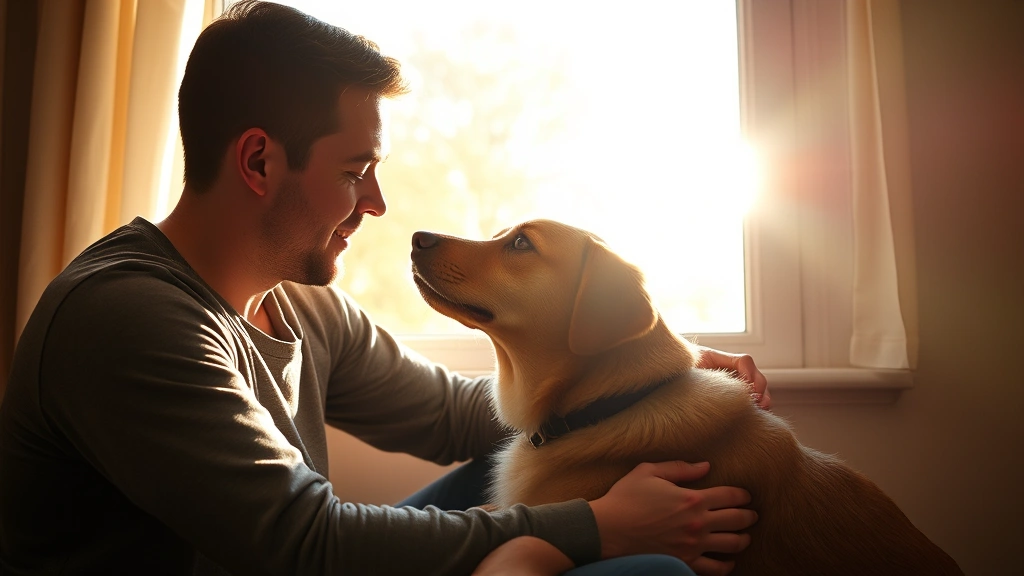
When you pet your dog, hug them, or simply spend quality time together, your brain releases oxytocin—often called the “love hormone” or “cuddle chemical.” This remarkable neurotransmitter is the same substance that bonds mothers to their newborns and partners to each other. Research from leading psychology institutions has shown that oxytocin levels increase in both you and your dog during positive interactions.
A groundbreaking study published in the journal Science revealed that the human-dog interaction triggers oxytocin release in both species simultaneously. When you gaze into your dog’s eyes, oxytocin floods your system, creating a warm, fuzzy feeling of connection and trust. Your dog experiences the same rush, strengthening their attachment to you. This isn’t metaphorical—it’s measurable in blood tests and brain scans. The more time you spend bonding with your pup, the more oxytocin your brain produces, intensifying that feeling of unconditional love.
Beyond the immediate pleasurable sensation, oxytocin has profound effects on your overall wellbeing. It reduces cortisol (the stress hormone), lowers blood pressure, and promotes feelings of calm and security. This is why spending time with your dog can feel like a therapeutic experience—because biochemically, it is one.
Dopamine and the Reward System
Dopamine is another crucial neurotransmitter in the love equation. This chemical is responsible for motivation, pleasure, and reward processing. Every time your dog does something adorable—whether it’s tilting their head, wagging their tail, or greeting you enthusiastically after you’ve been gone—your brain releases dopamine. You literally get a hit of pleasure from these interactions, similar to how your brain responds to food, music, or other rewarding experiences.
The anticipation of seeing your dog can trigger dopamine release even before you’re home. Your brain learns to associate your pup with reward and pleasure, creating a positive feedback loop. This is why dog owners often find themselves rushing home after work or planning their schedules around their pets. Your dog has essentially become a source of consistent dopamine production, and your brain craves that reward.
What makes this particularly powerful is that unlike many dopamine-triggering activities, interacting with your dog is healthy and sustainable. You can engage with your pup multiple times daily without negative consequences. In fact, the more you do it, the stronger your bond becomes and the more your brain benefits from the neurochemical rewards.
Evolutionary Biology and the Human-Dog Bond
The love you feel for your dog has ancient roots. Dogs were the first animals domesticated by humans, approximately 15,000 to 40,000 years ago. Over millennia, humans and dogs co-evolved, developing an unprecedented interspecies bond. This isn’t accidental—it’s the result of thousands of years of selective breeding and mutual benefit.
According to research from the American Kennel Club, dogs developed specific physical features that trigger nurturing responses in humans. Their floppy ears, large eyes relative to head size, and playful behavior activate the same caregiving instincts we have toward human infants. This is called the “baby schema” or “kindchenschema,” and it’s hardwired into our brains through evolution. Your dog’s appearance literally makes you want to love and protect them.
From dogs’ perspective, they’ve evolved to read human facial expressions, understand our emotional states, and respond to our needs. They’ve essentially hacked into our caregiving systems. This mutualistic relationship—where both species benefit—is one of the most successful partnerships in history. Your dog doesn’t just live with you; they’re evolutionarily designed to bond with you.
The fact that your dog knows you love him is no accident. Dogs have evolved to be exquisitely attuned to human emotion and attachment, making the relationship feel deeply reciprocal.
Physical and Mental Health Benefits
The love you have for your dog isn’t just emotional—it has tangible health benefits that reinforce your attachment. Numerous studies have documented that dog ownership reduces stress, anxiety, and depression while improving cardiovascular health. When you love your dog and spend time with them, you’re literally investing in your own wellbeing.
Pet owners have lower blood pressure, reduced heart disease risk, and improved immune function compared to non-pet owners. These aren’t minor benefits—they’re significant health advantages that accumulate over time. Your body recognizes that your dog’s presence is beneficial, which deepens your emotional connection and sense of gratitude toward your pup.
The mental health benefits are equally impressive. Dog owners report lower rates of depression and anxiety, increased feelings of purpose and responsibility, and improved social connections (since dog owners tend to interact more with other people). If you’ve noticed that your dog seems to know when you’re upset and comes to comfort you, that’s because they do. Dogs are remarkably empathetic creatures, and your dog’s ability to provide emotional support creates a positive feedback loop of love and appreciation.
How Dogs Communicate Love Back
Part of why you love your dog so much is that your dog loves you back—and shows it in unmistakable ways. Understanding canine communication helps you recognize just how much your pup adores you, which deepens your emotional bond even further.
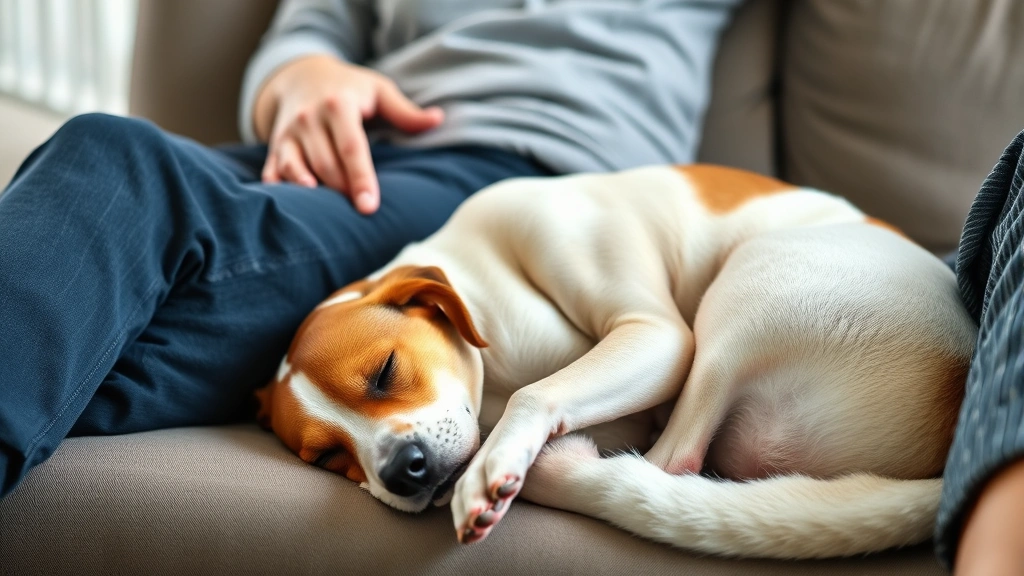
When your dog enjoys belly rubs, they’re showing extreme trust and vulnerability. The belly is a dog’s most exposed and defenseless area, so allowing you to touch it is a profound expression of love and confidence in you as their protector. Similarly, when your dog licks you when you pet her, they’re engaging in a bonding behavior rooted in puppyhood when their mother would lick them.
Other signs of canine affection include:
- Eye contact: When your dog holds your gaze, they’re releasing oxytocin just like you are. This is a powerful bonding moment.
- Following you around: If your dog shadows you from room to room, they’re showing that they want to be near you and consider you their safe base.
- Leaning against you: Physical contact is how dogs express comfort and trust.
- Bringing you toys: This is your dog’s way of sharing something they value with someone they love.
- Sleeping near you: When dogs sleep at your feet, they’re demonstrating that they feel safe and secure in your presence.
- Greeting enthusiasm: That excited tail-wagging, jumping, and vocalization when you arrive home is your dog’s genuine joy at seeing you.
The more you understand these communication signals, the more you realize your dog is actively loving you every single day. This recognition intensifies your own feelings of affection and gratitude.
Empathy and Mirror Neurons
Your brain contains specialized cells called mirror neurons that fire both when you perform an action and when you observe someone else performing that action. This neural mechanism is the foundation of empathy and emotional resonance. When your dog exhibits emotion—whether it’s joy, fear, or sadness—your mirror neurons activate, allowing you to feel what your dog feels.
This is why your dog’s happiness becomes your happiness. When they’re excited about a walk, you feel that enthusiasm. When they’re anxious during a thunderstorm, you feel that fear. This neural mirroring creates a deep empathetic connection that makes your love feel mutual and reciprocal. You’re not just loving your dog intellectually; you’re experiencing their emotions through your neurobiology.
Research from animal behavior experts at the ASPCA suggests that this empathetic capacity is enhanced in people who spend significant time with their pets. The more you interact with your dog, the more finely tuned your mirror neuron system becomes, allowing for deeper emotional attunement and stronger bonding.
Building Your Attachment Style
The way you love your dog is partly determined by your attachment style—the patterns of emotional bonding you developed in your early relationships. People with secure attachment styles tend to form healthy, balanced relationships with their dogs. Those with anxious attachment styles might find that their dog’s unconditional love is particularly healing, as dogs don’t judge or reject in the ways humans sometimes do.
Your dog also develops an attachment style with you. When you respond consistently to their needs, provide comfort during distress, and engage in regular bonding activities, your dog develops a secure attachment. This secure attachment makes your dog more confident, less anxious, and better behaved—which in turn makes you love them even more. It’s a virtuous cycle of attachment and affection.
Understanding how to bond with your dog deepens this attachment style and creates a more secure, satisfying relationship for both of you. Consistent training, regular play, quality time, and responsive caregiving all strengthen your attachment and amplify your feelings of love.
The science is clear: dogs know we love them because we show it through our behavior, and they respond by loving us back. This creates a reinforcing cycle of affection that feels increasingly profound over time.
Frequently Asked Questions
Is it normal to love your dog as much as you love people?
Absolutely. Many people report that their love for their dog rivals or even exceeds their love for some people in their lives. This is completely normal and valid. Dogs offer unconditional acceptance, consistent presence, and non-judgmental companionship in ways that can feel uniquely valuable. The neurochemistry of bonding with your dog is similar to bonding with humans, so the intensity of emotion is genuine and legitimate.
Why does my dog seem to know when I’m sad?
Dogs are remarkably perceptive creatures with highly developed senses. They can detect changes in your body chemistry (like stress hormones), your facial expressions, your tone of voice, and your body language. When you’re sad, your dog notices these shifts and responds with comfort-seeking behavior. This isn’t magical—it’s based on their keen observation skills and their mirror neuron system activating empathy.
Can my love for my dog be too intense?
While the love itself is healthy, it’s worth examining whether your attachment is creating unhealthy patterns. If you’re unable to leave your dog alone without severe anxiety, or if your dog’s needs are completely overriding your own wellbeing, it might be worth exploring with a therapist or veterinary behaviorist. Healthy love involves balance—you can deeply love your dog while also maintaining your own life and independence.
Why do I feel guilty when I can’t spend time with my dog?
This guilt reflects your genuine care for your dog and your awareness of their emotional needs. However, it’s important to remember that dogs are resilient and benefit from you having a full life. Taking care of yourself—working, socializing, pursuing hobbies—actually makes you a better dog owner. Your dog would prefer a happy, balanced owner to one who’s exhausted and resentful from constant caretaking.
Does my dog’s love for me work the same way neurologically as mine for them?
Very similarly, yes. When your dog bonds with you, their brain releases oxytocin and dopamine just like yours does. However, dogs’ brains are wired differently in some ways—they may experience time differently, have different memory capabilities, and process information through different sensory channels. But the fundamental neurochemistry of love and bonding is remarkably similar across species.
How can I deepen my bond with my dog even more?
Consistent, positive interactions are key. Regular play, training sessions, physical affection, and quality time all strengthen your bond. Learning to read your dog’s body language and respond to their needs builds trust. Engaging in activities your dog enjoys—whether that’s hiking, swimming, or simply cuddling—creates positive associations with your presence. The more you invest in your relationship, the deeper your mutual love becomes.





