
Why Does My Dog Chew Its Paws? Causes Explained
If you’ve noticed your furry friend constantly gnawing at their paws, you’re definitely not alone. Paw chewing is one of the most common behavioral and health concerns dog owners bring up at the vet’s office. But here’s the thing: not all paw chewing is created equal. Sometimes it’s just a passing phase, and other times it’s a red flag that something needs attention. The good news? We’re about to break down exactly what’s going on in that adorable little head (and paws) of yours.
Your dog’s paws are incredibly sensitive and packed with nerve endings, making them a prime target for attention—sometimes for innocent reasons, and sometimes because something’s bothering them. Whether it’s allergies, anxiety, parasites, or just plain boredom, understanding the root cause is the first step toward helping your pup feel better and keeping those paws in tip-top shape.
Let’s dig into the nitty-gritty of paw chewing and explore what might be driving your dog to turn their feet into their favorite chew toy.
Allergies: The Leading Culprit
If your dog is chewing their paws obsessively, allergies are often the prime suspect. Just like humans, dogs can develop allergies to all sorts of things—food, environmental factors, or contact allergens. The tricky part? When dogs have allergies, they don’t necessarily sneeze or get watery eyes like we do. Instead, they often express discomfort through their skin, and the paws become ground zero for itching and irritation.
Food allergies are particularly sneaky because they can take weeks or even months to develop, and they might not show up immediately after your dog eats the problematic ingredient. Common culprits include chicken, beef, wheat, and dairy. Environmental allergies, on the other hand, tend to be seasonal—think pollen, dust mites, and mold spores. Your dog might chew their paws more intensely during spring or fall when these allergens are at their peak.
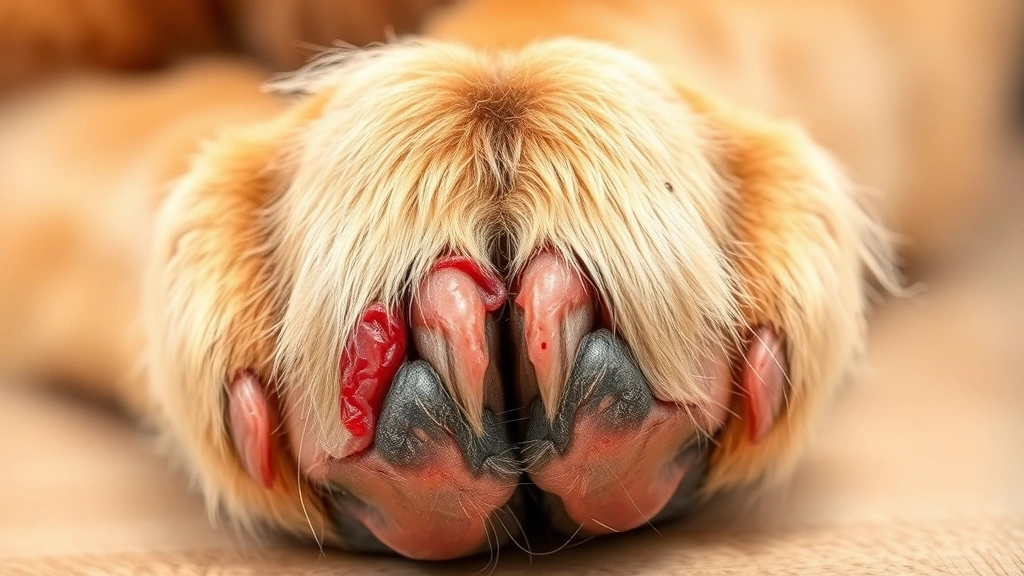
One of the telltale signs of allergy-related paw chewing is that the behavior is often accompanied by other symptoms. You might notice your dog has red, inflamed paws, or if they’ve been chewing excessively, the area might be raw or even infected. Some dogs also develop a yeasty smell on their feet, which is a secondary infection that develops when bacteria and yeast thrive in the moist environment created by constant licking and chewing.
Dogs can develop eczema just like humans, and allergic reactions can trigger inflammatory skin conditions that make paw chewing even more appealing. If you suspect allergies, your vet can perform allergy testing to identify the specific triggers, and then you can work together on an elimination diet or environmental management plan.

Parasites and Skin Infections
Parasites are another major reason dogs chew their paws, and they’re more common than you might think. Fleas are the usual suspects, and even if you don’t see them, they can cause intense itching. Some dogs are actually allergic to flea saliva, meaning even a single flea bite can trigger days of uncomfortable scratching and chewing.
Beyond fleas, mites can also cause serious paw problems. Mange mites, for instance, burrow into the skin and create intense itching, particularly around the paws, face, and ears. Sarcoptic mange is highly contagious, while demodectic mange usually develops in dogs with weakened immune systems. Both are uncomfortable and require veterinary treatment.
Yeast and bacterial infections often develop as secondary issues when your dog has been chewing their paws excessively. The warm, moist environment between the toes becomes a perfect breeding ground for these microorganisms. If your dog’s paws smell like corn chips (a condition vets call “Frito feet”), that’s usually a sign of yeast overgrowth. These infections need proper diagnosis and treatment—topical creams alone often aren’t enough.
Ringworm, despite its name, is actually a fungal infection, not a worm at all. It can affect dogs’ paws and cause circular areas of hair loss and irritation. It’s also transmissible to humans, so if you suspect ringworm, it’s important to get it treated promptly and practice good hygiene.
Anxiety and Stress-Related Chewing
Sometimes the reason your dog is chewing their paws has nothing to do with physical discomfort and everything to do with their emotional state. Dogs experience anxiety just like we do, and they express it in different ways. Some dogs pace, some bark excessively, and others turn to self-soothing behaviors like paw chewing.
Separation anxiety is a common trigger. If your dog freaks out when you leave the house, they might channel that stress into compulsive paw chewing. Other anxiety triggers include thunderstorms, fireworks, changes in routine, or even moving to a new home. The repetitive action of chewing can actually be calming for anxious dogs—it’s like their version of stress eating or fidgeting.
One way to distinguish anxiety-related chewing from medical causes is to observe when it happens. If your dog primarily chews their paws when you’re about to leave, during storms, or in stressful situations, anxiety is likely the culprit. Medical issues, on the other hand, tend to be more constant and persistent.
Interestingly, dogs have interesting sensory responses to touch and stimulation, which can sometimes factor into how they process stress and anxiety. If anxiety is the issue, you’ll want to work on creating a calm environment, potentially exploring anxiety medications or supplements with your vet, and providing appropriate outlets for your dog’s energy and stress.
Boredom and Behavioral Issues
Let’s face it: some dogs chew their paws simply because they’re bored out of their minds. Dogs are intelligent creatures that need mental and physical stimulation, and when they don’t get enough, they’ll find ways to entertain themselves—even if those ways involve gnawing on their own feet.
This type of chewing is particularly common in high-energy breeds that aren’t getting enough exercise or mental enrichment. A dog who spends all day inside without stimulation, playtime, or interaction is a prime candidate for developing self-directed behaviors like paw chewing. It becomes a habit, a way to pass the time, and sometimes it can even become compulsive.
The key to addressing boredom-related chewing is to increase your dog’s activity level and provide more enrichment. This might mean longer walks, more playtime, puzzle toys, training sessions, or even doggy daycare. When you keep your dog’s mind and body engaged, they’re much less likely to fixate on their paws as a form of entertainment.
It’s worth noting that chronic boredom can actually lead to the development of obsessive-compulsive behaviors in dogs, similar to OCD in humans. If the behavior becomes deeply ingrained, it might require behavioral modification work with a professional trainer or veterinary behaviorist.
Medical Conditions and Pain
Sometimes paw chewing is a sign that your dog is experiencing pain or discomfort from an underlying medical condition. Arthritis, for instance, can cause joint pain in the paws and legs, and dogs might chew the affected area in an attempt to alleviate the discomfort. Older dogs are particularly susceptible to this issue.
Injuries or trauma to the paw can also trigger chewing. If your dog stepped on something sharp, got a splinter, or injured their paw during play, they might chew it to try to deal with the pain or foreign object. Interdigital cysts—fluid-filled lumps that develop between the toes—are another painful condition that can cause excessive paw chewing.
Dry skin is a surprisingly common cause of paw chewing, especially during winter months or in dogs living in dry climates. When the skin becomes dry and flaky, it itches, and dogs naturally want to chew the itchy areas. This can often be managed with moisturizing treatments and dietary adjustments.
Nail problems can also lead to paw chewing. Overgrown nails, ingrown nails, or infections around the nail bed can all cause discomfort that triggers chewing behavior. Regular nail maintenance is important for preventing these issues.
Dogs lick their paws for various reasons, and sometimes that licking escalates to chewing when the underlying issue isn’t addressed. The distinction between licking and chewing can help you understand the severity of the problem.
Prevention and Treatment Strategies
Now that we’ve covered the main causes, let’s talk about what you can actually do about it. The treatment approach really depends on the underlying cause, which is why identifying the problem is so crucial.
For allergy-related chewing: Work with your vet to identify the allergen through elimination diets, allergy testing, or environmental management. Once you know what’s causing the problem, you can avoid the trigger or manage it. Your vet might also recommend antihistamines, omega-3 supplements, or prescription allergy medications.
For parasite-related issues: Make sure your dog is on a reliable flea and tick prevention program year-round. Talk to your vet about the best option for your dog’s age, weight, and health status. If your dog has an active infestation, you might need to treat the environment as well as your dog.
For anxiety-related chewing: Home remedies can help stop dogs from licking their paws, but for anxiety, you might need a more comprehensive approach. Consider anxiety wraps, calming supplements, training, or in some cases, prescription anti-anxiety medication.
For boredom: Increase exercise and mental enrichment. Try puzzle toys, interactive games, training sessions, or even treadmill training for dogs. The goal is to tire out both their body and their brain.
For medical conditions: This requires professional veterinary care. Your vet will diagnose the specific condition and recommend appropriate treatment, which might include pain medication, topical treatments, or other interventions.
Regardless of the cause, preventing secondary infections is important. Keep your dog’s paws clean and dry, trim the hair between the toes to improve air circulation, and consider using strategies to prevent hot spots that can develop from excessive chewing.
When to Call Your Veterinarian
While occasional paw chewing is pretty normal, there are definitely times when you should schedule a vet appointment. If your dog’s paw chewing is frequent, intense, or accompanied by other symptoms, it’s time to get professional help.
Red flags include:
- Excessive chewing that lasts more than a few days
- Visible signs of infection (swelling, redness, discharge, or bad smell)
- Hair loss around the paws
- Limping or difficulty walking
- Signs of parasites (visible fleas, flea dirt, or skin lesions)
- Chewing that seems to be causing injury or open wounds
- Behavior changes or signs of anxiety or stress
- Chewing accompanied by other symptoms like vomiting, diarrhea, or lethargy
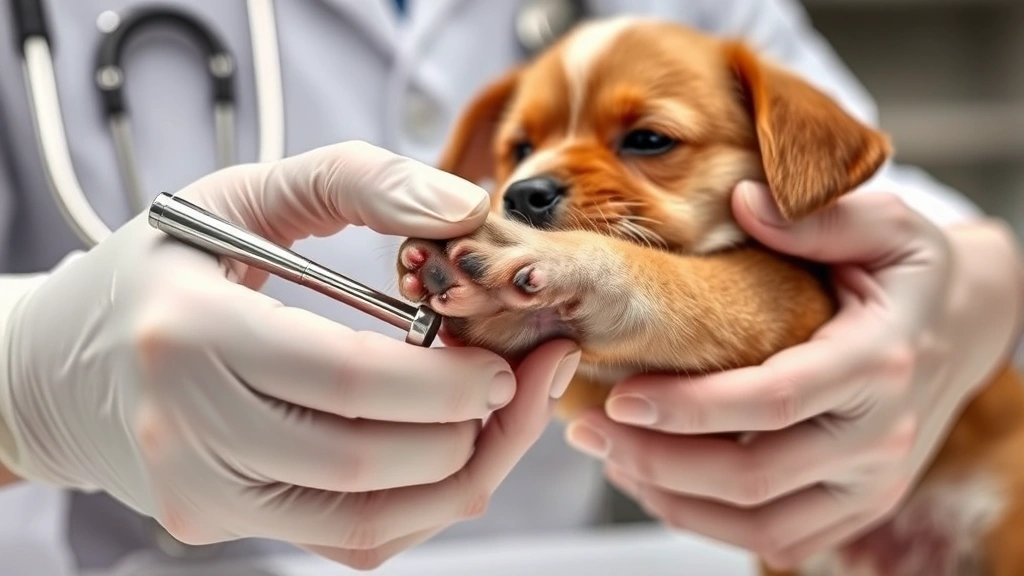
Your vet can perform a physical examination, take skin samples if needed, and run tests to identify the underlying cause. Early intervention can prevent the problem from getting worse and can save your dog a lot of discomfort.
Don’t wait too long if you suspect an infection—secondary bacterial or yeast infections can become serious and might require antibiotics or antifungal medications. The longer they go untreated, the more resistant they can become and the harder they are to treat.
Frequently Asked Questions
Is it normal for dogs to chew their paws?
Occasional paw chewing is normal, especially when dogs are grooming themselves or if they have an itch. However, frequent, intense, or compulsive paw chewing is not normal and usually indicates an underlying issue that needs attention.
How can I tell if my dog’s paw chewing is a medical issue or behavioral?
Medical issues tend to be persistent and often accompanied by other symptoms like redness, swelling, or discharge. Behavioral issues might be more situational—happening during specific times or in response to certain triggers. However, the best way to determine the cause is to consult with your veterinarian.
Can I treat paw chewing at home?
Some mild cases might improve with home care, such as keeping paws clean and dry, using moisturizing treatments for dry skin, or increasing exercise for boredom-related chewing. However, if the chewing persists or if there are signs of infection, professional veterinary care is necessary.
What are the best home remedies for dog paw chewing?
Common home remedies include oatmeal baths for soothing irritated skin, apple cider vinegar soaks for yeast infections (though this should be discussed with your vet first), and increased exercise and mental enrichment for boredom-related chewing. However, these should complement, not replace, professional veterinary care when needed.
How long does it take to resolve paw chewing?
This depends entirely on the underlying cause and how quickly it’s identified and treated. Parasite-related chewing might improve within days of starting treatment, while allergy-related issues might take weeks or months to fully resolve, especially if you’re doing an elimination diet.
Can paw chewing lead to serious complications?
Yes, if left untreated, excessive paw chewing can lead to open wounds, infections, and in some cases, permanent damage to the paw pads or nails. Secondary infections can also develop and become more difficult to treat the longer they persist.
Are certain dog breeds more prone to paw chewing?
Some breeds are more prone to allergies (like Bulldogs and Golden Retrievers), while others are more prone to anxiety-related behaviors. However, any dog can develop paw chewing issues regardless of breed.
Should I use a cone or e-collar to stop my dog from chewing their paws?
While a cone might prevent immediate damage, it’s only a temporary solution that doesn’t address the underlying cause. It’s better to work with your vet to identify and treat the root problem while using other management strategies.





