
Why Does My Dog Burp So Much? Causes Explained
If you’ve noticed your furry best friend letting out frequent burps, you’re not alone. Many dog owners find themselves wondering what’s behind all those little toots coming from their pup’s mouth. While the occasional burp is completely normal—after all, dogs eat quickly and swallow air just like we do—excessive burping can sometimes signal underlying issues worth investigating. Understanding what causes canine burping can help you determine whether your dog needs a vet visit or if it’s simply a quirky habit.
Burping in dogs, technically called eructation, happens when gas builds up in the stomach and needs to escape. Some burps are just your dog’s way of digesting their dinner, but when burping becomes frequent or accompanied by other symptoms, it’s time to pay attention. The good news? Most causes are easily manageable once you understand what’s going on under the hood.
Let’s dive into the fascinating world of canine digestion and explore why your dog might be burping more than usual. By the end of this guide, you’ll have a solid understanding of when burping is normal and when it warrants a call to your veterinarian.
Is Burping Normal in Dogs?
Absolutely! Just like humans, dogs burp as a natural part of their digestive process. When your dog eats, swallows, or drinks, they inevitably take in some air along with their food or water. This air needs to escape somewhere, and burping is the body’s way of releasing that excess gas from the stomach. Think of it as your dog’s version of a satisfied sigh after a good meal.
The occasional burp from your pup is nothing to worry about. In fact, it’s a sign that their digestive system is working as intended. However, the frequency and circumstances matter. A burp here and there throughout the day is completely normal. But if you’re noticing your dog burps constantly, multiple times per hour, or if the burping is accompanied by other symptoms like vomiting, diarrhea, or lethargy, that’s when you should start investigating.
According to the American Kennel Club, understanding your dog’s normal behavior patterns is the first step in identifying potential health issues. What’s normal for one dog might be excessive for another, so it’s important to establish a baseline for your individual pet.
Eating Habits and Speed
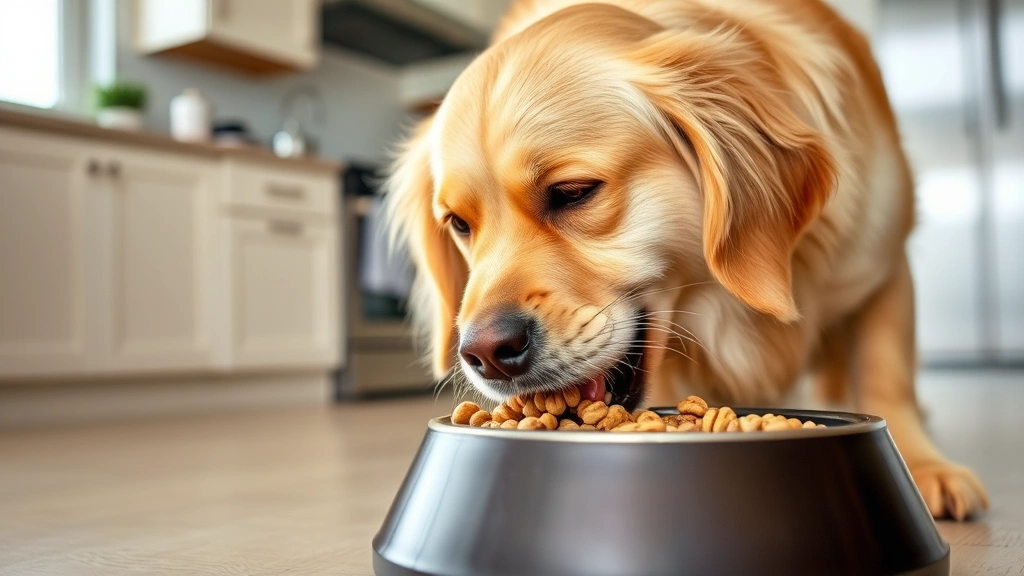
One of the most common reasons dogs burp excessively is because they eat too quickly. Some dogs approach their food bowl like it’s going to disappear if they don’t finish in record time. This rapid eating habit, sometimes called “speed eating,” causes dogs to gulp down large amounts of food along with significant amounts of air. All that extra air in the stomach naturally needs to escape, resulting in more frequent burping.
Speed eating isn’t just a burping problem—it can lead to more serious issues. When dogs eat too fast, they’re at increased risk for bloat, a potentially life-threatening condition where the stomach fills with gas and can twist on itself. Additionally, rapid eating can lead to indigestion and poor nutrient absorption.
Several factors contribute to speed eating in dogs:
- Competition anxiety: If your dog has a history of food scarcity or lives in a multi-dog household, they might feel the need to eat quickly to protect their meal
- Breed predisposition: Larger breeds and some working dog breeds tend to eat faster than smaller breeds
- Excitement: Some dogs simply get excited about mealtime and lose their manners
- Boredom: A dog who isn’t mentally stimulated might eat quickly out of habit
If your dog is a speed eater, consider using solutions to help with gas, including slow-feeder bowls designed with obstacles to force your dog to eat more deliberately. You can also try feeding smaller portions more frequently throughout the day.

Diet Quality and Food Composition
The type of food you’re feeding your dog plays a significant role in how much gas they produce and, consequently, how much they burp. Low-quality commercial dog foods often contain fillers, artificial ingredients, and hard-to-digest components that can increase gas production in the digestive tract.
Certain ingredients are notorious for causing gas in dogs:
- High fiber content: While some fiber is healthy, excessive fiber can ferment in the colon and produce gas
- Corn and wheat: These grains are common allergens and can be difficult for some dogs to digest properly
- Soy products: Known to cause bloating and gas in many dogs
- Low-quality proteins: Harder to digest than high-quality meat proteins
- Artificial additives: Preservatives, colorings, and flavorings can upset sensitive stomachs
The composition of your dog’s meals matters too. Meals that are too high in fat or contain ingredients your individual dog can’t tolerate will increase fermentation in the gut, leading to more gas production. If you’ve recently switched your dog’s food and noticed an increase in burping, that’s likely the culprit.
Consider consulting with your veterinarian about whether your current food is appropriate for your dog’s age, size, and health status. Sometimes, a switch to a higher quality diet can dramatically reduce excessive burping. Look for foods with named meat sources as the first ingredient and minimal fillers.
Digestive Issues and Gas
Burping is often just the visible symptom of a larger digestive issue. When your dog has digestive problems, their gut bacteria can ferment undigested food, producing excess gas. This gas needs to escape, and it does so through burping, flatulence, or both.
Common digestive issues in dogs include:
- Food sensitivities and allergies: These prevent proper nutrient absorption and increase gas production
- Dysbiosis: An imbalance in gut bacteria that affects digestion efficiency
- Inflammatory bowel disease: Chronic inflammation in the digestive tract
- Malabsorption: The inability to properly absorb nutrients from food
- Small intestinal bacterial overgrowth (SIBO): Excessive bacteria in the small intestine
If your dog’s excessive burping is accompanied by other digestive symptoms like loose stools or diarrhea, it’s worth investigating further. Your veterinarian can perform tests to identify specific digestive issues and recommend appropriate treatment or dietary changes.
The ASPCA recommends monitoring your dog’s overall digestive health as part of routine pet care. Keeping a food and symptom diary can help you identify patterns and potential food triggers.

Underlying Health Conditions
While most burping is benign, excessive burping can occasionally indicate underlying health conditions that warrant veterinary attention. Several medical issues can cause increased gas production and burping in dogs.
Gastroesophageal reflux disease (GERD) causes stomach acid to back up into the esophagus, and dogs with GERD often burp frequently. This condition can be uncomfortable and may require medication to manage.
Pancreatitis, inflammation of the pancreas, can disrupt normal digestion and lead to increased gas production. This is a more serious condition that requires veterinary care and often dietary modification.
Exocrine pancreatic insufficiency (EPI) occurs when the pancreas doesn’t produce enough digestive enzymes. Dogs with EPI have difficulty digesting food, leading to fermentation, gas, and excessive burping. Fortunately, EPI is manageable with enzyme supplements.
Additionally, stomach gurgling and gas can indicate gastric upset or more serious conditions. Certain medications can also increase gas production as a side effect.
Older dogs and certain breeds are more prone to digestive issues. Brachycephalic breeds (flat-faced dogs like Bulldogs and Pugs) often swallow more air due to their facial structure, leading to increased burping and flatulence.
If your dog has a history of digestive issues or is on medication, discuss potential side effects with your veterinarian. They can determine whether the burping is a harmless side effect or a sign of something requiring treatment.
When Should You Be Concerned?
Knowing when burping is just a quirk versus when it signals a problem is crucial for responsible pet ownership. Here are red flags that warrant a veterinary visit:
- Frequency: Burping multiple times per hour or constantly throughout the day
- Accompanied symptoms: Burping combined with vomiting, diarrhea, constipation, or loss of appetite
- Behavioral changes: Lethargy, depression, or reluctance to play or eat
- Abdominal distension: A visibly bloated or hard abdomen
- Excessive drooling: Combined with burping might indicate nausea or reflux
- Sudden onset: A sudden increase in burping after a period of normalcy
- Weight loss: Unexplained weight loss combined with digestive symptoms
- Odorous burps: Foul-smelling burps might indicate digestive fermentation or dental issues
If you notice any of these concerning signs, schedule an appointment with your veterinarian. They can perform a physical examination, ask detailed questions about your dog’s diet and symptoms, and run diagnostic tests if necessary. Early intervention can prevent minor issues from becoming major problems.
Trust your instincts. You know your dog better than anyone. If something feels off, it’s always better to err on the side of caution and get professional advice. Your vet won’t mind checking out a false alarm, and it could catch a real problem early.
Solutions and Prevention Strategies
Once you’ve identified why your dog burps excessively, you can implement strategies to reduce it. The approach depends on the underlying cause.
Feeding management: If speed eating is the culprit, slow-feeder bowls, puzzle feeders, or elevated bowls can help your dog eat more mindfully. Try feeding smaller portions more frequently rather than one large meal. Hand-feeding occasionally can also help your dog slow down and be more conscious of their eating.
Dietary adjustments: Switch to a higher-quality food with easily digestible ingredients. Consider dietary modifications for digestive health, such as adding probiotics or digestive enzymes. Some dogs benefit from a limited ingredient diet to identify food sensitivities. Always transition to new food gradually over 7-10 days to avoid digestive upset.
Exercise and activity: Regular physical activity helps stimulate healthy digestion. Aim for daily walks and playtime appropriate to your dog’s age and fitness level. Exercise after meals can sometimes help with gas movement through the digestive tract, though avoid vigorous exercise immediately after eating.
Supplements and probiotics: Probiotics can help balance gut bacteria and improve digestion. Digestive enzyme supplements can aid dogs with EPI or other digestive insufficiencies. Always consult your veterinarian before starting supplements to ensure they’re appropriate for your dog.
Medical treatment: If your dog has an underlying health condition causing the burping, your veterinarian will recommend appropriate treatment. This might include medications, prescription diets, or enzyme supplements depending on the diagnosis.
Environmental factors: Reduce stress, which can affect digestion. Provide a calm eating environment away from other pets if your dog is competitive about food. Keep your dog hydrated with fresh water, as dehydration can affect digestive function.
Monitor your dog’s response to changes over 2-4 weeks. Some interventions work quickly, while others take time to show results. Keep detailed notes about what you’ve changed and any improvements you notice.
Frequently Asked Questions
Is it normal for dogs to burp?
Yes, occasional burping is completely normal in dogs. It’s a natural part of digestion as their body releases excess gas from the stomach. However, constant or excessive burping might indicate an underlying issue worth investigating.
What’s the difference between burping and vomiting in dogs?
Burping is the release of gas from the stomach through the mouth, often without much effort or discomfort. Vomiting is the forceful expulsion of stomach contents and is usually accompanied by retching or gagging. If your dog is vomiting frequently, contact your veterinarian immediately.
Can dog food cause excessive burping?
Absolutely. Low-quality foods with fillers, corn, wheat, or ingredients your dog can’t digest properly will increase gas production and burping. Switching to a higher-quality, more digestible food often reduces excessive burping.
Does bloat always involve burping?
Bloat (gastric dilatation-volvulus) is a serious emergency condition, but it doesn’t always present with burping. Bloat symptoms include a distended abdomen, restlessness, excessive drooling, and signs of pain. If you suspect bloat, seek emergency veterinary care immediately. This is different from normal burping and requires immediate attention.
Can anxiety cause excessive burping in dogs?
Yes, anxiety and stress can affect digestion and increase gas production, leading to more burping. Anxious dogs might also eat too quickly, compounding the problem. Addressing anxiety through training, exercise, and environmental management can help reduce stress-related burping.
When should I take my dog to the vet for burping?
Schedule a vet visit if your dog burps excessively, if burping is sudden and new, or if it’s accompanied by other symptoms like vomiting, diarrhea, lethargy, or loss of appetite. Also seek veterinary care if you notice unusual panting or other respiratory changes along with burping.
Are certain dog breeds more prone to burping?
Yes, brachycephalic breeds (flat-faced dogs) like Bulldogs, Pugs, and Shih Tzus tend to burp and pass gas more frequently due to their facial structure, which causes them to swallow more air. Larger breeds also tend to eat faster and burp more than smaller breeds.
Can probiotics help reduce dog burping?
Probiotics can help balance gut bacteria and improve digestion in some dogs, potentially reducing gas production and burping. However, they’re not a cure-all. Consult your veterinarian about whether probiotics are appropriate for your specific dog and situation.
Is there a specific dog food that reduces burping?
There’s no one-size-fits-all answer, as different dogs have different sensitivities. However, high-quality foods with named meat sources, minimal fillers, and easily digestible ingredients tend to produce less gas. Limited ingredient diets can help identify food sensitivities causing excessive burping.
How long does it take to see improvements after dietary changes?
Most dogs show some improvement within 2-4 weeks of dietary changes, though some take longer. Always transition new food gradually over 7-10 days. Keep detailed notes about your dog’s symptoms to track progress and identify patterns.





