
Why Does My Dog Get Hiccups? Causes Explained
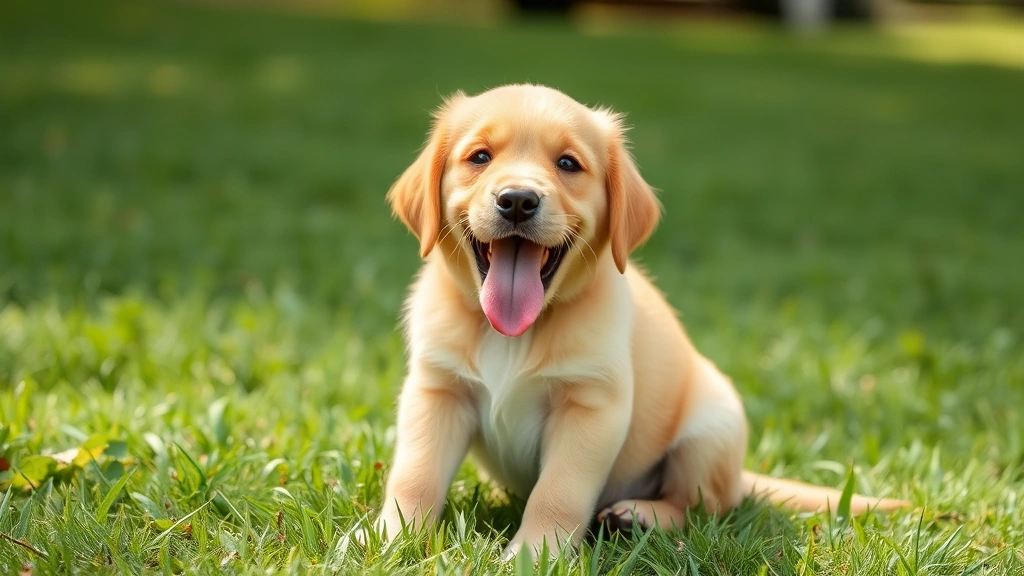
If you’ve ever heard that distinctive hic-hic-hic sound coming from your furry best friend, you might have wondered: can dogs actually get hiccups? The answer is a resounding yes! Just like humans, dogs experience hiccups, and while they’re usually nothing to worry about, understanding what causes them can help you be a better pet parent. Those adorable little involuntary spasms are actually quite common in our canine companions, especially in puppies and younger dogs.
Hiccups in dogs are caused by sudden, involuntary contractions of the diaphragm—the muscle responsible for controlling breathing. When this muscle contracts unexpectedly, it causes your pup’s vocal cords to snap shut briefly, creating that characteristic hiccup sound. The good news? Most dog hiccups are completely harmless and typically resolve on their own within minutes. However, knowing the reasons behind them can help you determine when they’re just a normal quirk and when they might warrant a call to your veterinarian.
In this comprehensive guide, we’ll explore everything you need to know about canine hiccups, from what triggers them to when you should be concerned. Whether you’re a new dog owner or a seasoned pet enthusiast, understanding this common phenomenon will give you peace of mind and help you care for your four-legged friend more effectively.
What Are Hiccups in Dogs?
Hiccups are involuntary muscular spasms that occur in the diaphragm, which is the primary muscle dogs use for breathing. When this muscle contracts suddenly and unexpectedly, it causes a reflex that creates the characteristic hiccup sound. In dogs, hiccups manifest similarly to how they appear in humans—as repetitive, rhythmic sounds that can last anywhere from a few seconds to several minutes.
The scientific explanation behind hiccups in dogs involves the phrenic nerve, which controls diaphragmatic function. When this nerve becomes irritated or stimulated, it triggers these involuntary contractions. Interestingly, hiccups serve no known biological purpose in either humans or dogs, making them more of an evolutionary quirk than a necessary bodily function.
Most dog owners find their pets’ hiccups rather endearing, and for good reason—they’re typically completely harmless. However, it’s worth understanding that dogs can definitely get hiccups just like we do, and recognizing the difference between normal hiccups and other respiratory issues is important for your pet’s health.
Common Causes of Canine Hiccups
Understanding what triggers hiccups in your dog can help you recognize when they’re experiencing this benign phenomenon. Several factors commonly contribute to hiccup episodes in our furry companions.
Eating Too Quickly
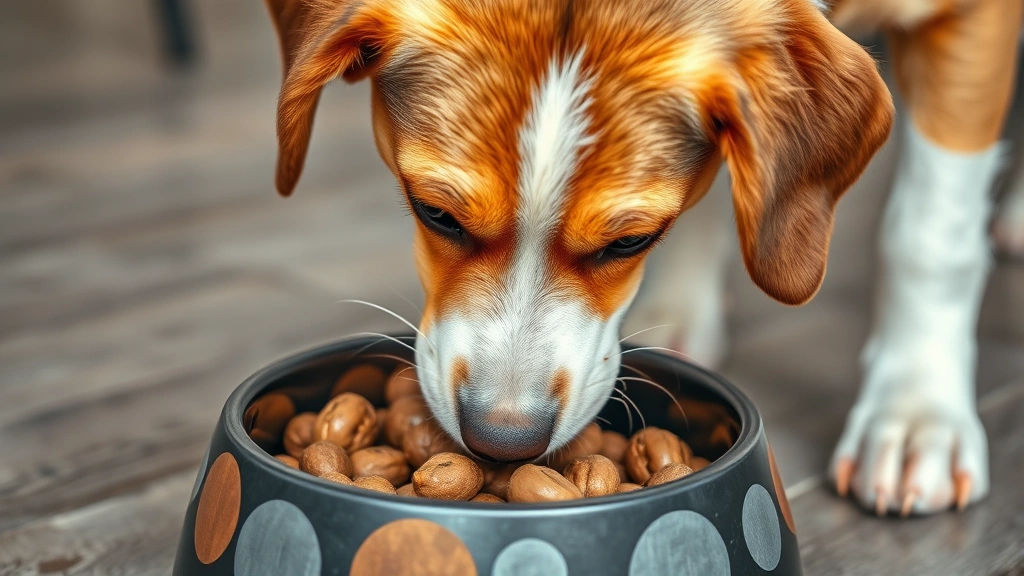
One of the most common culprits behind dog hiccups is rapid eating. When dogs consume their food too quickly, they can swallow air along with their kibble, which irritates the diaphragm and triggers hiccups. This is especially true for enthusiastic eaters or dogs who feel competitive during mealtimes. If your pup tends to wolf down their food, consider using a slow feeder bowl or dividing their meals into smaller portions throughout the day.
Excitement and Sudden Temperature Changes
Dogs can develop hiccups when they’re overly excited or energetic. Playful puppies and enthusiastic adult dogs often experience hiccups after vigorous play sessions. Additionally, sudden changes in temperature—such as drinking ice-cold water on a hot day or going from a warm room to cold outdoor air—can trigger diaphragmatic spasms in dogs.
Gastrointestinal Issues
When your dog’s digestive system is irritated, it can trigger hiccups as a secondary symptom. Eating too much, consuming something they shouldn’t, or having a sensitive stomach can all lead to hiccup episodes. If your dog is experiencing frequent hiccups accompanied by other digestive symptoms, you might want to consider what you can give your dog for an upset stomach and consult your veterinarian.
Swallowing Foreign Objects or Irritants
Sometimes dogs inhale or swallow small objects or irritants that tickle the throat or esophagus, causing hiccups. This can include dust, pollen, or small food particles. While usually harmless, persistent hiccups from this cause should be monitored to ensure nothing is lodged in your dog’s airway.
Stress and Anxiety
Just like humans, dogs can experience hiccups when stressed or anxious. Changes in their environment, introduction of new people or pets, or separation anxiety can all trigger these involuntary spasms. Creating a calm, secure environment for your pup can help minimize stress-related hiccups.
Why Puppies Get Hiccups More Often
If you’ve noticed that your puppy seems to hiccup more frequently than adult dogs, you’re not imagining things. Puppies are notorious hiccup machines, and there are several reasons for this developmental phenomenon.
Puppies have less developed nervous systems than adult dogs, which makes their diaphragms more easily irritated. Their rapid growth and development means their bodies are constantly adapting to new stimulations. Additionally, puppies are typically more excitable and energetic, which can trigger hiccup episodes more frequently than in calm adult dogs.
The good news is that puppy hiccups are almost always completely harmless. As your puppy matures and their nervous system develops more fully, hiccup episodes typically become less frequent. Most veterinarians agree that occasional hiccups in puppies are a normal part of their development and nothing to be concerned about.
When Should You Be Concerned?
While most hiccups are harmless, there are certain situations where you should pay closer attention or contact your veterinarian. Understanding the difference between normal hiccups and signs of a potential problem is crucial for responsible pet ownership.
If your dog’s hiccups persist for more than a few hours without stopping, this could indicate an underlying issue that warrants veterinary attention. Similarly, if hiccups are accompanied by other symptoms such as coughing, difficulty breathing, lethargy, or loss of appetite, these could be signs of a more serious condition.
It’s also important to distinguish between hiccups and other respiratory issues. Excessive panting in dogs or persistent coughing are different from hiccups and may indicate conditions that require veterinary evaluation. Additionally, rapid breathing in dogs could suggest anxiety, overheating, or medical issues rather than simple hiccups.
According to the American Kennel Club, if your dog experiences prolonged hiccups lasting several hours or hiccups that recur multiple times daily over several days, it’s worth scheduling a veterinary checkup to rule out underlying health concerns.
How to Help Your Dog Stop Hiccupping
While hiccups typically resolve on their own, there are several gentle techniques you can try to help your pup feel more comfortable and potentially speed up the process.
Stay Calm and Patient
The most important thing you can do is remain calm. Your dog will pick up on your energy, and if you seem worried, it may increase their anxiety and prolong the hiccups. Most hiccup episodes resolve naturally within a few minutes, so patience is your best tool.
Gentle Distraction
Sometimes a gentle distraction can help interrupt the hiccup cycle. Try engaging your dog in a calm activity like a short walk, some gentle petting, or a quiet play session. The change of focus and activity level may help reset their diaphragm.
Offer Water or a Treat
Encouraging your dog to drink water or eat a small treat can sometimes interrupt hiccups by changing their swallowing pattern. However, avoid giving large amounts of food or water, as this could exacerbate the issue if overeating was the initial cause.
Massage and Relaxation
Gentle massage of your dog’s chest and throat area may help relax the diaphragm. Use slow, soothing motions and speak in a calm voice to help your pup relax. This gentle approach often works well for anxiety-related hiccups.
Temperature Adjustment
If your dog got hiccups from a sudden temperature change, try gradually adjusting their environment. Move them to a more moderate temperature area and allow them to acclimate slowly. Avoid exposing them to extreme temperature fluctuations.
Related Respiratory Conditions
While hiccups are usually benign, it’s helpful to understand how they differ from other respiratory conditions that might affect your dog. Being able to distinguish between various sounds and symptoms will make you a more informed pet owner.
Reverse sneezing is often confused with hiccups, but it’s actually a different phenomenon where dogs rapidly inhale through their nose, creating a distinctive snorting sound. Unlike hiccups, reverse sneezing is usually a response to throat irritation or nasal passages being tickled. The ASPCA notes that while reverse sneezing is generally harmless, frequent episodes warrant veterinary attention.
Coughing, on the other hand, is a more forceful expulsion of air and often indicates irritation in the respiratory tract or lungs. If your dog is coughing regularly, this is different from hiccups and should be evaluated by your veterinarian.
Wheezing in dogs can sound somewhat similar to hiccups but is typically a sign of airway obstruction or respiratory disease. Unlike the rhythmic, harmless nature of hiccups, wheezing requires professional evaluation.
Prevention Tips
While you can’t completely prevent hiccups in dogs, there are several strategies that can reduce their frequency and severity.
- Use a slow feeder bowl: Specially designed bowls with obstacles force your dog to eat more slowly, reducing the amount of air they swallow during meals.
- Feed smaller, more frequent meals: Instead of one large meal, divide your dog’s daily food into two or three smaller portions to reduce the risk of rapid eating and hiccups.
- Maintain a calm environment: Minimize sudden changes and stressful situations that might trigger excitement-related hiccups.
- Avoid extreme temperature changes: Gradually acclimate your dog to temperature transitions rather than moving them suddenly from hot to cold environments.
- Provide adequate hydration: Ensure your dog has access to fresh water at appropriate temperatures throughout the day.
- Exercise regularly: Regular, moderate exercise helps maintain a healthy respiratory system and can reduce the frequency of hiccup episodes.
- Monitor for underlying issues: If your dog seems to have persistent hiccups related to digestive issues, address any behavioral or health concerns with your veterinarian.
According to UC Davis School of Veterinary Medicine, maintaining consistent feeding schedules and environmental conditions can significantly reduce the incidence of hiccups in dogs.
Frequently Asked Questions
Are hiccups dangerous for dogs?
No, hiccups are not dangerous for dogs in the vast majority of cases. They’re a normal, harmless physiological response. However, if hiccups persist for several hours or are accompanied by other symptoms, veterinary evaluation is recommended.
How long do dog hiccups typically last?
Most dog hiccups last anywhere from a few seconds to several minutes. Rarely, they might continue for 15-30 minutes. If hiccups persist for more than a few hours, contact your veterinarian.
Can I give my dog medication to stop hiccups?
No medication is necessary or recommended for normal hiccups in dogs. They resolve naturally on their own. Only in extremely rare cases of persistent hiccups would a veterinarian consider any intervention.
Why do puppies hiccup more than adult dogs?
Puppies have less developed nervous systems and are generally more excitable than adult dogs. This makes their diaphragms more easily irritated, leading to more frequent hiccup episodes. This typically decreases as puppies mature.
Should I be concerned if my dog hiccups after eating?
Hiccups after eating are quite normal, especially if your dog ate quickly. This is one of the most common times for hiccups to occur. However, if your dog consistently hiccups after meals, consider using a slow feeder bowl.
Can stress cause hiccups in dogs?
Yes, stress and anxiety can trigger hiccups in dogs. If you notice your dog hiccupping during stressful situations, creating a calmer environment and providing reassurance may help.
When should I call my veterinarian about hiccups?
Contact your veterinarian if hiccups persist for more than a few hours, occur multiple times daily over several days, or are accompanied by other symptoms like coughing, difficulty breathing, lethargy, or loss of appetite.
Is there a difference between dog hiccups and reverse sneezing?
Yes, they’re different. Hiccups are involuntary diaphragm contractions that produce characteristic sounds. Reverse sneezing is a rapid inhalation through the nose that creates a snorting sound. Both are usually harmless but indicate different physiological responses.
According to Merck Veterinary Manual, understanding these distinctions helps pet owners provide appropriate care and know when professional evaluation is necessary.





