

Why Does My Dog Keep Shaking? Causes Explained
If you’ve noticed your furry best friend trembling like a leaf in the wind, you’re definitely not alone in your concern. Dog shaking is one of the most common questions pet parents bring to their veterinarians, and for good reason—it can indicate anything from a simple case of the chills to something more serious requiring medical attention. The good news? Most causes are entirely manageable once you understand what’s triggering those involuntary muscle contractions.
Your pup’s body communicates through various signals, and shaking is just one of them. Unlike humans who can tell us exactly what’s wrong, dogs rely on physical symptoms to express discomfort, fear, or medical issues. Understanding the root cause of your dog’s shaking is the first step toward helping them feel their best and ensuring their long-term health and happiness.
In this comprehensive guide, we’ll explore the most common reasons why your dog might be shaking, when it’s cause for concern, and what you can do about it. Whether your pup is a tiny Chihuahua prone to tremors or a large breed experiencing occasional shivering, this article will help you decode what’s really going on.
Cold Temperature and Weather
One of the most straightforward reasons your dog keeps shaking is simply that they’re cold. Just like humans shiver when the temperature drops, dogs experience the same physiological response to maintain their body heat. This involuntary muscle contraction generates warmth and helps regulate their core temperature.
Certain breeds are more susceptible to feeling chilly than others. Small breeds, dogs with thin coats, senior dogs, and those with low body fat are particularly prone to shivering in cool weather. If you have a short-haired Greyhound or a delicate Italian Greyhound, you’ve probably noticed they’re quick to seek warmth during colder months.
Understanding how to tell if a dog is cold goes beyond just observing shaking. Other signs include seeking warm spots, reluctance to go outside, curling into a ball, and holding their paws up off the ground. If your dog exhibits these behaviors, it’s time to bundle them up or limit their outdoor exposure during frigid weather.
The solution is simple: provide adequate protection. Dog sweaters, coats, and booties aren’t just fashion statements—they’re practical gear that keeps your pup comfortable and safe. Even a quick trip outside for bathroom breaks can be uncomfortable for cold-sensitive dogs during winter months.
Anxiety, Fear, and Stress
Beyond physical causes, emotional factors play a significant role in why your dog might be shaking. Dogs experiencing anxiety, fear, or stress often display trembling as a visible manifestation of their inner turmoil. This is particularly common during thunderstorms, fireworks, veterinary visits, or significant changes in their environment.
When a dog feels threatened or anxious, their body enters a fight-or-flight response, flooding their system with adrenaline. This surge of stress hormones can cause visible shaking and other anxiety symptoms like panting, pacing, and excessive drooling. If your pup starts shaking and panting, anxiety might be the culprit.
Some dogs are naturally more anxious than others, and certain situations consistently trigger their stress response. Moving to a new home, introducing a new pet, or even changes in your daily routine can upset your dog’s equilibrium. The key is recognizing these triggers and implementing strategies to help your dog feel secure.

Creating a safe space for your anxious dog is crucial. This might be a designated corner with their favorite bed, toys, and perhaps an article of your clothing that carries your scent. During stressful events like thunderstorms, close windows and curtains to muffle noise, keep the lights on, and stay calm yourself—dogs often mirror their owner’s emotional state.
For severe anxiety cases, your veterinarian might recommend calming supplements, anxiety wraps, or in some cases, prescription medications. Dogs acting weird due to anxiety often benefit from consistent training, positive reinforcement, and sometimes professional help from a certified dog behaviorist.
Medical Conditions and Illness
While cold and anxiety account for many shaking episodes, medical conditions are another significant category to consider. Shaking can be a symptom of various health issues ranging from minor to serious, which is why it’s important to monitor the frequency, duration, and any accompanying symptoms.
Tremor syndromes are a group of neurological conditions that cause involuntary shaking, often in specific breeds. Some dogs are genetically predisposed to generalized tremor syndrome, which causes whole-body shaking that may worsen with stress or excitement. While often not life-threatening, these conditions require veterinary diagnosis and management.
Pain is another common cause of shaking in dogs. If your dog is experiencing joint pain from arthritis, muscle strains, or injuries, they might tremble as a response to discomfort. Older dogs particularly struggle with arthritis-related pain, which can manifest as shaking, reluctance to move, or difficulty climbing stairs.
Infection and fever can also trigger shaking. When dogs develop infections—whether bacterial, viral, or fungal—their bodies may respond with tremors as part of the fever response. If your dog’s shaking is accompanied by lethargy, loss of appetite, or a warm nose, fever might be involved.
Toxin exposure is a serious concern that can cause shaking and other neurological symptoms. Certain foods, plants, medications, and household chemicals are toxic to dogs. Chocolate, xylitol, grapes, and onions are common household items that can poison your dog. If you suspect toxin ingestion, seek immediate veterinary care.
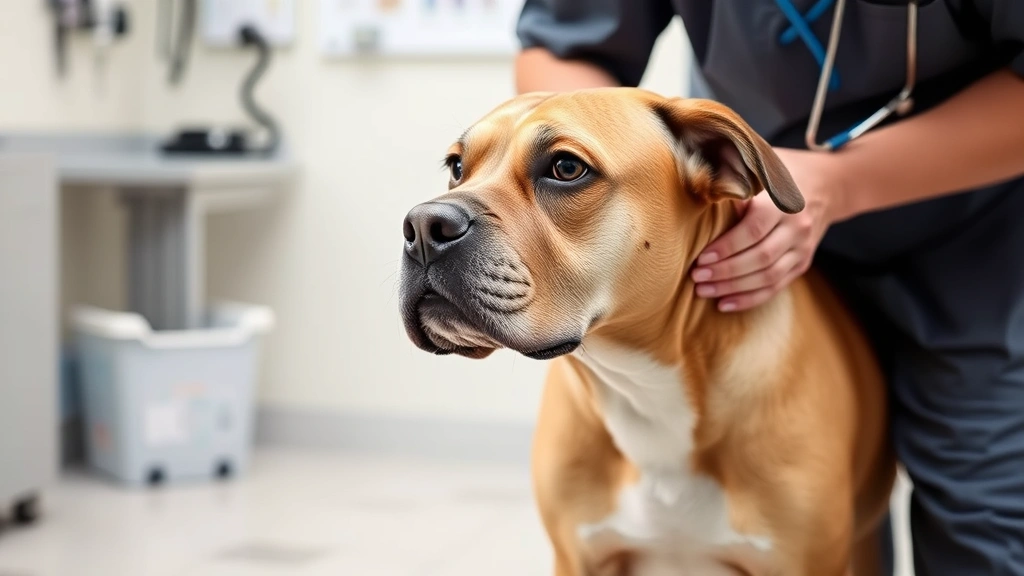
Hypoglycemia, or low blood sugar, is particularly concerning in small breed puppies and senior dogs. This condition can cause shaking, weakness, seizures, and loss of consciousness. Feeding frequent small meals and monitoring your dog’s eating habits is essential for prevention.
Ear infections and other localized issues can cause dogs to shake their head persistently. This type of shaking is often accompanied by scratching, head tilting, and sometimes discharge or odor from the ears.
Age-Related Shaking
As dogs age, shaking becomes increasingly common for various reasons. Senior dogs experience natural changes in their nervous and musculoskeletal systems that can result in tremors. Understanding age-related shaking helps you distinguish between normal aging and conditions requiring veterinary intervention.
Cognitive dysfunction syndrome, sometimes called canine dementia, can cause shaking in senior dogs. This condition affects brain function and may be accompanied by confusion, disorientation, changes in sleep patterns, and behavioral changes. While there’s no cure, medications and supplements can help manage symptoms.
Muscle weakness and loss of muscle mass are natural consequences of aging. As dogs lose muscle tone, they may shake more easily, particularly when standing or walking. This is especially noticeable in large breed dogs that are already prone to joint and muscle issues.
Senior dogs also have decreased ability to regulate body temperature, making why your dog is shivering more frequent in older pups. They may need additional blankets, sweaters, and warmer sleeping areas than they did in their younger years.
Medication side effects can also contribute to shaking in older dogs. Many medications prescribed for senior dogs—including some pain relievers and heart medications—can have tremors as a side effect. Always discuss potential side effects with your veterinarian when starting new medications.
Excitement and Joy
Not all shaking is a sign of distress! Sometimes your dog’s trembling is simply an expression of pure joy and excitement. When dogs get thrilled about going for a walk, seeing their favorite person, or anticipating a meal, their entire body can quiver with enthusiasm.
This type of shaking is usually accompanied by a wagging tail, play bows, jumping, and overall happy body language. It’s one of the most delightful reasons your dog might be shaking, and it’s nothing to worry about. In fact, it’s a sign of a healthy, emotionally engaged pup.
Puppies, in particular, often shake with excitement. Their little bodies can barely contain their enthusiasm, and the trembling is a natural outlet for all that pent-up energy and joy. As dogs mature, they typically learn to contain their excitement more, but many maintain this adorable trait throughout their lives.
When to Worry and Seek Veterinary Care
While many causes of shaking are benign, certain situations warrant immediate veterinary attention. Knowing when to worry is crucial for your dog’s health and safety. Contact your veterinarian if your dog’s shaking is accompanied by any of the following symptoms:
- Seizure activity: Uncontrolled shaking, loss of consciousness, or rigid muscles indicate seizures requiring emergency care
- Severe lethargy: Extreme fatigue combined with shaking suggests serious illness
- Loss of appetite: Refusing food alongside tremors indicates possible systemic illness
- Vomiting or diarrhea: Gastrointestinal symptoms with shaking may indicate poisoning or infection
- Difficulty breathing: Labored breathing with tremors is a medical emergency
- Sudden onset: Abrupt shaking that appears without warning needs evaluation
- Persistence: Continuous shaking lasting more than a few hours warrants veterinary assessment
- Behavioral changes: Aggression, confusion, or personality shifts accompanying shaking are concerning
Additionally, if your dog is a small breed prone to hypoglycemia, or if you suspect toxin ingestion, seek immediate veterinary care. These situations can deteriorate rapidly and require prompt intervention.
What You Can Do at Home
Once you’ve ruled out serious medical conditions with your veterinarian, there are several strategies to help manage your dog’s shaking at home. These approaches focus on comfort, safety, and emotional support.
Temperature management: Ensure your dog has access to warm blankets, sweaters, and cozy sleeping areas. During cold weather, limit outdoor exposure and provide protection during walks. Consider heated dog beds for senior dogs or cold-sensitive breeds.
Anxiety reduction: Create a calm environment with soft lighting, gentle music, and minimal stress triggers. Practice desensitization to common anxiety triggers like thunderstorms or fireworks. Positive reinforcement training can help your dog feel more confident.
Exercise and enrichment: Regular physical activity helps burn nervous energy and promotes overall wellness. Mental stimulation through puzzle toys and training sessions also helps manage anxiety-related shaking.
Nutritional support: Ensure your dog receives a balanced, high-quality diet appropriate for their age and health status. Proper nutrition supports immune function and overall health. For senior dogs or those with joint issues, supplements like glucosamine and omega-3 fatty acids may help.
Consistent routine: Dogs thrive on predictability. Maintaining consistent feeding times, exercise schedules, and bedtime routines helps reduce anxiety and stress-related shaking.
Veterinary follow-ups: Regular check-ups help catch health issues early. Discuss any shaking episodes with your vet to ensure you’re addressing underlying causes appropriately.
For anxiety-related shaking, consider consulting with a certified animal behaviorist through the ASPCA, who can provide professional guidance tailored to your dog’s specific needs.
Frequently Asked Questions
Is shaking always a sign of something serious?
No, shaking isn’t always serious. Many causes are benign, including cold, excitement, and normal aging. However, persistent shaking or shaking accompanied by other symptoms warrants veterinary evaluation to rule out medical conditions.
Can small dogs shake more than large dogs?
Yes, small breeds typically shake more frequently than large breeds. They have less body mass to retain heat, are more prone to anxiety, and are genetically predisposed to certain tremor conditions. Breeds like Chihuahuas and Toy Poodles are particularly prone to shaking.
Should I be concerned if my dog shakes while sleeping?
Light twitching or paddling movements during sleep are normal and usually indicate dreaming. However, severe, prolonged shaking during sleep warrants veterinary attention, as it could indicate seizure activity or other neurological issues.
How can I tell if my dog’s shaking is from cold versus anxiety?
Cold-related shaking typically occurs in cool environments and is accompanied by seeking warmth. Anxiety-related shaking often includes panting, pacing, and visible signs of stress. Cold shaking usually resolves when your dog warms up, while anxiety shaking persists regardless of temperature.
Can medications help with shaking?
Depending on the cause, yes. For anxiety-related shaking, anti-anxiety medications or supplements may help. For medical conditions like pain or neurological issues, appropriate medications can reduce tremors. Always consult your veterinarian about medication options.
When should I take my dog to the emergency vet for shaking?
Seek emergency care immediately if shaking is accompanied by seizure activity, difficulty breathing, loss of consciousness, suspected toxin ingestion, or severe behavioral changes. If you’re unsure, it’s better to err on the side of caution and seek professional evaluation.
Are certain breeds more prone to shaking?
Yes, small breeds, particularly Chihuahuas, Yorkshire Terriers, and Toy Poodles, shake more frequently than larger breeds. Some breeds are also genetically predisposed to tremor syndromes. Consulting breed-specific health information with your veterinarian can provide additional insights.
Can diet affect my dog’s shaking?
Absolutely. Proper nutrition supports nervous system function and overall health. Deficiencies in certain nutrients can contribute to neurological symptoms. Additionally, hypoglycemia from inadequate feeding can cause severe shaking in susceptible dogs.





