
Why Does My Dog Poop So Much? Vet Insights
If you’ve noticed your dog making frequent trips to the backyard or producing unusually large amounts of stool, you’re not alone. Excessive pooping is one of the most common concerns veterinarians hear from dog owners, and it can range from a minor inconvenience to a sign of an underlying health issue. Understanding the reasons behind your dog’s bathroom habits is the first step toward ensuring their digestive health and overall wellbeing.
The frequency and consistency of your dog’s bowel movements can tell you a lot about their internal health. While most healthy dogs poop once or twice daily, some dogs may go three to four times per day depending on their age, diet, activity level, and individual metabolism. However, when your dog suddenly starts pooping excessively or you notice a significant change in their bathroom routine, it’s worth investigating the root cause.
In this guide, we’ll explore the most common reasons why your dog might be pooping more than usual, discuss when you should contact your veterinarian, and provide practical solutions to help regulate your dog’s digestive system.
Dietary Factors and Food Quality
One of the most common culprits behind excessive pooping is diet. The quality and composition of your dog’s food directly impacts their digestive output. Low-quality commercial dog foods often contain excessive fillers, artificial ingredients, and poorly digestible proteins that your dog’s system struggles to process efficiently. This results in more stool production as their body attempts to eliminate undigested materials.
When you feed your dog food with high fiber content or ingredients that are difficult to digest, you’ll naturally see more frequent and voluminous bowel movements. Some dogs are particularly sensitive to certain ingredients like grains, soy, or specific protein sources. If you’ve recently switched your dog’s food brand or type, the excessive pooping may be a temporary adjustment period, though it should resolve within 7-10 days if the new food is appropriate.
The amount of food you’re providing matters significantly as well. Overfeeding is a common mistake that leads to increased stool production. Your dog’s caloric needs depend on their age, size, activity level, and metabolism. Many owners inadvertently give their dogs larger portions than recommended on the food bag, leading to digestive stress and more frequent pooping.
Dietary indiscretions—when your dog eats something they shouldn’t—can also trigger excessive bowel movements. This includes table scraps, garbage, or human foods that disagree with their system. While you want to be careful about what human foods you offer, certain options like carrots are good for dogs in moderation and can actually support digestive health. However, be cautious with vegetables like broccoli, as excessive amounts can cause digestive upset. Similarly, while dogs can eat corn, it’s often used as a filler in low-quality foods and may contribute to excessive pooping.
Treats and table scraps can constitute up to 10% of your dog’s daily caloric intake without causing problems, but exceeding this threshold can lead to digestive issues. Additionally, foods that are too rich or fatty can stimulate increased bowel movements as your dog’s system works to process the excess.

Medical Conditions Behind Excessive Pooping
While dietary issues are the most common cause, several medical conditions can result in your dog pooping excessively. Inflammatory bowel disease (IBD) is one such condition, where your dog’s digestive tract becomes inflamed, leading to increased stool production and often diarrhea or loose stools. IBD requires veterinary diagnosis and management, typically involving dietary changes and sometimes medications.
Exocrine pancreatic insufficiency (EPI) is another condition where the pancreas doesn’t produce enough digestive enzymes. Dogs with EPI often have large appetites but produce excessive, often fatty stools. German Shepherds and other large breed dogs are predisposed to this condition. If you suspect EPI, your veterinarian can perform specific tests to confirm the diagnosis and prescribe enzyme supplements.
Hyperthyroidism, though less common in dogs than cats, can increase metabolism and lead to more frequent bowel movements. Senior dogs are particularly susceptible to thyroid issues. A simple blood test can determine if thyroid dysfunction is responsible for your dog’s excessive pooping.
Colitis, or inflammation of the colon, causes increased frequency of bowel movements and may result in mucus-covered or bloody stools. This condition can stem from various causes including stress, food sensitivities, or infections. Your veterinarian can recommend treatments ranging from dietary modifications to medications.
Gastroenteritis, whether viral or bacterial in origin, causes inflammation of the stomach and intestines. Dogs with gastroenteritis typically experience sudden onset of excessive pooping, often accompanied by vomiting, loss of appetite, or lethargy. Most cases resolve with supportive care and dietary rest, though some require veterinary intervention.
Feeding Schedule and Portion Size
The timing and frequency of meals significantly influence your dog’s bowel movement schedule. Dogs fed once daily typically poop once daily, while dogs fed twice daily usually poop twice daily. If you’ve recently changed your dog’s feeding schedule, an increase in pooping frequency may be a natural adjustment.
Portion size directly correlates with stool volume. The larger the meal, the more your dog’s digestive system has to process, resulting in more stool. Most dogs thrive on consistent, appropriately-sized meals. Use your dog’s body condition score and weight as guides. Your veterinarian can recommend the ideal daily caloric intake for your specific dog.
Feeding your dog multiple smaller meals throughout the day rather than one or two large meals can sometimes help reduce excessive pooping by making digestion easier. Puppies and senior dogs often benefit from this approach. Additionally, avoiding feeding your dog immediately before or after vigorous exercise can prevent digestive upset and reduce the likelihood of excessive pooping.
Free-feeding (leaving food available all day) makes it difficult to monitor your dog’s actual intake and can contribute to overeating and excessive pooping. Scheduled feeding, where you provide measured portions at specific times, gives you better control and helps establish a predictable bathroom routine.
Parasites and Infections
Internal parasites are a significant cause of excessive pooping, particularly in puppies and unvaccinated dogs. Roundworms, hookworms, whipworms, and giardia can all cause increased stool production, often with diarrhea or visible parasites in the stool. These parasites interfere with nutrient absorption and irritate the intestinal lining, triggering more frequent bowel movements.
Giardia is especially notorious for causing chronic diarrhea and excessive pooping. This protozoan parasite is transmitted through contaminated water and can affect dogs of any age. If your dog has access to streams, lakes, or other outdoor water sources, giardia should be on your radar. Symptoms include watery diarrhea, greasy stools, and weight loss despite normal appetite.
Bacterial infections like Campylobacter or Salmonella can cause acute gastroenteritis with sudden onset of excessive pooping and diarrhea. These infections are often self-limiting but may require veterinary care if severe. Some dogs can also be carriers without showing symptoms.
Viral infections such as parvovirus or coronavirus cause severe gastrointestinal symptoms including excessive pooping, vomiting, and lethargy. These are serious conditions requiring immediate veterinary attention. Keeping your dog’s vaccinations current is the best prevention against these dangerous viruses.
Regular parasite prevention is crucial. Most veterinarians recommend year-round parasite prevention for dogs, with monthly treatments for intestinal parasites and heartworm. Annual fecal examinations can detect parasite infections early before they cause serious problems.
Stress, Anxiety, and Behavioral Issues
Dogs are sensitive creatures, and stress or anxiety can significantly impact their digestive function. Changes in environment, new pets or family members, travel, loud noises, or separation anxiety can all trigger increased bowel movements. Some dogs respond to stressful situations by having more frequent, sometimes loose stools.
If your dog’s excessive pooping coincides with a stressful event or change in routine, anxiety may be the culprit. Once the stressful situation resolves, your dog’s bathroom habits should normalize. However, if stress-related pooping becomes chronic, your veterinarian may recommend anxiety management strategies or medications.
Behavioral issues can also play a role. Some dogs develop habits of eating feces (coprophagia) or consuming non-food items (pica), which can increase stool production and digestive problems. These behaviors often stem from boredom, anxiety, or nutritional deficiencies and may require behavioral intervention.
Exercise and mental stimulation directly impact digestive health. Dogs that don’t get enough physical activity may experience digestive sluggishness, while those with excessive energy may have more frequent bowel movements. Ensuring your dog gets appropriate daily exercise tailored to their age and breed can help regulate their digestive system.
Age and Metabolic Changes
Your dog’s age significantly influences their metabolism and bowel movement frequency. Puppies have naturally faster metabolisms and more frequent bowel movements than adult dogs—sometimes up to four to six times daily is normal for young puppies. As puppies mature, their bathroom frequency typically decreases.
Senior dogs often experience changes in digestion and metabolism. Older dogs may have more frequent bowel movements due to decreased digestive efficiency, dental problems that affect chewing, or age-related conditions. Senior dogs also often have less efficient nutrient absorption, meaning they need to process more food to extract the same nutrients.
Metabolic rate varies considerably between individual dogs and even between different breeds. Small breeds typically have faster metabolisms than large breeds, which is why Chihuahuas often poop more frequently than Great Danes when fed similar quality diets. Understanding your specific dog’s normal baseline is important for identifying true changes.
Pregnancy and lactation in female dogs also increase metabolic demands and can result in more frequent bowel movements. Spaying or neutering can cause metabolic changes that affect pooping frequency, typically reducing it slightly due to the decreased metabolic rate post-surgery.
When to Contact Your Veterinarian
While occasional increases in pooping frequency are usually harmless, certain signs warrant immediate veterinary attention. Contact your vet if your dog experiences bloody stools, black tarry stools, or stools with visible parasites or mucus. These can indicate serious gastrointestinal problems requiring professional diagnosis and treatment.
Excessive pooping accompanied by other symptoms like vomiting, loss of appetite, lethargy, weight loss, or fever suggests a medical problem that needs veterinary evaluation. If your dog strains to defecate or seems to be in pain during bowel movements, don’t delay seeking professional help.
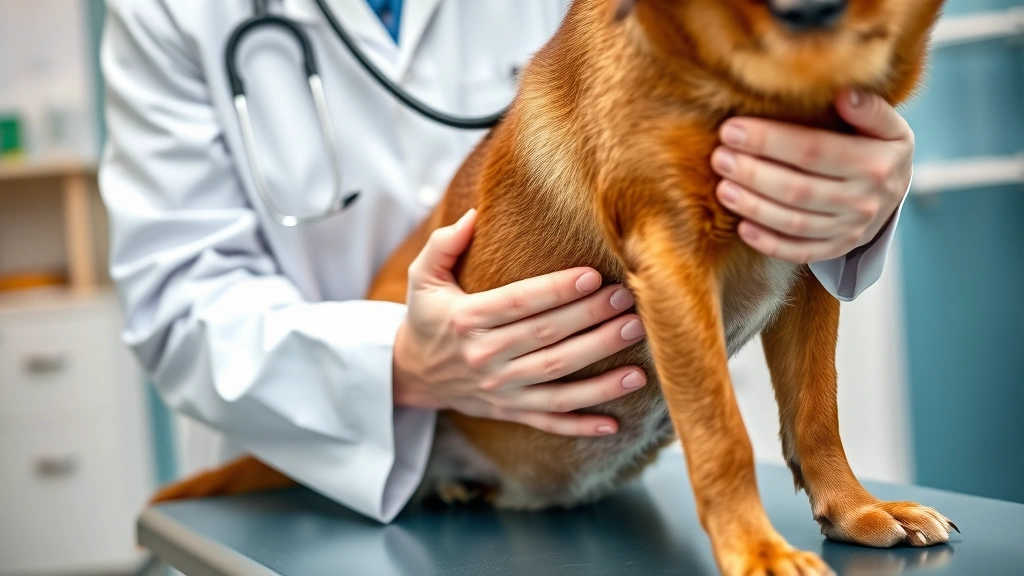
If excessive pooping persists for more than a few days despite dietary adjustments, or if it’s a dramatic change from your dog’s normal routine, schedule a veterinary appointment. Your vet can perform a physical examination, review your dog’s diet and medical history, and run diagnostic tests if needed.
Puppies and senior dogs warrant particular attention. Puppies with excessive diarrhea risk dehydration, while senior dogs’ digestive issues may indicate underlying health problems. When in doubt, it’s always better to err on the side of caution and have your veterinarian evaluate your dog.
Prevention and Management Tips
Preventing excessive pooping starts with feeding a high-quality diet appropriate for your dog’s age, size, and activity level. Look for dog foods with named meat proteins as the primary ingredient and minimal fillers. Many dogs thrive on limited ingredient diets if they have food sensitivities.
Maintain consistent feeding schedules and portion sizes. Use a measuring cup rather than eyeballing portions, and follow the feeding guidelines on your dog’s food bag adjusted for your dog’s individual metabolism. If your dog is overweight, work with your veterinarian to establish an appropriate caloric intake for gradual weight loss.
Keep your dog’s environment clean and prevent access to contaminated water sources, garbage, and potential toxic substances. This reduces parasite exposure and dietary indiscretions. Practice good hygiene when handling your dog’s food and water bowls to prevent bacterial infections.
Provide regular exercise appropriate for your dog’s age and breed. Exercise promotes healthy digestion and helps maintain appropriate weight. Mental stimulation through training, puzzle toys, and interactive play also supports digestive health by reducing stress and anxiety.
Maintain current vaccinations and parasite prevention medications as recommended by your veterinarian. Annual or biannual veterinary checkups allow your vet to catch developing health issues before they become serious problems affecting digestion.
Consider adding digestive support to your dog’s diet if they have chronic mild digestive issues. Probiotic supplements designed for dogs can help maintain healthy gut bacteria and improve digestion. However, always consult your veterinarian before adding supplements to your dog’s diet.
If you’re introducing new foods, do so gradually over 7-10 days, mixing increasing amounts of the new food with the old food. This allows your dog’s digestive system to adjust and often prevents the temporary increase in pooping that occurs with sudden dietary changes.
FAQ
How many times a day should a healthy dog poop?
Most healthy adult dogs poop once or twice daily, though some may go three times daily depending on their diet, age, and individual metabolism. Puppies typically poop more frequently (three to six times daily), while senior dogs may have less frequent bowel movements. The most important factor is consistency—if your dog’s frequency suddenly changes significantly, it warrants investigation.
Could my dog’s excessive pooping be related to mushrooms or other foods I’m feeding them?
Yes, certain foods can trigger increased pooping. Some dogs are sensitive to specific ingredients, and foods high in fiber or difficult to digest can cause excessive stool production. If you’ve recently introduced new foods, consider whether they might be contributing. Always ensure any human foods you offer are safe for dogs and appropriate for their digestive system.
Is excessive pooping in puppies normal?
Puppies naturally poop more frequently than adult dogs due to their faster metabolism and developing digestive systems. However, if a puppy’s stools are loose or watery, or if they seem lethargic or lose appetite, contact your veterinarian. Puppies are more vulnerable to parasites and infections, which can cause serious complications if untreated.
Can stress really cause my dog to poop more?
Absolutely. Stress and anxiety significantly impact digestive function in dogs. Changes in routine, environment, new pets, or separation can trigger increased bowel movements. Once the stressful situation resolves, your dog’s bathroom habits should normalize. If stress-related digestive issues persist, discuss anxiety management options with your veterinarian.
What’s the difference between normal frequent pooping and diarrhea?
Frequent pooping refers to increased bowel movement frequency with normal stool consistency. Diarrhea is characterized by loose, watery, or unformed stools, regardless of frequency. While frequent pooping may indicate dietary issues or increased food intake, diarrhea suggests gastrointestinal irritation or infection requiring more urgent attention.
Should I be concerned about parasites if my dog poops a lot?
Parasites are a common cause of excessive pooping, particularly in puppies and unvaccinated dogs. If your dog has access to outdoor areas, contaminated water, or other dogs, parasite exposure is possible. A fecal examination by your veterinarian can determine if parasites are responsible. Regular parasite prevention is the best defense against these common culprits.
How can I tell if my dog’s diet is causing excessive pooping?
If excessive pooping coincides with a recent food change and your dog otherwise seems healthy with normal appetite and energy levels, diet is likely the cause. Try gradually switching back to the previous food, or consult your veterinarian about alternative diet options. Keep a food diary noting what your dog eats and their corresponding bathroom habits to identify potential dietary triggers.
When is excessive pooping an emergency?
Contact your veterinarian immediately if your dog’s excessive pooping is accompanied by blood in stool, severe vomiting, lethargy, loss of appetite, or signs of pain. Puppies with diarrhea risk rapid dehydration, making even mild cases potentially serious. When in doubt about whether a situation requires emergency care, call your veterinarian or emergency clinic for guidance.





