

Why Dogs Pee in Beds: Vet Insights & Solutions
Discovering your beloved dog has had an accident in your bed is frustrating and concerning. This common behavioral issue affects countless dog owners and can indicate anything from medical problems to anxiety-related challenges. Understanding the root cause is essential before addressing the problem effectively.
Dogs don’t deliberately soil their sleeping spaces without reason. Whether your furry friend is a puppy still learning house training or an adult dog with sudden changes in behavior, identifying why your dog pees in your bed is the first step toward resolution. This comprehensive guide explores medical, behavioral, and environmental factors that contribute to this issue, along with practical solutions backed by veterinary expertise.
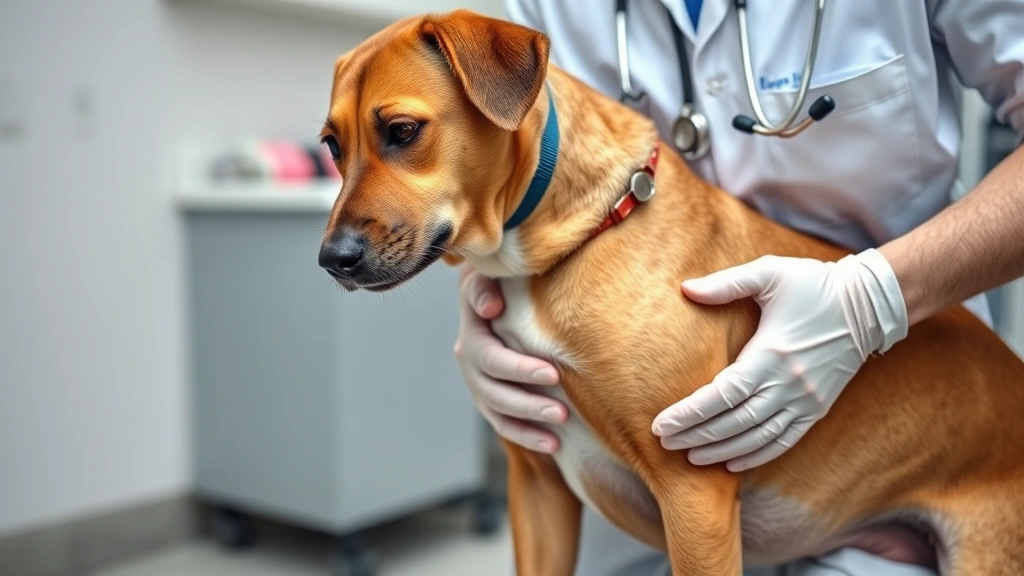
Medical Causes & Health Issues
When your dog pees in bed, the first consideration should always be medical. Numerous health conditions can cause inappropriate urination, and ruling these out is crucial before addressing behavioral issues. A veterinary examination is essential to identify potential underlying problems.
Urinary Tract Infections (UTIs) are among the most common medical causes of bed-wetting in dogs. UTIs create urgency and discomfort, making your dog unable to control their bladder properly. According to the ASPCA’s pet care guidelines, dogs with UTIs often show signs of frequent urination, straining, and accidents in unusual places. Your veterinarian can confirm a UTI through urinalysis and prescribe appropriate antibiotics.
Incontinence in senior dogs represents another significant medical factor. As dogs age, their sphincter muscles weaken, leading to involuntary urine leakage, especially during sleep. This condition, called canine urinary incontinence, is particularly common in spayed females and older males. The good news is that veterinarians can manage this with medications like phenylpropanolamine (PPA) or hormone replacement therapy.
Diabetes and kidney disease cause excessive thirst and urination. Dogs with these conditions produce more urine and struggle to hold it overnight. If your dog suddenly starts wetting the bed after years of being house-trained, combined with increased drinking, diabetes screening becomes necessary. Similarly, Cushing’s syndrome and thyroid disorders can trigger increased urination patterns.
Other medical contributors include:
- Bladder stones or crystals causing irritation and urgency
- Spinal cord issues affecting nerve function to the bladder
- Prostate problems in male dogs
- Medication side effects from steroids or diuretics
- Neurological conditions affecting bladder control
Always consult your veterinarian before assuming behavioral causes. A simple urine test can eliminate most medical possibilities and guide appropriate treatment.
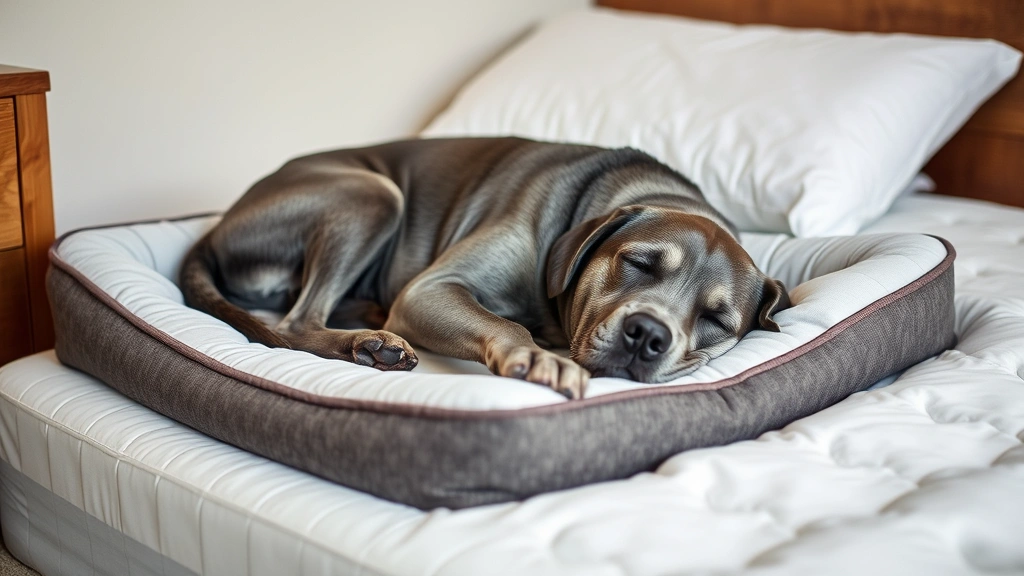
Behavioral & Emotional Factors
Once medical issues are ruled out, behavioral and emotional factors become relevant. Dogs are emotional creatures, and stress, anxiety, and territorial instincts can manifest as inappropriate urination.
Separation anxiety represents a primary behavioral cause. Dogs with separation anxiety experience extreme stress when separated from their owners. Bed-wetting occurs because the bed carries your scent and provides comfort, yet anxiety overwhelms their bladder control. These dogs often show additional signs like destructive behavior, excessive barking, or attempts to follow you everywhere.
Submissive urination occurs in anxious or fearful dogs, particularly during greetings or when corrected. These dogs weren’t “being bad”—they’re communicating submission and fear. Punishment worsens this behavior, so positive reinforcement training becomes essential.
Excitement urination affects younger or emotionally exuberant dogs who lose bladder control during moments of high excitement or play. This typically resolves with maturity and training, though it requires patience.
Territorial marking differs from true incontinence. Intact male dogs and occasionally females mark territory by leaving small amounts of urine on objects, including beds. This behavior communicates ownership and is more common in multi-dog households or homes with recent changes.
Attention-seeking behavior can develop if dogs receive attention (even negative attention through scolding) after accidents. Dogs learn that peeing in bed gets your attention, reinforcing the behavior. Breaking this cycle requires consistent, positive redirection.
Age-Related Considerations
Your dog’s age significantly influences why they might be wetting your bed. Puppies, adult dogs, and seniors face different challenges.
Puppies under 12 weeks lack full bladder control development. Their bladders are small, and their nervous system hasn’t matured enough to hold urine for extended periods. Expecting puppies to sleep through the night without accidents is unrealistic. Nighttime bed-wetting is completely normal during early development and resolves through house training and maturation.
Adolescent dogs (4-12 months) should be developing better control, but some breeds mature slower than others. During this phase, consistency in potty breaks and positive reinforcement accelerates learning. If your adolescent suddenly regresses, medical causes should be investigated.
Adult dogs (1-7 years) who suddenly wet beds typically have medical or behavioral causes. Sudden changes warrant veterinary evaluation. This age group responds well to behavioral modification and environmental adjustments.
Senior dogs (7+ years) commonly experience age-related incontinence due to weakening muscles, cognitive decline, and chronic health conditions. Nighttime bed-wetting becomes increasingly common and often requires management strategies rather than punishment. Senior dogs need extra compassion and practical solutions.
Environmental & Lifestyle Factors
Your home environment and daily routine directly impact your dog’s ability to maintain bladder control throughout the night. Several lifestyle factors contribute to bed-wetting incidents.
Late evening water intake is a significant factor. Dogs drinking large amounts of water close to bedtime will naturally need to urinate during the night. Limiting water access 2-3 hours before sleep helps tremendously, though you must ensure adequate daytime hydration.
Inadequate potty breaks before bedtime leave dogs with full bladders overnight. Establish a consistent evening routine with a final potty break 30 minutes before sleep. This final opportunity allows your dog to empty their bladder completely.
Stress from environmental changes triggers accidents. Moving to a new home, adding new family members, introducing other pets, or changes in your schedule can cause anxiety-related bed-wetting. Dogs thrive on routine and predictability.
Uncomfortable sleeping arrangements matter more than owners realize. Some dogs avoid designated beds due to discomfort, preferring your bed instead. Ensure their sleeping area has proper support, especially for older dogs with joint pain. Consider orthopedic beds for senior dogs or those with arthritis.
Lack of exercise prevents proper tire-out before bedtime. A well-exercised dog sleeps more deeply and maintains better bladder control. Aim for age-appropriate exercise—puppies need frequent short sessions, adults need 30-60 minutes daily, and seniors need gentle, consistent activity.
Medications and dietary changes can affect urination patterns. Some dog foods contain ingredients that increase thirst or urination. Similarly, certain medications like steroids increase water consumption. Discuss dietary and medication changes with your veterinarian if they coincide with bed-wetting incidents.
Practical Solutions & Training
Once you’ve identified why your dog pees in your bed, implementing targeted solutions becomes possible. Approach this systematically for best results.
Veterinary treatment addresses medical causes. Antibiotics treat UTIs, medications manage incontinence, and dietary changes support kidney health or diabetes management. Work closely with your veterinarian on appropriate treatment plans.
Establish a consistent nighttime routine:
- Set regular bedtimes and wake times
- Provide a final potty break 30 minutes before sleep
- Limit water intake 2-3 hours before bed
- Use positive reinforcement for outdoor elimination
- Create a calm environment to reduce anxiety
Manage your bed accessibility. Temporarily prevent bed access during the retraining phase. Use a crate for sleeping if your dog is crate-trained, or use baby gates to keep them in a designated sleeping area with washable bedding. This prevents accidents in your bed while maintaining your bond.
Address anxiety through counterconditioning. If separation anxiety or stress causes bed-wetting, work on building confidence through gradual desensitization. Leave for short periods initially, then gradually extend duration. Consider anxiety aids like AKC-recommended calming products, though consult your vet first.
Never punish accidents. Punishment creates fear and worsens anxiety-related incontinence. Dogs don’t “know better” when they have accidents during sleep. Instead, focus on prevention and positive reinforcement for appropriate outdoor elimination.
Use enzymatic cleaners on soiled bedding. Regular cleaners don’t eliminate urine odor completely, and dogs return to spots where they smell previous urine. Enzymatic cleaners break down the urine compound, removing the scent marker that encourages repeat accidents.
Prevention Strategies
Preventing bed-wetting is easier than treating established problems. These strategies work whether you’re house-training a puppy or managing an adult dog’s incontinence.
Consistent potty schedules form the foundation of prevention. Take your dog out first thing in the morning, after meals, after playtime, before bed, and at regular intervals throughout the day. Puppies need potty breaks every 1-2 hours; adult dogs typically need 4-6 breaks daily.
Positive reinforcement motivates proper behavior. Praise and reward outdoor elimination enthusiastically. Use high-value treats for successful nighttime maintenance. Dogs repeat behaviors that earn rewards.
Crate training leverages dogs’ natural den instinct. Dogs avoid soiling their sleeping space, making crates effective for preventing accidents. Ensure crates are appropriately sized—large enough to stand, turn, and lie down, but not so large they can eliminate in one corner and sleep in another.
Monitor water intake without creating dehydration. Provide fresh water throughout the day, but limit access a few hours before bedtime. Watch for excessive drinking, which may indicate medical issues.
Regular veterinary checkups catch health issues early. Annual exams for adults and twice-yearly exams for seniors help identify UTIs, diabetes, incontinence, and other conditions before they cause bed-wetting.
Manage stress and anxiety through exercise, mental stimulation, and routine. A tired, mentally engaged dog with predictable daily structure experiences less anxiety and maintains better bladder control.
Consider your dog’s diet. Some dogs are sensitive to certain ingredients that increase thirst or urination frequency. If you’re curious about specific foods, research options like can dogs eat broccoli, can dogs eat corn, can dogs eat cauliflower, are carrots good for dogs, and can dogs eat squash to ensure you’re providing appropriate nutrition without triggering excessive urination.
Protect your mattress during the retraining phase. Use waterproof mattress protectors and washable bed covers. This protects your investment while reducing stress about accidents.
FAQ
Why is my dog peeing in my bed all of a sudden?
Sudden bed-wetting in previously house-trained dogs typically indicates medical issues like UTIs, diabetes, or incontinence. Behavioral causes include anxiety, stress from environmental changes, or attention-seeking. Schedule a veterinary exam to rule out health problems first. If medical causes are eliminated, evaluate recent changes in routine, household composition, or your dog’s emotional state.
Is bed-wetting a sign of a UTI in dogs?
Yes, UTIs commonly cause inappropriate urination, including bed-wetting. Other signs include frequent urination, straining, and excessive licking of genital areas. UTIs are easily diagnosed through urinalysis and treated with antibiotics. If your dog shows these signs, contact your veterinarian promptly.
How do I stop my dog from peeing in bed?
Start by consulting your veterinarian to rule out medical causes. Then implement preventive strategies: establish consistent potty schedules, limit evening water intake, provide final potty breaks before sleep, use positive reinforcement, and manage stress and anxiety. For senior dogs, consider medications for age-related incontinence. Never punish accidents, as this worsens anxiety.
Should I crate my dog at night if they pee in bed?
Crate training can be effective if your dog is already crate-trained. Dogs naturally avoid soiling their sleeping space, making crates useful during retraining. However, never use crates as punishment. Ensure proper sizing and positive associations with the crate. For dogs with severe anxiety, crating may worsen stress, so consider your individual dog’s temperament.
Can spaying cause bed-wetting in dogs?
Yes, spaying can contribute to incontinence in some female dogs, typically developing months or years after surgery. This occurs due to hormonal changes affecting sphincter muscle tone. If your spayed dog develops incontinence, discuss hormone replacement therapy or other management options with your veterinarian.
Is it normal for puppies to pee in bed?
Absolutely. Puppies under 12 weeks lack full bladder control. Their small bladders and immature nervous systems make nighttime accidents completely normal. Consistent house training, frequent potty breaks, and patience resolve this developmental phase. Most puppies achieve nighttime dryness by 4-6 months with proper training.
What does it mean if my senior dog suddenly pees in bed?
Senior dogs often develop age-related incontinence due to weakening muscles and cognitive decline. This is not behavioral misbehavior. Medical evaluation is important to rule out UTIs, diabetes, or other health issues. Management strategies include more frequent potty breaks, waterproof bedding, medications like PPA, and extra compassion. Senior dogs need accommodation, not punishment.
Can anxiety cause bed-wetting in dogs?
Yes, anxiety significantly contributes to inappropriate urination. Separation anxiety, fear, and stress can overwhelm bladder control. Dogs with anxiety-related bed-wetting benefit from counterconditioning, desensitization training, consistent routines, and sometimes anti-anxiety medications prescribed by veterinarians. Address the underlying anxiety rather than punishing the symptom.
How long does it take to resolve bed-wetting issues?
Timeline depends on the cause. Medical issues like UTIs resolve within days to weeks of treatment. Behavioral issues require longer—typically weeks to months of consistent training and management. Senior dogs’ age-related incontinence requires ongoing management rather than “resolution.” Patience and consistency throughout the process are essential.





