
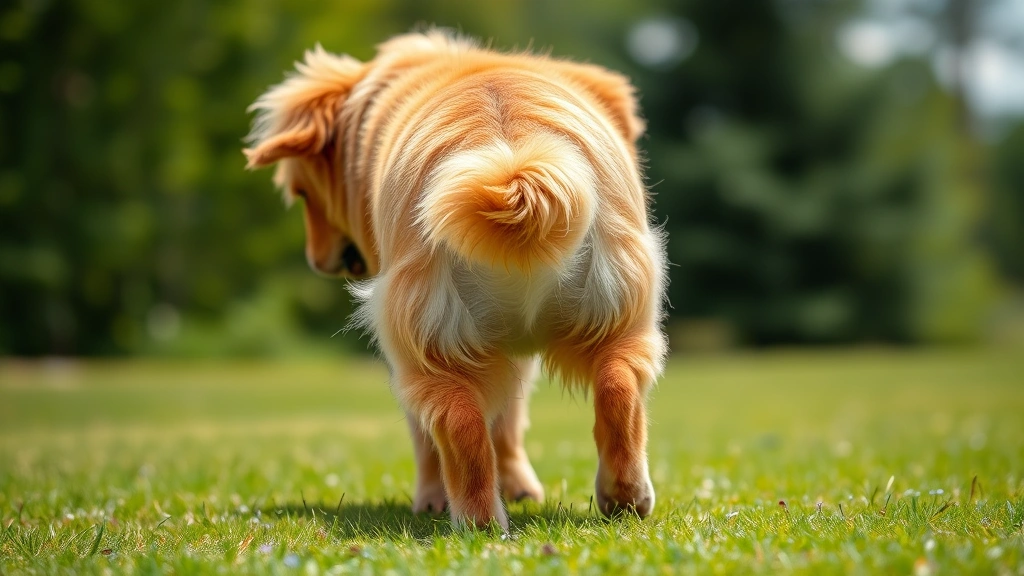
Why Is My Dog Scooting? Vet Insights on Causes and Solutions
If you’ve ever witnessed your dog dragging their rear end across your carpet, you know how puzzling and slightly amusing it can be. However, dog scooting is actually a sign that something needs attention. This common behavior, also called “scooting” or “butt scooting,” typically indicates discomfort in your dog’s anal region and shouldn’t be ignored. Understanding what causes this behavior is the first step toward helping your furry friend feel better.
Veterinarians see scooting cases regularly, and the underlying causes can range from minor irritations to more serious health concerns. The good news is that most scooting issues are highly treatable once properly diagnosed. In this comprehensive guide, we’ll explore the primary reasons dogs scoot, what you can do about it, and when it’s time to call your vet.
Anal Gland Problems: The Most Common Culprit
The most frequent reason dogs scoot is anal gland impaction or infection. Your dog has two small glands located on either side of their anus that normally empty during bowel movements. These glands produce a fluid with a unique scent that dogs use for communication with other dogs. When these glands don’t empty properly, they become full, uncomfortable, and sometimes infected.
According to the American Kennel Club, anal gland issues are particularly common in small dog breeds, though any dog can experience them. Dogs with loose stools or soft bowel movements are more prone to anal gland impaction because firm stools provide the pressure needed to naturally express the glands.
Signs of anal gland problems include:
- Scooting on the ground or carpet
- Excessive licking or biting at the rear end
- A foul smell around your dog’s hindquarters
- Swelling or redness around the anus
- Difficulty sitting or standing
- Loss of appetite in severe cases
Your veterinarian can manually express the anal glands, providing immediate relief. However, if infections develop, antibiotics may be necessary. In chronic cases where glands repeatedly become impacted, your vet might recommend dietary changes or, in severe situations, surgical removal of the glands.
Parasites and Worm Infections
Intestinal parasites are another leading cause of scooting behavior. Parasites like hookworms, roundworms, and especially tapeworms cause itching and irritation around the anal area. Tapeworms are particularly notorious for causing scooting because they leave rice-like segments in your dog’s stool and around the anus, creating significant discomfort.
Dogs can contract parasites through contaminated food, water, soil, or contact with infected animals. Puppies are especially vulnerable to parasitic infections. The ASPCA recommends regular parasite screening and prevention as part of routine veterinary care.
If you suspect parasites, look for these additional signs:
- Visible worms or rice-like segments in stool
- Diarrhea or constipation
- Weight loss despite normal appetite
- Dull coat
- Bloated belly
- Lethargy or weakness
Treatment depends on the specific parasite involved. Your vet will perform a fecal examination to identify the culprit and prescribe appropriate deworming medication. Most parasitic infections are easily treatable with prescription or over-the-counter medications, though severe infestations may require multiple treatments.
Maintaining your dog’s digestive health is crucial for preventing parasites. Consider incorporating fiber-rich foods like broccoli, carrots, and corn into your dog’s diet to promote firm stools. However, always consult your vet before making dietary changes, as some foods may not be suitable for individual dogs.
Skin Irritation and Allergies
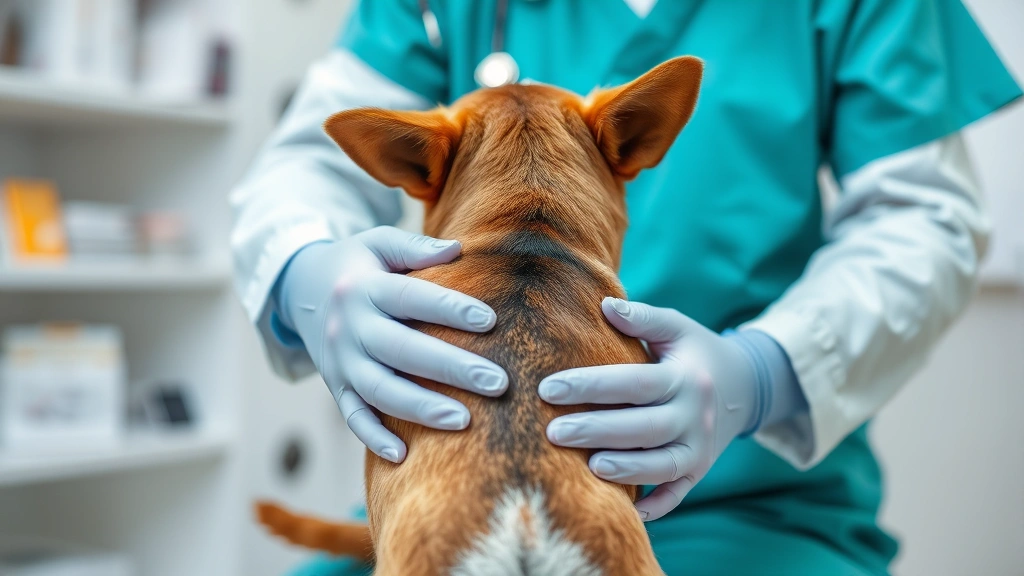
Dogs with allergies or skin conditions often scoot due to itching and inflammation in the anal area. Environmental allergies, food allergies, and contact dermatitis can all cause scooting behavior. When a dog’s skin is irritated, they may scoot as an attempt to scratch an unreachable itch.
Common allergens for dogs include:
- Chicken and beef
- Dairy products
- Wheat and grains
- Environmental factors like pollen and dust mites
- Flea allergies
If allergies are the cause, you may notice additional symptoms such as itching in other areas, red or inflamed skin, ear infections, or excessive grooming. Your veterinarian can perform allergy testing or recommend an elimination diet to identify the specific allergen.
Treatment options include:
- Switching to a hypoallergenic or limited-ingredient diet
- Antihistamines or anti-inflammatory medications
- Regular bathing with medicated shampoos
- Omega-3 fatty acid supplements to support skin health
- Flea prevention to eliminate flea allergy dermatitis
Avoid foods that commonly trigger allergies. While many dogs can safely enjoy mushrooms, they’re not recommended for allergic dogs, and onions should never be given to dogs as they’re toxic.
Digestive Issues and Diet
Poor digestion and constipation can indirectly lead to scooting by preventing proper anal gland expression. When your dog has soft or irregular stools, the anal glands don’t receive the necessary pressure to empty naturally, leading to impaction and subsequent scooting.
Dietary factors play a significant role in digestive health. Dogs on high-fat diets or those eating too quickly often develop soft stools. Additionally, insufficient fiber can contribute to digestive issues. A balanced diet with appropriate fiber content helps maintain firm, regular bowel movements that naturally express the anal glands.
Improve your dog’s digestive health by:
- Feeding high-quality, digestible dog food
- Maintaining consistent meal times and portions
- Ensuring adequate fiber intake through whole grains and vegetables
- Providing fresh water throughout the day
- Avoiding rapid diet changes
- Feeding at a slower pace using puzzle feeders if needed
If your dog experiences chronic constipation or diarrhea, consult your veterinarian about dietary adjustments. Sometimes switching to a prescription digestive care formula can resolve scooting caused by gastrointestinal issues.
When to Contact Your Veterinarian
While occasional scooting might resolve on its own, persistent scooting warrants a veterinary visit. Contact your vet if:
- Scooting occurs more than occasionally
- You notice discharge, blood, or pus around the anus
- Your dog shows signs of pain or difficulty defecating
- There’s a foul odor or visible swelling
- Scooting is accompanied by other symptoms like vomiting or lethargy
- The behavior doesn’t improve after home care attempts
Your veterinarian will perform a physical examination and may recommend additional testing such as fecal analysis, skin scrapings, or imaging studies depending on the suspected cause. Early diagnosis and treatment prevent complications and keep your dog comfortable.
Prevention Strategies
Preventing scooting is easier than treating it. Implement these strategies to reduce your dog’s risk:
- Maintain Regular Parasite Prevention: Use year-round flea, tick, and heartworm prevention as recommended by your vet. Keep your dog’s deworming schedule current.
- Feed a High-Quality Diet: Choose dog foods with appropriate fiber content and digestible proteins. Avoid excessive fat and fillers that can cause soft stools.
- Ensure Adequate Exercise: Regular physical activity promotes healthy digestion and bowel regularity.
- Maintain Proper Hygiene: Keep your dog’s rear end clean and dry. Regular grooming helps identify skin issues early.
- Monitor Bowel Movements: Firm, regular stools indicate good anal gland function. If you notice changes, address them promptly.
- Manage Allergies: Work with your vet to identify and manage any allergies through diet or medication.
- Schedule Regular Checkups: Routine veterinary visits catch problems early before they become serious.
Dogs prone to anal gland issues may benefit from occasional professional anal gland expression during grooming appointments, though this should only be done if recommended by your vet.
FAQ
Is scooting in dogs always serious?
Not always, but it shouldn’t be ignored. While occasional scooting might resolve on its own, persistent scooting indicates an underlying issue requiring veterinary attention. Most causes are easily treatable once diagnosed.
Can I express my dog’s anal glands at home?
While it’s technically possible, most veterinarians recommend having a professional handle anal gland expression. Improper technique can injure the glands or spread infection. Consult your vet for guidance.
How often do dogs need anal gland expression?
Healthy dogs typically don’t need manual anal gland expression if they maintain regular, firm bowel movements. Dogs with chronic issues might need expression every 4-12 weeks. Your vet can recommend the appropriate schedule.
What foods help prevent anal gland problems?
High-fiber foods promote firm stools that naturally express anal glands. Vegetables like carrots, broccoli, and pumpkin are beneficial. Always introduce new foods gradually and consult your vet before making dietary changes.
Can diet alone fix scooting?
Diet can help prevent or reduce scooting caused by digestive issues, but it won’t address parasites, infections, or allergies. A comprehensive approach considering the underlying cause is most effective.
How long does it take to resolve scooting?
Timeline varies depending on the cause. Parasite treatment typically shows improvement within days to weeks. Anal gland issues may resolve after expression, though chronic cases require ongoing management. Allergy-related scooting improves as the allergen is identified and eliminated.
Is scooting contagious to other dogs?
Scooting itself isn’t contagious, but underlying causes like parasites can spread between dogs. If one dog has parasites, other pets in the household should be checked and treated.





