If your dog is throwing up yellow foam, it’s natural to feel concerned. This type of vomiting can indicate several different health issues, ranging from minor to more serious conditions that require veterinary attention. Yellow foam vomit, also called bile vomit, occurs when your dog’s stomach is empty or nearly empty, and the bile from the small intestine mixes with gastric juices.
Understanding what causes yellow foam vomiting and when to seek help is crucial for keeping your furry friend healthy and comfortable. We’ll explore the most common reasons behind this symptom, what you should do about it, and when a vet visit is absolutely necessary.
What Is Yellow Foam Vomit?
Yellow foam vomit is distinctly different from regular vomit that contains food particles or other materials. The yellow color comes from bile, a digestive fluid produced by the liver and stored in the gallbladder. Bile plays an important role in breaking down fats during digestion, but when it appears in vomit, it signals that your dog’s stomach is empty.
The foam texture occurs because of the mixture of bile, gastric acid, and air. When your dog vomits on an empty stomach, there’s nothing solid to expel, so you get this characteristic foamy, yellowish substance instead. This is sometimes called bilious vomiting syndrome, and it’s more common than many pet owners realize.
According to the American Kennel Club, occasional yellow foam vomiting might not be cause for alarm, but repeated episodes warrant professional evaluation. The key is understanding whether this is a one-time occurrence or a recurring problem that needs investigation.
Common Causes of Yellow Foam Vomiting
Several conditions can lead to your dog vomiting yellow foam. Understanding these causes helps you determine the urgency of veterinary care:
Empty Stomach Syndrome
One of the most common reasons dogs vomit yellow foam is having an empty stomach for too long. This frequently happens in dogs that go extended periods without eating, particularly early in the morning before breakfast. Some dogs are prone to this, especially if they eat only once daily. Consider feeding your dog smaller, more frequent meals or a light snack before bedtime.
Dietary Issues
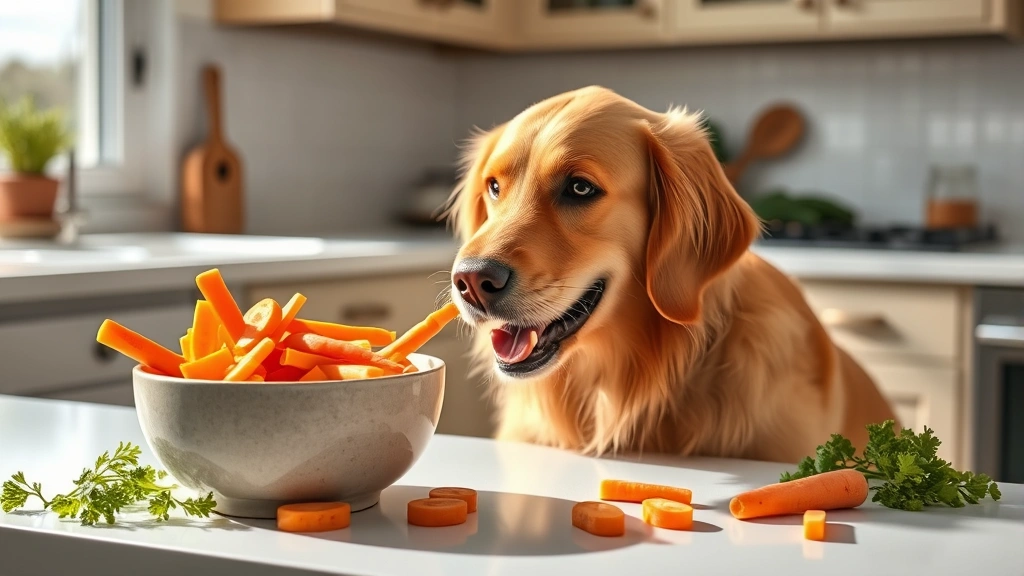
What your dog eats significantly impacts their digestive health. Feeding your dog inappropriate foods or sudden diet changes can trigger vomiting. If you’re introducing new foods, do it gradually over 7-10 days. Be cautious about table scraps and ensure your dog isn’t eating things they shouldn’t. Foods like onions are toxic to dogs, while safer options like carrots and broccoli can be given in moderation.
Gastroesophageal Reflux Disease (GERD)
Dogs can develop acid reflux similar to humans. GERD causes stomach acid and bile to flow backward into the esophagus, leading to vomiting and discomfort. This condition is more common in certain breeds and dogs with hiatal hernias. Your vet can prescribe medications to reduce acid production and manage this condition.
Pancreatitis
Inflammation of the pancreas is a serious condition that requires immediate veterinary attention. Pancreatitis often presents with yellow foam vomiting, abdominal pain, lethargy, and loss of appetite. This condition is particularly common in dogs that eat fatty foods or have certain underlying health issues. ASPCA resources recommend immediate veterinary evaluation if pancreatitis is suspected.
Intestinal Blockage
If your dog has swallowed something they shouldn’t have—like a toy, bone, or foreign object—it can create a blockage. This prevents normal digestion and causes vomiting. Blockages are medical emergencies that often require surgery. Watch for repeated vomiting, lethargy, and lack of bowel movements.
Liver Disease
Liver problems can affect bile production and flow, leading to yellow foam vomiting. Liver disease may also cause jaundice (yellowing of the gums and whites of the eyes), dark urine, and pale stools. Senior dogs and certain breeds are at higher risk for liver disease.
Gastritis and Ulcers
Inflammation of the stomach lining or stomach ulcers can cause yellow foam vomiting. These conditions may develop from stress, certain medications, infections, or eating inappropriate items. Your vet can recommend dietary adjustments and medications to help.
When to Contact Your Veterinarian
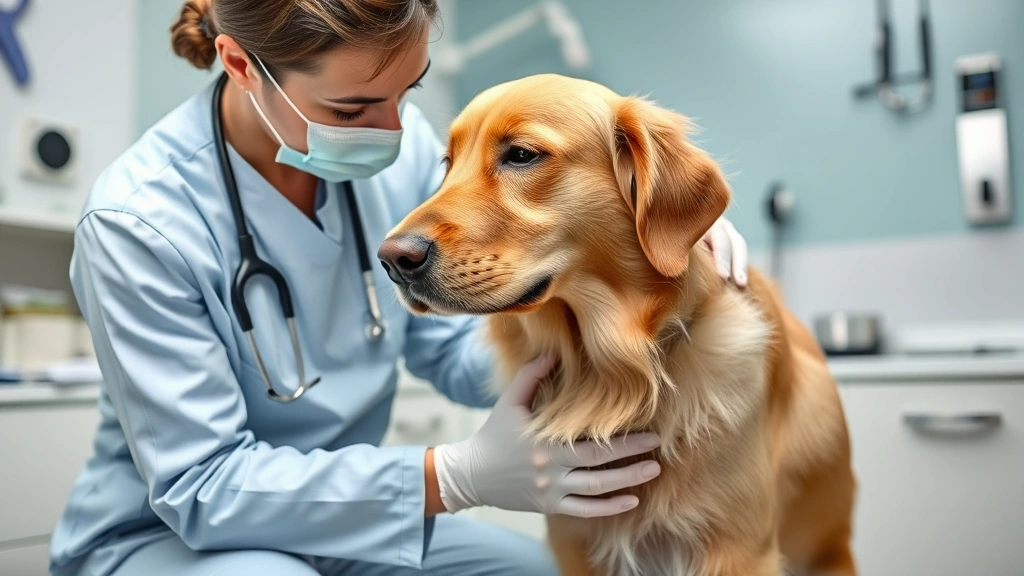
Not every instance of yellow foam vomiting requires emergency care, but certain situations absolutely demand immediate veterinary attention. Understanding when to call your vet versus when to seek emergency care is critical.
Seek Immediate Emergency Care If:
- Your dog vomits repeatedly over several hours
- Vomiting is accompanied by severe abdominal pain or distension
- Your dog shows signs of lethargy or collapse
- There’s blood in the vomit
- Your dog hasn’t eaten or had water in 24 hours
- Your dog is a puppy or senior dog with vomiting
- You suspect your dog ate something toxic or foreign
- Vomiting is accompanied by diarrhea and fever
Call Your Regular Vet If:
- Yellow foam vomiting occurs occasionally (once or twice monthly)
- Vomiting happens in the morning before eating
- Your dog is otherwise acting normal and eating well
- The episodes are brief and resolve on their own
- You’ve recently changed your dog’s diet
Your veterinarian is the best resource for determining whether your dog’s symptoms require urgent attention. When in doubt, it’s always better to call and describe the situation than to wait and risk your dog’s health.
Diagnostic Tests Your Vet May Recommend
When you bring your dog to the vet for yellow foam vomiting, they’ll perform a thorough examination and may recommend various diagnostic tests to identify the underlying cause.
Physical Examination
Your vet will start by examining your dog’s abdomen, checking for pain, distension, or masses. They’ll also assess your dog’s overall body condition, check the gums and mucous membranes, and take their temperature. This initial exam provides valuable clues about what might be causing the vomiting.
Blood Work
A complete blood count (CBC) and comprehensive metabolic panel can reveal infections, liver problems, kidney disease, and other systemic issues. These tests are especially important for senior dogs or those with chronic health conditions.
Urinalysis
Urine tests can help identify kidney disease, infections, or other metabolic problems that might contribute to vomiting.
Imaging Studies
X-rays or ultrasound may be recommended to look for blockages, foreign objects, organ enlargement, or other structural problems. These imaging studies are particularly important if your vet suspects a blockage or internal injury.
Endoscopy
In some cases, your vet may recommend endoscopy—a procedure where a small camera is inserted down your dog’s throat to visualize the stomach and upper intestines. This can help identify ulcers, inflammation, or foreign objects.

Treatment Options
Treatment for yellow foam vomiting depends entirely on the underlying cause. Your vet will develop a treatment plan tailored to your dog’s specific situation.
Dietary Management
For many cases, dietary changes help significantly. Your vet might recommend feeding smaller, more frequent meals, or switching to a bland diet temporarily. Some dogs benefit from digestive enzyme supplements or probiotics. You can incorporate safe vegetables like corn (in moderation) or explore other nutritious options. Always avoid toxic foods like certain mushrooms.
Medications
Depending on the diagnosis, your vet may prescribe:
- Antiemetics – medications to reduce nausea and vomiting
- Acid reducers – for GERD or gastritis
- Antibiotics – if infection is present
- Pancreatic enzymes – for pancreatitis
- Anti-inflammatory medications – for inflammation
Surgical Intervention
If your dog has a blockage or other surgical emergency, your vet will recommend immediate surgery. This is a critical intervention that can be life-saving. Recovery typically takes 2-4 weeks, and your vet will provide specific post-operative care instructions.
Supportive Care
For many cases, supportive care is essential. This includes ensuring your dog stays hydrated, gets adequate rest, and receives any prescribed medications. Your vet may recommend IV fluids if your dog is severely dehydrated.
Prevention Strategies
While you can’t prevent all instances of yellow foam vomiting, several strategies can significantly reduce the likelihood:
Establish a Regular Feeding Schedule
Feed your dog at consistent times each day. Most dogs do well with two meals daily, spaced 8-12 hours apart. This prevents long periods of empty stomach that can trigger bilious vomiting syndrome. For dogs prone to morning vomiting, a light snack before bed helps.
Provide Quality Nutrition
Feed high-quality dog food appropriate for your dog’s age, size, and health status. Avoid sudden diet changes, and always transition gradually over 7-10 days. Quality nutrition supports digestive health and overall wellness.
Control Portion Sizes
Overfeeding can contribute to digestive upset. Follow your vet’s recommendations for portion sizes based on your dog’s weight and activity level. Some dogs do better with three smaller meals rather than one or two large ones.
Limit Table Scraps and Treats
Human food and excessive treats can upset your dog’s digestive system. Stick to dog-appropriate treats and avoid giving table scraps, especially fatty or spicy foods. Keep toxic foods completely away from your dog.
Ensure Access to Fresh Water
Proper hydration is essential for digestive health. Ensure your dog always has access to clean, fresh water. Adequate hydration helps prevent gastric issues and supports overall health.
Regular Veterinary Check-ups
Annual wellness exams for younger dogs and twice-yearly exams for senior dogs help catch health problems early. These visits allow your vet to monitor your dog’s digestive health and address any concerns before they become serious.
Exercise and Stress Management
Regular exercise and a calm environment support digestive health. Stress can trigger vomiting in some dogs, so provide a comfortable, safe space and maintain consistent routines.
Keep Dangerous Items Secure
Store medications, chemicals, small toys, and other potentially dangerous items where your dog can’t access them. Preventing accidental ingestion is crucial for avoiding blockages and poisoning.
FAQ
Is yellow foam vomit always serious?
Not always. Occasional yellow foam vomiting, especially in the morning on an empty stomach, is often not serious. However, frequent or persistent vomiting warrants veterinary evaluation to rule out underlying health conditions.
Can I treat yellow foam vomiting at home?
For occasional episodes related to an empty stomach, you can try feeding smaller, more frequent meals. However, if vomiting persists or is accompanied by other symptoms, professional veterinary care is necessary. Never delay seeking help if your dog shows signs of distress.
How long should I wait before calling the vet?
If your dog vomits yellow foam once and seems fine afterward, you can monitor them. However, if it happens multiple times, is accompanied by other symptoms, or your dog seems unwell, contact your vet immediately. When in doubt, call your vet for guidance.
What should I feed my dog after vomiting?
After vomiting, wait 2-4 hours before offering food. Start with small amounts of bland food like boiled chicken and rice, or a prescription digestive diet recommended by your vet. Gradually return to normal food over several days if your dog tolerates the bland diet well.
Can anxiety cause yellow foam vomiting?
Yes, stress and anxiety can contribute to digestive upset and vomiting in dogs. If your dog vomits primarily during stressful situations, consult your vet about anxiety management strategies. They may recommend behavioral modifications or, in some cases, anti-anxiety medication.
Is yellow foam vomiting more common in certain breeds?
Some breeds, particularly those prone to pancreatitis like miniature schnauzers, are more susceptible to digestive issues. Senior dogs and dogs with underlying health conditions also experience more frequent vomiting. Your breed’s predispositions should inform your preventive care strategy.
What’s the difference between yellow foam and white foam?
White foam typically indicates stomach acid and mucus without bile, while yellow foam contains bile. Yellow foam suggests the stomach is empty and bile has backed up into it. Both warrant investigation if they occur repeatedly, but yellow foam specifically suggests bilious vomiting syndrome.