
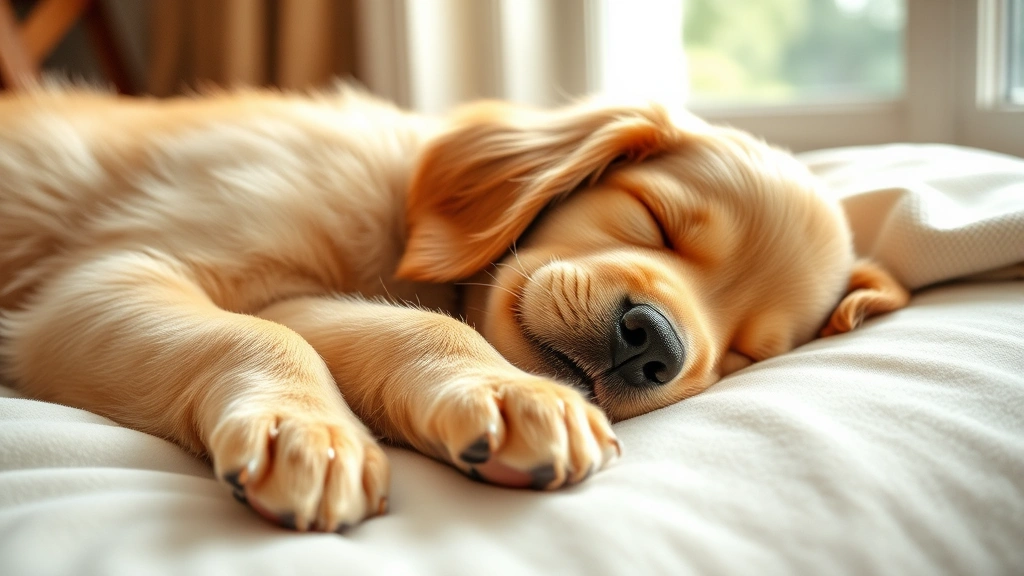
Why Dogs Twitch in Sleep: Vet Insights
If you’ve ever watched your furry friend nap and noticed their paws paddling, whiskers twitching, or little woofs escaping their mouth, you’re witnessing one of the most endearing—and slightly mysterious—behaviors of dog ownership. These sleep twitches are completely normal and happen to most dogs, but many pet parents wonder what’s really going on behind those closed eyelids. Is your pup having a dream? Are they uncomfortable? Could it be a sign of a health problem?
The truth is, dog sleep twitching is usually nothing to worry about. In fact, it’s a fascinating window into your dog’s brain activity and sleep cycles. Understanding why dogs twitch during sleep can help you become a more informed pet parent and know when a behavior might actually warrant a veterinary visit. Let’s explore what science and veterinary medicine tell us about this quirky canine behavior.
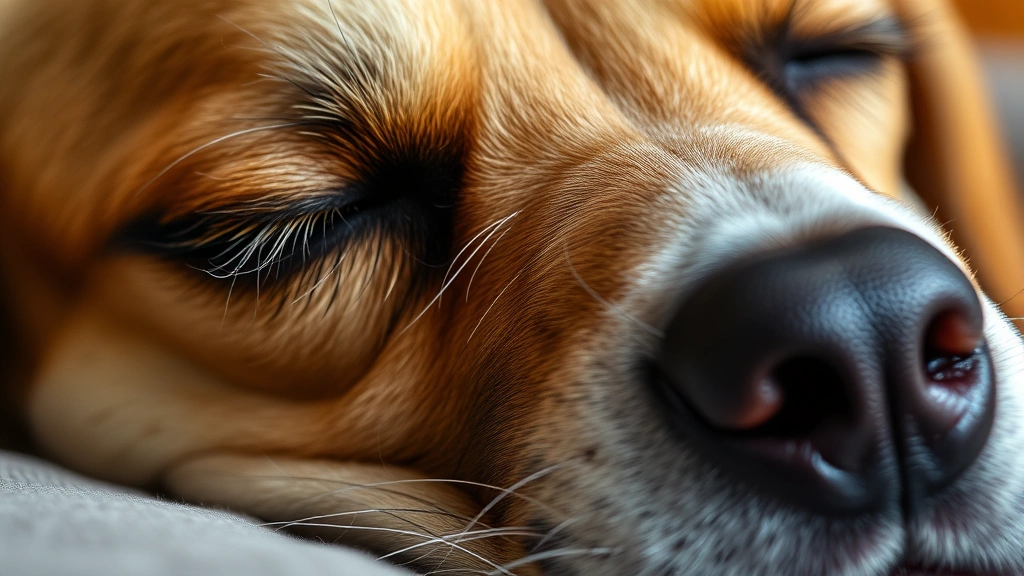
The Science Behind Dog Sleep Twitching
Dogs, like humans, experience multiple stages of sleep. The most important stage for understanding twitching is called REM (Rapid Eye Movement) sleep, also known as paradoxical sleep. During this stage, your dog’s brain is highly active, processing memories, emotions, and experiences from the day. Their eyes move rapidly beneath closed lids, and their muscles may twitch involuntarily.
During REM sleep, a dog’s brain releases neurotransmitters that essentially paralyze their voluntary muscles—a protective mechanism that prevents them from physically acting out their dreams. However, this paralysis isn’t always complete, which is why you see those adorable (or sometimes startling) twitches and jerks. The smaller muscles around the face, paws, and tail often escape this paralysis, leading to the characteristic paddling motions and facial expressions you observe.
The other primary sleep stage is NREM (Non-REM) sleep, which includes light sleep and deep sleep. Dogs spend about 44% of their 24-hour cycle sleeping, with puppies and senior dogs sleeping even more. A significant portion of this sleep time is spent in REM sleep, which is why you’ll frequently catch your pup mid-twitch.
According to research from the American Kennel Club, dogs’ brains during sleep show similar electrical activity patterns to humans, suggesting they truly do dream. This scientific backing confirms that the twitching and vocalizations you witness are genuine responses to dream content.
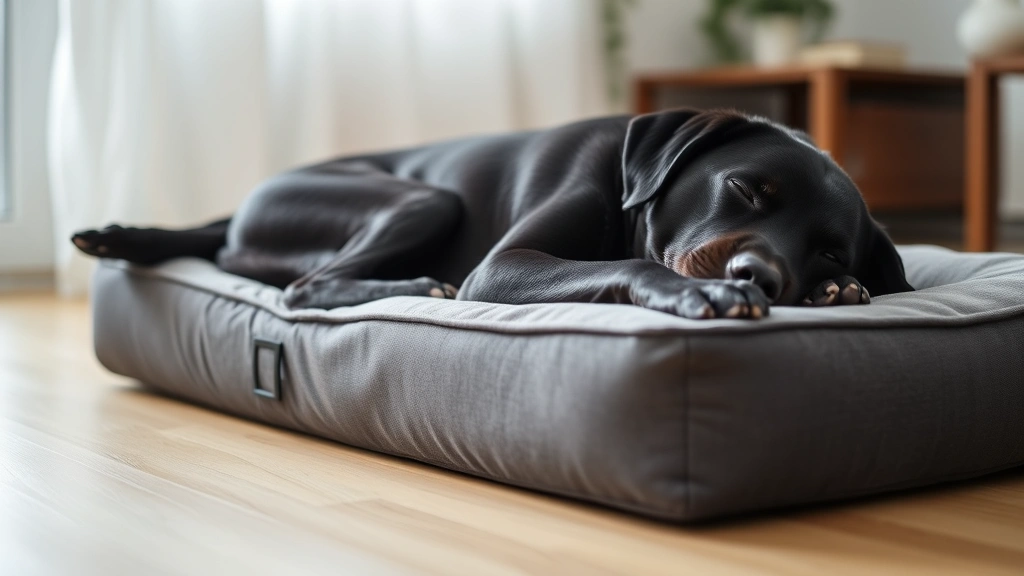
REM Sleep and Dreams
So what exactly is your dog dreaming about? While we can’t know for certain, veterinarians and animal behaviorists believe dogs likely dream about their daily experiences—playing fetch, interacting with family members, or encountering other animals. If your dog wags their tail while sleeping, they might be having a pleasant dream. If they growl or whimper, they could be experiencing a less pleasant scenario.
The ASPCA confirms that dream-related twitching is a completely normal part of canine sleep. The intensity and frequency of twitching can vary based on what stage of sleep your dog is in and the intensity of their dreams. Some dogs are more expressive sleepers than others, much like humans.
During REM sleep, your dog’s brain temperature rises slightly, their heart rate increases, and blood pressure elevates. Their breathing may become irregular, and you might notice their eyelids flickering. All of these changes are perfectly normal and indicate healthy sleep cycles. The twitching typically lasts just a few seconds to a few minutes, though it can occasionally extend longer.
Interestingly, research suggests that the duration and intensity of REM sleep may be related to how active or stimulated your dog was during the day. A dog who had an eventful day with lots of playtime and new experiences might experience more vivid dreams and more noticeable twitching.
Normal vs. Concerning Twitches
Most sleep twitches in dogs are completely benign, but it’s important to understand what falls within the normal range and what might warrant veterinary attention. Normal twitching typically includes:
- Paw paddling: Your dog’s legs move as if they’re running or walking
- Facial twitches: Nose, whiskers, or ears twitch or move
- Tail wagging: The tail moves rhythmically side to side
- Vocalizations: Soft whimpers, barks, or growls during sleep
- Eye movement: Eyes move beneath closed lids
- Brief jerks: Sudden full-body jerks lasting just a moment
These normal twitches typically occur during the transition between sleep stages or during REM sleep specifically. They’re usually brief, lasting from a few seconds to a couple of minutes, and your dog typically remains asleep throughout. Upon waking, your dog should be alert and responsive with no lingering effects.
Concerning twitching, by contrast, might include sustained muscle rigidity, repeated seizure-like activity, or twitching that wakes your dog and leaves them disoriented. If your dog’s twitching is accompanied by drooling, loss of bowel or bladder control, or if the episodes last more than a few minutes, these could indicate a seizure disorder rather than normal sleep activity. Always consult your veterinarian if you notice these symptoms.
Health Conditions That Cause Twitching
While most sleep twitching is normal, certain health conditions can cause excessive or abnormal twitching during sleep. Understanding these conditions can help you identify when professional help is needed.
Seizure Disorders: Epilepsy and other seizure conditions can manifest during sleep or wakefulness. True seizures are different from normal sleep twitches—they’re typically more violent, last longer, and often result in post-seizure confusion or disorientation. A veterinarian can help distinguish between normal twitching and seizure activity through observation and potentially an EEG.
Myoclonus: This condition involves involuntary muscle jerks that can occur during sleep or waking hours. Sleep myoclonus in dogs is usually benign, but persistent cases should be evaluated by a vet.
Restless Leg Syndrome: While less common in dogs than humans, some dogs may experience restlessness and twitching during sleep due to discomfort or neurological issues.
Pain or Discomfort: Dogs experiencing arthritis, injuries, or other sources of pain might twitch more frequently as they attempt to find comfortable sleeping positions. Senior dogs and those with joint problems are particularly prone to this.
Neurological Disorders: Conditions affecting the nervous system can sometimes cause abnormal muscle activity during sleep. These require professional veterinary diagnosis.
Medication Side Effects: Certain medications can cause twitching as a side effect. If your dog recently started a new medication and you notice increased twitching, discuss this with your veterinarian.
The Merck Veterinary Manual provides comprehensive information about neurological conditions in dogs that may present with twitching symptoms. If you’re concerned about your dog’s twitching, documenting the frequency, duration, and characteristics can help your vet make an accurate diagnosis.
Age and Breed Factors
Different life stages and breed types can influence how much and how intensely dogs twitch during sleep. Understanding these factors can help you know what’s normal for your specific dog.
Puppies: Young puppies often twitch more frequently and intensely than adult dogs. This is partly because they’re processing an enormous amount of new information daily and partly because their nervous systems are still developing. Puppy sleep twitching is usually completely normal and nothing to worry about. If you’re concerned about your puppy’s diet supporting healthy development, you might explore resources about dog nutrition and safe foods.
Senior Dogs: Older dogs may twitch more due to age-related changes in the nervous system, arthritis, or other age-related conditions. They might also experience more fragmented sleep, leading to more visible transitions between sleep stages.
Breed Tendencies: Some breeds are simply more expressive sleepers than others. Smaller breeds often appear to twitch more noticeably, partly because their movements are easier to see. Breeds with high energy levels may also twitch more frequently as they process active days.
Individual Personality: Just like humans, some dogs are simply more active sleepers. A naturally excitable or reactive dog might have more vivid dreams and more noticeable physical responses.
How to Help Your Sleeping Dog
Most dogs need no intervention for their sleep twitching—it’s a natural and healthy process. However, there are steps you can take to support quality sleep and overall wellness.
Provide a Comfortable Sleep Environment: A supportive bed in a quiet, temperature-controlled area helps dogs achieve deeper, more restorative sleep. Orthopedic beds are particularly beneficial for senior dogs or those with joint issues.
Don’t Interrupt Sleep Twitching: Resist the urge to wake your dog during twitching episodes. Interrupting REM sleep can disrupt their sleep cycle and leave them groggy. Unless there’s a genuine safety concern, let them sleep through the twitching.
Maintain Regular Exercise: Dogs who get adequate daily exercise tend to have better sleep quality. However, avoid vigorous exercise close to bedtime. A healthy diet also supports good sleep—proper nutrition including balanced options like whole grains and vegetables contributes to overall wellness.
Monitor for Changes: Keep track of your dog’s sleep patterns and twitching behavior. Sudden increases in twitching or changes in sleep habits warrant a veterinary consultation. Similarly, if your dog’s diet changes, such as introducing new foods, monitor for any changes in sleep quality.
Manage Stress: Dogs who are anxious or stressed may experience more disrupted sleep and potentially more twitching. Creating a calm environment, maintaining consistent routines, and providing anxiety-reducing enrichment can help.
Regular Veterinary Checkups: Annual wellness exams ensure that any underlying health issues contributing to sleep disturbances are caught early. Senior dogs should have checkups twice yearly.
Healthy Lifestyle Choices: A balanced diet supporting joint health and overall wellness is important. Incorporating nutritious treat options and beneficial foods supports optimal health and better sleep quality.
FAQ
Is it normal for dogs to twitch while sleeping?
Yes, absolutely. Most dogs twitch during sleep, especially during REM sleep when they’re dreaming. Brief twitches, paw paddling, and soft vocalizations are all normal sleep behaviors in healthy dogs.
Should I wake my dog if they’re twitching?
No, you shouldn’t wake your dog during sleep twitching unless there’s a safety concern. Interrupting REM sleep disrupts their sleep cycle. Let them sleep through the twitching—it’s a natural and healthy process.
What’s the difference between normal twitching and a seizure?
Normal sleep twitching is brief (seconds to a couple minutes), occurs during sleep, and doesn’t cause disorientation upon waking. Seizures are typically more violent, longer-lasting, and result in confusion or disorientation afterward. If you’re uncertain, consult your veterinarian.
Do all dogs twitch during sleep?
Most dogs do twitch during sleep, but the frequency and intensity vary. Some dogs are more expressive sleepers than others. Individual personality, breed, and age all influence how noticeable the twitching is.
Can diet affect sleep quality and twitching?
Yes, a balanced diet supporting nervous system health can contribute to better sleep quality. Proper nutrition ensures optimal brain function and may reduce stress-related sleep disturbances.
When should I be concerned about sleep twitching?
Consult your veterinarian if twitching episodes are frequent, last longer than a few minutes, occur during waking hours, or are accompanied by disorientation, loss of bowel/bladder control, or other concerning symptoms.
Is there a way to reduce excessive twitching?
Ensuring adequate exercise, maintaining a consistent sleep schedule, providing a comfortable sleep environment, and managing stress can all support better sleep quality. If twitching seems excessive, a veterinary evaluation is recommended.





