

Yellow Dog Poop? Vet Insights Explained
Discovering yellow poop in your dog’s yard can be concerning, especially when you’re unsure what it means for your pet’s health. While occasional color variations in your dog’s stool are normal, persistent yellow poop may signal an underlying issue that deserves attention. Understanding the causes behind this color change helps you determine whether a vet visit is necessary or if simple dietary adjustments will resolve the problem.
Yellow dog poop can result from numerous factors ranging from dietary choices to digestive issues. Some causes are harmless and resolve on their own, while others require professional veterinary care. This comprehensive guide explores the science behind stool color, common reasons your dog’s poop turns yellow, and practical steps you can take to support your pet’s digestive health.
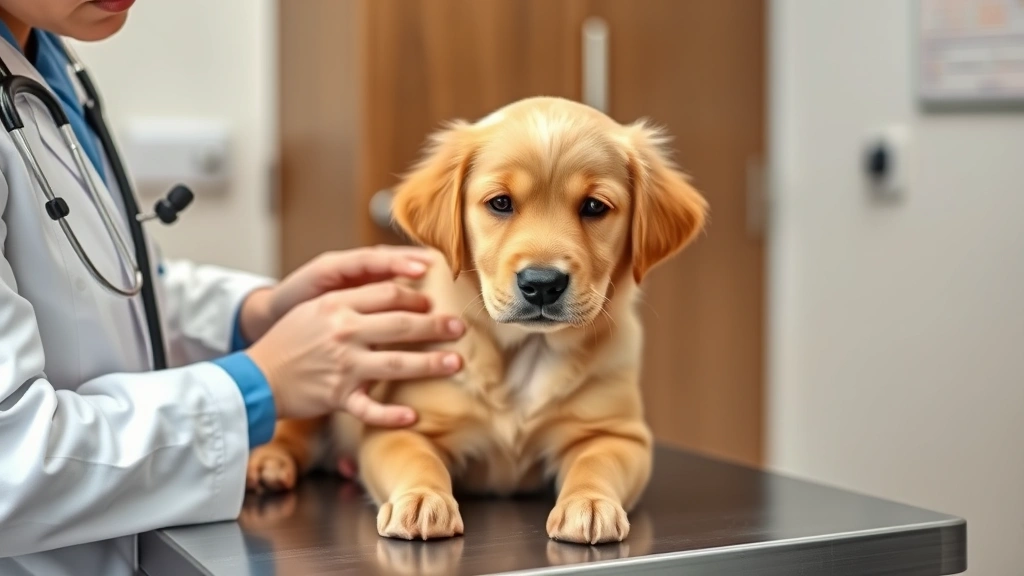
Understanding Stool Color in Dogs
Dog stool color varies based on diet, health status, and digestive efficiency. Healthy dog poop typically ranges from brown to dark brown, reflecting the presence of bilirubin—a byproduct of red blood cell breakdown. When bilirubin combines with other digestive components, it creates the familiar brown hue we expect.
Yellow stool suggests that food is moving through your dog’s digestive system faster than normal, or that bile isn’t being properly processed. AAFCO guidelines and veterinary research indicate that stool color serves as a window into digestive health. When you notice color changes, your dog’s body is communicating that something in their system needs attention.
The gallbladder plays a crucial role in stool color. This organ stores bile, which helps digest fats and gives stool its brown coloring. When bile isn’t adequately mixed into the stool or when transit time accelerates, yellow poop results. Understanding this mechanism helps you identify whether the issue is temporary or requires investigation.
Dietary Causes of Yellow Poop
Food is the most common culprit behind yellow dog poop. Your dog’s diet directly influences stool appearance, consistency, and color. Several dietary factors can trigger this change:
High-Fat Foods: Fatty foods move through the digestive tract quickly, preventing proper bile integration. If you’ve recently introduced rich treats, table scraps, or fatty meats, yellow poop often follows. Additionally, excessive fat can stress the pancreas and gallbladder, further disrupting normal stool color.
Food Sensitivities and Allergies: Some dogs develop sensitivities to specific ingredients. Common culprits include chicken, beef, wheat, and dairy. When your dog consumes a problematic ingredient, their digestive system may react by producing yellow stools. This differs from true allergies but indicates your dog’s system isn’t processing that food optimally.
Sudden Diet Changes: Switching dog food too quickly causes digestive upset. Veterinarians recommend transitioning gradually over 7-10 days, mixing increasing amounts of new food with decreasing amounts of old food. Abrupt changes often result in yellow or loose stools as your dog’s digestive bacteria adjust.
If your dog enjoys vegetables, you might wonder about specific options. Can dogs eat broccoli and can dogs eat corn are common questions. While these vegetables are generally safe, introducing them suddenly or in large quantities can cause digestive changes. Similarly, can dogs eat cheese is worth considering, as dairy products trigger yellow poop in lactose-sensitive dogs.
Protein quality matters significantly. Low-quality dog foods with fillers and by-products are harder to digest, potentially causing yellow stools. Premium foods with named meat sources and digestible carbohydrates typically produce better stool quality. If you suspect food quality issues, consulting your veterinarian about can dogs eat rice and other easily digestible options helps during dietary transitions.
Insufficient Fiber: Adequate fiber promotes healthy stool formation and proper transit time. Dogs lacking sufficient fiber may experience yellow, loose stools. Adding safe fiber sources like pumpkin or switching to higher-fiber foods can resolve this issue. However, too much fiber also causes problems, so balance is essential.
Nutritional Deficiencies: When dogs lack essential nutrients, their digestive systems struggle. Deficiencies in B vitamins, amino acids, or minerals can manifest as color changes in stool. High-quality commercial dog foods are formulated to prevent deficiencies, but homemade diets sometimes fall short without proper supplementation.
For dogs requiring bland diets during digestive upset, are carrots good for dogs is a frequently asked question. Carrots offer hydration and mild nutrition, making them suitable for temporary dietary adjustments. Always introduce new foods gradually and monitor your dog’s response.
Digestive and Health Conditions
Beyond diet, several medical conditions cause yellow dog poop. Understanding these helps you recognize when professional help is needed:
Gastroenteritis: Inflammation of the stomach and intestines produces yellow, often watery stools. Causes include bacterial infections, viral infections, or parasites. Gastroenteritis typically includes additional symptoms like vomiting, lethargy, or loss of appetite. ASPCA resources emphasize that infectious gastroenteritis requires veterinary attention to prevent dehydration and secondary complications.
Pancreatitis: Inflammation of the pancreas affects fat digestion, resulting in yellow or pale stools with a greasy appearance. Pancreatitis causes abdominal pain, vomiting, and reduced appetite. This condition requires immediate veterinary care, as it can become life-threatening. Dogs with pancreatitis benefit from low-fat diets and professional management.
Liver Disease: The liver produces bile, which gives stool its brown color. Liver dysfunction reduces bile production or affects its function, causing pale or yellow stools. Other liver disease symptoms include jaundice (yellowing of the eyes and skin), weight loss, and behavioral changes. Liver disease requires prompt veterinary diagnosis and treatment.
Gallbladder Issues: Gallstones or gallbladder inflammation (cholecystitis) prevent proper bile flow. This results in yellow or pale stools and often causes abdominal discomfort. Gallbladder problems can be serious if bile backs up into the pancreas, triggering pancreatitis.
Intestinal Parasites: Worms and other parasites cause digestive upset and yellow stools. Common parasites include roundworms, hookworms, and giardia. Regular deworming and parasite prevention protect against this issue. If you suspect parasites, your veterinarian can perform fecal tests to identify the specific organism.
Food Malabsorption: Conditions like exocrine pancreatic insufficiency (EPI) prevent proper nutrient absorption. Dogs with EPI produce yellow, fatty stools despite eating normal diets. This condition requires specialized veterinary management with enzyme supplements.
Inflammatory Bowel Disease (IBD): Chronic inflammation of the digestive tract causes recurring yellow or loose stools. IBD requires long-term management with specialized diets and medications. Diagnosis involves endoscopy and biopsy.
Stress and Anxiety: Psychological stress affects digestive function. Dogs experiencing anxiety, environmental changes, or separation stress may temporarily produce yellow stools. Reducing stressors and providing calming support often resolves the issue.
When to Contact Your Veterinarian
Not every instance of yellow poop requires emergency care, but certain situations demand professional attention. Contact your veterinarian if:
- Yellow poop persists for more than 2-3 days despite dietary adjustments
- Your dog shows additional symptoms like vomiting, lethargy, loss of appetite, or abdominal pain
- The stool appears greasy, pale, or contains blood or mucus
- Your dog experiences weight loss or behavioral changes
- Multiple episodes of diarrhea occur within a short period
- Your dog is a puppy, senior dog, or has pre-existing health conditions
- Yellow poop is accompanied by jaundice (yellowing of eyes or skin)
Your veterinarian will perform a physical examination and may recommend diagnostic tests. Common tests include fecal analysis to check for parasites, blood work to assess liver and pancreatic function, and imaging if pancreatitis or gallbladder disease is suspected. AVMA guidance emphasizes that professional diagnosis prevents unnecessary worry and ensures appropriate treatment.
Puppies warrant faster attention because they’re more vulnerable to dehydration and infections. Senior dogs and those with existing health conditions also need prompt evaluation, as yellow poop may indicate disease progression.
Home Management and Prevention
Once you’ve ruled out serious conditions, several strategies help prevent and manage yellow dog poop:
Maintain Dietary Consistency: Feed your dog the same high-quality food consistently. If changes are necessary, transition gradually over 7-10 days. Keep a food diary noting any correlations between dietary changes and stool color.
Avoid Table Scraps: Human food, especially fatty or spicy items, disrupts canine digestion. Stick to dog-appropriate treats and foods. If you offer table foods, choose safe options and introduce them slowly in small quantities.
Ensure Adequate Hydration: Proper water intake supports healthy digestion. Always provide fresh, clean water. Dehydration concentrates stool and can cause color changes.
Include Digestive Support: Pumpkin puree (not pie filling) adds fiber and supports digestion. Plain, cooked sweet potatoes offer similar benefits. Some dogs benefit from probiotic supplements that support healthy gut bacteria. Always consult your veterinarian before adding supplements.
Maintain Regular Exercise: Physical activity promotes healthy digestion and bowel movements. Daily walks and playtime support overall gastrointestinal health.
Practice Parasite Prevention: Regular deworming and flea/tick prevention prevent parasitic infections. Follow your veterinarian’s recommended prevention schedule based on your dog’s age, lifestyle, and risk factors.
Monitor Stool Quality: Track your dog’s stool appearance, frequency, and consistency. Changes often indicate dietary or health issues before other symptoms appear. Keeping detailed notes helps your veterinarian identify patterns.
Manage Stress: Provide a calm, stable environment. If your dog experiences anxiety, discuss management strategies with your veterinarian. Some dogs benefit from calming supplements, anxiety medications, or behavioral modification.
Regular Veterinary Checkups: Routine wellness exams catch health issues early. Annual exams for adult dogs and more frequent visits for puppies and seniors help maintain digestive health.
FAQ
Is yellow dog poop always a sign of illness?
No. Yellow poop often results from dietary factors like high fat intake or food sensitivities. However, persistent yellow stools or those accompanied by other symptoms warrant veterinary evaluation to rule out underlying conditions.
How long should I wait before calling my vet about yellow poop?
If your dog is otherwise healthy and active, you can monitor for 2-3 days while making dietary adjustments. Contact your veterinarian sooner if your dog shows other symptoms, appears unwell, or if yellow poop persists beyond three days.
Can stress cause yellow dog poop?
Yes. Psychological stress affects digestive function. Environmental changes, separation anxiety, or anxiety-provoking events can temporarily cause yellow or loose stools. Once stress resolves, stool color typically normalizes.
What should I feed my dog if they have yellow poop?
A bland diet of boiled chicken and rice (in a 1:2 ratio) works well temporarily. Once symptoms improve, gradually transition back to your dog’s regular food over 7-10 days. If problems persist, discuss specialized diets with your veterinarian.
Does yellow poop mean my dog has worms?
While parasites can cause yellow stools, many other factors also cause this color change. Fecal analysis by your veterinarian definitively identifies parasites. Regular deworming prevents most parasitic infections.
Can I treat yellow poop at home?
Minor cases caused by dietary indiscretion often resolve with conservative management—dietary adjustment, hydration, and rest. However, if symptoms persist or worsen, professional veterinary care is necessary to diagnose underlying conditions.
Is pale or light yellow poop more serious than bright yellow?
Pale or clay-colored stools suggest bile duct obstruction or liver disease and warrant prompt veterinary attention. Bright yellow stools are often dietary-related but should still be evaluated if persistent.





