

Are Blueberries Safe for Dogs? Vet Insights
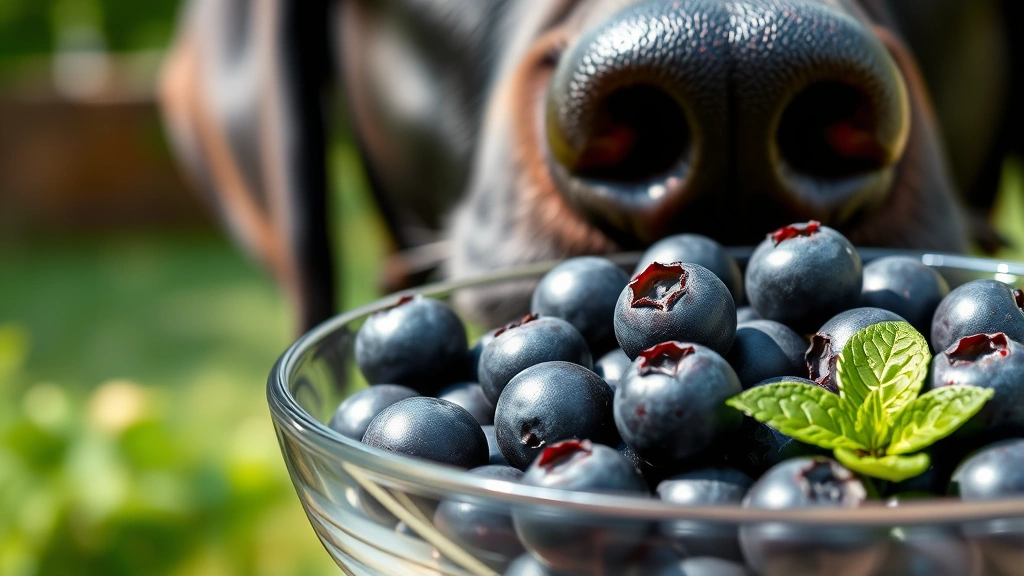
Blueberries are one of the most frequently asked about human foods in veterinary clinics, and for good reason. These small, nutrient-dense berries have become a staple in health-conscious households, leading many dog owners to wonder if they can share this superfood with their canine companions. The good news is straightforward: yes, blueberries are safe for dogs, and they can actually provide several health benefits when offered appropriately.
However, like any food given to pets, there are important guidelines to follow. Understanding proper portion sizes, preparation methods, and potential risks ensures your dog can enjoy blueberries safely. This comprehensive guide explores everything veterinarians recommend about feeding blueberries to dogs, from nutritional benefits to practical feeding strategies.
Are Blueberries Toxic to Dogs?
The most direct answer to your concern is: blueberries are not toxic to dogs. According to the ASPCA Animal Poison Control Center, blueberries contain no compounds that are harmful to canines. Unlike some fruits and foods that pose genuine toxicity risks—such as grapes, raisins, or avocados—blueberries are completely safe for dogs to consume in appropriate quantities.
Veterinarians across the country regularly recommend blueberries as a healthy treat option for dogs. The American Kennel Club (AKC) lists blueberries among approved human foods for dogs, making them a trusted choice for pet owners seeking nutritious snack alternatives to commercial treats.
The absence of toxicity means you don’t need to worry about accidental consumption. If your dog manages to eat a handful of blueberries from your bowl or your garden, there’s no need for emergency veterinary care. That said, moderation remains important for overall health and digestive balance.
Nutritional Benefits for Dogs
Blueberries earn their superfood reputation through impressive nutritional content that benefits dogs just as much as humans. These berries are packed with compounds that support various aspects of canine health:
- Antioxidants: Blueberries contain anthocyanins, flavonoids, and other antioxidants that help neutralize free radicals in your dog’s body, potentially reducing inflammation and supporting cellular health
- Vitamins: Rich in Vitamin C and Vitamin K, blueberries support immune function and bone health
- Fiber: The dietary fiber in blueberries aids digestive health and can help regulate bowel movements
- Low Calorie: With only 57 calories per 100 grams, blueberries are an excellent low-calorie treat option for weight-conscious dogs
- Natural Compounds: Resveratrol and other polyphenols found in blueberries have been studied for potential cognitive and heart health benefits
Research published in veterinary nutrition journals suggests that antioxidant-rich foods like blueberries may support healthy aging in senior dogs and help maintain cognitive function. Some veterinarians recommend blueberries specifically for older dogs showing signs of cognitive decline.
The nutritional profile makes blueberries particularly valuable for dogs on restricted diets or those needing supplemental nutrition. Unlike many commercial dog treats laden with artificial ingredients, blueberries offer genuine nutritional value in their natural form.
Safe Serving Guidelines
While blueberries are safe, portion control is essential. The appropriate amount depends on your dog’s size, overall diet, and individual health status:
- Small Dogs (under 10 lbs): 2-4 blueberries per day
- Medium Dogs (10-50 lbs): 4-8 blueberries per day
- Large Dogs (50+ lbs): Up to 15 blueberries per day
A practical rule of thumb is that treats—including blueberries—should comprise no more than 10% of your dog’s daily caloric intake. For a typical 50-pound dog consuming 1,000 calories daily, treats should total around 100 calories maximum. Since blueberries are low-calorie, they fit easily into this allowance.
Introduce blueberries gradually, especially if your dog hasn’t eaten them before. Start with one or two berries and observe for any digestive upset over 24-48 hours. Most dogs tolerate them well, but some may experience mild gastrointestinal changes initially.
Fresh blueberries offer superior nutritional value compared to frozen or processed varieties. If using frozen blueberries, thaw them first and ensure they contain no added sugars or artificial sweeteners—particularly xylitol, which is toxic to dogs.
How to Prepare Blueberries
Preparation significantly impacts safety and digestibility. Here are recommended preparation methods:
Fresh Blueberries: Wash thoroughly under running water to remove pesticides, dirt, and debris. Serve whole or cut in half for small dogs to prevent choking hazards. Fresh berries maintain maximum nutritional content and are ideal for most dogs.
Frozen Blueberries: Thaw completely before serving. Check labels carefully—commercially frozen blueberries should contain only blueberries with no added sugars, syrups, or sweeteners. Some dogs enjoy frozen blueberries as a cooling treat during warm weather, but ensure they’re completely thawed to avoid digestive upset.
Blueberry Puree: Blend fresh blueberries into a smooth puree and freeze in ice cube trays for portion-controlled treats. This method works particularly well for senior dogs with dental issues or puppies transitioning to solid foods.
Mixed with Other Foods: Combine blueberries with safe vegetables like broccoli or cauliflower for variety. You can also mix them into plain yogurt (xylitol-free) for added probiotic benefits.
Avoid These Preparations: Never give dogs blueberries in jam, pie filling, or commercial products containing added sugars, xylitol, or other additives. Canned blueberries often contain excessive sugar and syrup unsuitable for canine consumption.
Potential Risks and Considerations
Although blueberries are generally safe, certain situations warrant caution:
Choking Hazard: For small dogs, toy breeds, or puppies, whole blueberries can present a choking risk. Cut berries lengthwise or mash them for these dogs. Senior dogs with dental problems should also receive mashed or cut blueberries.
Digestive Upset: Some dogs experience mild diarrhea or stomach upset when introduced to high-fiber foods like blueberries. This typically resolves with gradual introduction and proper portion control. If diarrhea persists beyond 24 hours, discontinue blueberries and consult your veterinarian.
Sugar Content: While blueberries contain natural sugars rather than refined sugar, dogs with diabetes or those prone to obesity should have portions monitored carefully. Discuss blueberry inclusion with your vet if your dog has metabolic concerns.
Pesticide Exposure: Non-organic blueberries may contain pesticide residues. Purchase organic berries when possible, or wash conventional blueberries thoroughly. Some veterinarians recommend organic produce for dogs with sensitive immune systems.
Medication Interactions: Blueberries contain compounds that may interact with certain medications. If your dog takes blood thinners or specific medications, consult your veterinarian before introducing blueberries regularly.
Allergic Reactions: Though rare, some dogs may have allergies to blueberries. Signs include itching, hives, facial swelling, or gastrointestinal distress. Discontinue immediately and contact your vet if allergic reactions occur.

Other Safe Fruits for Dogs
If your dog doesn’t enjoy blueberries or you want variety, numerous other fruits are safe and nutritious. Similar to how carrots are good for dogs, many fruits offer excellent health benefits:
- Apples: Remove seeds first; excellent source of fiber and Vitamin C
- Bananas: High in potassium; serve in moderation due to sugar content
- Watermelon: Hydrating and low-calorie; remove seeds and rind
- Strawberries: Similar nutritional profile to blueberries; serve fresh
- Pumpkin: Excellent for digestive health; pure pumpkin puree recommended
- Cantaloupe: Hydrating and low-calorie; remove rind and seeds
Dogs can also benefit from safe vegetables. Corn, squash, and other produce offer nutritional variety. Always introduce new foods gradually and monitor your dog’s response.
Creating a diverse treat rotation keeps your dog’s diet interesting while providing varied nutrients. Combining blueberries with other safe fruits and vegetables ensures comprehensive nutritional benefits.
FAQ
Can puppies eat blueberries?
Yes, puppies can eat blueberries in very small quantities once they begin eating solid food (around 3-4 weeks old). Start with mashed berries in tiny amounts to ensure digestive tolerance. Puppies have developing digestive systems, so introduce new foods gradually. Always supervise to prevent choking.
How many blueberries can a dog eat per day?
Portion sizes depend on dog size: small dogs 2-4 berries, medium dogs 4-8 berries, large dogs up to 15 berries daily. These amounts fit within the 10% daily treat allowance recommended by veterinarians. Adjust based on your individual dog’s dietary needs and overall caloric intake.
Are frozen blueberries safe for dogs?
Frozen blueberries are safe if thawed completely before serving. Check labels to ensure no added sugars, syrups, or xylitol. Some dogs enjoy partially frozen berries as a cooling treat during summer, but ensure they’re not so frozen they could cause dental damage.
Can dogs with kidney disease eat blueberries?
Dogs with kidney disease should have blueberries approved by their veterinarian first. While blueberries are generally safe, dogs with specific health conditions require customized dietary guidance. Your vet can determine if blueberries fit your dog’s therapeutic diet.
What should I do if my dog eats too many blueberries?
If your dog consumes excessive blueberries, monitor for digestive upset like loose stools or vomiting. These symptoms typically resolve within 24 hours. Provide plenty of fresh water and temporarily reduce fiber intake. Contact your veterinarian if symptoms persist or your dog shows other concerning signs.
Can blueberries help with dog’s vision and aging?
Blueberries’ antioxidant content theoretically supports eye health and cognitive function in aging dogs. Some research suggests benefits for senior dogs, though studies specifically in canines are limited. Discuss with your vet whether blueberries could benefit your aging dog’s health maintenance.
Are blueberry supplements better than fresh berries?
Fresh blueberries are superior to supplements for most dogs. Whole foods provide nutrients in natural combinations and proper proportions. Commercial supplements may contain additives or inconsistent quality. Fresh berries offer the most complete nutritional profile when prepared properly.
Can dogs eat blueberry muffins or other baked goods?
No, commercial blueberry muffins and baked goods are unsafe for dogs. They contain sugar, artificial ingredients, xylitol, and other harmful additives. Some baked goods may contain chocolate or macadamia nuts, which are toxic to dogs. Stick to plain, fresh blueberries only.





