
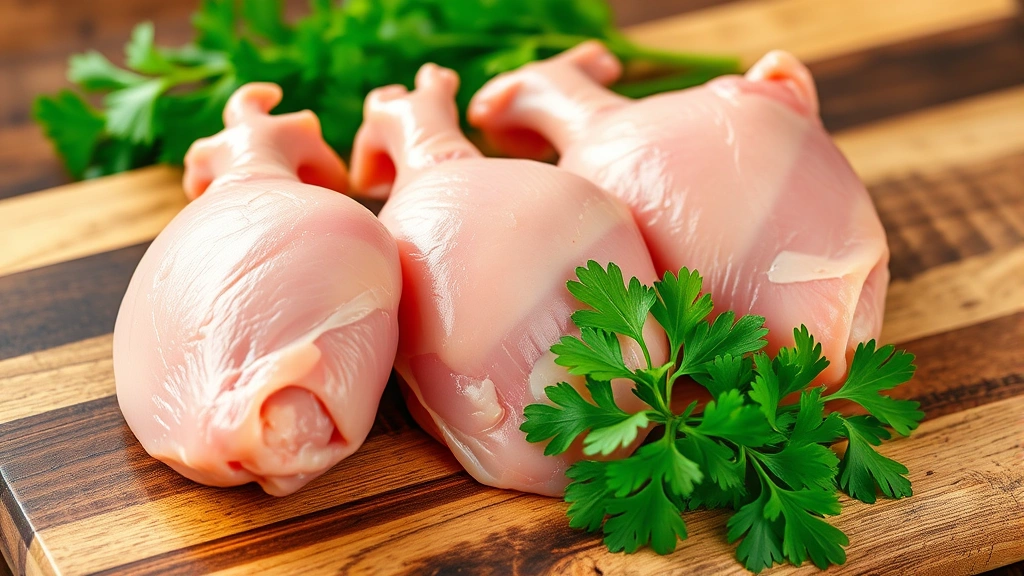
Can Dogs Eat Chicken Hearts? Vet’s Advice on This Nutritious Organ Meat
Chicken hearts are a nutrient-dense organ meat that many dog owners wonder about when planning their pet’s diet. The good news is that yes, dogs can eat chicken hearts, and they’re actually quite beneficial when prepared properly. These small but mighty organs are packed with protein, taurine, and essential vitamins that support your dog’s heart health, immune function, and overall vitality.
If you’re looking to add variety to your dog’s meals or explore whole-prey feeding models, chicken hearts represent an affordable and wholesome option. However, like any food introduction, there are important guidelines to follow to ensure your furry friend enjoys them safely. This comprehensive guide will walk you through everything you need to know about feeding chicken hearts to your dog, from nutritional benefits to preparation methods and potential risks.
Nutritional Benefits of Chicken Hearts for Dogs
Chicken hearts are nutritional powerhouses that rival many commercial dog foods in their beneficial compounds. These organs contain approximately 15-20% protein, making them an excellent protein source for muscle maintenance and repair. Unlike some processed dog treats, chicken hearts offer complete proteins with all nine essential amino acids that dogs require.
One of the most significant benefits is the taurine content. Taurine is an amino acid that plays a crucial role in maintaining heart health and supporting proper cardiac function. Dogs can synthesize some taurine naturally, but dietary sources provide additional support, particularly for breeds predisposed to heart conditions. This is especially important since certain dog breeds are prone to dilated cardiomyopathy (DCM), a condition where adequate taurine intake may be protective.
Chicken hearts also contain:
- B vitamins (especially B12 and folate) for energy metabolism and neurological function
- Iron for oxygen transport and red blood cell production
- Zinc for immune system support and skin health
- Selenium for antioxidant protection
- CoQ10 for cellular energy and heart function
- Phosphorus and potassium for bone and muscle health
When compared to other protein sources like chicken breast, hearts offer significantly higher micronutrient density. This makes them particularly valuable for dogs eating rice-based diets that might need nutritional supplementation. Many holistic and raw feeding advocates recommend organ meats as essential components of balanced canine nutrition.
Safety Guidelines: How to Feed Chicken Hearts to Dogs
While chicken hearts are generally safe for most dogs, following proper safety guidelines is essential to prevent foodborne illness and digestive upset. The primary concern with any raw or undercooked poultry is bacterial contamination, particularly from Salmonella and E. coli. Dogs have more acidic stomachs than humans and can handle some bacterial loads, but precautions remain important—especially in households with elderly people, young children, or immunocompromised individuals.
Source matters tremendously. Always purchase chicken hearts from reputable suppliers with proper food handling practices. Grocery store chicken is generally safer than mystery-sourced organ meat. If buying from specialty butchers or online suppliers, verify they follow food safety standards and maintain proper cold chain management.
Storage is critical: keep frozen chicken hearts at 0°F or below, and thaw them in the refrigerator (never at room temperature) for 24 hours before feeding. Once thawed, use within 24-48 hours. Never refreeze thawed chicken hearts.
How to Prepare Chicken Hearts for Your Dog
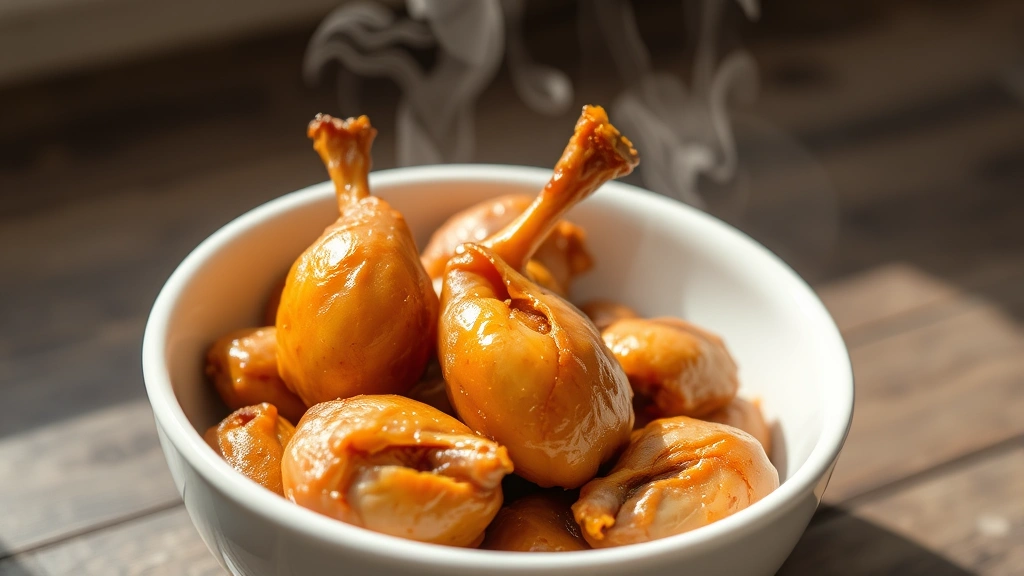
There are several safe ways to prepare chicken hearts for your dog, each with distinct advantages:
Raw Feeding
Raw chicken hearts appeal to owners following raw or whole-food diets for dogs. If feeding raw, use only high-quality, fresh chicken hearts from trusted sources. Thaw completely and serve immediately. Some owners lightly freeze them for 10-14 days first (a process called “blast freezing”) to reduce pathogenic bacteria. However, raw feeding isn’t risk-free and requires careful food handling knowledge. Consult your veterinarian before starting a raw diet.
Cooked Chicken Hearts
Cooking eliminates bacterial concerns and is the safest preparation method for most households. Boil chicken hearts for 10-15 minutes in plain water (no salt, garlic, or onions), or bake at 375°F for 15-20 minutes. Cooked hearts can be served whole for large dogs or chopped for smaller breeds. The cooking liquid (without seasoning) can be drizzled over regular food as a nutritious gravy.
Freeze-Dried or Dehydrated
Commercial freeze-dried chicken hearts offer convenience and extended shelf life while maintaining most nutrients. These require no preparation and provide a shelf-stable option for travel or storage. Check ingredient labels to ensure no additives, salt, or preservatives are included.
What NOT to Do
- Never season with salt, garlic, onion, or spices
- Avoid deep-frying or cooking in oils
- Don’t feed spoiled or off-smelling hearts
- Never leave raw chicken hearts at room temperature
- Avoid mixing with other foods that might cause digestive upset

Portion Control and Feeding Frequency
Proper portioning prevents nutritional imbalances and digestive issues. The “10% rule” is a helpful guideline: treats and supplements (including chicken hearts) should comprise no more than 10% of your dog’s daily caloric intake, with regular meals making up the remaining 90%.
For a typical 50-pound dog eating approximately 1,000 calories daily, this means no more than 100 calories from chicken hearts—roughly 2-3 medium hearts per day. Smaller dogs (under 25 pounds) should receive 1-2 hearts, while large breeds (over 75 pounds) can handle 3-4 hearts daily.
Frequency recommendations vary:
- Daily feeders: Small portions (1-2 hearts) mixed into regular meals
- Weekly treats: 2-3 times per week as special rewards or meal toppers
- Occasional additions: 1-2 times weekly for picky eaters
Start slowly when introducing chicken hearts to a dog unaccustomed to organ meats. Begin with a single small piece and gradually increase over 7-10 days to allow digestive adjustment. Some dogs experience loose stools initially as their gut microbiome adapts to the new food.
Health Considerations and Potential Risks
While chicken hearts are nutritious, certain health conditions warrant caution or veterinary consultation before introduction.
Dogs with Kidney Disease
Chicken hearts contain moderate phosphorus levels. Dogs with chronic kidney disease often require phosphorus restriction, making hearts potentially problematic. Always consult your veterinarian before introducing any new protein source for dogs with kidney compromise.
Pancreatitis History
Though relatively lean, chicken hearts contain fat. Dogs with a history of pancreatitis or prone to the condition should avoid organ meats entirely. Stick to lean proteins and consult your vet about safe dietary additions.
Allergies and Sensitivities
Some dogs develop poultry allergies or sensitivities. If your dog exhibits itching, digestive upset, or other allergic symptoms after consuming chicken hearts, discontinue and consult your veterinarian. Consider alternative organ meats like beef or lamb if poultry isn’t tolerated.
Choking Hazards
Whole chicken hearts can pose choking risks for aggressive eaters or large dogs who don’t chew thoroughly. Cut hearts into appropriate sizes for your dog’s eating habits. Supervise feeding, especially initially.
Bacterial Contamination
Raw or undercooked chicken hearts risk bacterial contamination. Dogs can handle some pathogens better than humans, but immunocompromised dogs, puppies, and seniors face elevated risk. When in doubt, cook the hearts thoroughly.
Alternative Organ Meats and Protein Sources
If chicken hearts aren’t ideal for your dog, several alternatives provide similar nutritional benefits. Beef hearts offer comparable taurine and B vitamins with a different amino acid profile. Turkey hearts provide similar benefits with slightly different micronutrient ratios. Lamb hearts work well for dogs with poultry sensitivities.
For dogs requiring lower-phosphorus diets, lean muscle meats paired with supplements might be preferable. Dogs needing additional vegetable matter can benefit from carrots as treats alongside their protein sources. Some owners find corn supplements helpful for variety, though whole grains like rice provide carbohydrate options.
For dogs with dairy tolerance questions, exploring whether dogs can drink milk might reveal additional nutritional avenues. Consulting the Association of American Feed Control Officials (AAFCO) guidelines ensures complete nutritional balance regardless of which proteins you choose.
Frequently Asked Questions
Are chicken hearts better than chicken breast for dogs?
Chicken hearts and breast serve different nutritional purposes. Hearts provide superior micronutrient density, taurine, and B vitamins, making them excellent supplements. Breasts offer lean, complete protein with less fat. A balanced diet incorporating both provides optimal nutrition. Hearts shouldn’t completely replace muscle meat but should complement a varied diet.
Can puppies eat chicken hearts?
Puppies can eat cooked chicken hearts in very small portions (1/4 to 1/2 heart) starting around 8-12 weeks old, after introduction to solid foods. Their digestive systems are still developing, so introduce slowly. Raw feeding for puppies carries higher bacterial risk and isn’t recommended. Always consult your veterinarian before introducing new foods to puppies.
How often can dogs eat chicken hearts?
Most healthy adult dogs can safely eat chicken hearts 2-3 times weekly or daily in small portions (following the 10% rule). Puppies, senior dogs, and those with health conditions should eat them less frequently and with veterinary guidance. Listen to your dog’s digestive response and adjust accordingly.
Do chicken hearts help with dog heart health?
The taurine in chicken hearts supports cardiac function and may help prevent certain heart conditions. However, hearts aren’t a treatment for existing heart disease. Dogs with diagnosed heart conditions require veterinary-prescribed diets and shouldn’t receive dietary supplements without professional guidance. Discuss chicken hearts with your vet if your dog has cardiac concerns.
What’s the difference between raw and cooked chicken hearts?
Raw hearts retain all nutrients but carry bacterial contamination risks. Cooked hearts are safer and retain approximately 90% of nutrients while eliminating foodborne pathogen concerns. For most households, especially those with vulnerable individuals, cooked hearts are the safer choice. Raw feeding requires proper food safety knowledge and sourcing.
Can dogs with sensitive stomachs eat chicken hearts?
Dogs with sensitive stomachs might struggle with rich organ meats initially. Start with very small cooked portions (1/4 heart) mixed into regular food. If digestive upset occurs, discontinue and consult your veterinarian. Some sensitive-stomach dogs tolerate hearts better when mixed with their regular food rather than fed separately.
Where should I buy chicken hearts for my dog?
Purchase from reputable sources: grocery store butcher counters, specialty pet food suppliers, or trusted online retailers with food safety certifications. Avoid unknown sources or those with questionable storage practices. Ask suppliers about sourcing, handling, and storage procedures. Quality and food safety should be your primary concerns.
Chicken hearts represent an excellent addition to many dogs’ diets when prepared and portioned appropriately. Their nutritional density, affordability, and versatility make them valuable for owners seeking to provide whole-food nutrition. Start slowly, monitor your dog’s response, and consult your veterinarian—especially if your dog has existing health conditions. With proper preparation and portion control, chicken hearts can support your dog’s long-term health and vitality.
For additional dietary guidance, consult the ASPCA’s pet nutrition resources, the American Kennel Club’s breed-specific feeding guidelines, or speak with your veterinarian about incorporating chicken hearts into your dog’s meal plan. Your veterinary professional can provide personalized recommendations based on your individual dog’s age, health status, and dietary needs.





